

In the shoe mold manufacturing sector, traditional milling machines have long been the go - to tools. However, they are struggling to keep up with the complex requirements of modern shoe last surface machining. The irregular and intricate shapes of shoe lasts demand a high level of precision and flexibility, which traditional machines simply cannot provide. As a result, the production efficiency is extremely low. On average, it may take 2 - 3 days to complete a single complex shoe mold using traditional methods, and the rework rate can reach up to 20% due to inaccurate machining.
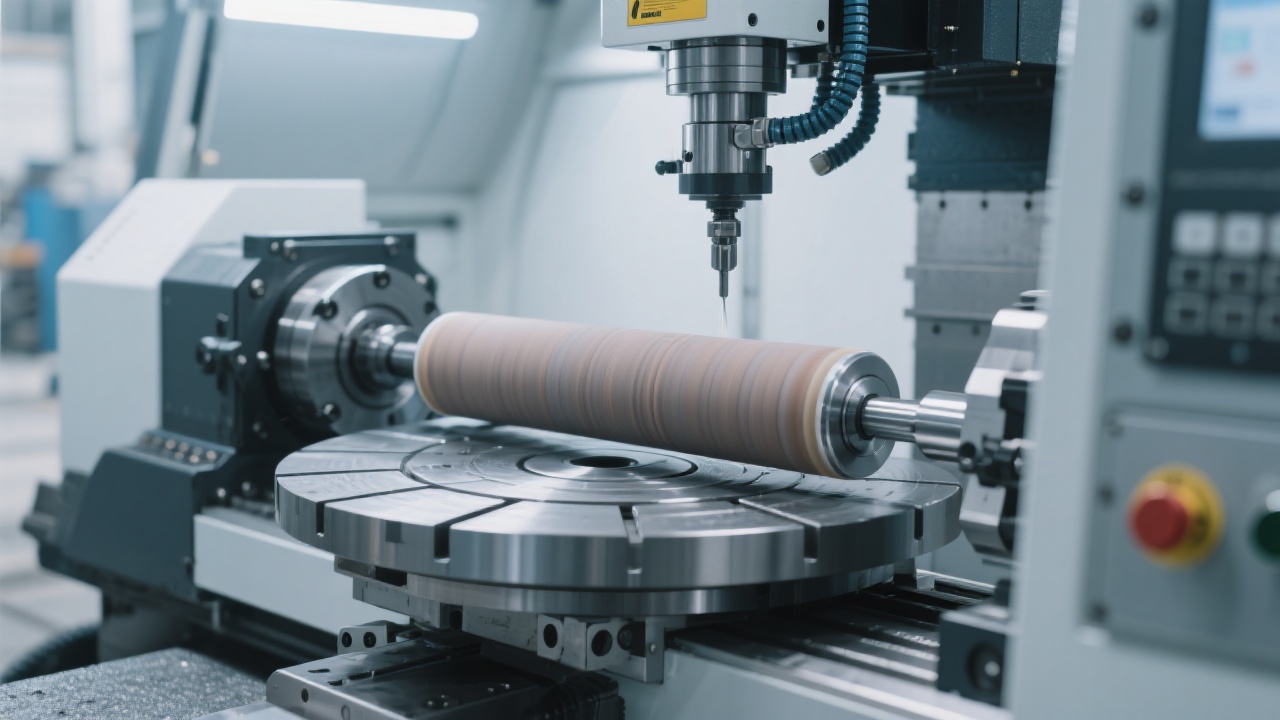
The introduction of CNC milling machines with a rotary table has brought about a revolutionary change. These machines offer five - axis linkage capabilities, which is a game - changer in the industry. With five - axis control, the cutting tool can approach the workpiece from multiple angles, allowing for more precise control of the cutting process. This not only improves the surface finish of the shoe mold but also enables the machining of complex geometries that were previously impossible or extremely difficult to achieve. For example, the surface roughness of the machined shoe mold can be reduced from Ra 3.2μm to Ra 0.8μm, significantly enhancing the overall quality of the product.
Leading shoe factories in Europe and the United States have been quick to adopt this new technology. By using CNC milling machines with a rotary table, they have been able to significantly shorten the mass - production cycle. For instance, a well - known shoe brand in Italy has reduced its shoe mold production cycle from 10 days to 7 days, a 30% reduction. Moreover, these machines have also reduced the dependence on manual labor. In the past, a team of 5 - 6 skilled workers was required to operate a traditional milling machine for a complex shoe mold project. Now, with the new CNC machines, only 2 - 3 workers are needed, thanks to the automation and precision of the equipment.
Let's take a look at some real - world case studies. A shoe mold manufacturer in the United States reported a 30% increase in processing efficiency after switching to a CNC milling machine with a rotary table. The machine was able to complete the same amount of work in 70% of the time it took the traditional machine. Additionally, when combined with digital design software, these machines offer a seamless workflow from design to manufacturing. The software can directly transfer the design data to the machine, eliminating the need for manual data entry and reducing the risk of errors.
| Metrics | Traditional Machine | CNC Machine with Rotary Table |
|---|---|---|
| Processing Time | 10 days | 7 days |
| Rework Rate | 20% | 5% |
| Surface Roughness | Ra 3.2μm | Ra 0.8μm |
It's important for shoe mold manufacturers to recognize that CNC milling machines with a rotary table are not just tools; they are strategic assets for enterprises to move towards smart factories. In today's highly competitive global market, staying ahead of the technological curve is crucial for survival and growth. By investing in this advanced technology, manufacturers can improve their product quality, increase production efficiency, and gain a competitive edge.
Are you ready to take your shoe mold manufacturing to the next level? Download our Shoe Mold CNC Machining White Paper to learn more about the latest technology trends and how you can implement them in your business.


 <#else>


