

Graphite machining—especially in high-precision CNC applications like the DC6060G—presents a unique challenge: airborne particulates that not only threaten operator health but also compromise tooling accuracy and machine longevity. According to industry data from the Occupational Safety and Health Administration (OSHA), exposure to fine graphite dust over 8 hours can exceed permissible limits in dry environments, leading to respiratory irritation and long-term lung damage. This is where wet washing systems step in—not as an add-on, but as a foundational upgrade.
The heart of any effective wet washing system lies in its spray nozzle configuration and pressure control. On the DC6060G, manufacturers integrate up to 12 strategically placed nozzles delivering water at 2.5–3.5 bar (approximately 36–51 psi), ensuring full coverage without overspray. Unlike traditional dry filters that trap particles and clog within 72 hours, this system uses continuous low-pressure misting to suppress dust at the source—reducing airborne concentration by up to 92% in real-world testing.
| Feature | Dry Filtration | Wet Washing System |
|---|---|---|
| Dust Capture Efficiency | ~75% | ~92% |
| Maintenance Interval | Every 3 days | Every 14 days |
| Energy Consumption | High (pumps + fans) | Low (gravity-assisted flow) |
In aerospace or medical-grade graphite components, even micron-level contamination can cause rejection during final inspection. A case study from a German Tier-1 supplier showed that switching from dry to wet washing reduced rework rates by 40% and extended tool life by 30%. The reason? Water doesn’t just collect dust—it binds it, making removal easier and more consistent than mechanical filtration alone.
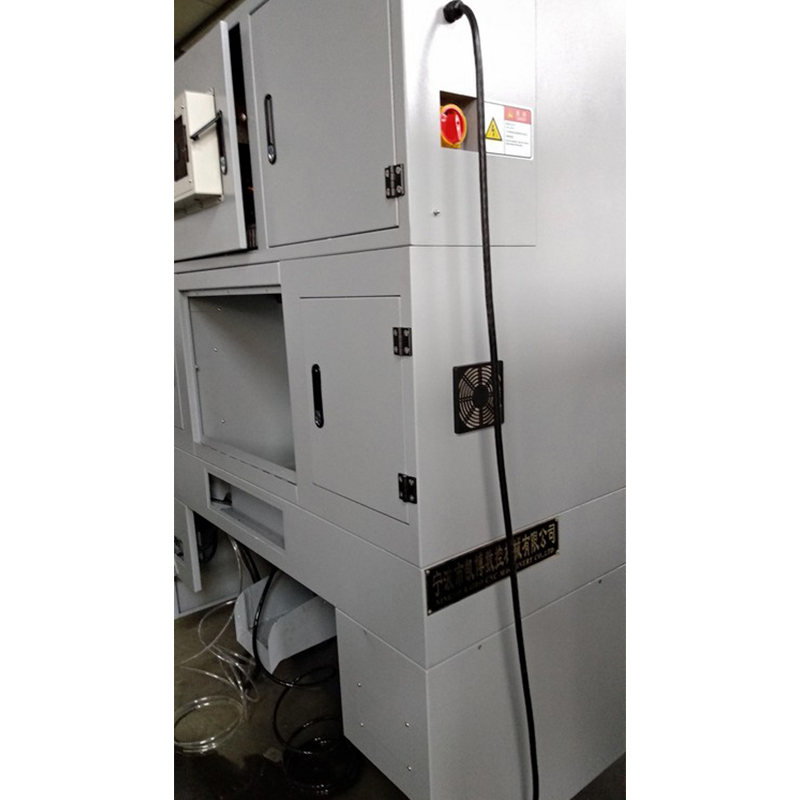
For technicians and plant managers, maintenance isn't optional—it's preventive engineering. Weekly checks of filter screens (typically replaced every 14 days) and monthly calibration of pressure regulators ensure optimal performance. When issues arise—such as inconsistent spray patterns—start with checking water flow rate (should be 1.5–2.0 L/min per nozzle) before inspecting pump integrity.
If your team operates in regions with strict environmental compliance standards—like EU REACH or California’s AB 2588—adopting wet washing isn’t just smart; it’s mandatory. And while it may require initial setup time, the return on investment in cleaner air, fewer defects, and lower downtime makes it one of the most overlooked yet powerful upgrades in modern graphite machining.
Ready to transform your shop floor? Explore how the DC6060G’s integrated wet washing system delivers measurable improvements in safety, efficiency, and compliance—without sacrificing precision.
See Real Results from Global Manufacturers


