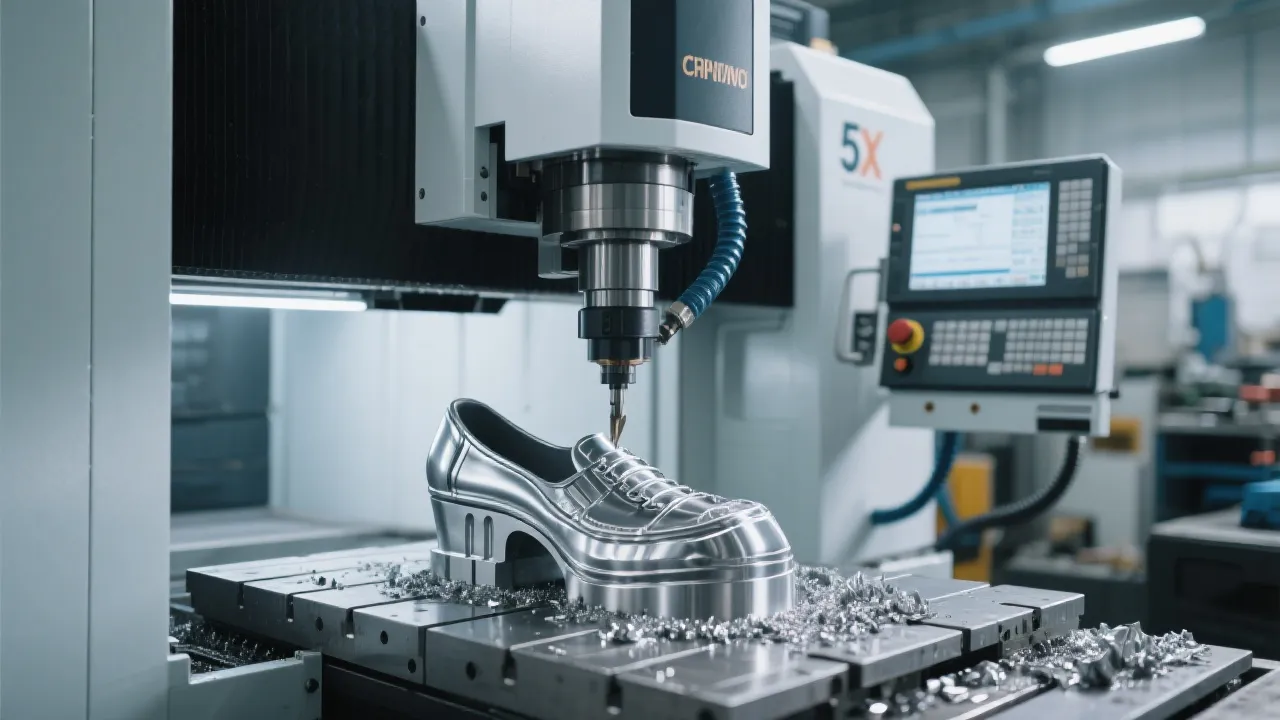
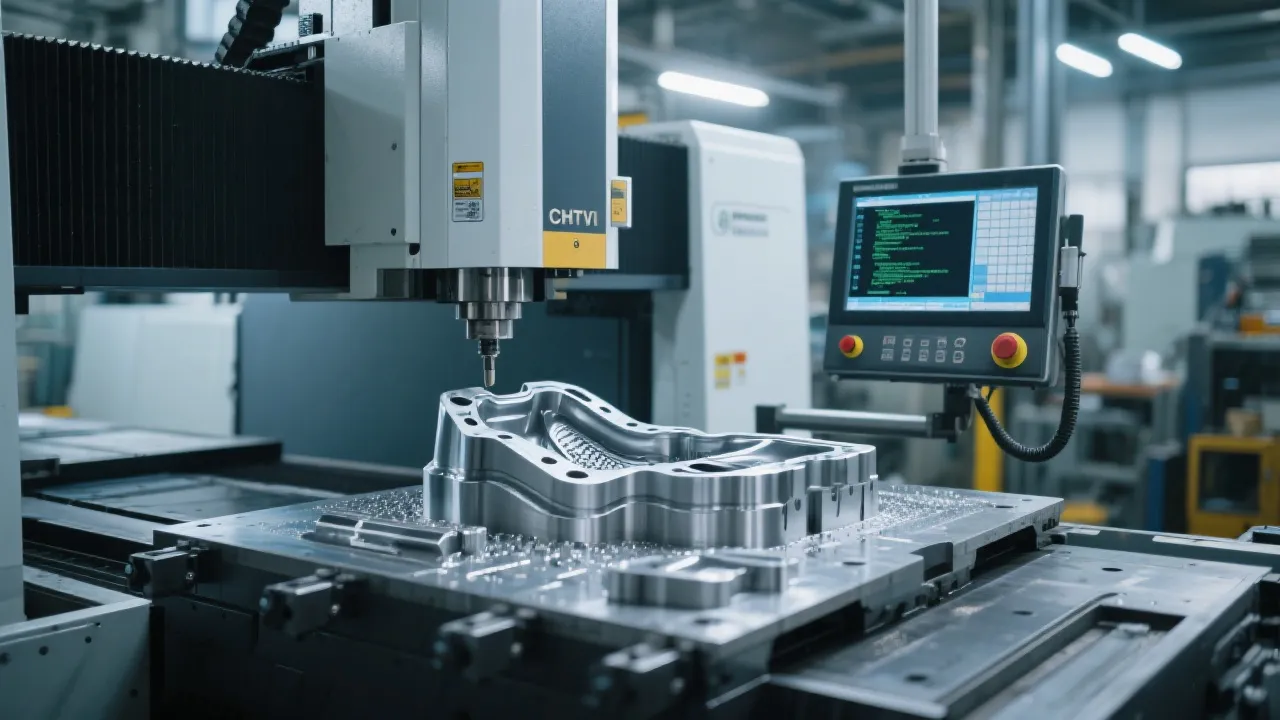
Graphite has become an indispensable material in modern manufacturing, valued for its exceptional thermal conductivity, electrical properties, and dimensional stability. However, machining this versatile material presents two significant challenges that have long plagued manufacturers worldwide: hazardous dust generation and excessive tool wear.
Industry studies show that graphite machining operations can generate respirable dust particles as small as 2-5 microns, posing serious health risks to operators and requiring expensive air filtration systems. Concurrently, tool life in dry graphite machining averages only 30-50% of typical metalworking applications, with some high-precision operations experiencing tool failure in as little as 30 minutes of continuous use.
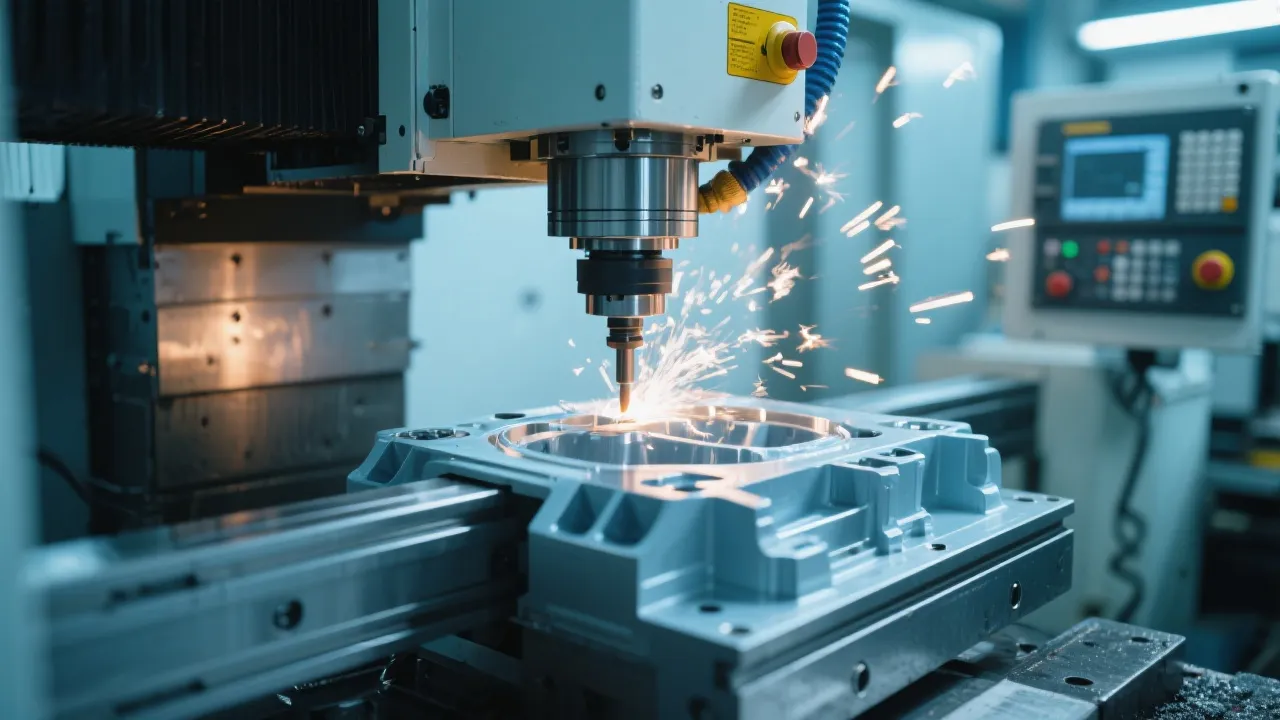
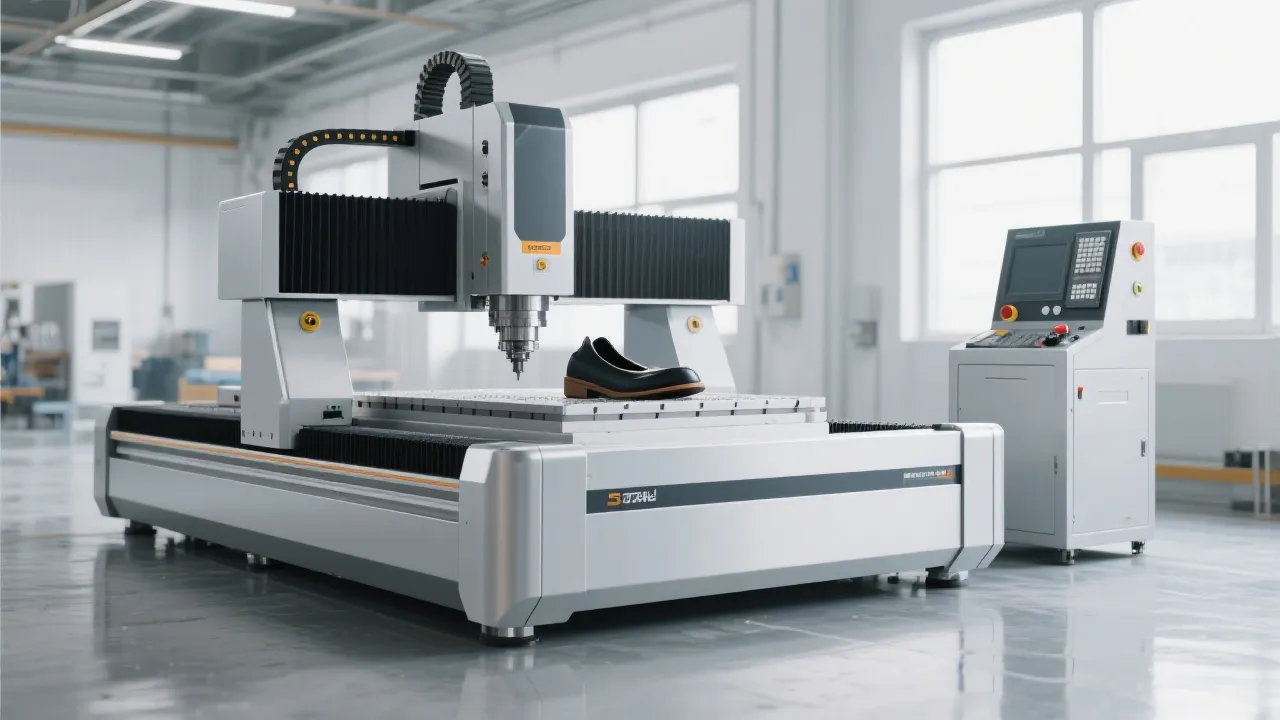
In response to these challenges, wet machining technology has emerged as a game-changing solution for graphite precision manufacturing. Unlike traditional dry machining methods, wet machining centers utilize a specialized coolant delivery system that addresses both dust contamination and tool wear simultaneously.
Wet machining works through three primary mechanisms: immediate dust suppression upon cutting, superior heat dissipation during machining, and lubrication of the cutting interface. This triple-action approach not only creates a safer work environment but also dramatically improves machining outcomes.
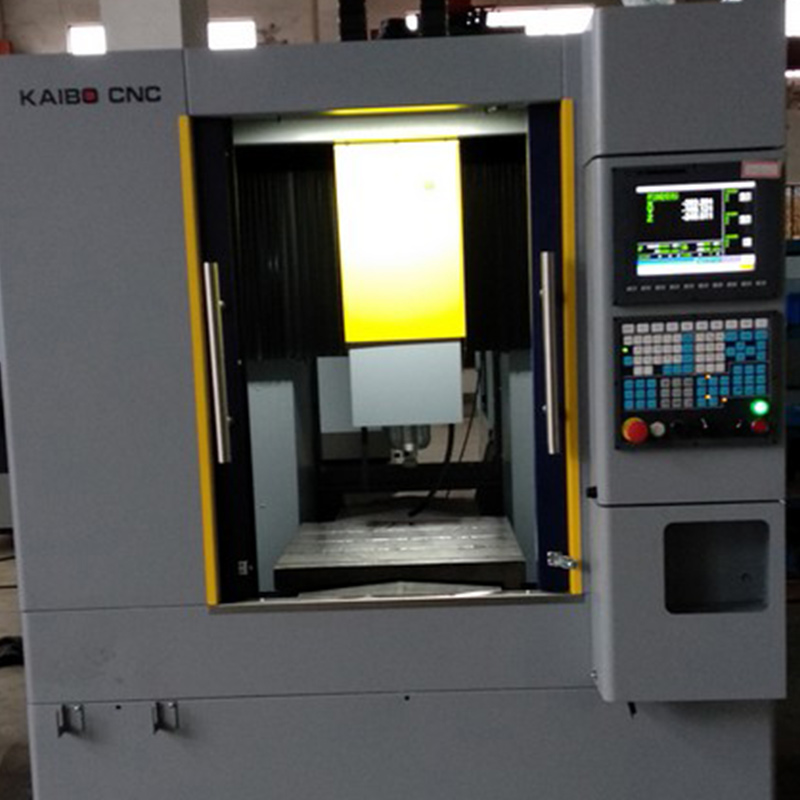
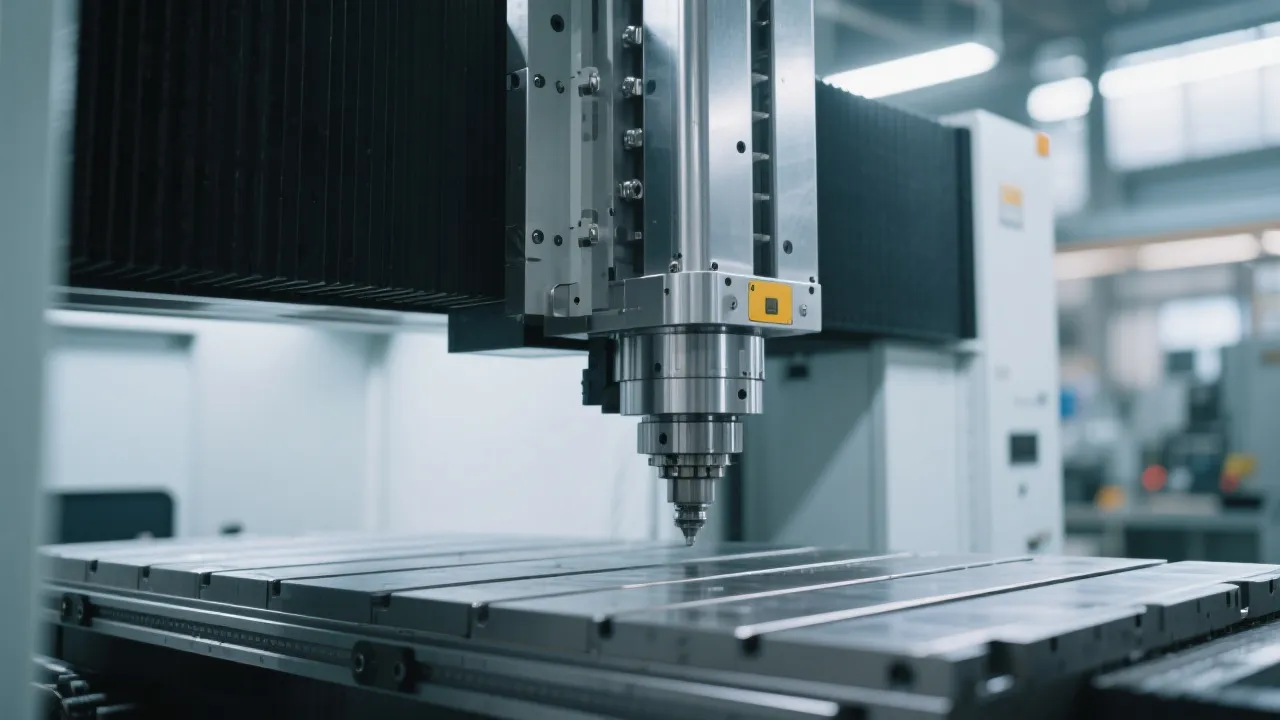
The effectiveness of wet machining centers hinges on their advanced coolant circulation systems. These systems are engineered to deliver precisely metered coolant volumes at optimal pressure and temperature, ensuring complete coverage of the cutting zone.
Modern systems typically feature multi-nozzle configurations that can be adjusted for different tool diameters and cutting strategies. This targeted delivery method ensures that coolant reaches the exact point of cut, maximizing dust suppression while minimizing coolant consumption.
Choosing the right coolant is critical for successful graphite machining. The decision between water-based emulsions and oil-based coolants depends on specific application requirements:
| Coolant Type | Dust Suppression | Tool Life Improvement | Best Applications |
|---|---|---|---|
| Water-Based Emulsions | Excellent (95-98% dust capture) | 50-80% improvement | High-volume production, general graphite components |
| Oil-Based Coolants | Very Good (90-95% dust capture) | 80-120% improvement | High-precision components, complex geometries |
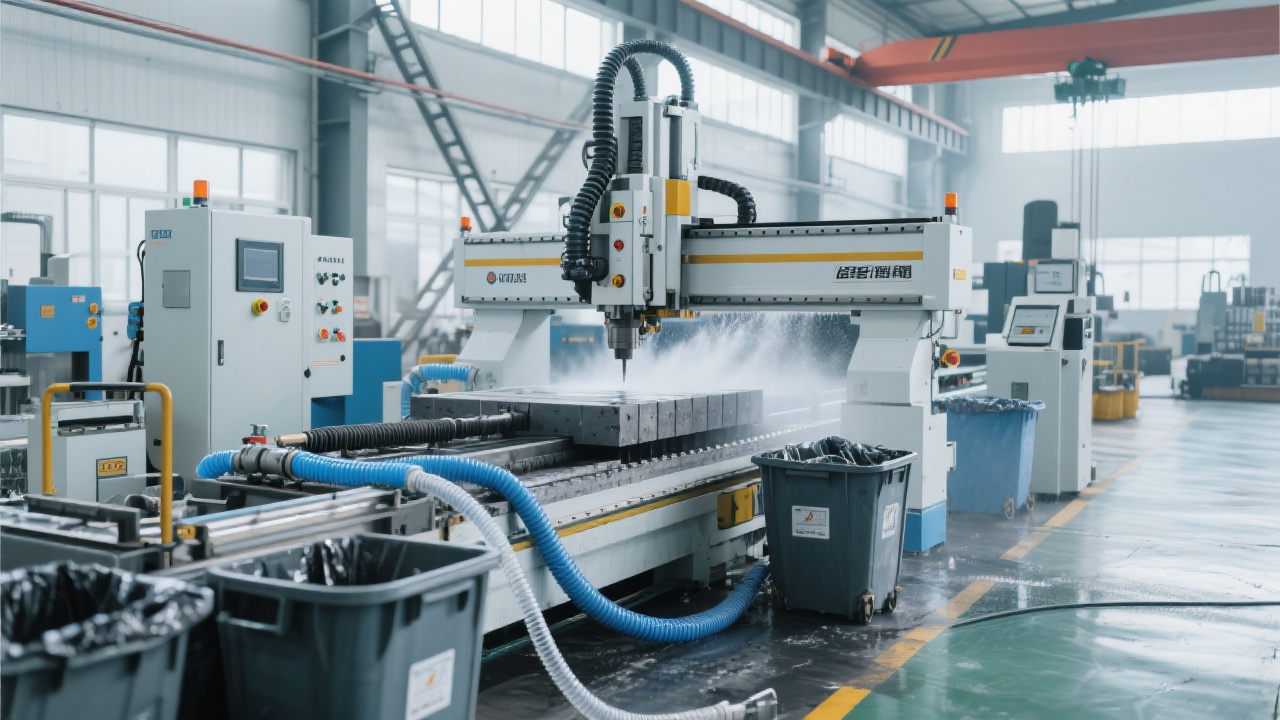
Achieving optimal results with wet machining centers requires careful calibration of key process parameters. Based on extensive testing and real-world applications, the following settings have proven most effective for graphite machining:
A leading aerospace component manufacturer recently transitioned to 凯博数控 wet machining centers for their graphite electrode production. The results were striking:
When transitioning to wet machining for graphite applications, manufacturers should consider several key factors to ensure successful implementation:
Coolant filtration systems must be properly sized to handle graphite particles, which can quickly clog standard filters. Investing in a dedicated graphite filtration system with automatic backwashing capabilities is highly recommended.
Machine tool protection is another critical consideration. Graphite coolant mixtures can be corrosive, so ensuring proper seals, coatings, and regular maintenance schedules will maximize equipment lifespan.
Operator training should not be overlooked. While wet machining is not fundamentally different from dry machining, the nuances of coolant management, parameter optimization, and maintenance procedures require specific knowledge and skills development.
Ready to reduce tooling costs, improve workplace safety, and enhance production efficiency?
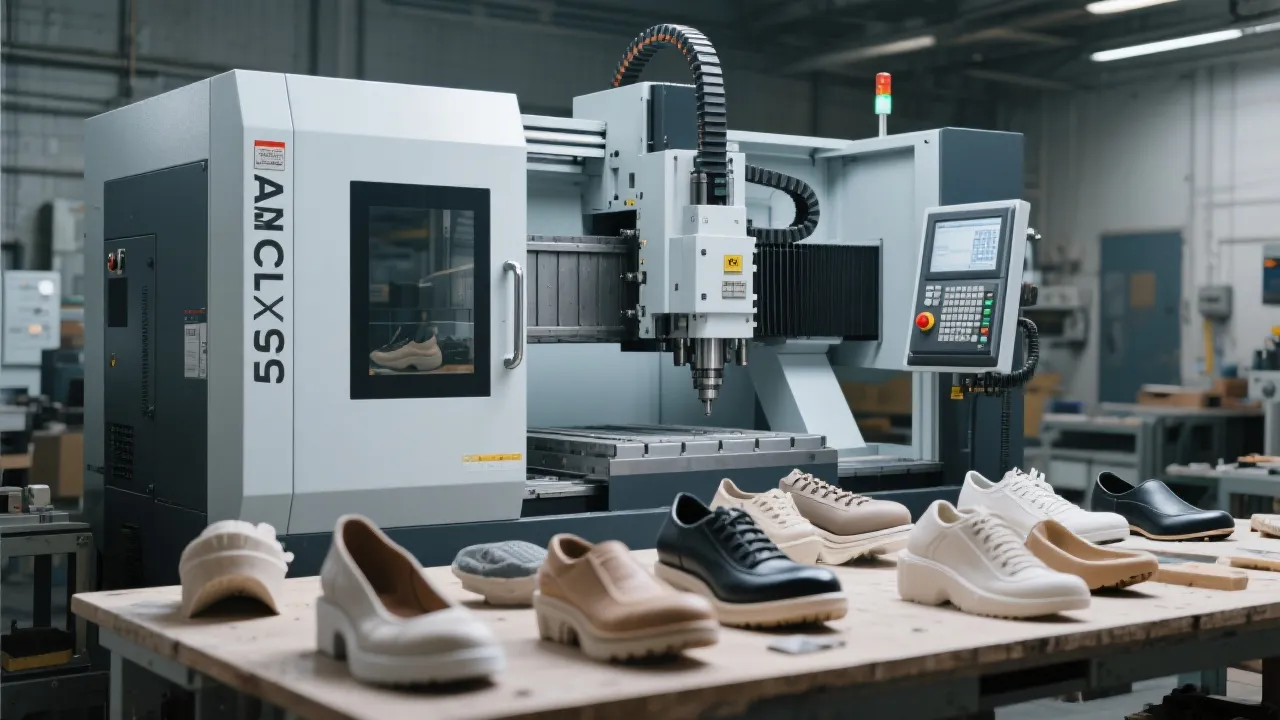
Discover凯博数控 Wet Machining SolutionsAs manufacturers continue to push the boundaries of precision and efficiency, wet machining technology stands out as a proven solution for graphite processing challenges. By addressing both dust contamination and tool wear simultaneously, these advanced systems deliver tangible benefits to bottom-line performance while creating safer working environments.
The transition to wet machining represents not just a technological upgrade, but a strategic investment in operational excellence. With proper implementation and parameter optimization, manufacturers can achieve previously unattainable levels of productivity, quality, and cost-effectiveness in their graphite machining operations.