

Wet flushing systems are crucial for ensuring the long - term stable operation of graphite processing equipment. In high - frequency graphite processing scenarios, these systems play an irreplaceable role. This article will delve into the principles, structural features, and practical values of wet flushing systems, using the DC6060G wet - flushing graphite machining center as an example.
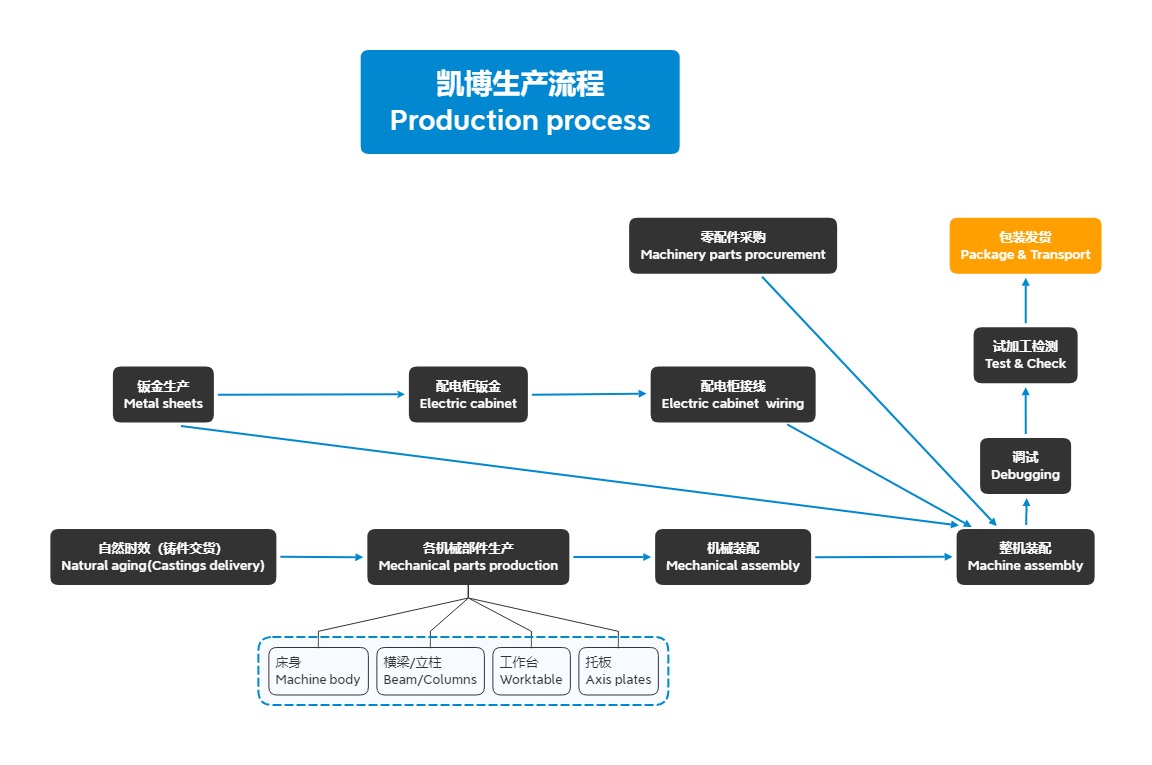
The nozzle layout in a wet flushing system is carefully designed. Usually, nozzles are evenly distributed around the machining area. For example, in the DC6060G, there are approximately 10 - 12 nozzles strategically placed. This layout ensures that the water spray can cover the entire graphite machining area, effectively capturing dust particles generated during the processing.
Proper water pressure is essential for dust removal. The wet flushing system in the DC6060G has a precise water pressure regulation mechanism. The water pressure can be adjusted between 2 - 5 bar according to different processing requirements. Higher pressure is used for more intense machining operations, while lower pressure is suitable for fine - tuning processes.
The water used in the wet flushing system is recycled. After capturing dust, the water flows into a filtration unit. Here, a multi - stage filtration process is carried out. First, a coarse filter removes large debris, and then a fine filter captures smaller dust particles. Approximately 90% of the dust can be removed through this filtration process, and the clean water is then recirculated back into the system.
| Aspect | Dry Dust Collection | Wet Flushing |
|---|---|---|
| Dust Capture Rate | Around 70 - 80% | Over 90% |
| Equipment Wear | Higher due to dust abrasion | Lower as dust is captured by water |
| Operational Safety | Risk of dust explosion | Safer as water suppresses dust |
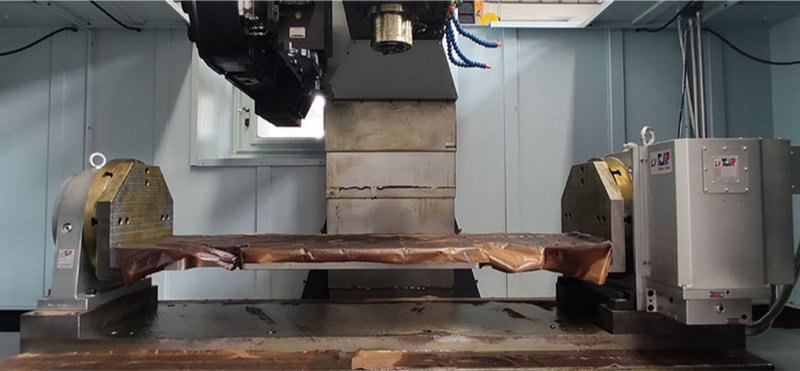
The DC6060G features a unique sealing cover + wet flushing integrated solution. The sealing cover prevents dust from escaping the machining area, and the wet flushing system inside further captures and removes dust. This integrated design not only improves dust removal efficiency but also reduces the impact of dust on the surrounding environment. It is a significant technological advancement in the field of graphite processing.
Regular maintenance is essential for the wet flushing system. A daily maintenance list should include checking the water level in the tank, inspecting the nozzles for blockages, and ensuring the proper operation of the water pump. This simple routine can significantly reduce equipment maintenance costs.
Common faults in the wet flushing system include uneven spraying, blockages, and abnormal water pump operation. For uneven spraying, check the nozzle alignment and water pressure. If there is a blockage, clean the nozzles or the filtration unit. In case of abnormal water pump operation, check the power supply and the pump's internal components.
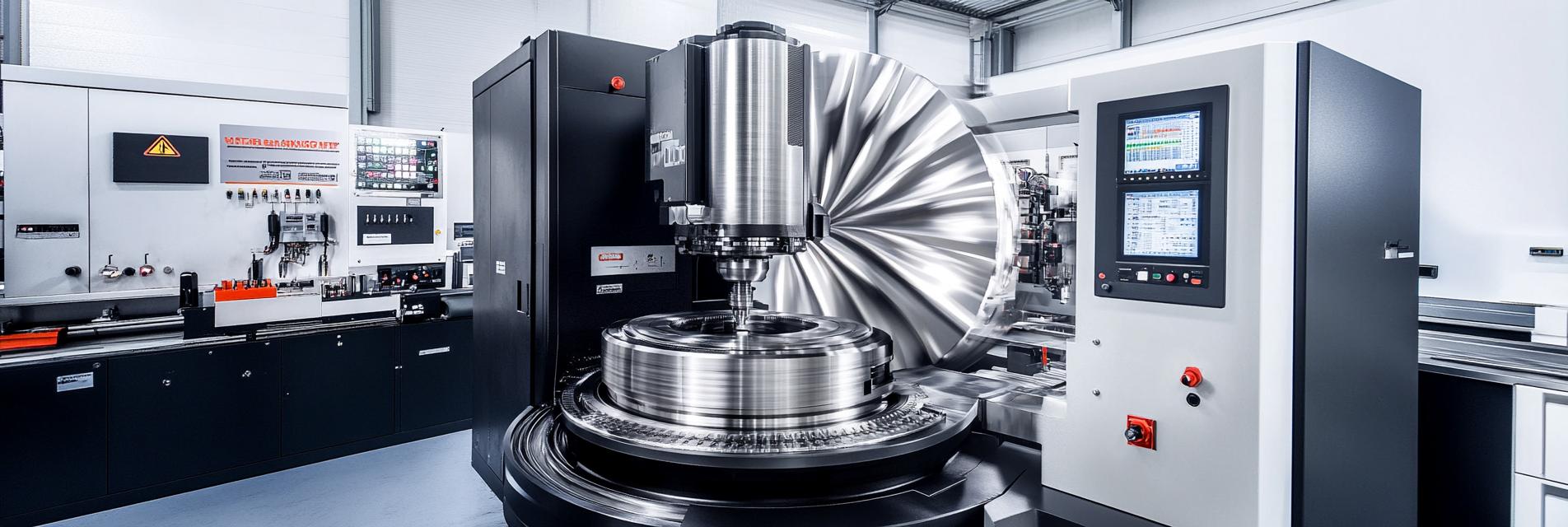
Regular maintenance of the wet flushing system can extend the machine tool's lifespan and reduce downtime losses. By following the maintenance guidelines and troubleshooting steps provided in this article, users can make more informed decisions about their equipment operation. If you want to learn more about optimizing your graphite processing equipment with a reliable wet flushing system, click here to explore further.


