

In precision graphite machining, airborne dust isn’t just a nuisance—it’s a serious health and operational risk. According to OSHA, prolonged exposure to fine particulate matter like graphite dust can lead to respiratory issues, reduced machine accuracy, and even long-term lung damage in workers. Traditional dry dust collection systems often fall short under high-speed CNC operations, especially when dealing with brittle materials that generate sub-micron particles.
Dry systems rely on filters and cyclones to capture airborne particles. While effective for larger debris, they struggle with graphite fines—particles smaller than 5 microns—that easily penetrate standard filtration media. A 2022 study by the International Journal of Occupational Hygiene found that dry systems only capture about 68% of total particulate emissions during intensive milling, leaving up to 32% uncontrolled in the workspace.
| System Type | Capture Rate (Avg.) | Maintenance Frequency | Ideal For |
|---|---|---|---|
| Dry Dust Collector | ~68% | Weekly | General machining |
| Wet Cleaning System | ~95–98% | Bi-weekly | High-precision graphite work |
Unlike dry systems, wet cleaning uses controlled water jets to suppress dust at the source—right where it’s generated. The system typically includes adjustable nozzles, pressure regulators (usually set between 3–5 bar), and a closed-loop filtration unit that recycles clean water back into the process. This approach minimizes both environmental contamination and equipment wear caused by abrasive particles settling on bearings or spindles.
One German aerospace manufacturer reported a 40% reduction in tool wear after switching from dry to wet systems in their graphite electrode production line—a direct result of fewer airborne contaminants entering sensitive CNC environments.
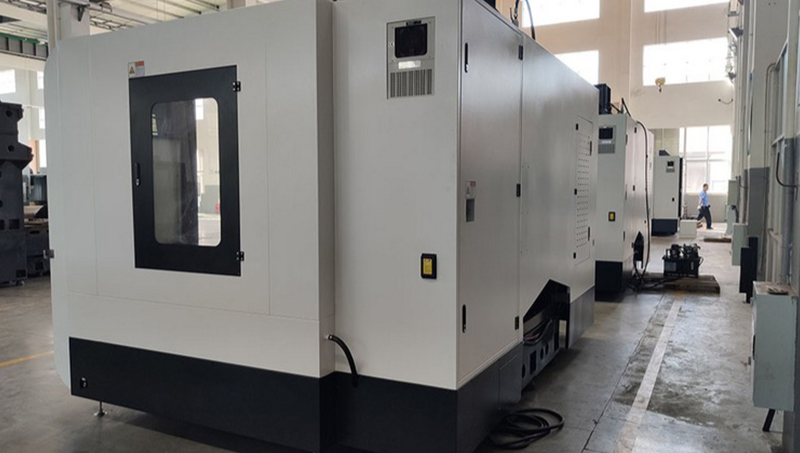
To maximize uptime, operators should monitor water flow consistency, inspect nozzle clogs weekly, and replace filter cartridges every two weeks. Most importantly, always check pH levels in recycled water—ideally between 6.5 and 7.5—to prevent corrosion in stainless steel components.
When implemented correctly, wet cleaning systems don't just improve air quality—they boost productivity. In one case, a U.S.-based carbon fiber component maker saw a 15% increase in daily output due to fewer interruptions from dust-related errors and cleaner workspaces.
Ready to upgrade your graphite machining safety? Explore how our industrial-grade wet cleaning solutions integrate seamlessly with existing CNC setups—without disrupting production schedules.
See How It Works →


