
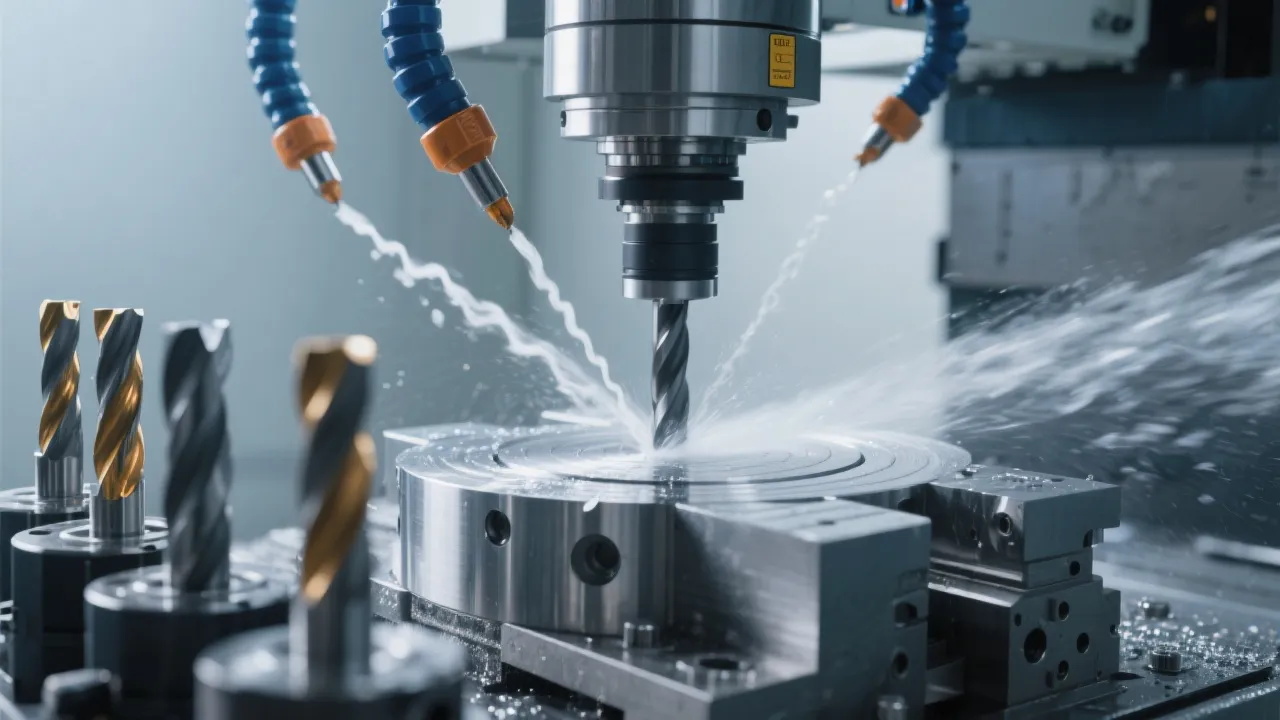
Graphite machining presents several challenges, such as rough surfaces, chipping, and burrs. These issues not only affect the quality of the finished products but also increase the production cost and time. In this article, we will delve into the causes of these problems and explore effective solutions, with a focus on the key role of the wet flushing system and the advantages of the fully-sealed design in graphite machining.
In graphite milling, surface roughness, chipping, and burrs are common problems. The main causes include inappropriate tool selection, incorrect cutting parameters, and the presence of graphite dust. Graphite is a brittle material, and during the machining process, the cutting force can easily cause chipping and burrs on the surface. Moreover, the high cutting heat generated during machining can lead to thermal deformation of the workpiece, further affecting the surface quality.
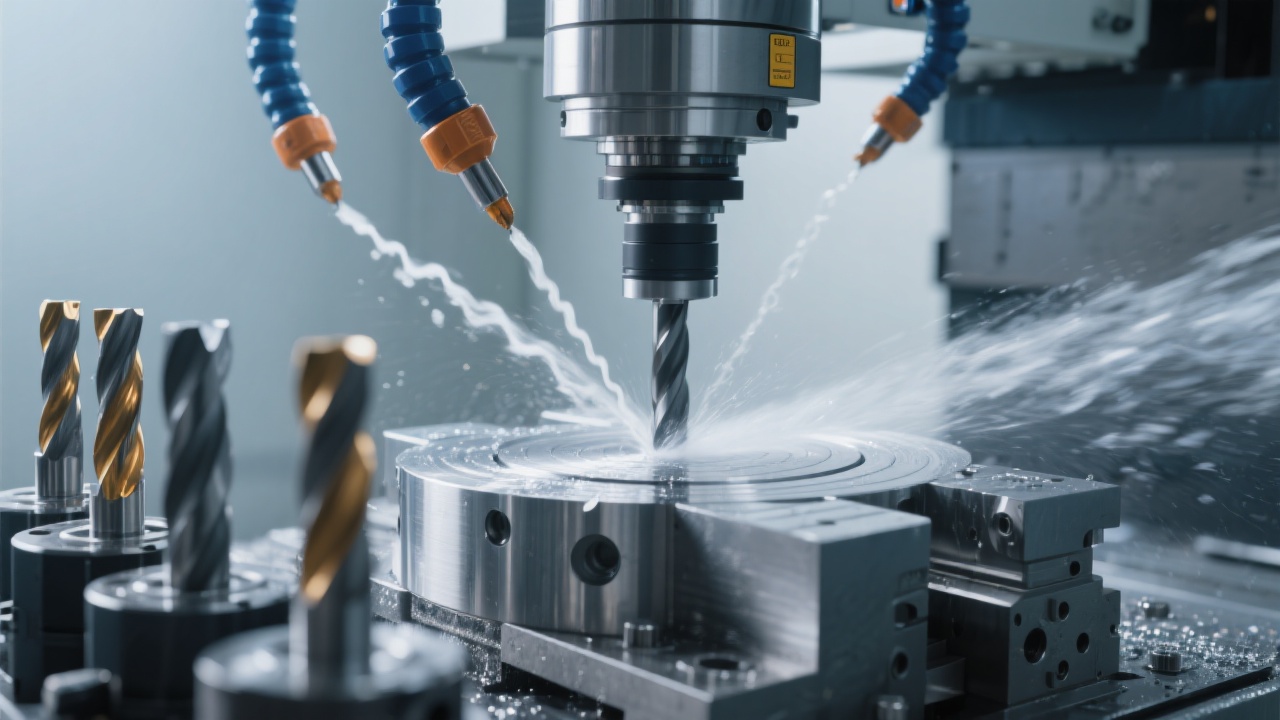
Tool material plays a crucial role in graphite machining. Among them, PCD (Polycrystalline Diamond) tools have significant advantages. PCD tools have high hardness, wear resistance, and heat resistance, which can effectively reduce tool wear and improve the machining efficiency. In addition, reasonable cutting parameter settings, such as cutting speed, feed rate, and depth of cut, are also essential for improving the machining effect. By optimizing these parameters, the cutting force can be reduced, and the surface quality of the workpiece can be improved.
| Tool Material | Cutting Speed (m/min) | Feed Rate (mm/r) | Depth of Cut (mm) |
|---|---|---|---|
| PCD | 200 - 300 | 0.05 - 0.1 | 0.2 - 0.5 |
The wet flushing system is a key component in graphite machining. Its design principle is to use a liquid medium to flush the cutting area, which can effectively reduce the cutting heat and remove graphite dust. By reducing the cutting heat, the thermal deformation of the workpiece can be minimized, and the surface quality can be improved. At the same time, the removal of graphite dust can prevent it from adhering to the tool and the workpiece, reducing tool wear and improving the machining accuracy.
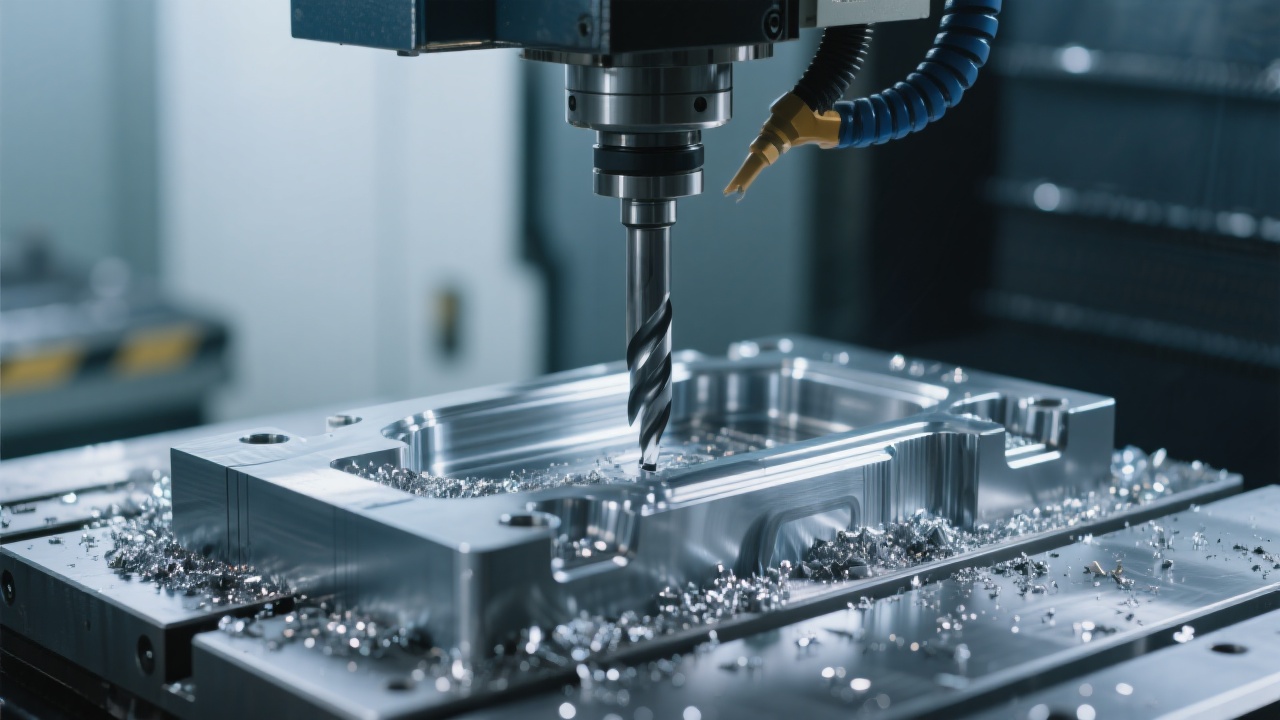
The fully - sealed design of the machining center is another important measure to protect the machine tool. Graphite dust is very fine and can easily penetrate into the machine tool components and electronic elements, causing pollution and damage. The fully - sealed cover design can effectively prevent graphite dust from entering the machine tool, protecting the machine tool components and electronic elements from pollution and damage, and ensuring the long - term stable operation of the machine tool.
To help engineers in the new energy battery and mold manufacturing fields improve the machining yield and stability, we provide practical suggestions and typical process parameter tables. By following these suggestions and optimizing the process parameters, the machining process can be optimized, and the consistency of the machining results can be improved. For example, in the cooling process, the flow rate and temperature of the coolant can be adjusted according to the specific machining requirements to ensure the best cooling effect.
1. Regularly check the condition of the tool and replace it in time when it is worn.
2. Clean the wet flushing system regularly to ensure its normal operation.
3. Adjust the cutting parameters according to the actual machining situation.
In conclusion, the wet flushing system and the fully - sealed design play a crucial role in graphite machining. They can effectively improve the reliability of the equipment and the machining efficiency, and enhance the quality of the graphite machining process. If you want to learn more about these technologies and products, click here to get detailed information.


