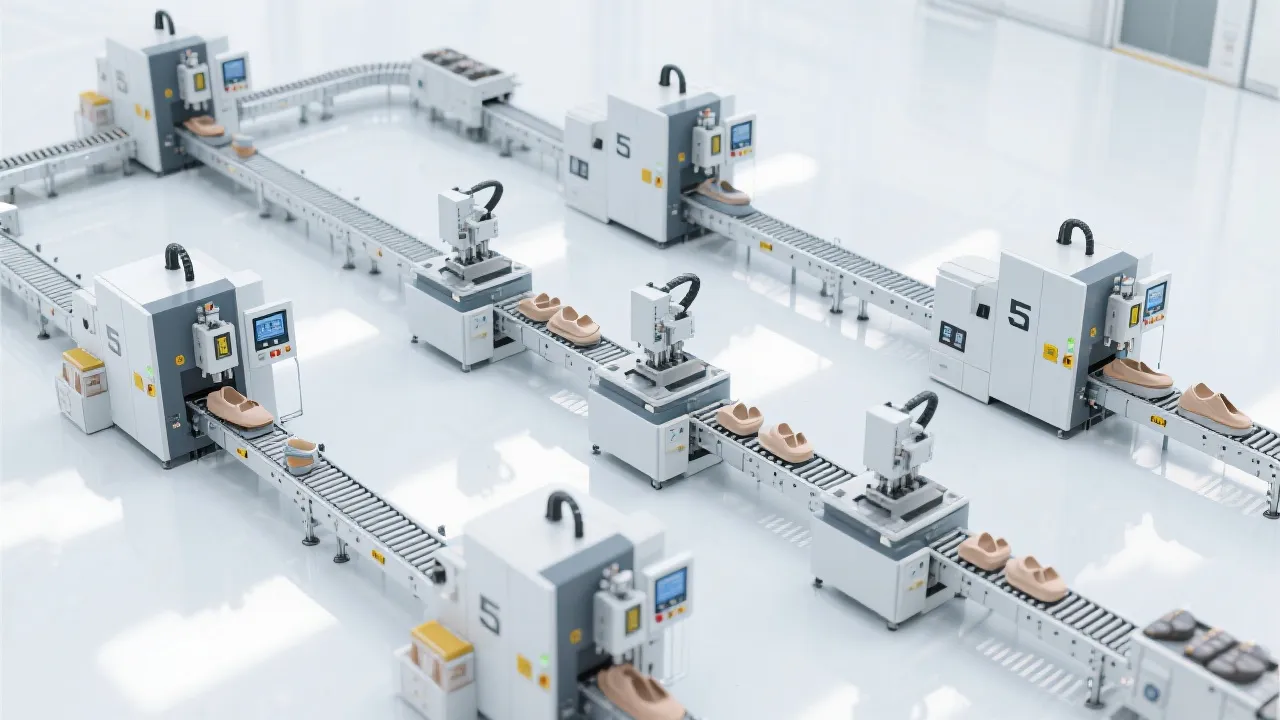
In an era where precision and throughput define competitive advantage, shoe mold manufacturers are turning to five-axis CNC machining as a strategic leap toward automation. At the heart of this transformation lies the Syntec high-speed controller, which not only enhances accuracy but also unlocks consistent production rhythms—critical for meeting rising global demand.
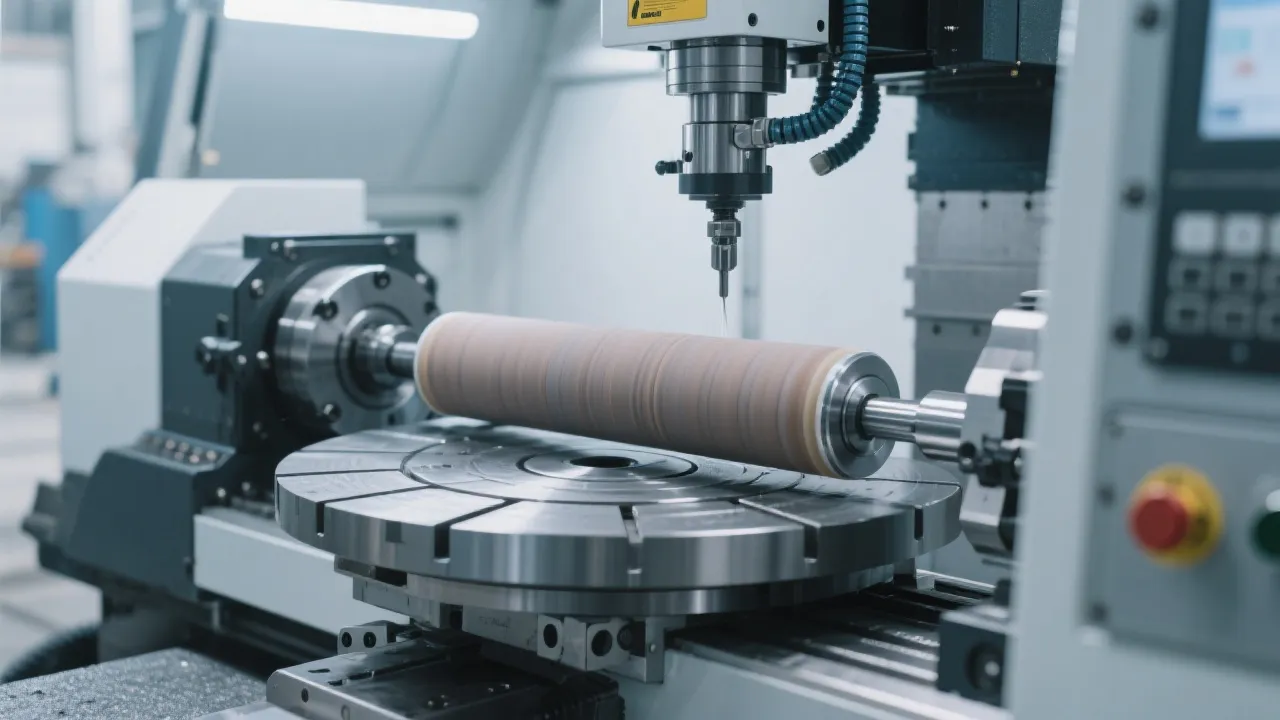
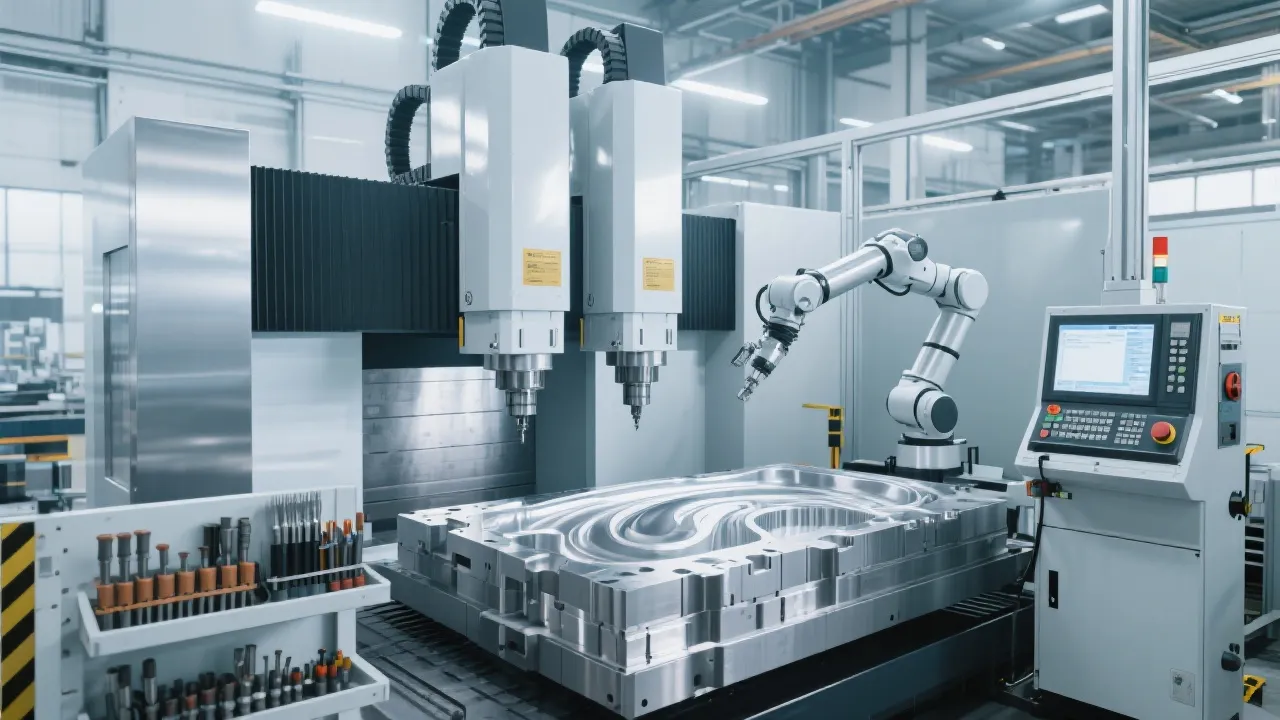
Unlike traditional three-axis systems that require multiple setups for complex geometries, five-axis machines use rotating tables or heads to position the tool at optimal angles. This reduces setup time by up to 40% (based on industry benchmarks from ISO 13041-1) and minimizes human error during part repositioning. For shoe molds with intricate curves—like heel contours or midsole cavities—the ability to machine in one go ensures tighter tolerances (±0.02 mm vs ±0.05 mm on three-axis).
“In our trials, switching from 3-axis to 5-axis reduced total cycle time per mold by 32%, while improving surface finish from Ra 3.2 μm to Ra 1.6 μm.” — Dr. Lena Zhang, Lead Process Engineer, Guangzhou Shoe Tech Co.
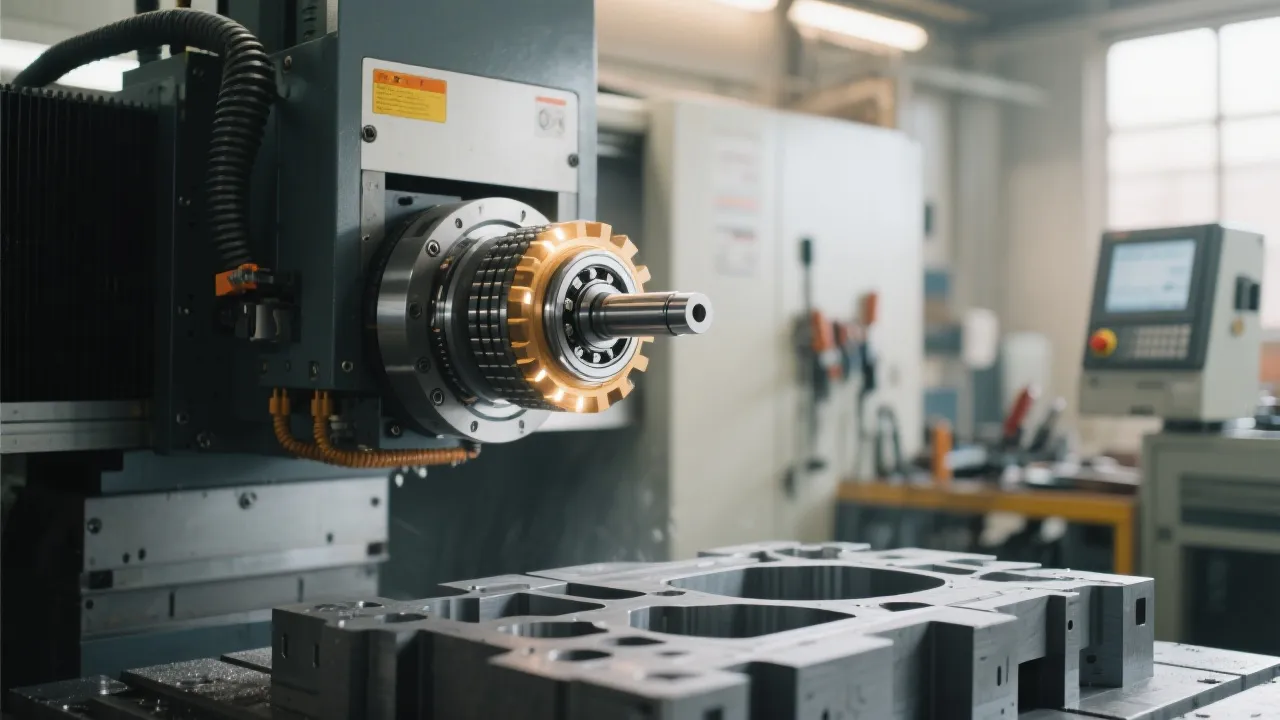
The integration of a rigid frame design with high-torque electric spindles (up to 12,000 RPM) allows for smoother cutting forces. This directly impacts both surface quality and tool life—reducing blade wear by up to 25% compared to standard spindle configurations. In real-world applications across Asia and Europe, users report fewer tool changes per shift, translating into higher uptime and lower operational costs.
Consider the case of a premium athletic shoe brand producing custom orthopedic lasts. With Syntec’s advanced path planning algorithms, even non-uniform profiles like asymmetrical toe boxes can be machined without manual intervention. Data shows a 20% improvement in first-pass yield rate when using Syntec’s adaptive feed control over conventional controllers—especially crucial for low-volume, high-value orders.
What truly elevates the system is how well the Syntec controller integrates with MES and PLC platforms. Its ultra-fast response time (< 0.5 ms latency) enables seamless communication between CNC and automated loading/unloading stations. A recent pilot at a German footwear OEM saw a 35% increase in unattended production hours after implementing Syntec’s open API architecture—proving its value beyond just machining power.
Key Takeaway: It’s not just about more axes—it’s about smarter control. Syntec doesn’t just run the machine; it orchestrates the entire workflow.
Get the Full Technical Whitepaper – Unlock More Five-Axis Case Studies