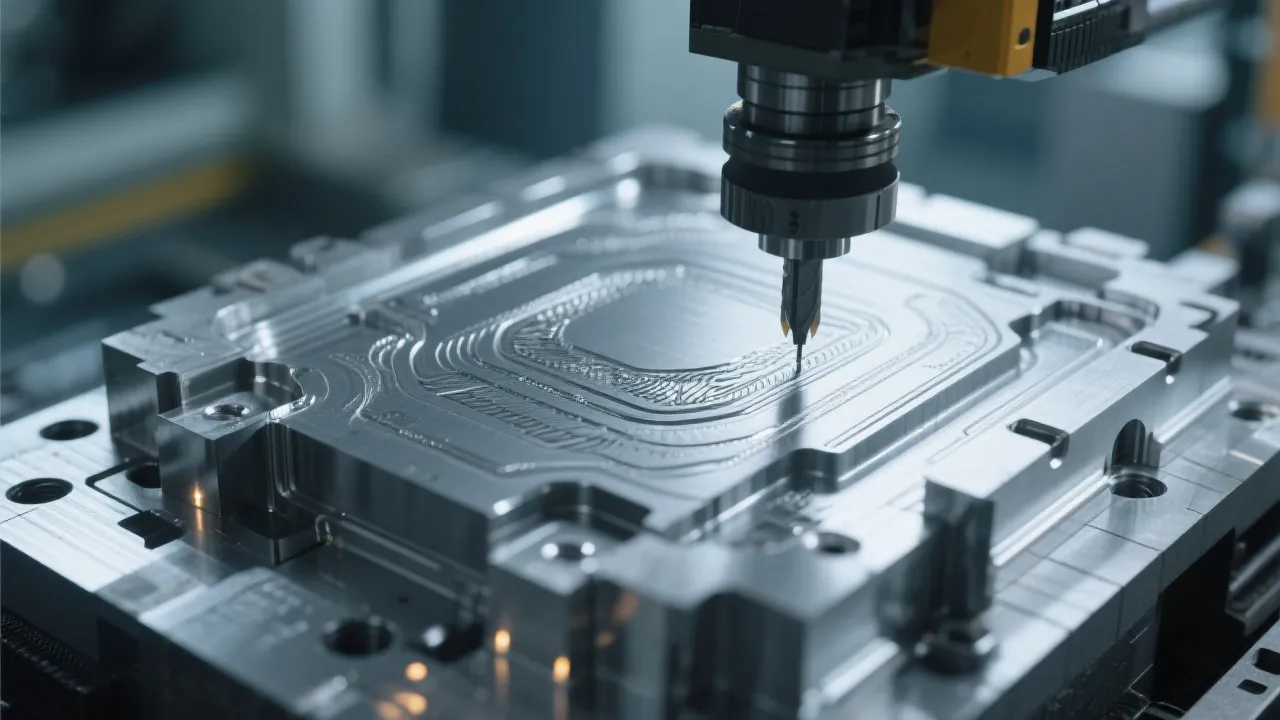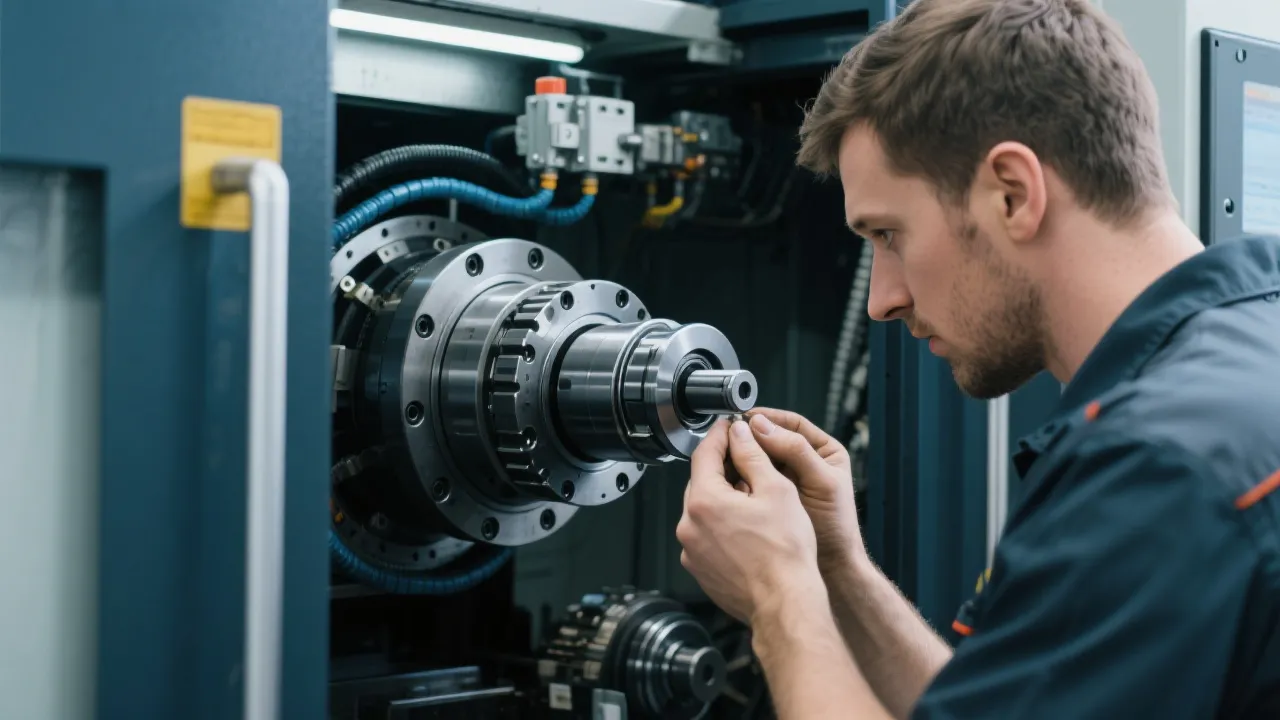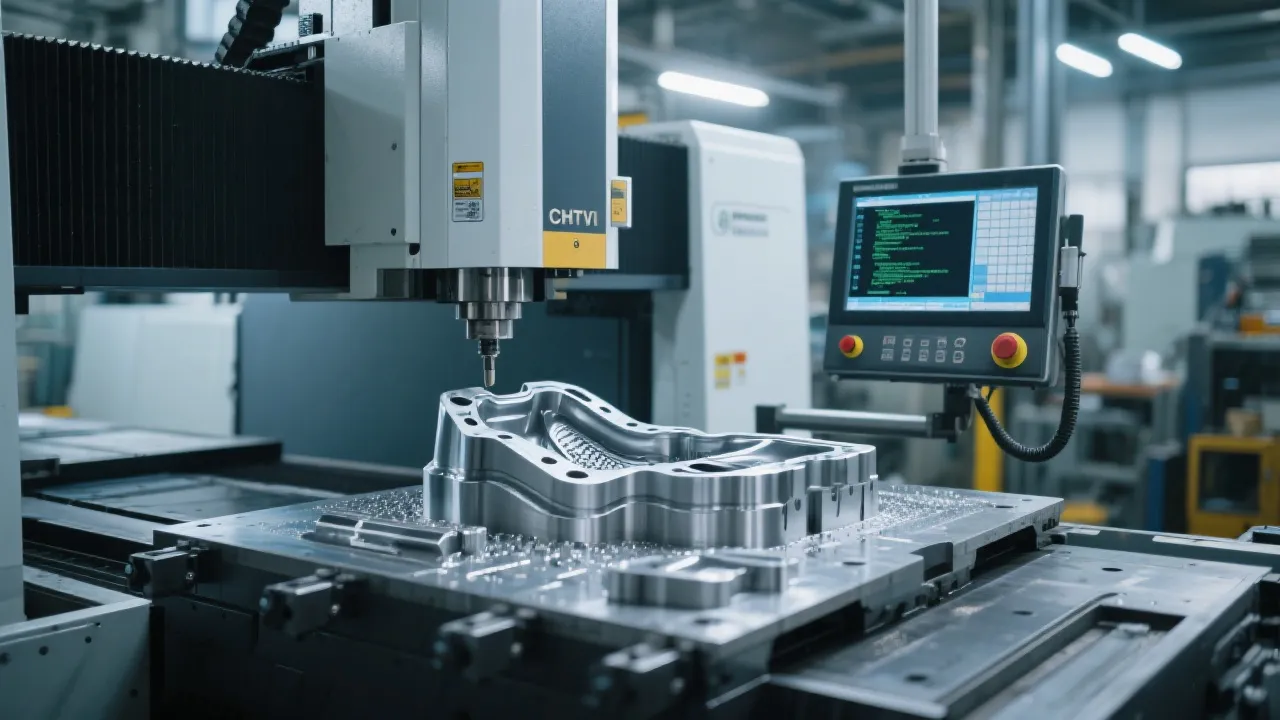
Mastering the precision machining of shoe molds, especially with advanced five-axis CNC machines like the DC6070, hinges upon optimizing critical processing parameters. This article explores effective techniques for selecting the appropriate cutting tools and adjusting cutting speeds according to various shoe types, thereby enhancing mold production efficiency and surface quality.
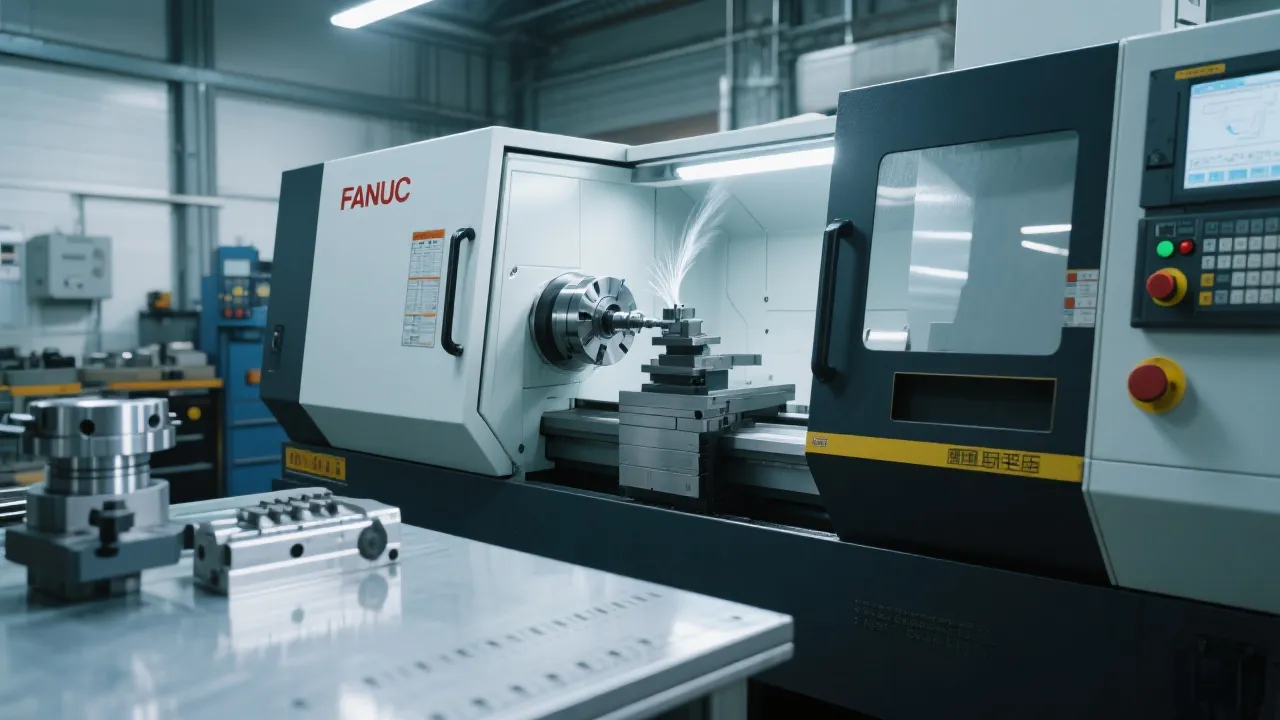
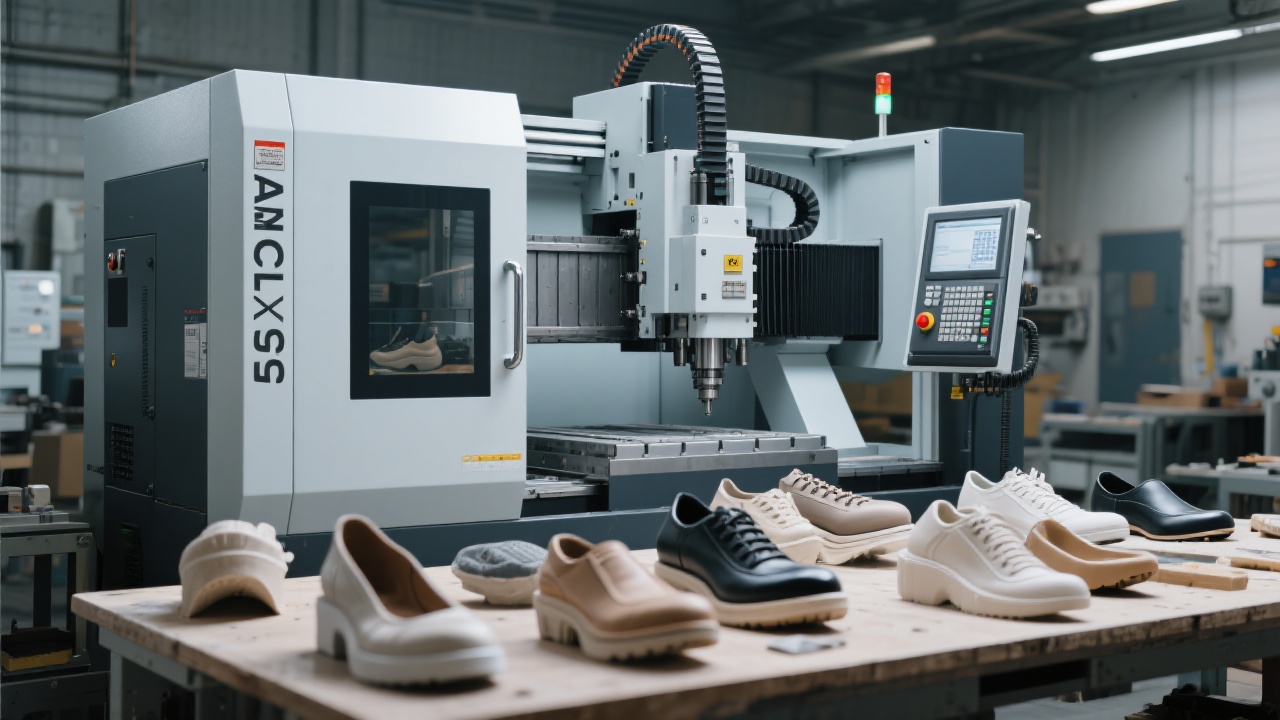
The DC6070 distinguishes itself with a robust five-axis architecture featuring a high-torque spindle motor and a precision rotating worktable. These components facilitate complex surface contouring essential for replicating distinct shoe last profiles with high accuracy. The rotating worktable allows multi-directional access, eliminating the need for repositioning, significantly reducing setup time by up to 30%, and improving overall machining consistency.
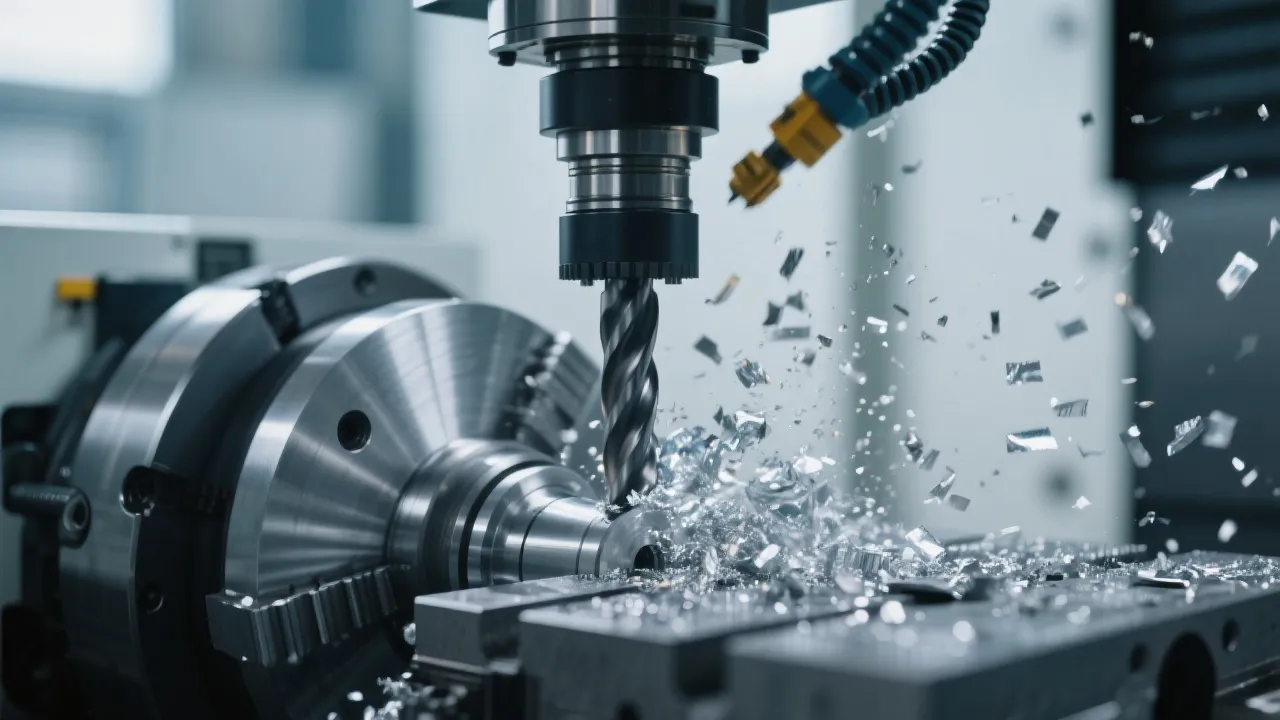
Tailoring the machining process begins with selecting the right cutting tools based on shoe last geometry. For high-heel lasts with sharp curves and narrow features, small-diameter, high-rigidity carbide end mills (typically 3-6mm) are recommended to maintain precision without chatter. In contrast, flat-soled shoe lasts can be processed efficiently with larger ball-nose cutters ranging from 8 to 12mm, which allow faster material removal and smoother finishes.
Cutting speed profoundly impacts surface quality and tool wear. For hardwood or dense plastisol last materials, a spindle speed between 12,000–16,000 RPM coupled with feed rates of 600–800 mm/min balances efficiency and tool longevity. When machining softer PU materials, speeds may be increased by 10–15% to shorten cycle time without compromising surface integrity.
Employing adaptive feed mechanisms available on Syntec control interfaces further refines these parameters in real time, dynamically slowing down in tighter curves and accelerating along straight paths. Such strategies have been shown to improve cycle times by 20-25% on average while maintaining dimensional tolerances within ±0.05 mm.
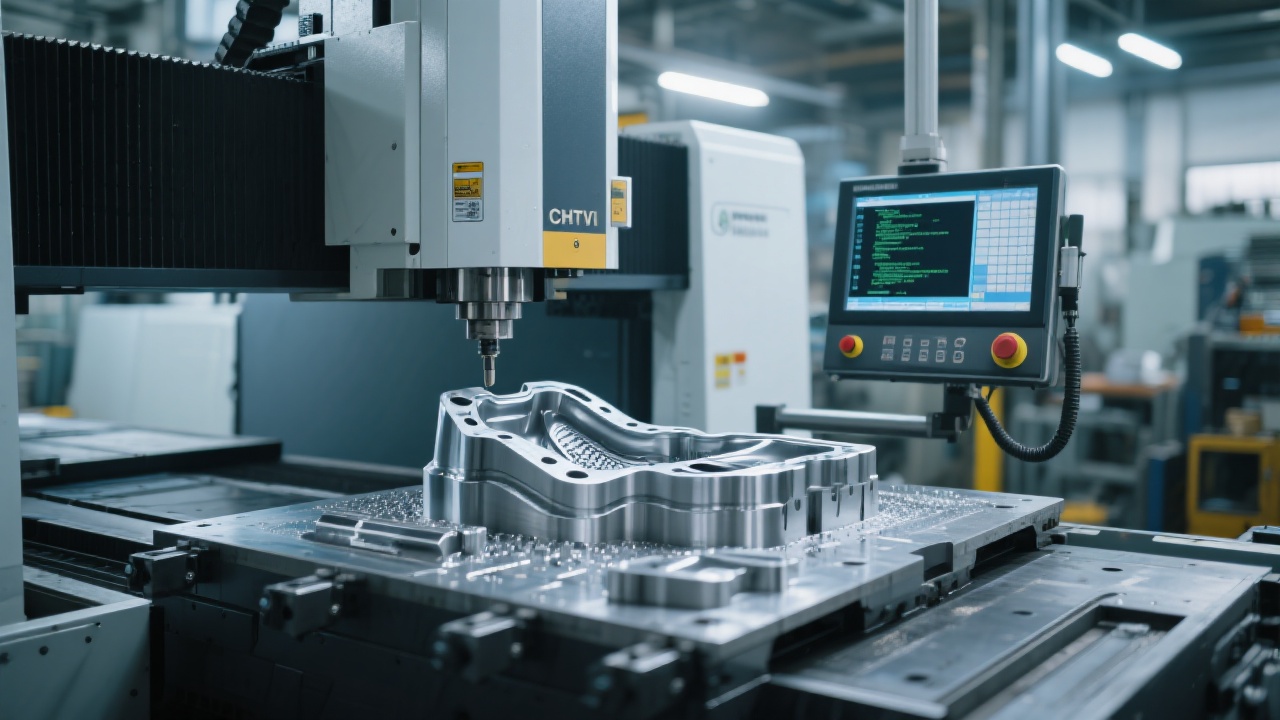
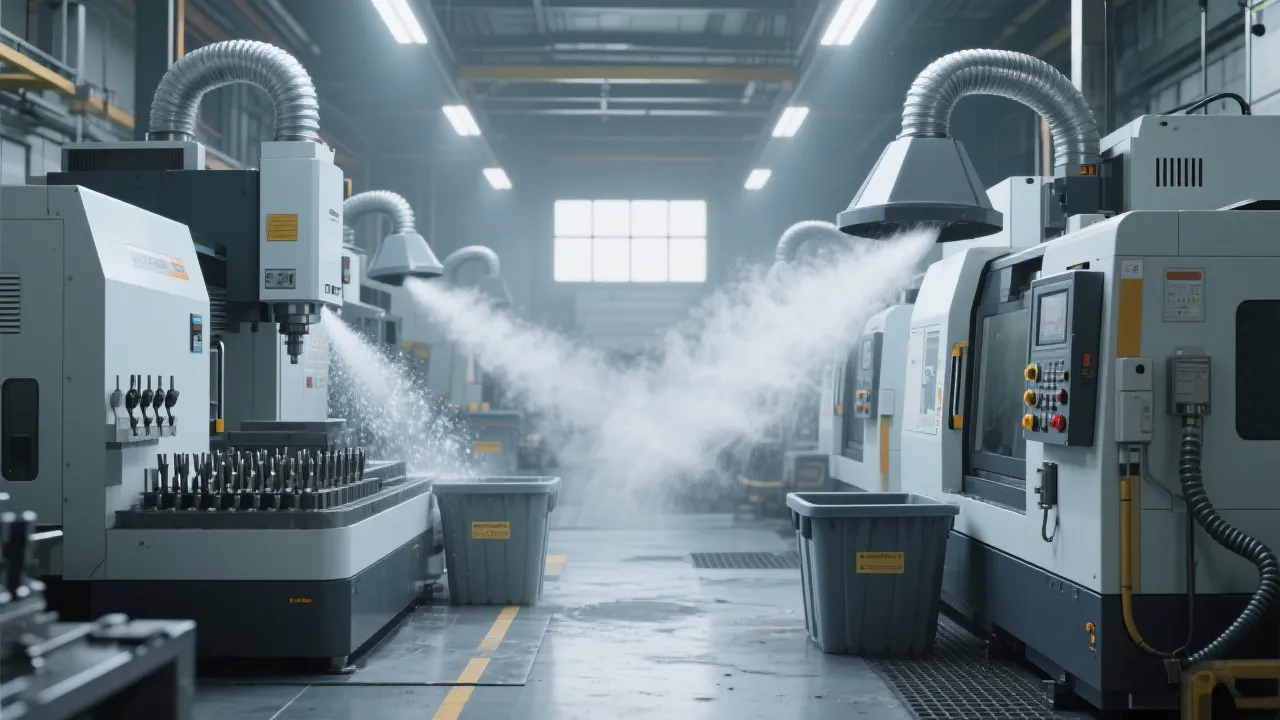
Operators frequently encounter tool deflection during tight-radius machining or material burn marks from excessive cutting speeds. A recommended best practice involves incrementally adjusting spindle speeds in 500 RPM steps and monitoring tool wear every 50 machining hours. Additionally, utilizing coolant or misting lubricants drastically reduces thermal deformation and enhances surface finish quality by up to 15%.
Another key consideration is precise rotary table calibration. Misalignment beyond 0.02° can cause cumulative shape errors, particularly in complex last geometries. Regularly scheduled maintenance—including checking bearing play and testing zero-point repeatability—helps maintain machining accuracy during long production runs.
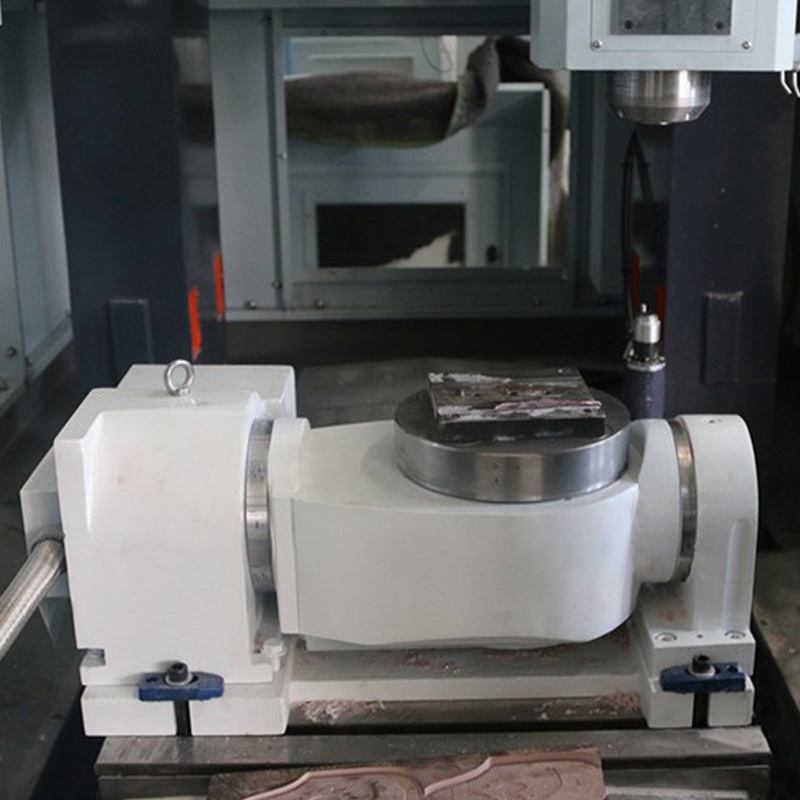
The Syntec high-speed CNC controller embedded in the DC6070 offers a user-friendly interface for fine-tuning machining routines. Operators can seamlessly edit G-code programs, implement subroutines for repeated shoe last sections, and simulate tool paths to preempt collisions. This proactive programming approach enhances safety and reduces scrap rates by approximately 18%.
Programming features include automatic feed-rate override, multi-axis interpolation, and customizable alarm notifications. Together, these reduce unplanned downtime and enable operators—both novices and veterans—to confidently optimize their machining parameters aligned with specific shoe last complexities.
Maintenance routines play an integral role in sustaining high performance of the DC6070. Electrical spindle lubrication cycles should be performed every 100 operational hours to prevent overheating and premature bearing failure. Equally important is the monthly re-calibration of the rotary table using precision dial indicators, to verify zero runout and angular accuracy.
Incorporating these maintenance measures not only extends the machine’s operational life by several years but also ensures consistent machining outcomes—an indispensable factor for maintaining competitive manufacturing quality in shoe last production.
Experience unmatched precision in shoe last manufacturing with our expertly optimized tooling and cutting speed guidelines. Connect with our engineering team for a free technical consultation and discover customized parameter settings tailored to your production needs.
Optimize Your Shoe Mold Production Now