In the competitive world of footwear manufacturing, time-to-market and precision are no longer optional—they’re survival skills. While many shoe mold factories still rely on manual or outdated CNC systems, industry leaders in Europe and North America have already made the leap to advanced multi-axis machining. Why? Because the data doesn’t lie.
Traditional 3-axis milling machines often struggle with complex curves found in high-end athletic shoes or luxury leather designs. This leads to:
According to a 2023 survey by the International Footwear Association, companies using legacy equipment reported an average production delay of 17 days per batch compared to those with modern setups.
The real game-changer? Integration of smart control systems, rotary tables, and seamless CAD/CAM compatibility. Take this example:
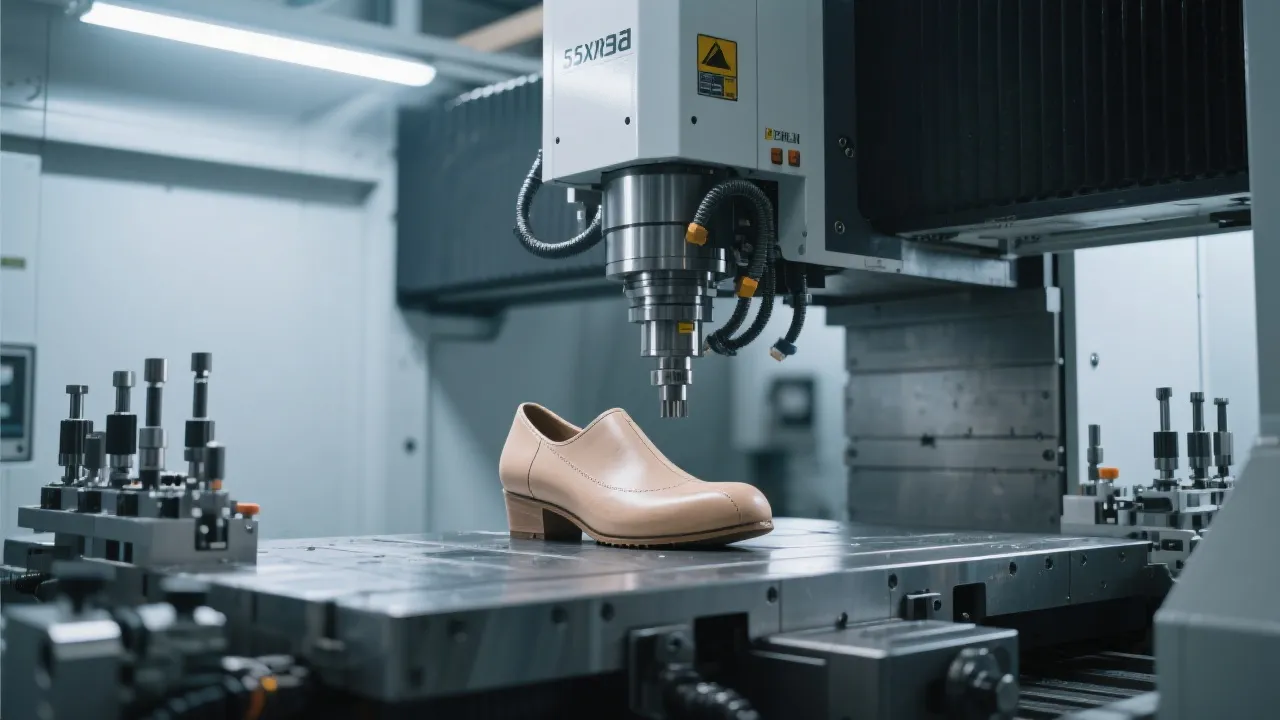
A leading German shoe mold manufacturer switched from a standard 3-axis machine to a DC6060A 5-axis CNC mill. Result: They cut their mold production cycle from 14 days to just 9 days—reducing lead times by over 30%, while improving surface finish accuracy from ±0.1mm to ±0.03mm.
This isn't just about speed—it's about consistency across batches. With automatic toolpath optimization and real-time error correction, even small-volume custom molds can now be produced at scale without sacrificing quality.
What makes these machines truly powerful is how they connect with your design workflow. When paired with software like Mastercam or Autodesk Fusion 360, you eliminate the need for translation errors between designers and machinists. That means:
If your current process feels like a bottleneck rather than a value driver, ask yourself: Why are your competitors moving faster—and why aren’t you?
Get our free guide: "The Ultimate Checklist for Choosing the Right CNC Milling Machine for Shoe Mold Manufacturing" — packed with real-world benchmarks, ROI projections, and vendor selection tips tailored for B2B buyers.
Download the White Paper Now