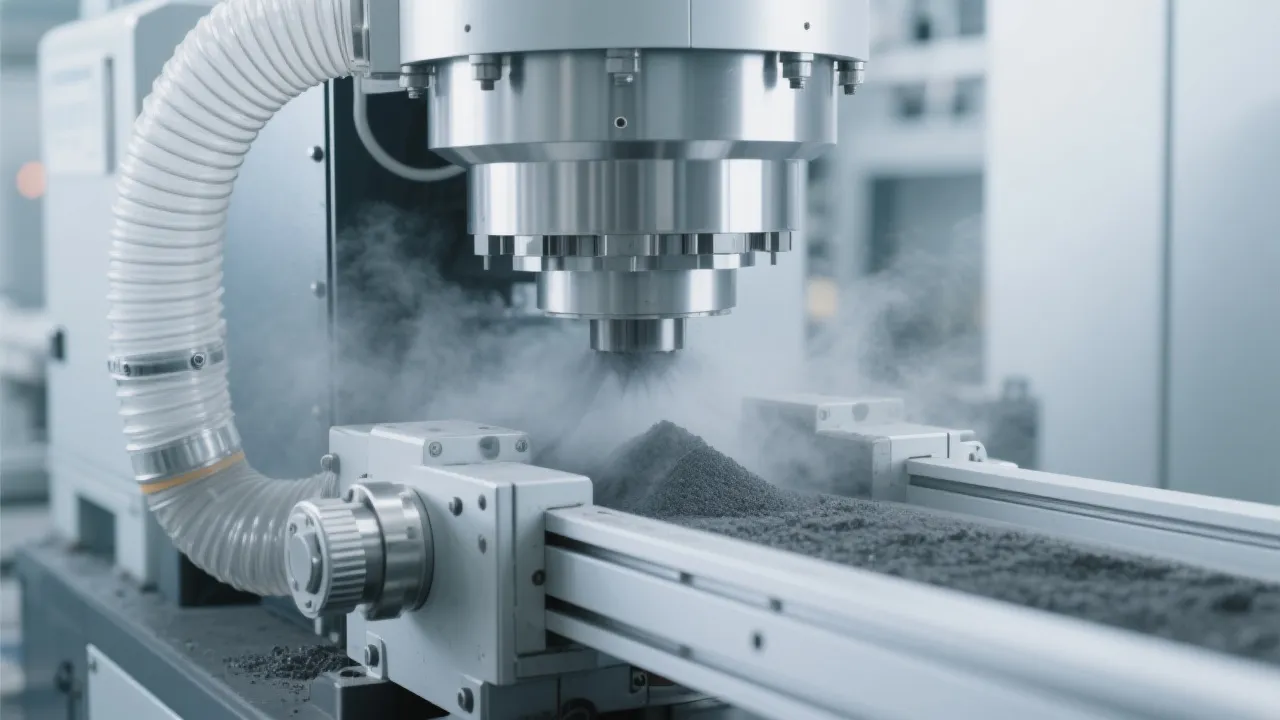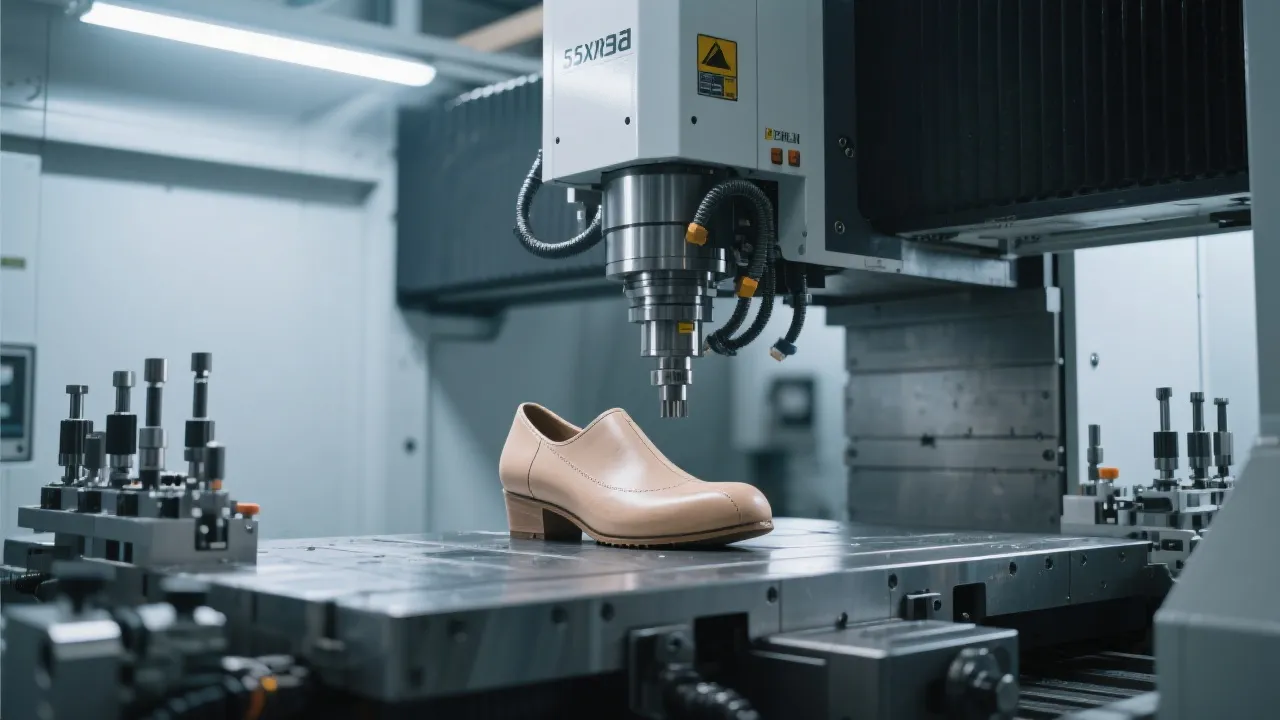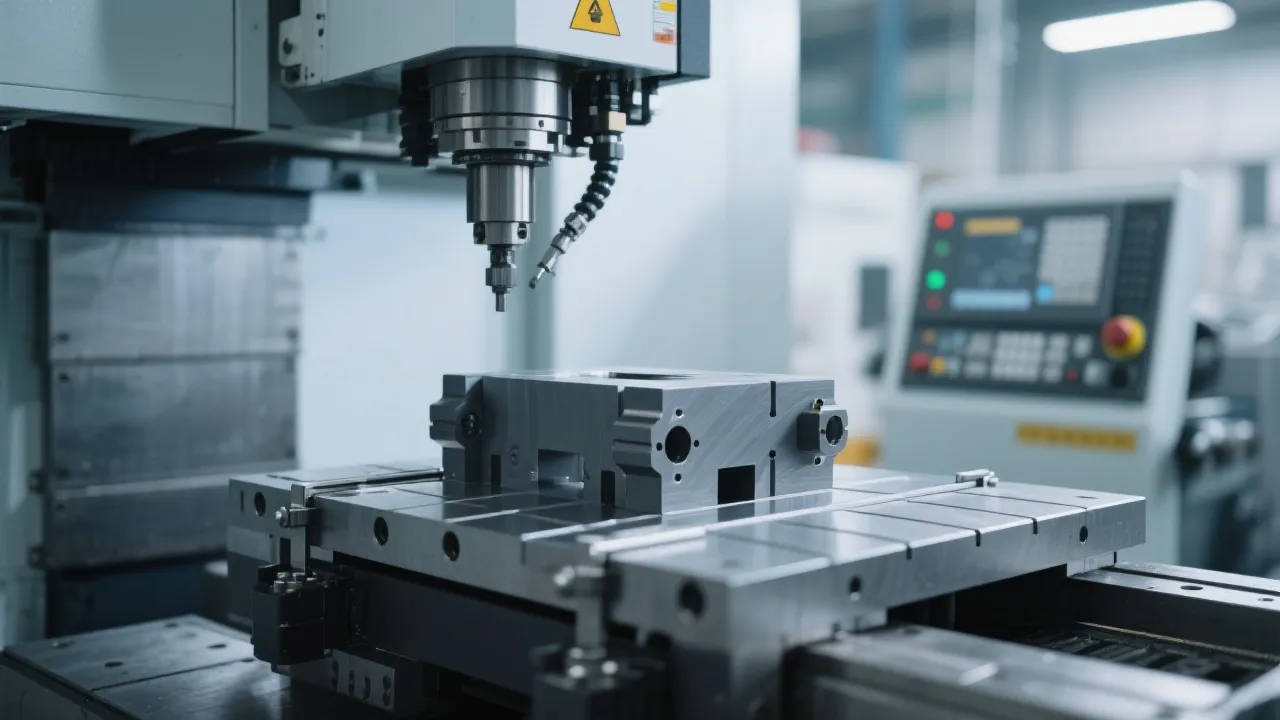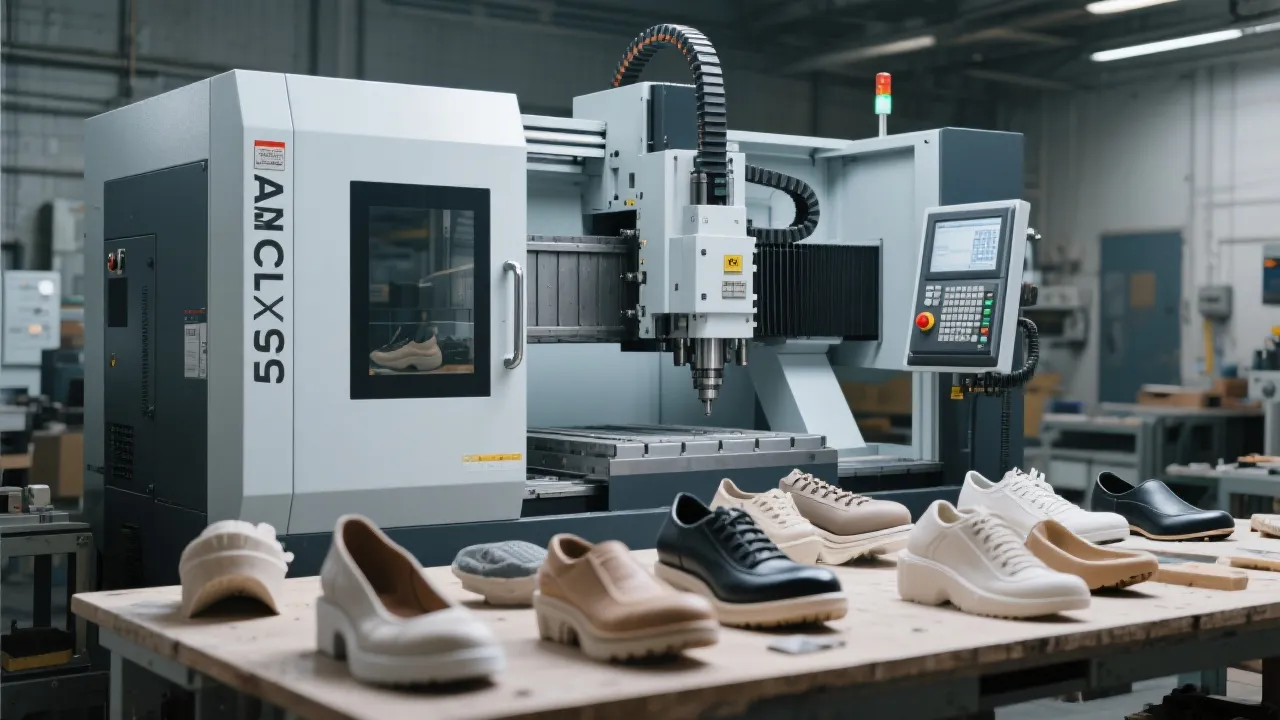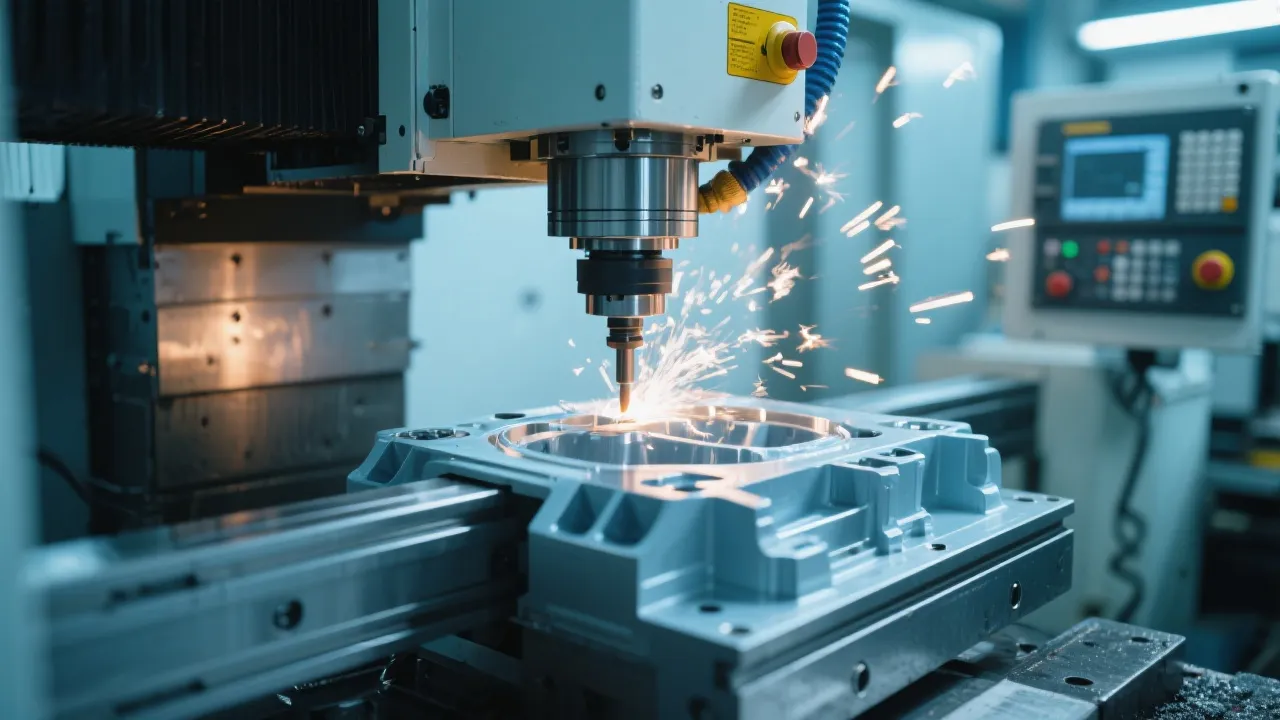
In the competitive landscape of shoemold manufacturing, precision and efficiency are not just goals—they're necessities. As footwear designs become more intricate and production timelines tighter, the choice of CNC milling machine directly impacts your bottom line. This guide explores how focusing on machine rigidity and spindle torque can transform your production capabilities, with insights from industry leaders like 凯博数控.
Machine rigidity forms the backbone of consistent precision in shoemold production. A rigid structure minimizes vibration during high-speed machining, directly affecting surface finish quality and tool life. According to a 2023 industry study, manufacturers using rigid-frame machines reported a 37% reduction in tool wear and 22% improvement in dimensional accuracy compared to standard machines.
"In shoemold manufacturing, where intricate patterns and tight tolerances (often ±0.01mm) are standard, even minor deflection can ruin an entire production run," explains Michael Chen, Senior Application Engineer at a leading Asian shoemold manufacturer. "Investing in a rigid machine platform isn't an expense—it's insurance against costly rework."
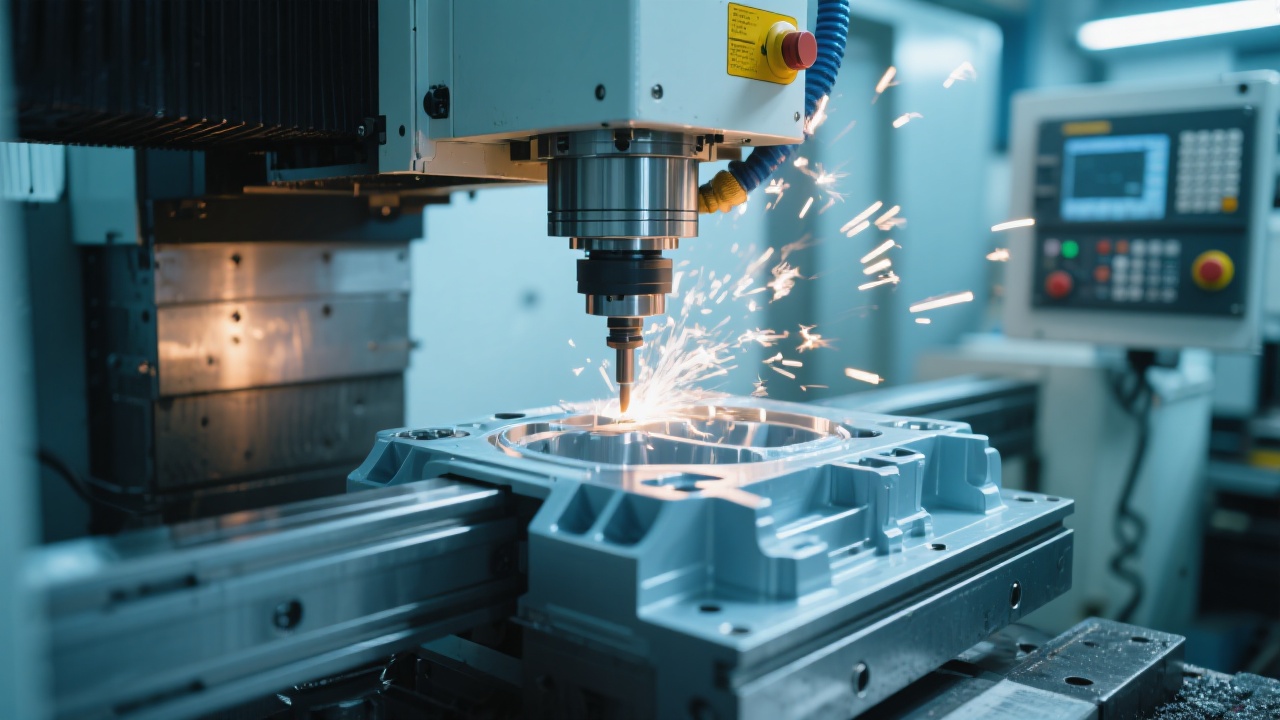
While spindle speed often grabs attention, torque is the unsung hero of efficient shoemold machining. Shoemold materials—including hardened tool steels and aluminum alloys—require sufficient torque for effective material removal, especially during roughing operations. A spindle with inadequate torque will struggle with deeper cuts, leading to longer cycle times and increased heat generation.
Modern spindles offer variable speed-torque curves. For shoemold manufacturing, look for spindles that maintain high torque across a broad speed range (typically 3,000-8,000 RPM). Industry data shows that machines with optimized torque curves can reduce roughing time by up to 40% compared to speed-focused spindles when working with H13 tool steel commonly used in shoemolds.
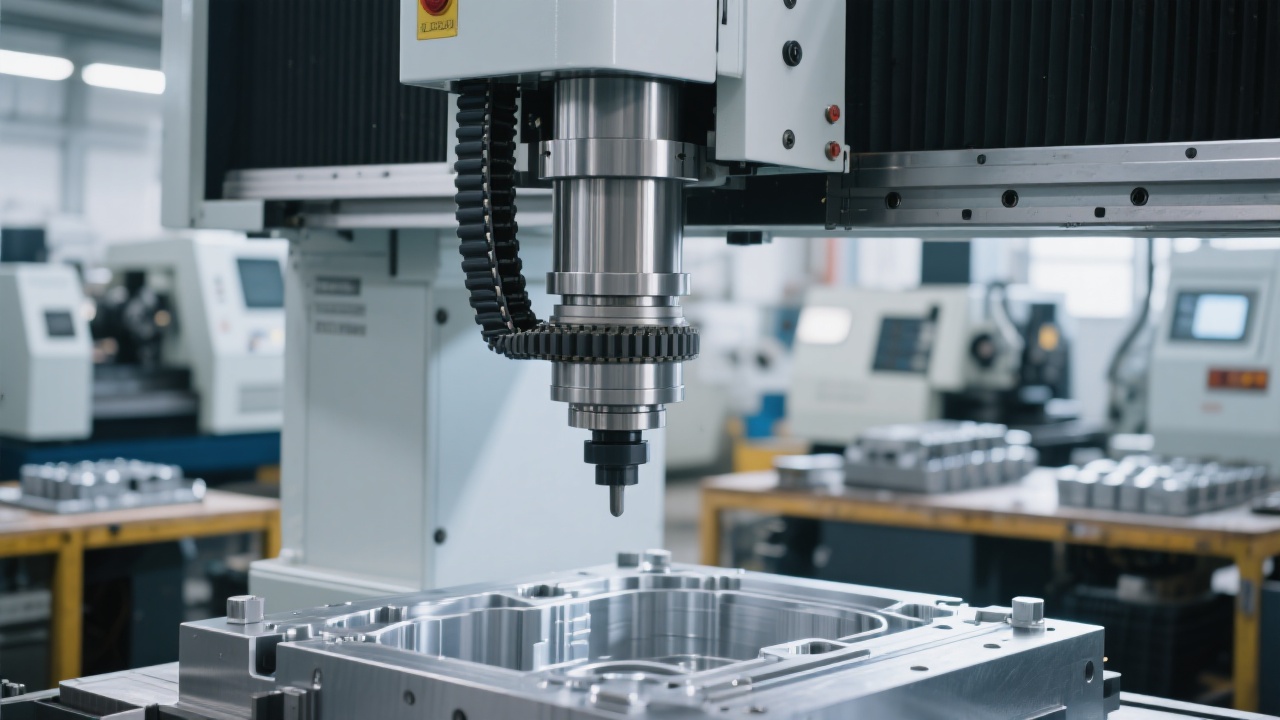
The control system acts as the nervous system of your CNC milling machine, translating design data into precise movements. High-speed controllers like the Syntec system offer distinct advantages for shoemold production, where complex 3D contours demand rapid processing and smooth motion control.
Case Study: A major shoemold manufacturer in Guangdong upgraded from a traditional control system to a high-speed Syntec controller and documented:
Investing in a high-performance CNC milling machine requires careful financial planning. While premium machines carry higher upfront costs, their total cost of ownership often proves lower over time. Consider these factors:
30-40% faster cycle times translate to more molds produced annually. At an average shoemold value of $1,200, a 35% increase in production for a single machine could generate $144,000+ in additional annual revenue.
Reduced tooling costs (37% less wear), lower energy consumption (up to 20% savings), and decreased scrap rates (typically 5-8% improvement) combine to create substantial ongoing savings.
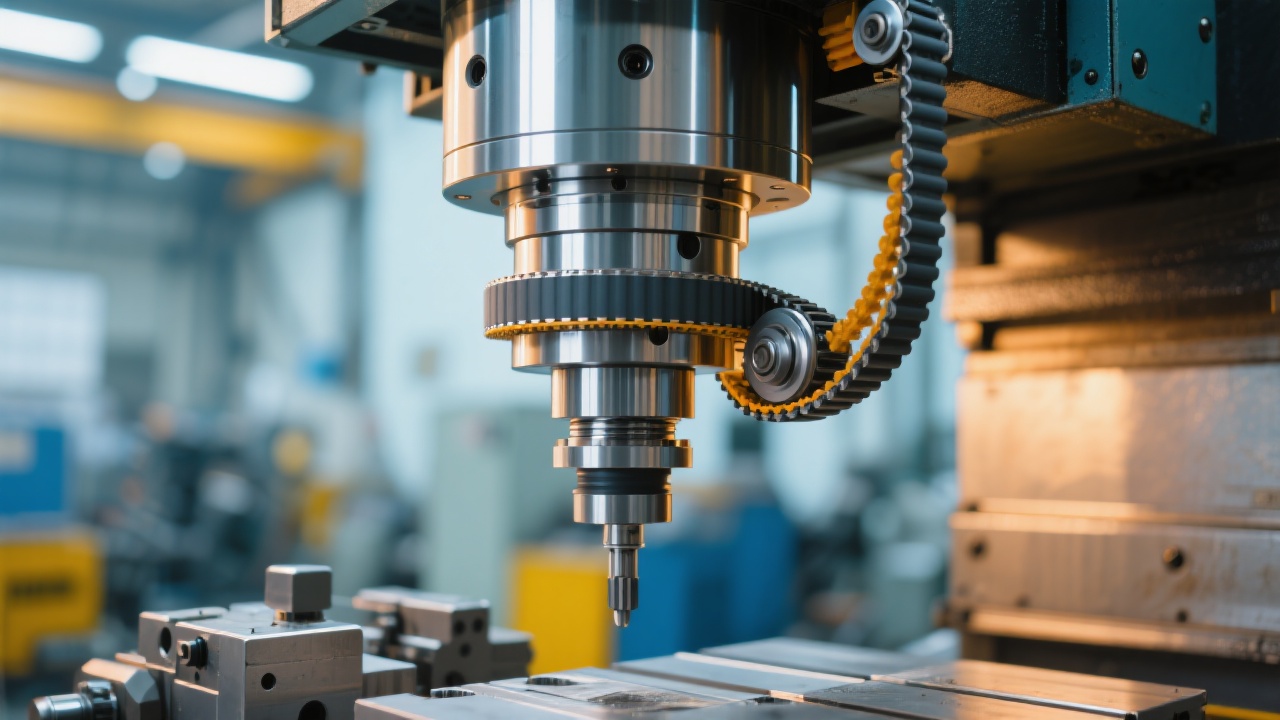
As footwear trends evolve toward more complex designs and sustainable materials, your machining capabilities must keep pace. Five-axis technology, like that found in the 五轴鞋楦数控铣床DC6070, offers the flexibility to produce intricate geometries in a single setup, eliminating multiple operations and reducing handling time.
Industry forecasts predict that by 2025, over 65% of high-volume shoemold manufacturers will rely on five-axis machining to meet market demands. Early adopters are already reporting competitive advantages in lead times and design capabilities that set them apart from competitors still using traditional three-axis machines.
Discover how the right CNC milling solution can reduce cycle times, improve precision, and boost your bottom line. Our team of shoemold manufacturing experts is ready to analyze your specific needs and recommend the optimal configuration for your production goals.
Schedule Your Free Shoemold Machining Consultation*All performance metrics based on industry averages and case studies from leading shoemold manufacturers. Individual results may vary based on specific production conditions and materials.