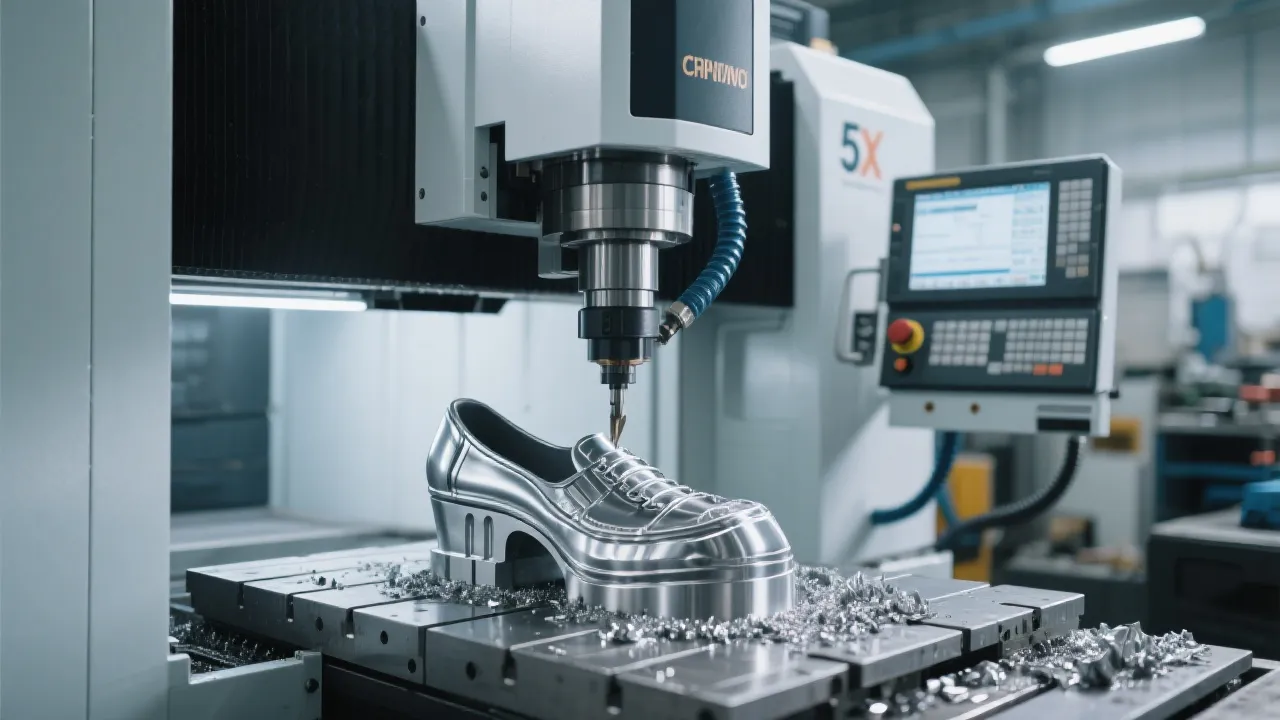
In the competitive landscape of shoe mold manufacturing, making informed decisions when purchasing CNC milling machines is crucial. This article focuses on how shoe mold manufacturers can optimize their procurement decisions through cost-benefit analysis, with a particular emphasis on the five-axis shoe last CNC milling machine DC6070.
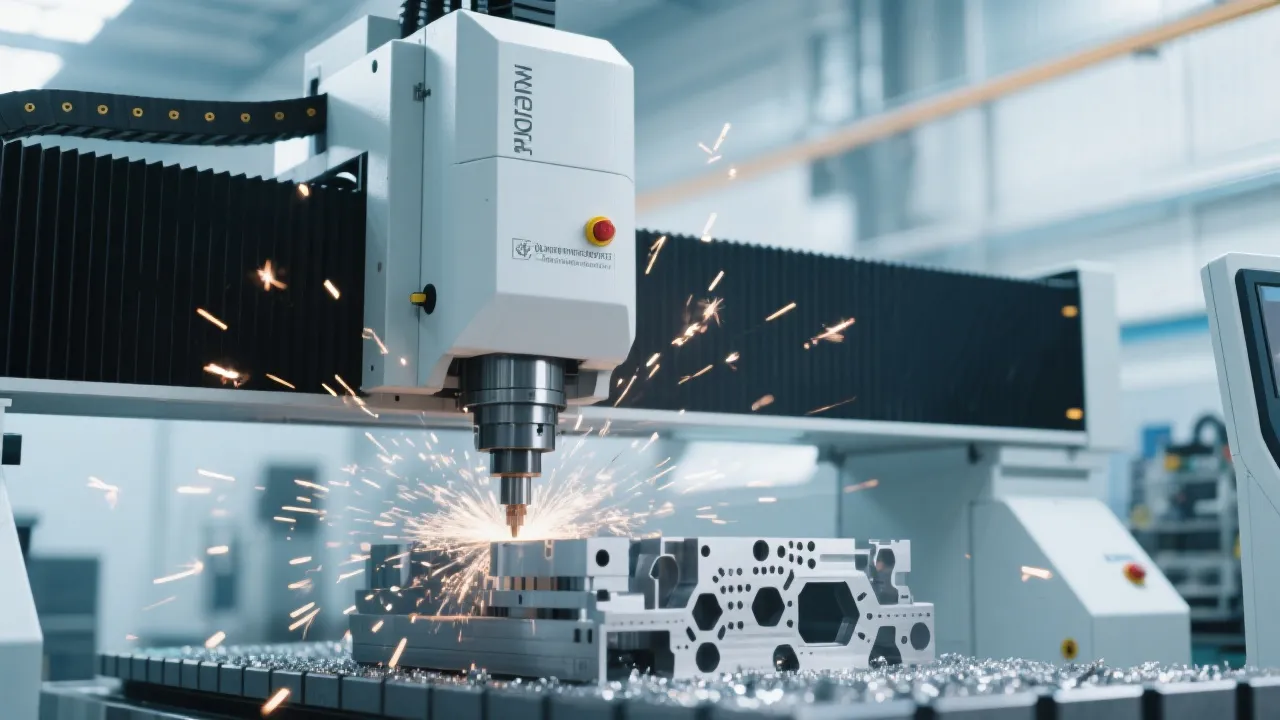
The performance of shoe mold CNC milling machines is determined by several key indicators. Firstly, machine rigidity is of utmost importance. A rigid machine structure can effectively reduce vibration during the machining process, ensuring high-precision machining. For example, the DC6070 has a well-designed frame that provides excellent rigidity. Tests have shown that it can maintain a machining accuracy of ±0.01mm even under high-speed operation, which is significantly better than some similar models in the market with an accuracy of ±0.03mm.
Secondly, the spindle torque is another critical factor. A high-torque spindle can provide sufficient cutting force, enabling efficient machining of hard materials. The DC6070 is equipped with a high-torque electric spindle that can reach a maximum torque of 200 Nm, compared to the average market level of around 150 Nm. This allows it to cut through various shoe mold materials more quickly and smoothly, improving production efficiency.
The control system also plays a vital role in the performance of CNC milling machines. The high-speed Syntec controller used in the DC6070 offers several advantages over traditional control systems. In terms of response speed, the Syntec controller can achieve a response time of less than 0.1 seconds, while traditional systems may take up to 0.3 seconds. This faster response speed enables real-time adjustment of machining parameters, reducing errors and improving product quality.
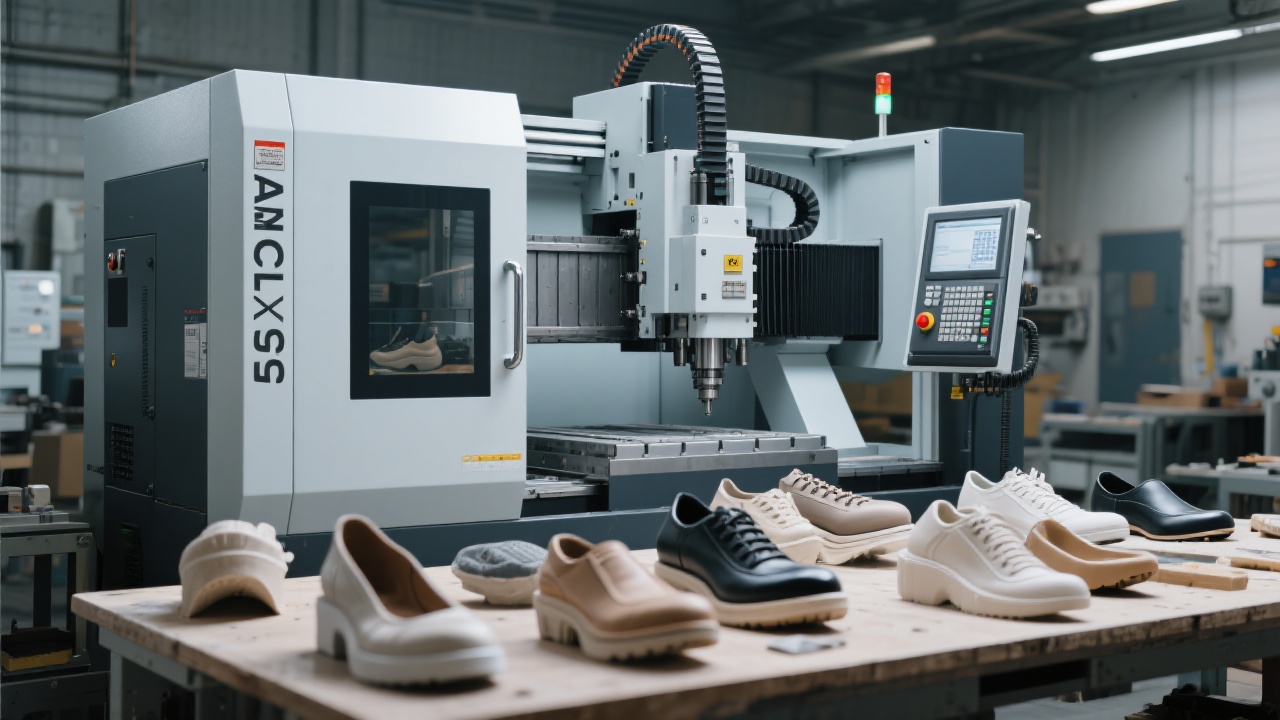
To illustrate the difference, let's look at a typical case. A shoe mold manufacturer was using a traditional CNC milling machine with a slow control system. The production cycle for a single shoe mold was about 24 hours. After switching to the DC6070 with the Syntec controller, the production cycle was reduced to 18 hours, a 25% increase in efficiency.
When making procurement decisions, cost-benefit analysis is essential. By comparing different technical solutions and investment return models, manufacturers can scientifically measure the value of the equipment. For example, consider the initial investment, operating costs, and expected revenue increase. The DC6070 may have a slightly higher initial investment compared to some lower-end models, but its high efficiency and stability can lead to significant cost savings in the long run.
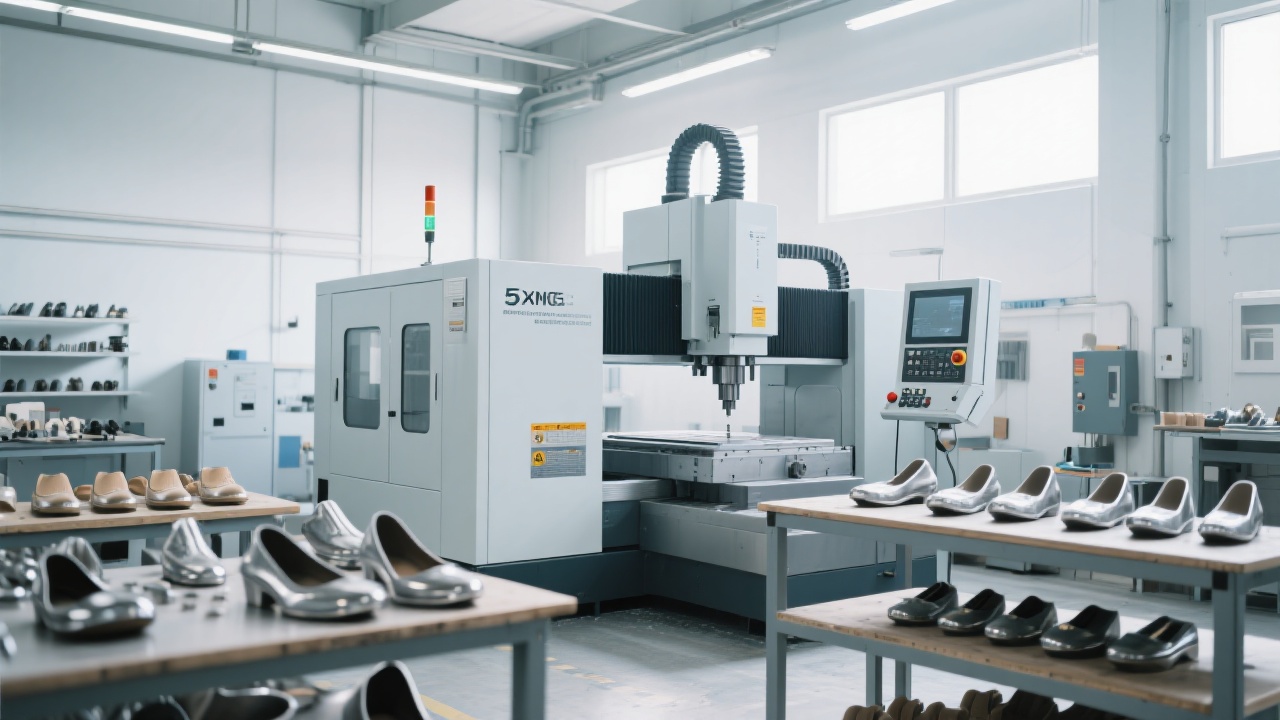
Let's assume a shoe mold manufacturer produces 1000 shoe molds per year. With the DC6070, the increased production efficiency and improved product quality can lead to an additional revenue of $100,000 per year. After considering the initial investment, operating costs, and maintenance fees, the payback period for the equipment is estimated to be around 2 years, which is a very attractive investment return.
Ready to take your shoe mold manufacturing to the next level? Explore the benefits of the five-axis shoe last CNC milling machine DC6070. Click here to learn more!