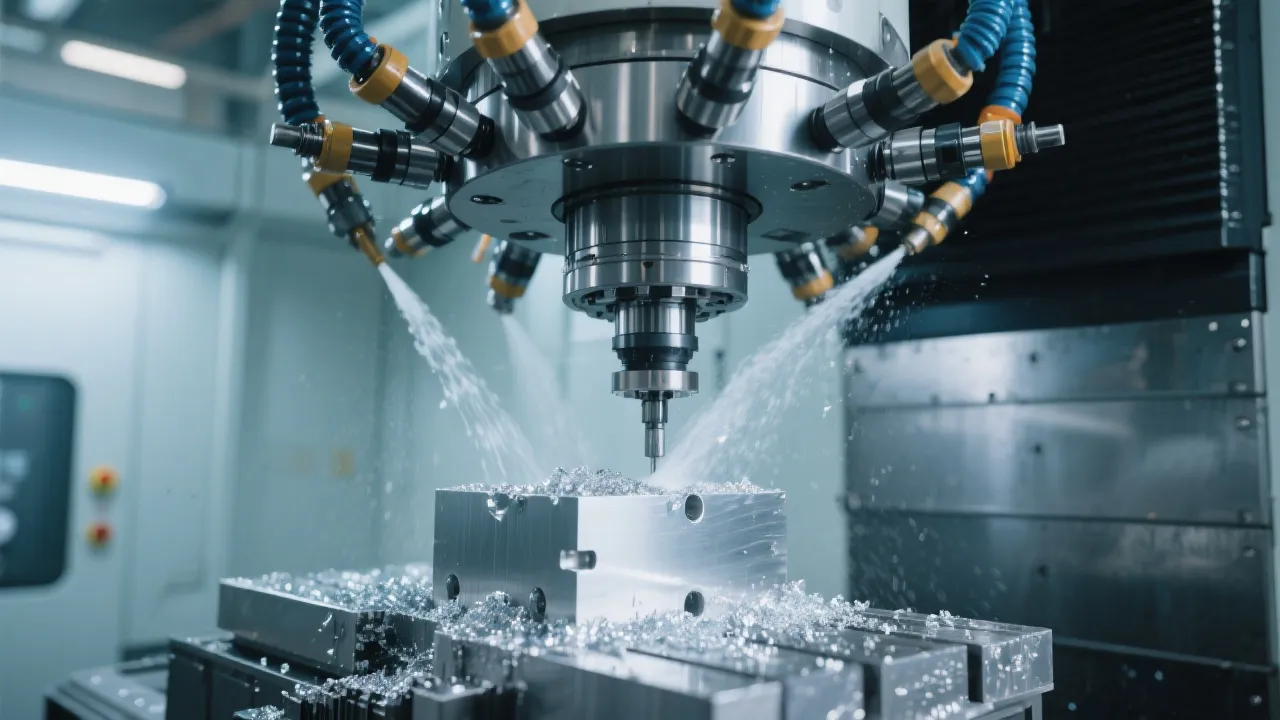
The Crucial Role of Rotary Tables in Five-Axis CNC Milling for Shoe Last Manufacturing

15 01,2026
KAIBO CNC
Technical knowledge
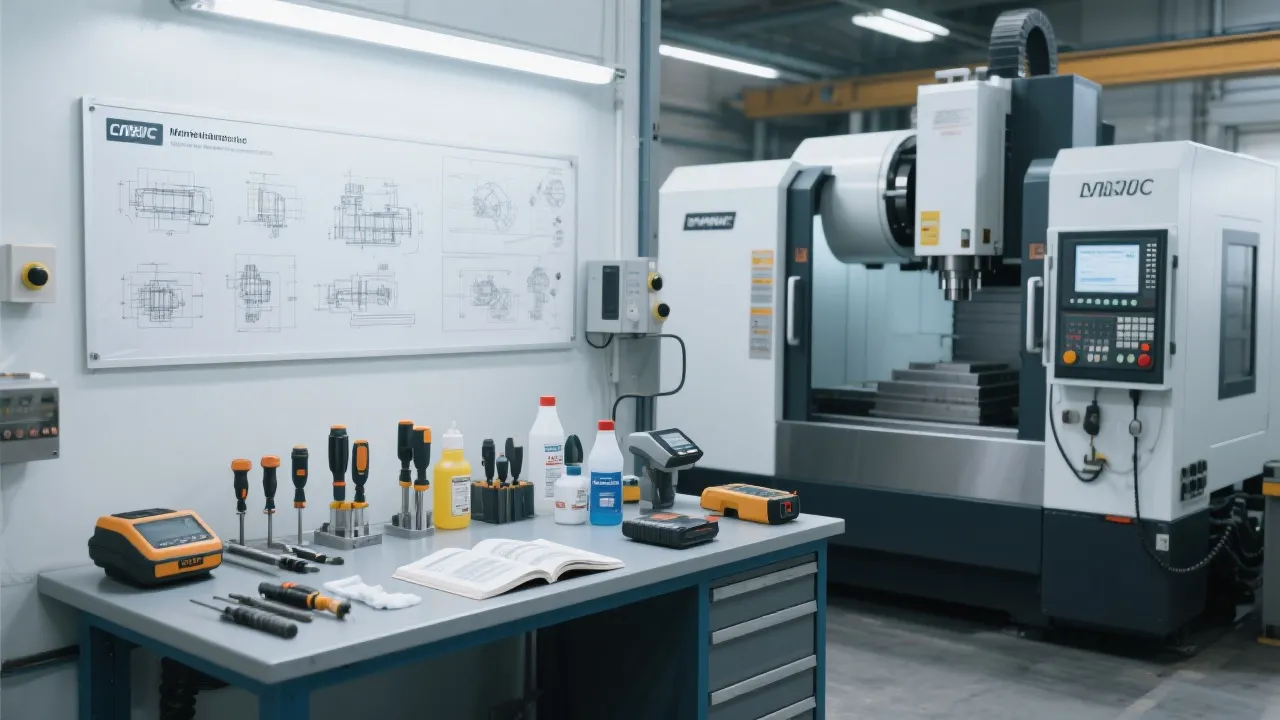
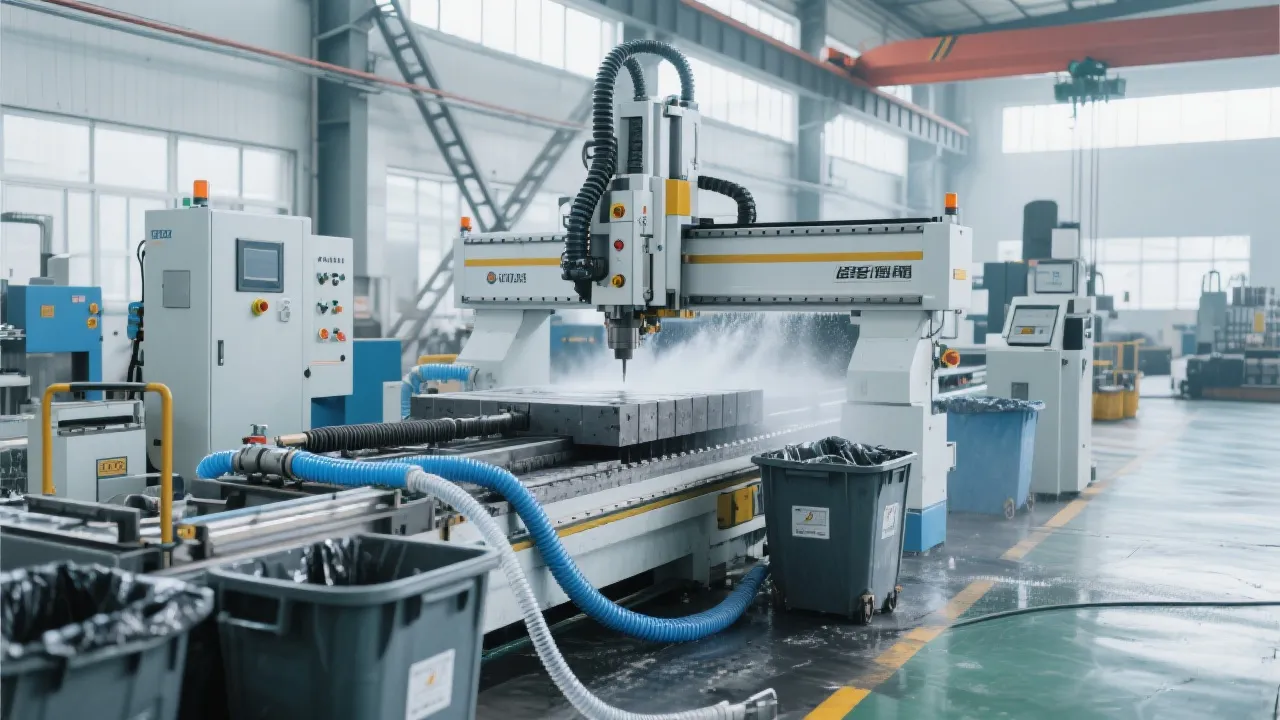
Rotary tables are indispensable in five-axis CNC milling machines used for shoe last manufacturing. This article delves into how rotary tables enable precise multi-angle machining of complex curved surfaces, significantly enhancing efficiency and consistency. As a core technology, they drive the industry’s shift from traditional methods to intelligent manufacturing. Through a detailed explanation of technical principles, application scenarios, and real-world case studies, readers will gain a clear understanding of how specialized equipment tailored for shoe lasts resolves machining challenges while boosting product quality and output.

Why the Rotary Table is the Core Advantage in Five-Axis CNC Milling for Shoe Mold Manufacturing

In the competitive and precision-driven shoe mold industry, the integration of a rotary table within five-axis CNC milling centers has become indispensable. This technology shift responds directly to the challenges of crafting complex shoe lasts that demand exceptional surface finish and dimensional accuracy. Unlike traditional three-axis CNC machines, five-axis centers equipped with rotary tables enable dynamic multi-directional machining, dramatically enhancing both product quality and operational efficiency.

Understanding the Limitations of Traditional Three-Axis Milling

Traditional three-axis CNC milling machines operate primarily along X, Y, and Z linear directions, which restricts tool orientation and accessibility when processing complex curved surfaces commonly found in shoe molds. This limitation results in:

  • Multiple setups causing increased cycle times and higher labor costs
  • Compromised surface quality due to limited tool approach angles
  • Inconsistent dimensional accuracy leading to more post-processing

The Rotary Table: Unlocking True Five-Axis Simultaneous Machining

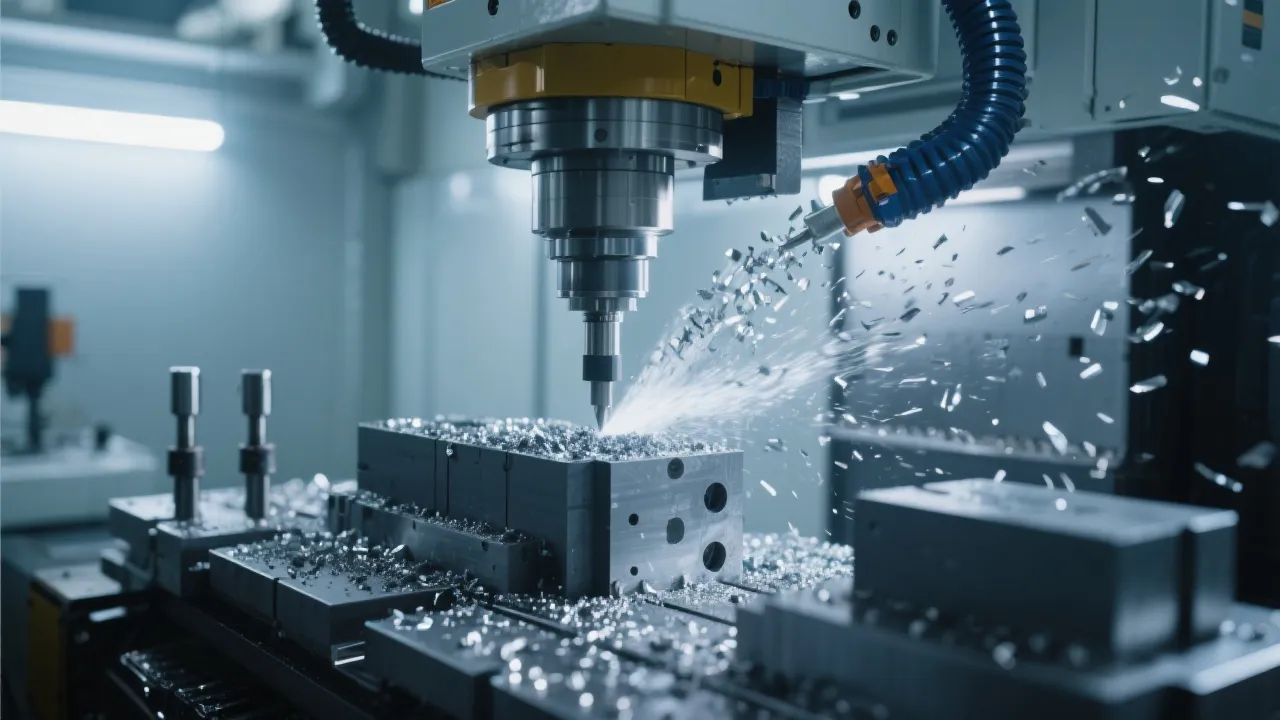
The rotary table integrated into the five-axis CNC milling machine enables rotation around one or two additional axes, allowing the cutting tool to approach the workpiece from virtually any angle. This multi-axis coordination delivers the following critical advantages:

  • Optimized tool paths minimize tool deflection and reduce cutting forces, resulting in higher precision.
  • Improved surface finish due to continual tangential contact during curved profiles cutting.
  • Reduced total machining time by eliminating the need for multiple setups and repositioning.
  • Enhanced consistency in batch production from automated, repeatable positioning offsets enabled by the rotary axis.

Technical Insights: How the Rotary Table Synergizes with the Spindle

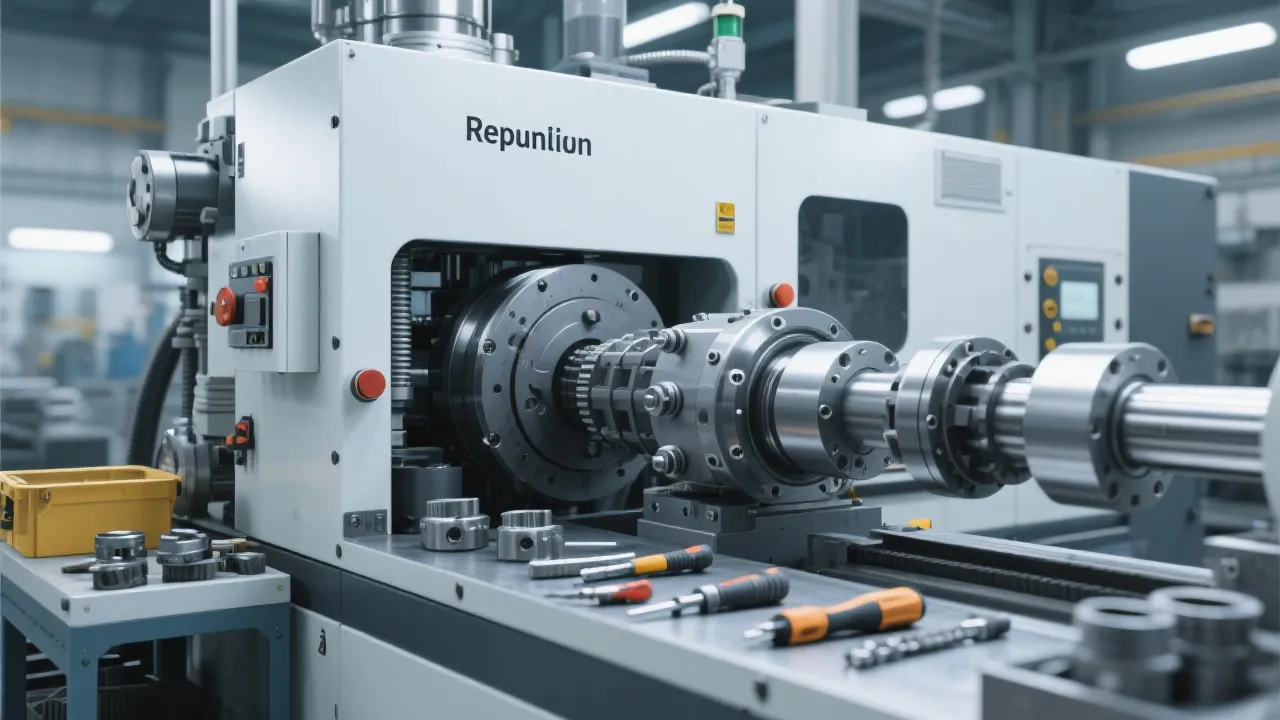
The rotary table provides controlled motion around a vertical or horizontal axis, synchronized with the spindle’s linear and rotational movement. This synergy:

  • Facilitates multi-angle simultaneous cutting for complex freeform shoe last contours.
  • Enables intricate undercut machining otherwise unachievable by fixed orientations.
  • Supports advanced CAM strategies leveraging continuous 5-axis tool path interpolation to maximize material removal rates without sacrificing quality.

Production-Proven Benefits: Real-World Data and User Feedback

Industry users report that adopting five-axis CNC machines with rotary tables results in:

Metric Before Rotary Table After Rotary Table Improvement
Machining Time per Shoe Last 8 hours 5 hours 37.5% reduction
Dimensional Tolerance ±0.05 mm ±0.01 mm 80% tighter
Surface Roughness (Ra) 1.6 μm 0.8 μm 50% improvement
“Since integrating the rotary table with our five-axis center, we have drastically reduced rework and shortened lead times, enabling us to meet growing client demand without compromising quality.” — Senior Engineer, Leading Shoe Mold Manufacturer

Looking Ahead: Harnessing Automation and Smart Manufacturing

In an era where smart factories and Industry 4.0 redefine manufacturing productivity, the rotary table acts as a pivotal enabler. Its precise, repeatable multi-axis movements integrate seamlessly with automated tool changers, in-line quality inspection systems, and adaptive CNC controls, offering:

  • Lower unit costs through reduced scrap and optimized cutting strategies
  • Enhanced scalability for high-volume shoe last production with minimal operator intervention
  • Data-driven process improvements via real-time monitoring of rotary axis performance

Understanding the fundamental role of the rotary table within five-axis CNC machining transforms shoe mold manufacturing from a labor-intensive craft into a streamlined, technologically advanced process. For companies aiming to elevate their production capabilities, investing in rotary table-equipped centers offers a strategic pathway to greater precision, efficiency, and competitive advantage.

Name *
Email *
Message*

Recommended Products

Popular articles
Recommended Reading

Related Reading

Contact us
Contact us
https://shmuker.oss-accelerate.aliyuncs.com/tmp/temporary/60ec5bd7f8d5a86c84ef79f2/60ec5bdcf8d5a86c84ef7a9a/thumb-prev.png