Are you new to the world of five-axis CNC milling machines and eager to master the operation of the rotary table and spindle on the DC6070 model? This comprehensive guide is designed to walk you through the entire process, from understanding the basic components to fine - tuning the parameters for optimal performance.
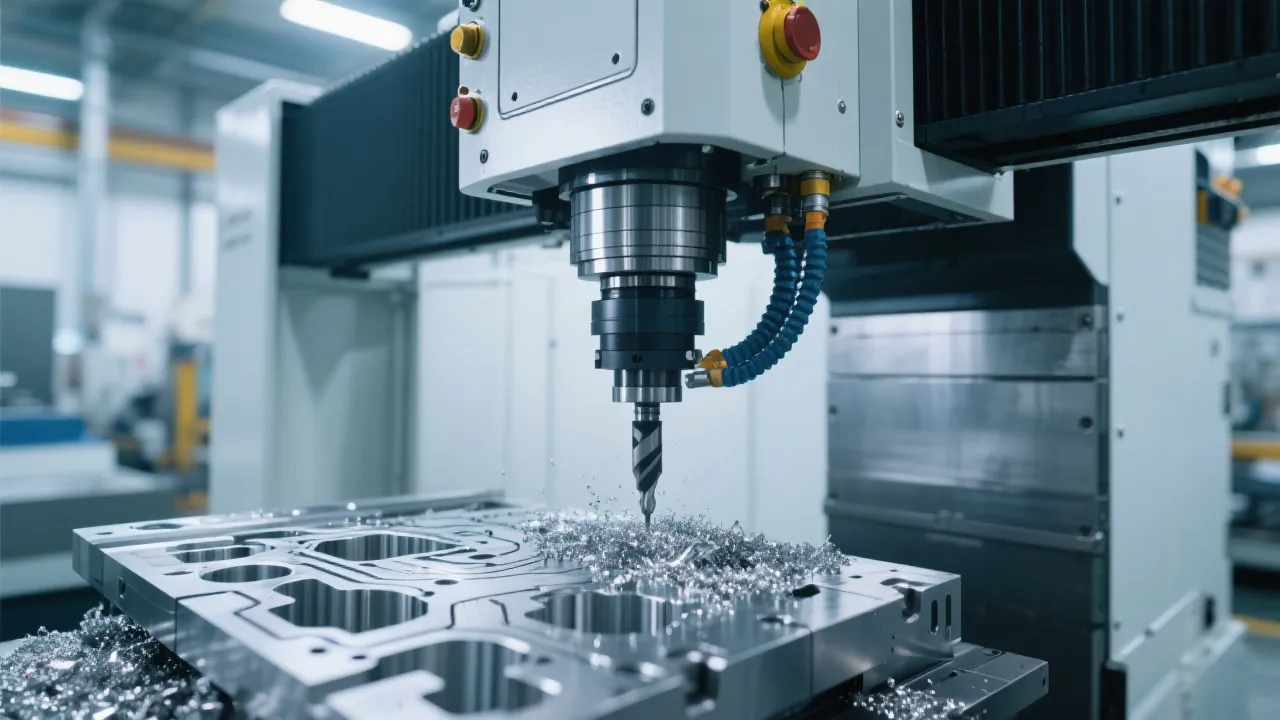
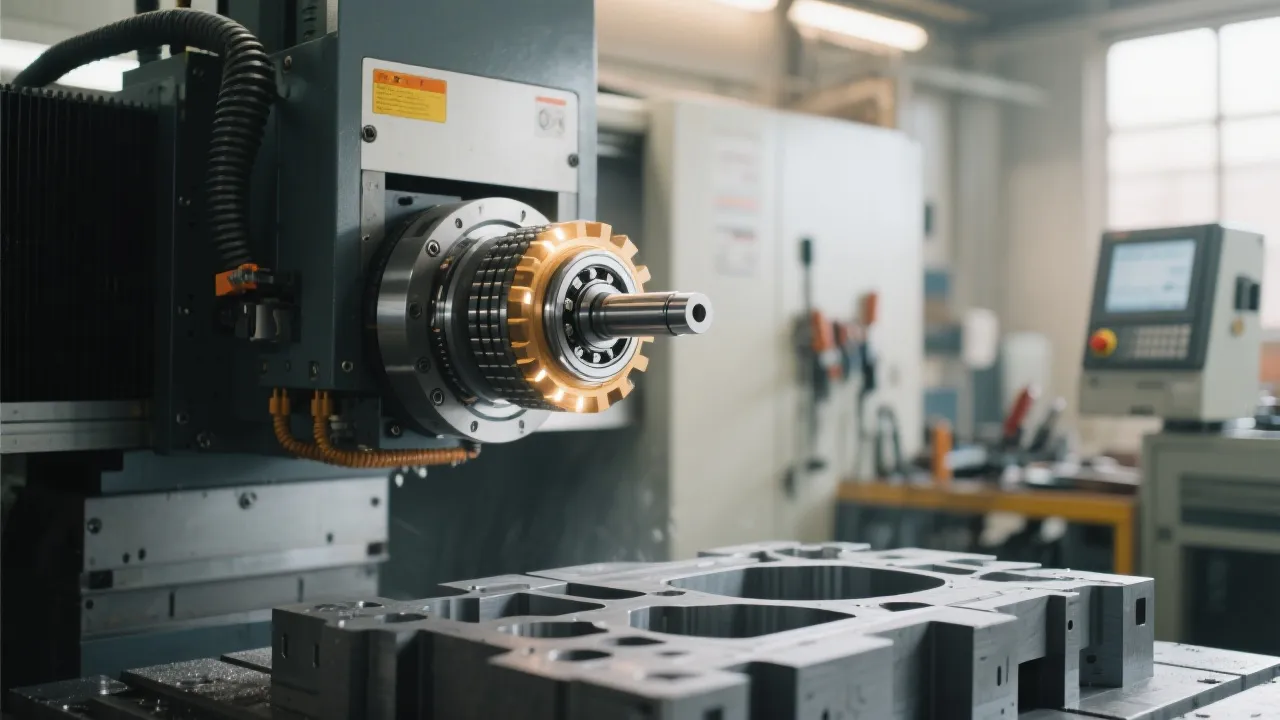
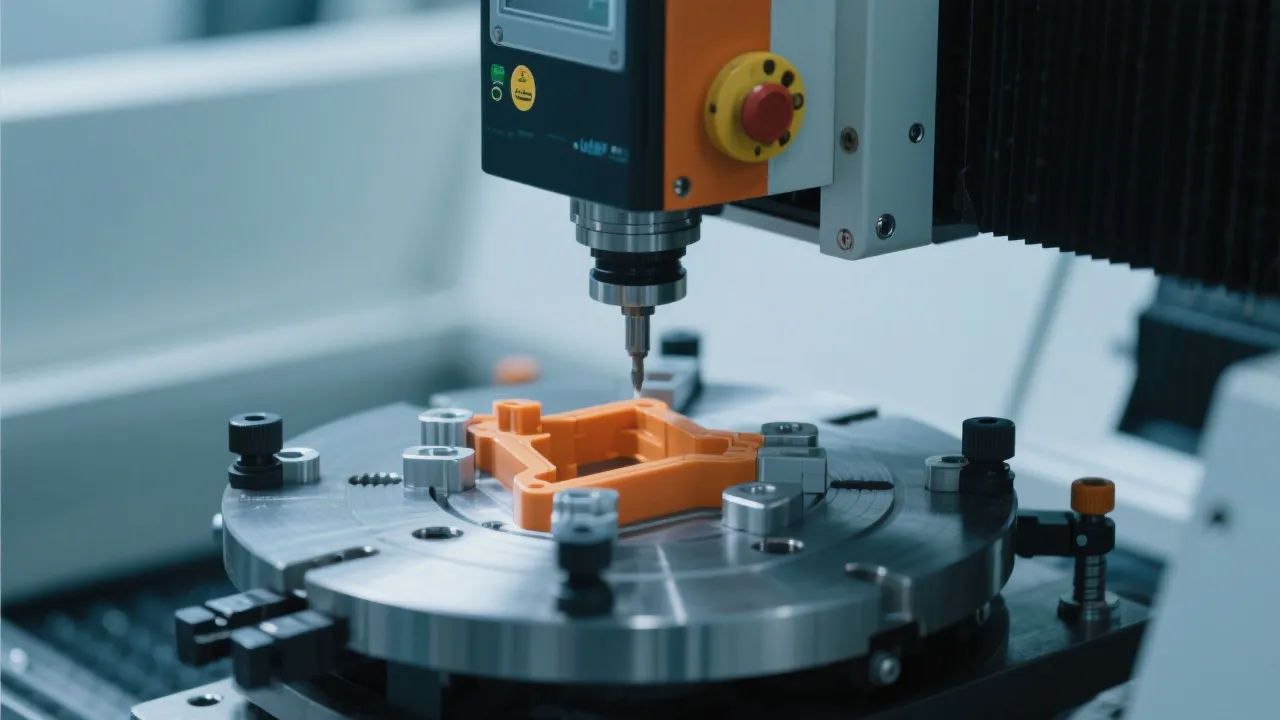
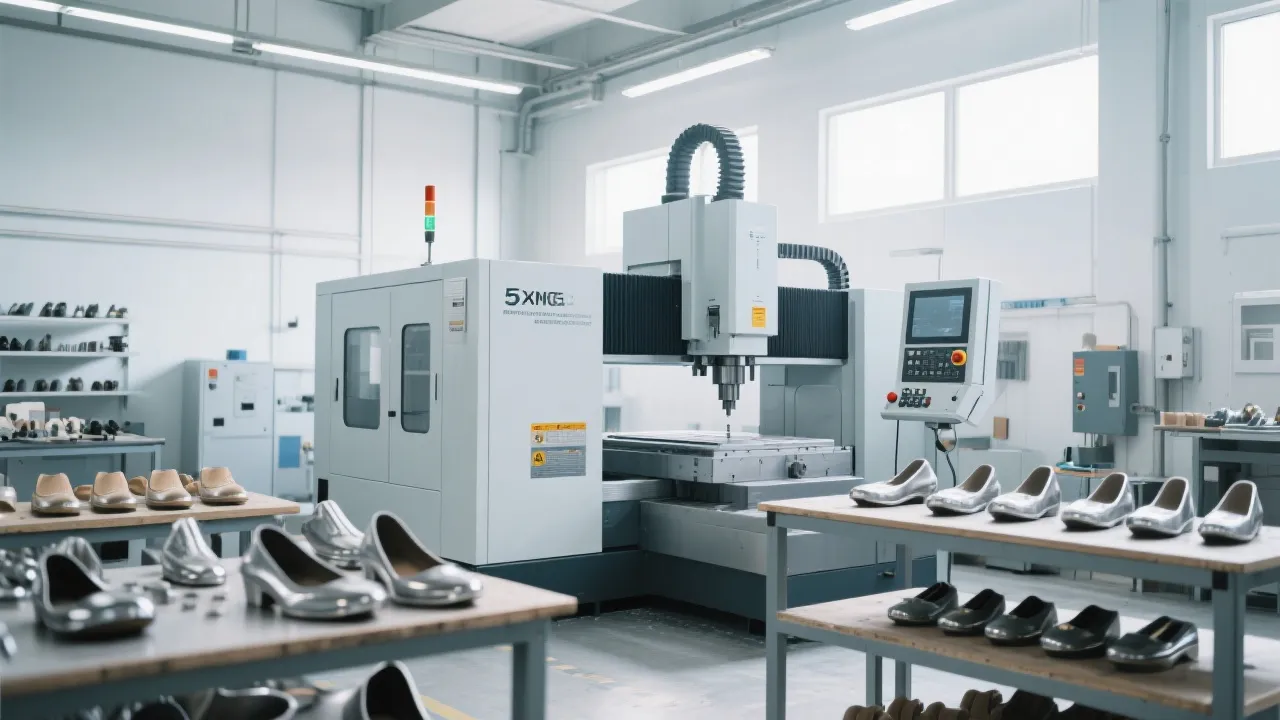
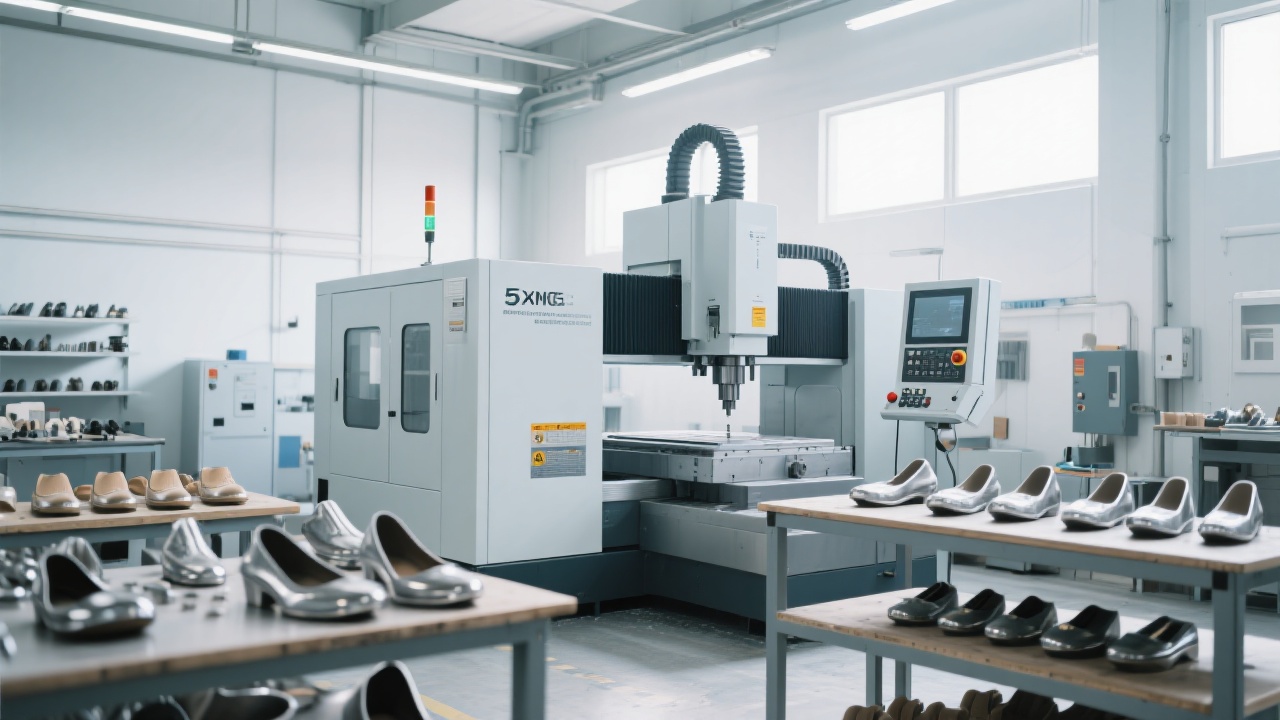
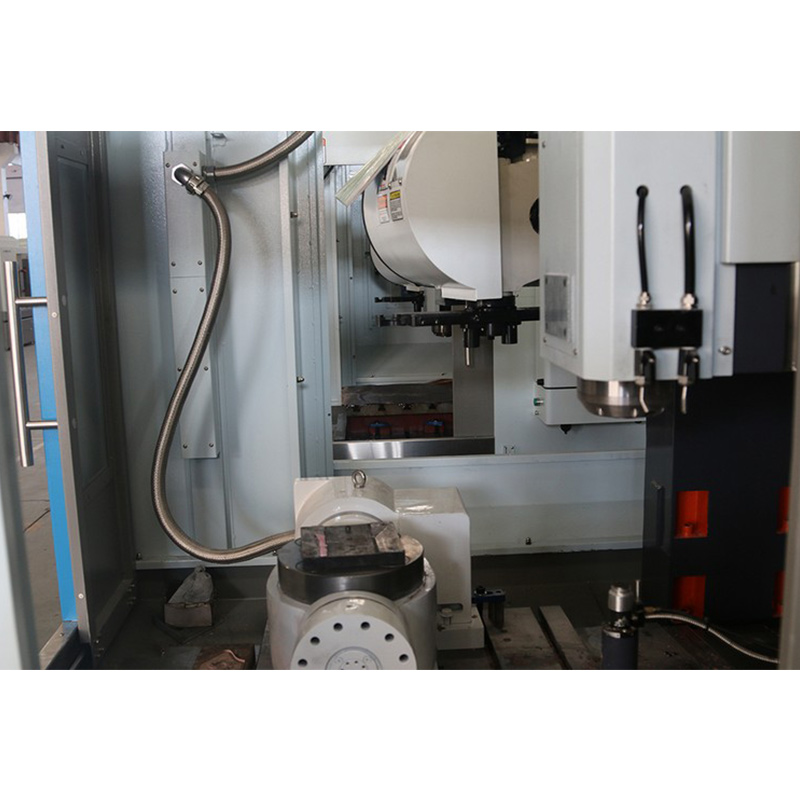
The five - axis shoe last CNC milling machine consists of several key components, including the rotary table, the spindle, and the Syntec controller. The rotary table allows for multi - angle machining, which is crucial for creating complex shoe last shapes. The spindle, on the other hand, is responsible for the high - speed rotation of the cutting tool, ensuring precise and efficient material removal. The Syntec controller serves as the brain of the machine, managing all the operations and allowing you to input commands and parameters.
To start with the rotary table, you need to familiarize yourself with its basic structure. The first step is to power on the machine and initialize the rotary table. You can then set the rotation angle and speed according to the specific requirements of the shoe last you are machining. For example, when machining a high - heel shoe last, you may need a more precise and slower rotation to ensure the accuracy of the curve. In contrast, a flat - sole shoe last may allow for a relatively faster rotation speed.
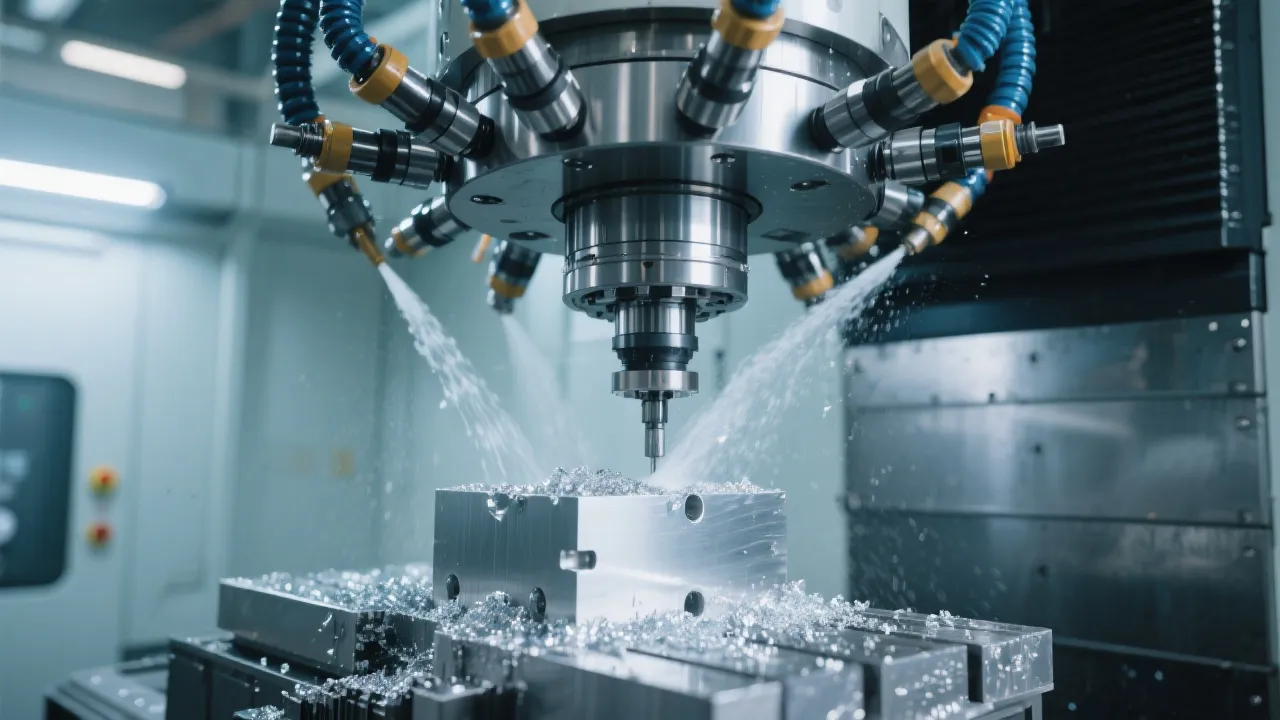
Before starting the spindle, a thorough inspection is necessary. Check the lubrication level, the belt tension, and the alignment of the spindle. Any misalignment or lack of lubrication can lead to poor machining quality and even damage to the machine. Once the inspection is complete, you can start the spindle and gradually increase the speed to the desired level. During the process, pay close attention to any abnormal noises or vibrations, which may indicate a problem.
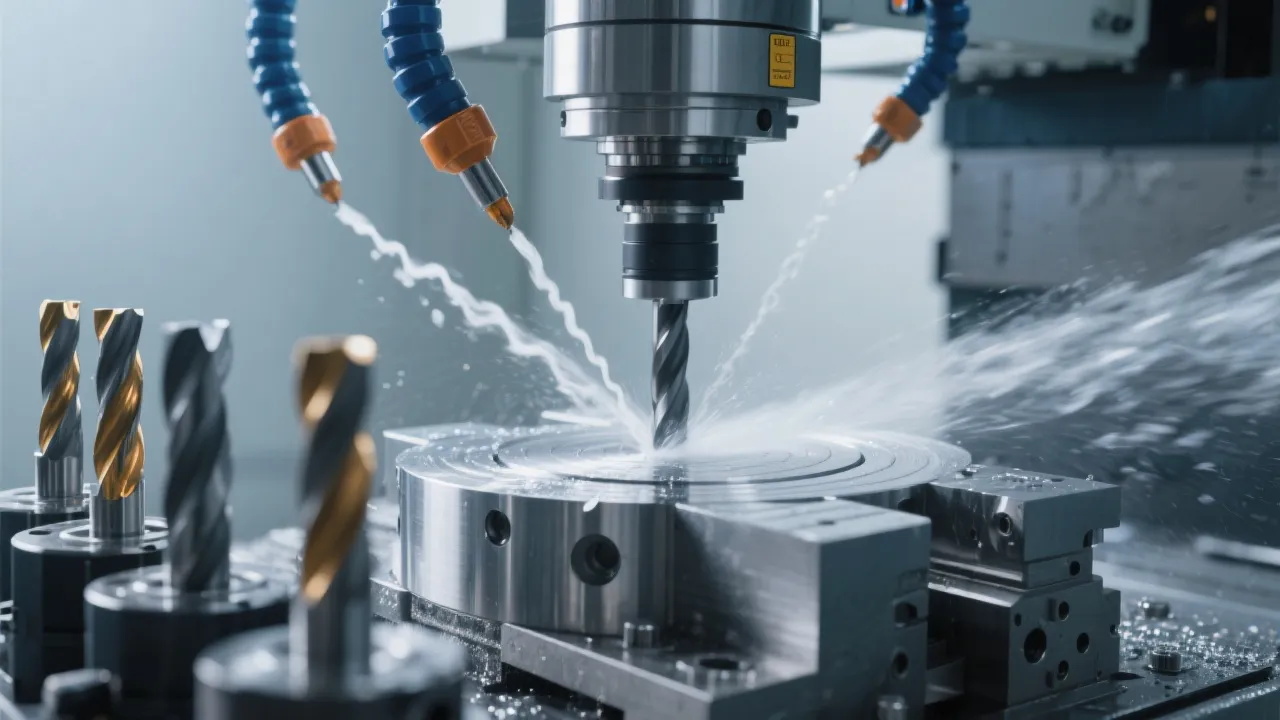
Selecting the right cutting parameters is crucial for achieving high - quality machining results. The cutting parameters mainly include the cutting speed, feed rate, and depth of cut. These parameters are closely related to the material of the shoe last, the type of cutting tool, and the complexity of the shape. For instance, when using a carbide cutting tool on a hard - plastic shoe last, you can choose a higher cutting speed and a relatively large depth of cut. However, for a softer material like wood, you need to reduce the cutting speed and depth of cut to avoid excessive material removal.
The Syntec controller is a powerful tool that allows you to program the machine for different machining tasks. Understanding its human - machine interface is the first step. You can input G - codes, which are a set of instructions for controlling the movement of the machine. When writing G - codes, pay attention to the syntax and the specific requirements of the machine. Additionally, the Syntec controller supports multi - process collaborative machining, which can significantly improve the efficiency of shoe last production.
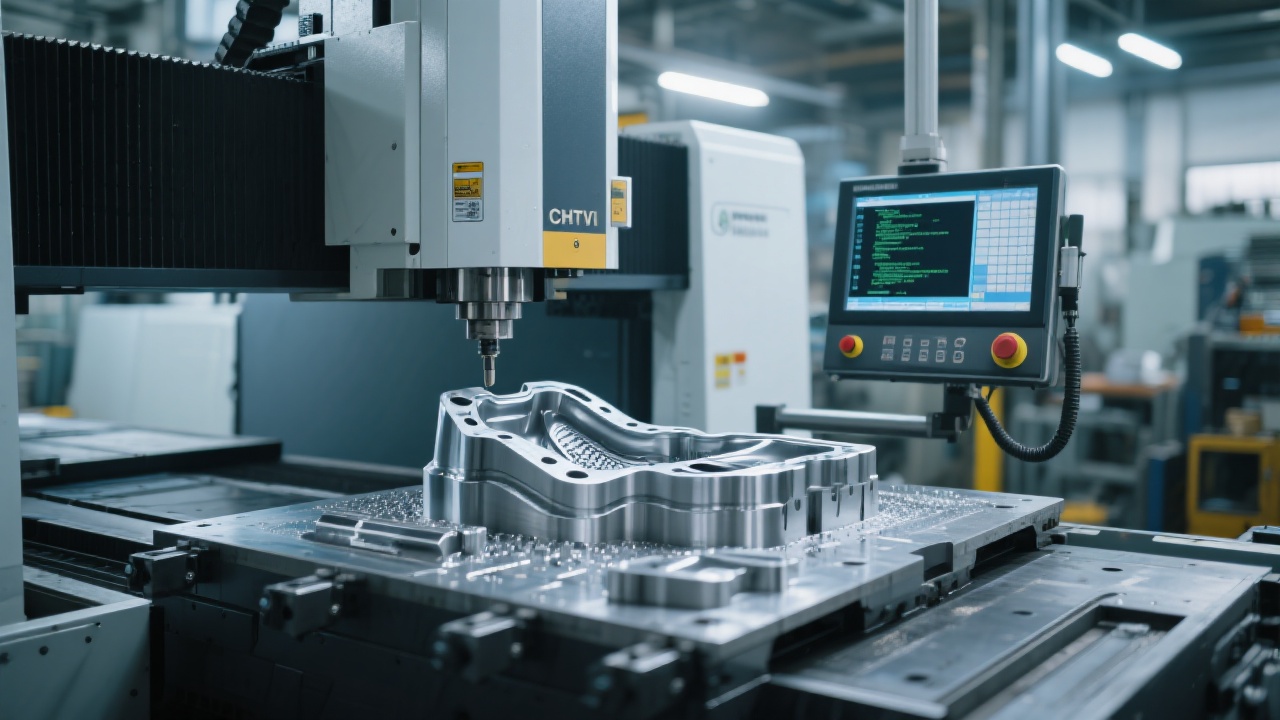
Let's take a look at some typical machining cases. When comparing the machining of high - heel shoe lasts and flat - sole shoe lasts, you'll notice that the former requires more complex tool paths due to its curved shape. A well - designed tool path can reduce the machining time and improve the surface quality. On the other hand, flat - sole shoe lasts are relatively easier to machine, but still require careful parameter selection to ensure the accuracy of the shape.
Regular equipment maintenance is essential for the long - term performance of the machine. For the rotary table, it is recommended to lubricate it every 200 hours of operation and perform a precision calibration every 500 hours. For the spindle, check the lubrication level daily and replace the lubricant every 300 hours. These simple maintenance steps can extend the service life of the machine and ensure consistent machining quality.
Front - line engineers have summarized 5 operation details that can increase efficiency by 30%. These details include pre - heating the machine before operation, optimizing the tool path to reduce idle running time, using high - quality cutting tools, performing regular maintenance, and training the operators to be more proficient.
We encourage you to leave a comment below and share any machining problems you've encountered. Our team is here to help you solve them. If you want to learn more about the operation of the five - axis shoe last CNC milling machine, including detailed product manuals and video tutorials, click here.