

Graphite processing is a crucial industrial activity, but it comes with a significant challenge - dust pollution. The fine graphite dust generated during the processing can have detrimental effects on both equipment and personnel. For instance, it can cause abrasion to machine components, leading to a reduction in equipment lifespan by up to 30%. Moreover, inhalation of graphite dust by workers can result in serious health issues such as pneumoconiosis.
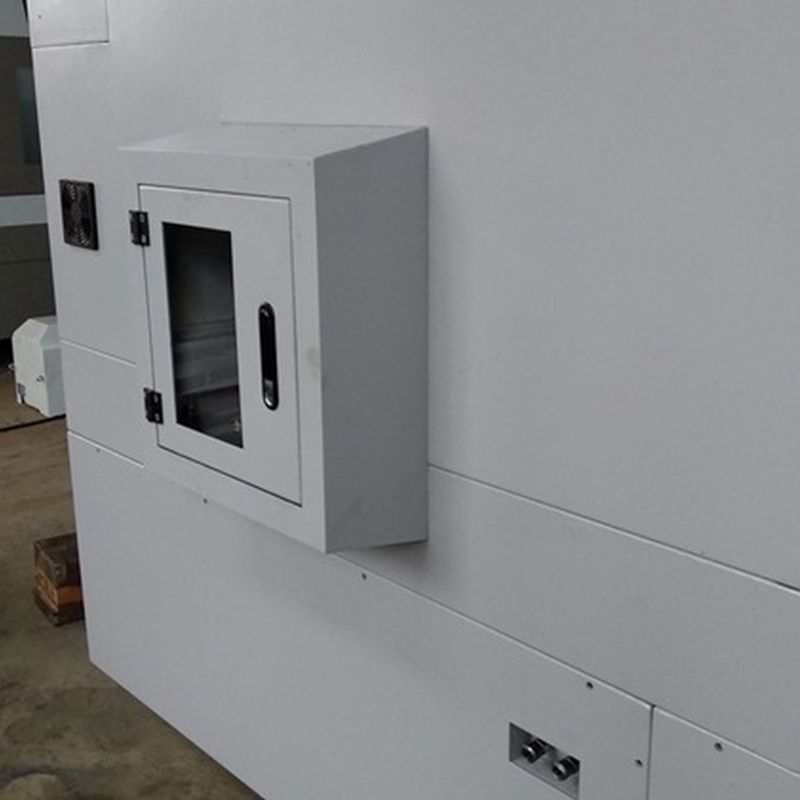
The wet flushing system emerges as an effective solution to control dust pollution in graphite processing. Its technical principle is based on the use of water to capture and remove dust particles. The key design points include the spraying method and water flow pressure adjustment. Different spraying methods, such as single - nozzle and multi - nozzle spraying, can be selected according to the specific processing environment. By adjusting the water flow pressure, the system can ensure that the water droplets can effectively capture dust particles of different sizes.
Single - nozzle spraying is suitable for small - scale processing areas, providing a concentrated water flow. Multi - nozzle spraying, on the other hand, can cover a larger area, which is more suitable for large - scale graphite processing workshops. It can increase the dust - capturing efficiency by up to 20% compared to single - nozzle spraying.
Proper water flow pressure is crucial for the wet flushing system. If the pressure is too low, the water droplets may not be able to reach the dust particles effectively. If the pressure is too high, it may cause splashing and waste of water. Generally, a pressure range of 2 - 5 MPa is recommended for most graphite processing scenarios.
When compared with traditional dry dust removal methods, wet flushing has several distinct advantages. In high - precision graphite processing environments, the accuracy requirements are extremely high. Dry dust removal methods may cause static electricity, which can attract dust particles back to the processed surface, affecting the processing accuracy. In contrast, wet flushing can avoid this problem. It can also cool the processing area, reducing the thermal deformation of the graphite material, which is beneficial for improving the processing quality. According to statistics, the processing accuracy can be improved by about 15% when using wet flushing in high - precision graphite processing.
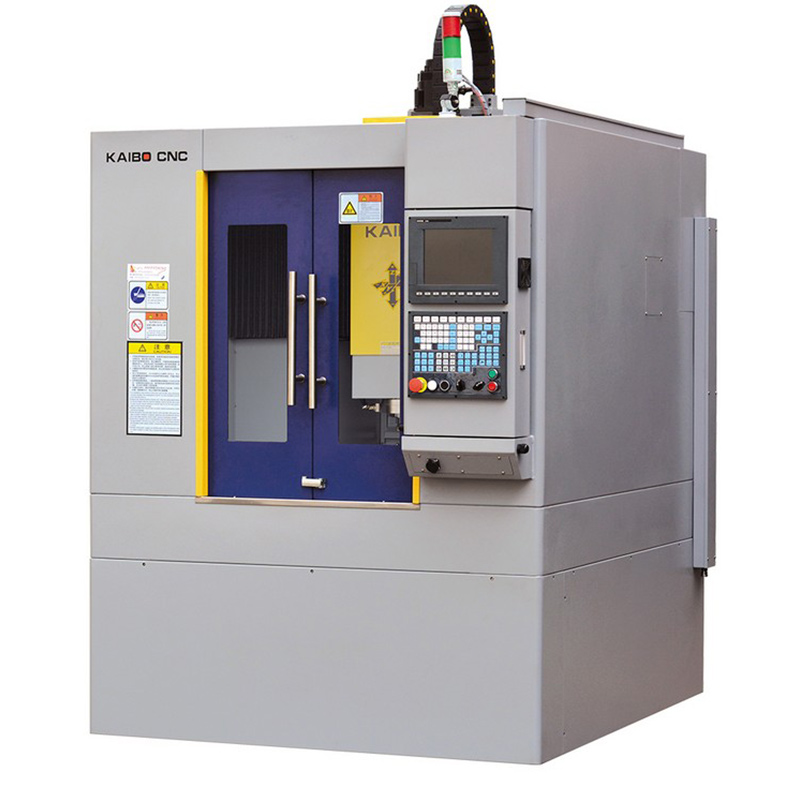
The DC6060G CNC machine tool is a typical example of integrating the wet flushing system. In the actual application on the DC6060G, the wet flushing system has shown excellent performance. It can effectively control the dust pollution in the processing area, ensuring a clean working environment. The filtration and recycling process of the wet flushing system can also save water resources. It can recycle up to 80% of the used water, reducing the water consumption cost.
To ensure the stable operation of the wet flushing system, regular maintenance is essential. This includes cleaning the nozzles to prevent blockage, checking the water pump for proper operation, and inspecting the filtration system. Common troubleshooting methods include checking the water flow and pressure when the dust - removal effect is not good. If there is a blockage in the nozzles, it can be cleaned with a special cleaning agent.
If you want to learn more about how the wet flushing system can improve the stability of your graphite processing equipment, click here to explore our comprehensive solutions.


