
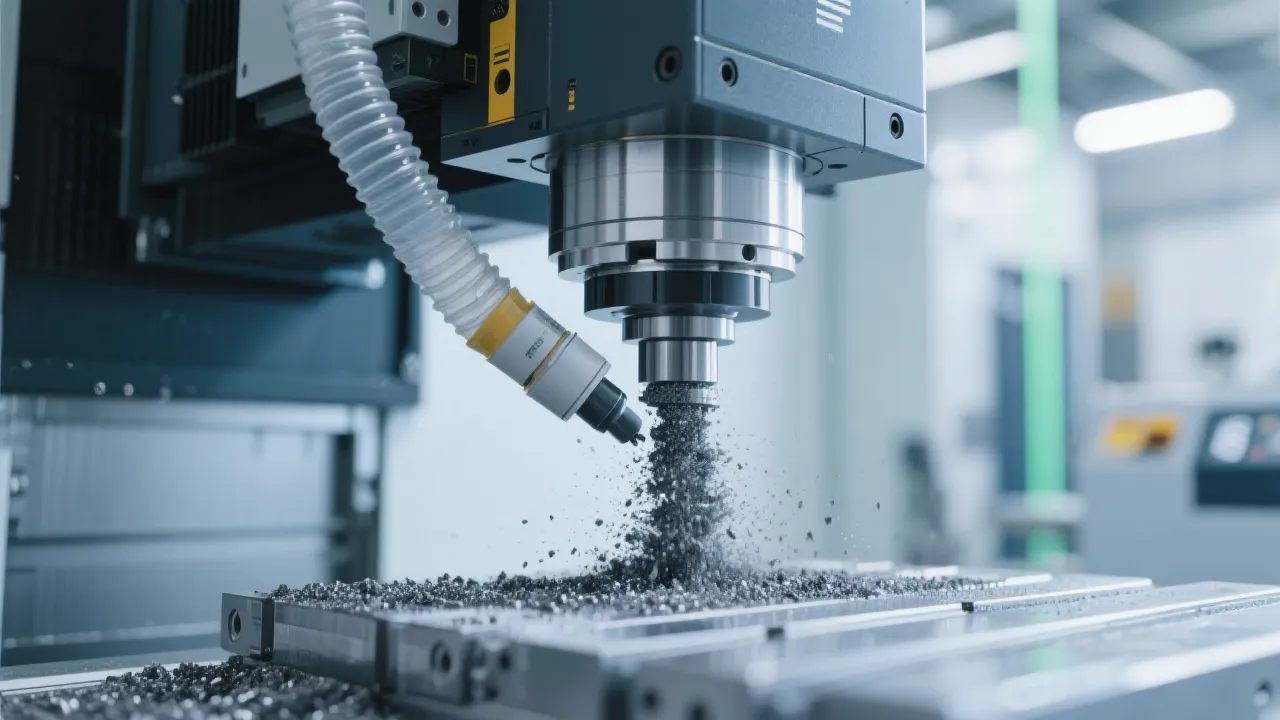
In graphite milling, you may often encounter issues such as rough surfaces, chipping, and burrs. These problems are mainly caused by improper tool selection and unreasonable cutting parameters. For example, using a tool with inappropriate material for high - brittleness graphite can lead to premature tool wear and poor surface quality. Rough surfaces can affect the fit and function of the final product, while chipping and burrs may require additional finishing processes, increasing production time and cost.
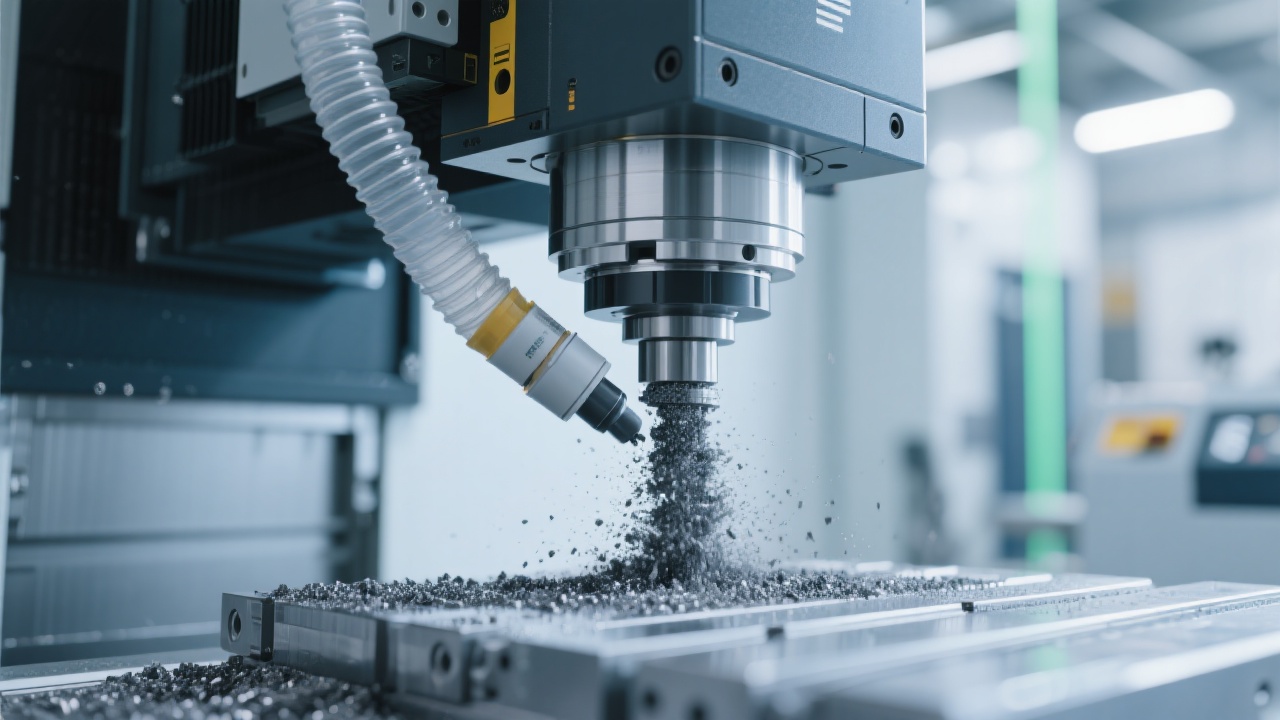
When selecting PCD tools for graphite machining, you need to consider the match between material characteristics and processing scenarios. For high - brittleness graphite, tools with fine - grained PCD materials are recommended. Fine - grained PCD can provide better edge sharpness and wear resistance, reducing the occurrence of chipping. For instance, a tool with a grain size of 2 - 5 microns can achieve a more stable cutting process compared to coarser - grained tools. You should also consider the tool geometry, such as the rake angle and clearance angle, which can significantly affect the cutting force and chip formation.
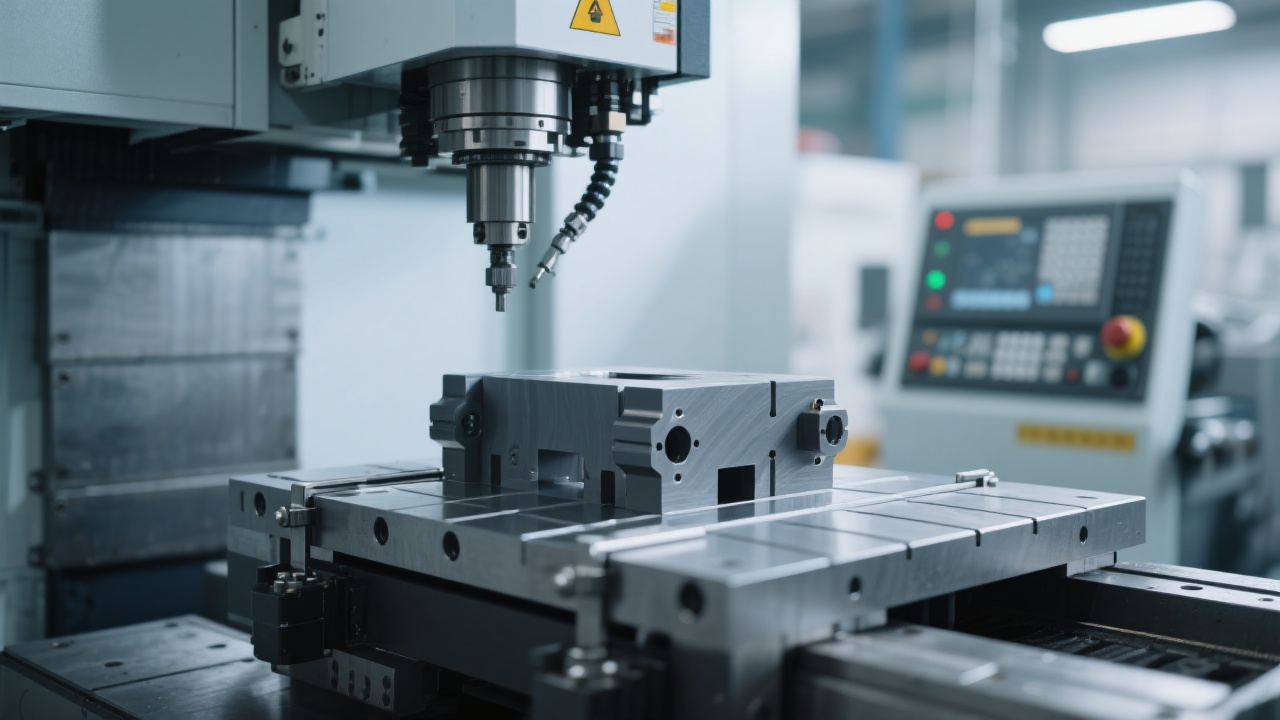
Cutting parameters, including spindle speed, feed rate, and cutting depth, have a profound impact on tool life and surface quality. Generally, a higher spindle speed can improve the cutting efficiency, but it may also increase the cutting temperature. A feed rate that is too high can cause excessive tool wear and poor surface finish, while a feed rate that is too low can reduce productivity. For example, for a graphite material with a hardness of 20 - 30 HRC, a spindle speed of 8000 - 12000 RPM and a feed rate of 1000 - 2000 mm/min can be a good starting point. The cutting depth should be controlled within 0.1 - 0.5 mm to ensure stable cutting.
| Cutting Parameter | Recommended Range |
|---|---|
| Spindle Speed (RPM) | 8000 - 12000 |
| Feed Rate (mm/min) | 1000 - 2000 |
| Cutting Depth (mm) | 0.1 - 0.5 |
The wet flushing system plays a crucial role in graphite machining. It can control the cutting heat, preventing the tool from overheating and reducing tool wear. Additionally, it can effectively remove dust and chips, preventing them from contaminating electronic components in the machining environment. The wet flushing system works by continuously supplying coolant to the cutting area, which not only cools the tool but also flushes away the chips. For example, a well - designed wet flushing system can reduce the cutting temperature by 30 - 50 degrees Celsius, significantly improving tool life.
"The wet flushing system in our DC6060G graphite machining center with a full - sealed design can significantly reduce the failure rate, ensuring a more stable and efficient machining process." - Industry Expert
We have a practical case where a company was facing severe surface roughness and tool wear issues in graphite machining. By optimizing the PCD tool selection, adjusting the cutting parameters, and implementing a wet flushing system, they were able to increase the product yield from 70% to 90% and improve the surface finish by 30%. We also provide a typical process parameter table and on - site cleaning process demonstration (with text and video assistance) to help you quickly apply these techniques in your production.
Here is a quick self - check list to help you avoid common mistakes and adjust the process in a timely manner:
If you encounter problems, adjust the process according to the priority of the above items. For example, if the surface quality is poor, first check the tool and cutting parameters, and then consider the wet flushing system.
Ready to revolutionize your graphite machining process? Discover the benefits of our DC6060G wet flushing graphite machining center and take your production to the next level!


