The shoe mold manufacturing industry is currently undergoing a significant transformation propelled by intelligent automation. Traditional CNC milling machines, long relied upon for precision cutting, are being revolutionized through the integration of advanced intelligent control systems. This article explores how these technological trends optimize production workflows, enhance precision, and provide scalable solutions for shoe mold manufacturers aiming for digital transformation in 2024.
Historically, shoe mold production has been hampered by high levels of manual intervention, resulting in inconsistent precision and costly reworks. These challenges severely limit batch production scalability and throughput. Traditional milling methods often struggle with the complex geometries inherent to shoe lasts, leading to inefficient toolpaths and extended processing times. According to industry benchmarks, such manual-dependent workflows can cause production cycle variability exceeding 15%, impacting delivery schedules and quality control.
Intelligent control systems have reshaped the capabilities of CNC milling by introducing advanced path planning algorithms, real-time tool compensation, and closed-loop feedback controls. These features enable machines to dynamically adjust to tool wear, vibration, and material inconsistencies, ensuring dimensional accuracy within micrometer-level tolerances.
The integration supports direct interaction with CAD/CAM software generating optimized multi-axis toolpaths. Automated tool compensation reduces operator dependency, and feedback loops immediately correct deviations during milling, preventing defect propagation.
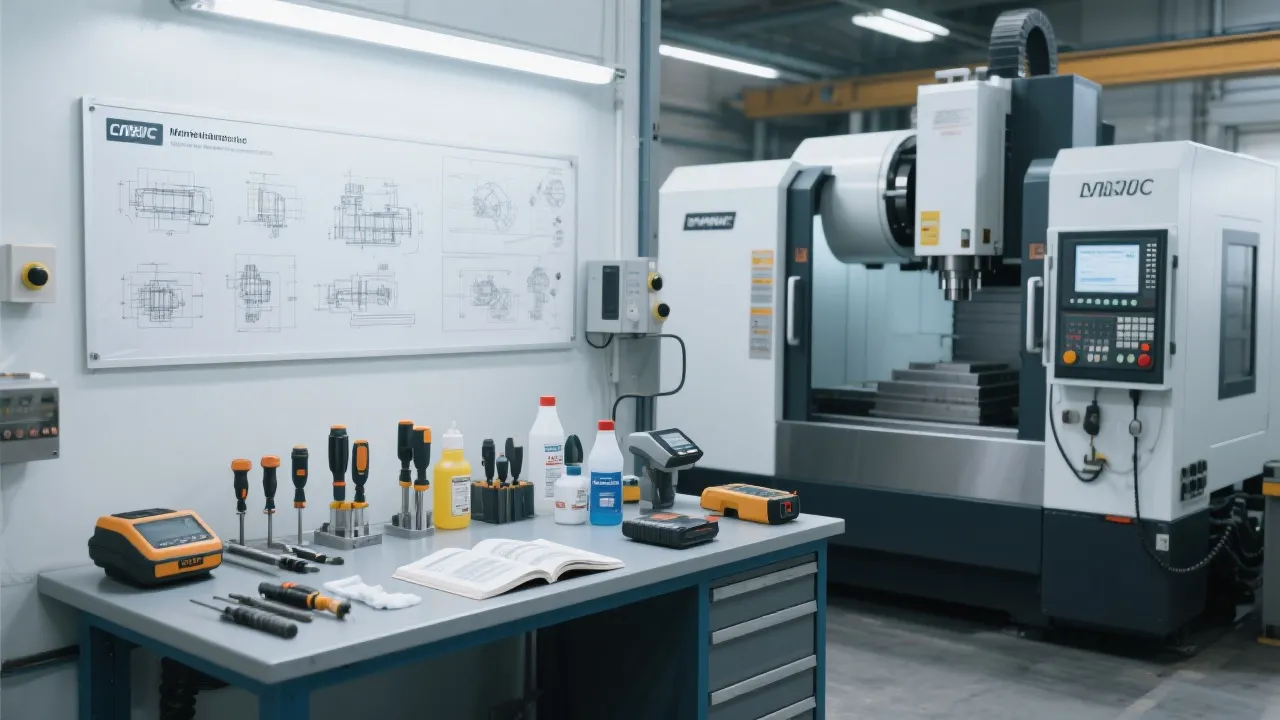
A prime example of these advances is embodied in the DC6060A five-axis CNC milling machine, equipped with an intelligent control system and a rotary worktable specifically designed for shoe last manufacturing. This configuration allows for enhanced maneuverability around complex curvatures, drastically improving machining accessibility and surface finish quality.
Incorporating the rotary table enables multidirectional tool engagement, reducing repositioning times by up to 40%. This leads to an overall production efficiency improvement exceeding 30%, as validated by a leading shoe mold factory that adopted this technology.
Client Insight: "Implementing the DC6060A with its intelligent control system has cut our single-piece processing cycle by nearly a third. This breakthrough not only boosted our throughput but significantly stabilized part accuracy, propelling us to meet tighter market deadlines with confidence."
The CNC milling intelligent systems are designed for flawless interoperability with digital design environments such as Rhino and Mastercam. This synergy facilitates the importation of high-fidelity 3D models directly into the machine control software, automating toolpath generation tailored to the unique geometries of shoe lasts.
The capability to maintain continuous digital communication between design and manufacturing stages paves the way for a comprehensive digital thread that enhances traceability, reduces setup errors by over 25%, and accelerates product release cycles.
For shoe mold manufacturers planning intelligent system adoption, several technical guidelines emerge: