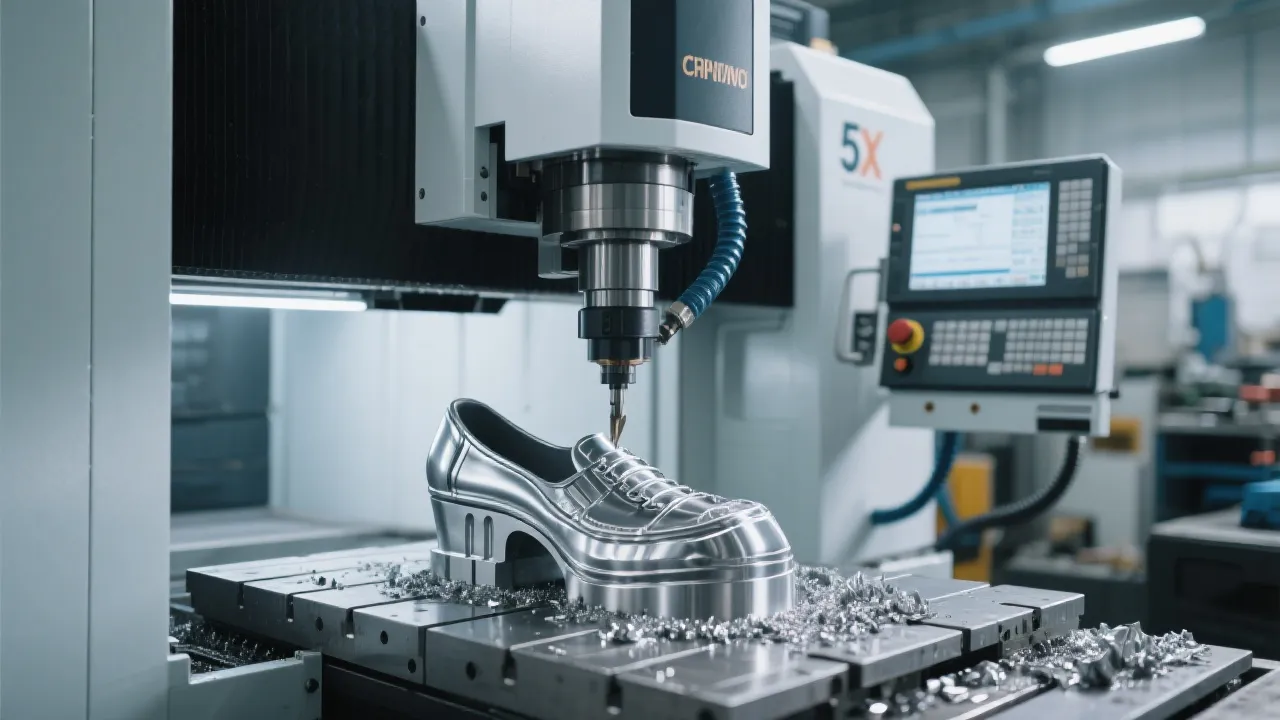
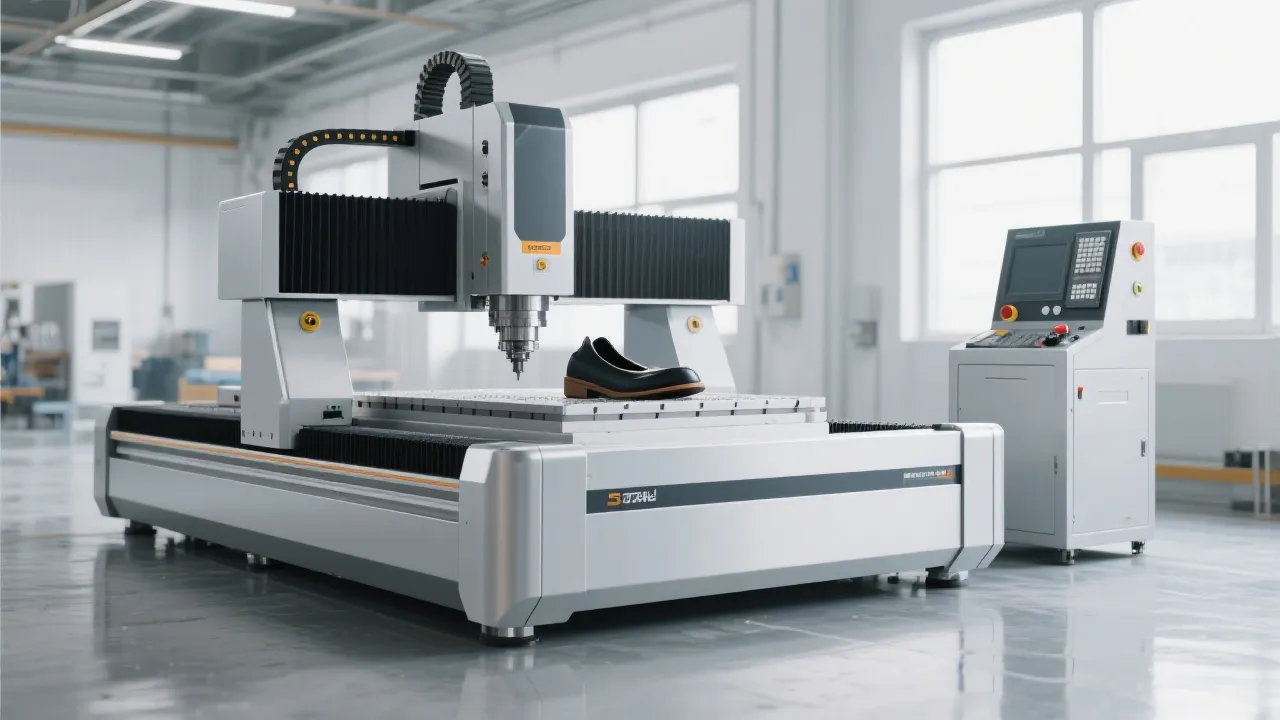
In the shoe mold manufacturing industry, the selection of CNC milling machines has a direct impact on production efficiency and cost control. As you navigate the challenges of this competitive field, understanding the advantages of advanced technologies can be a game-changer for your business.
You may have experienced the pain points in shoe mold manufacturing, such as low product yield due to unstable equipment, frequent production changeovers, and high reliance on manual labor. These issues not only increase production costs but also limit your ability to meet market demands efficiently. For instance, traditional equipment may have a product yield of only about 80%, while modern solutions can significantly improve this figure.
Several key performance indicators play crucial roles in the production process, including machine rigidity, spindle torque, and control system response speed. Machine rigidity affects the stability of the milling process, and a high-rigidity machine can reduce vibration and improve machining accuracy. Spindle torque determines the cutting ability, especially for hard materials. Meanwhile, the control system's response speed directly influences the processing efficiency and the ability to handle complex geometries.
When comparing the Syntec controller with traditional systems, significant differences emerge in terms of machining accuracy, thermal stability, and programming efficiency. In terms of machining accuracy, the Syntec controller can achieve an accuracy improvement of up to 30%, ensuring that your shoe molds meet the strictest quality standards. Regarding thermal stability, it reduces thermal deformation by 20%, which is crucial for long-term continuous processing. And in programming efficiency, it can save up to 40% of programming time, allowing you to respond more quickly to production needs.
| Performance Indicator | Syntec Controller | Traditional System |
|---|---|---|
| Machining Accuracy | Up to 30% improvement | Standard level |
| Thermal Stability | 20% less thermal deformation | Higher thermal deformation |
| Programming Efficiency | Up to 40% time savings | Longer programming time |
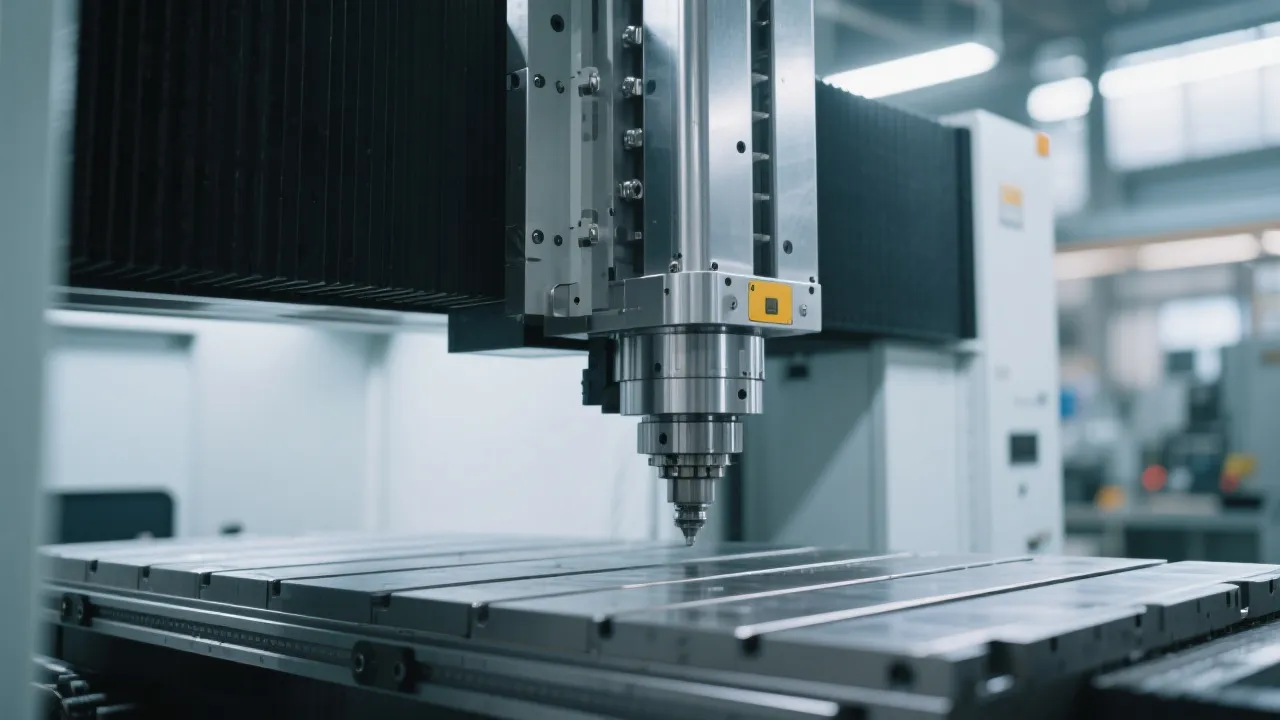
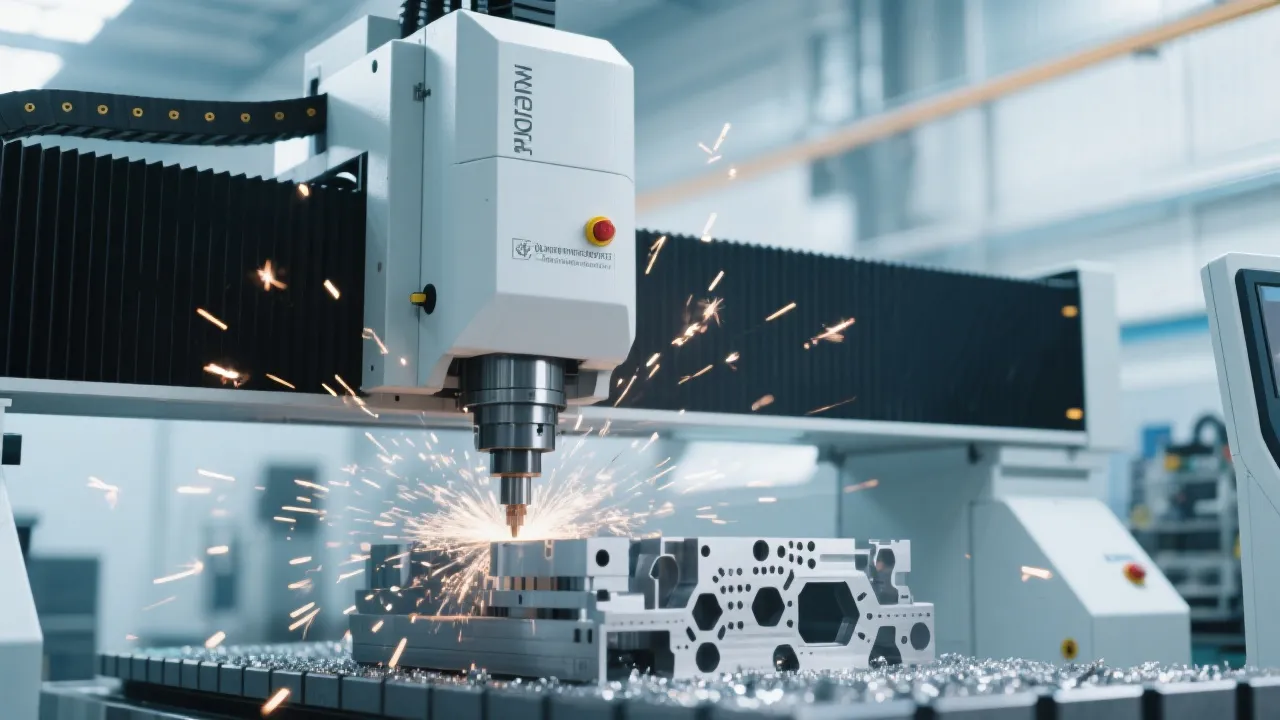
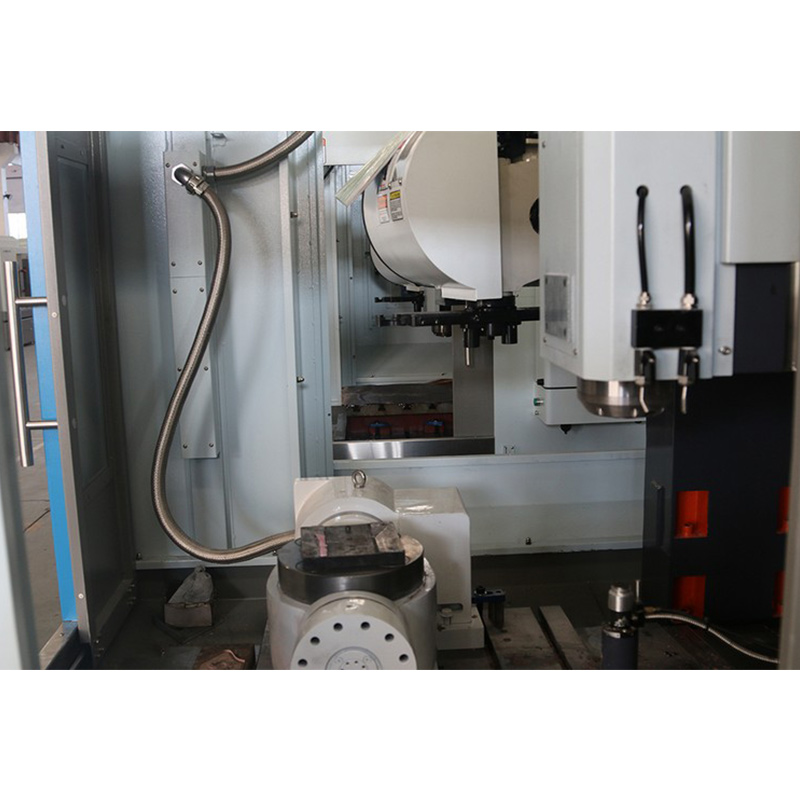
Let's take a look at how the DC6070 five-axis shoe last CNC milling machine, equipped with the Syntec control system, performs in a real application scenario. When working with a rotary table, the DC6070 can achieve an overall processing efficiency improvement of about 50%. This means that you can produce more high - quality shoe molds in less time, giving you a competitive edge in the market.
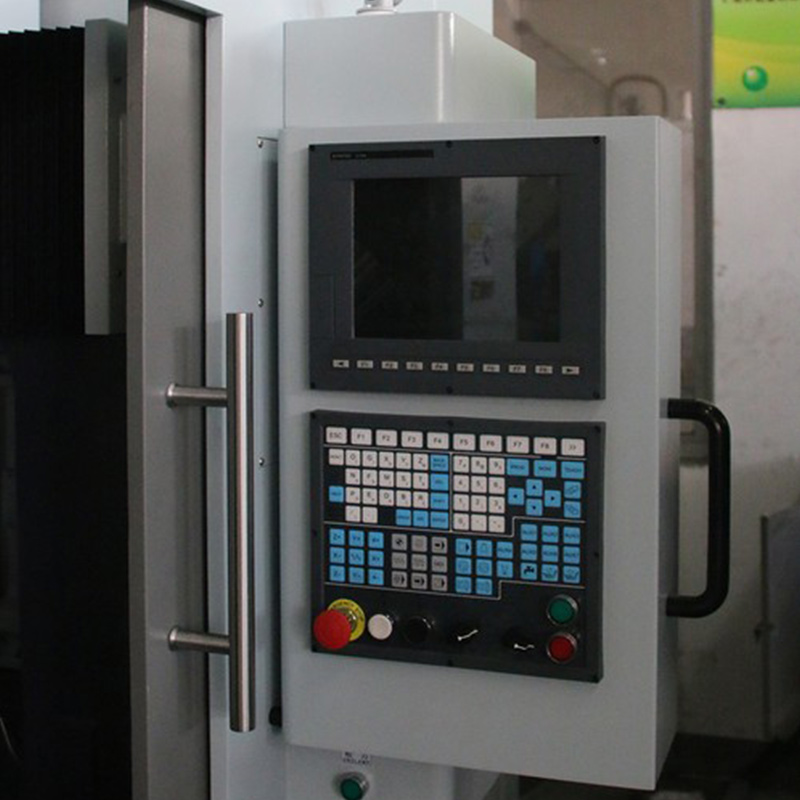
Building a cost-benefit model is essential for evaluating the investment in new equipment. By calculating the return on investment (ROI), you can determine whether the upgrade is worthwhile. Many industry customers have reported significant improvements in their bottom line after adopting the DC6070. For example, one customer saw a 60% increase in profit within the first year of using the machine, thanks to improved production efficiency and product quality.
"Since we installed the DC6070 with the Syntec control system, our production efficiency has skyrocketed, and our product quality has reached a new level. It's been a great investment for our business." - A satisfied customer
The future of shoe mold manufacturing lies in the combination of five-axis linkage and intelligent control. These technologies will enable more complex and precise machining, as well as greater automation. By staying ahead of these trends and upgrading your equipment, you can ensure the long - term success of your business.
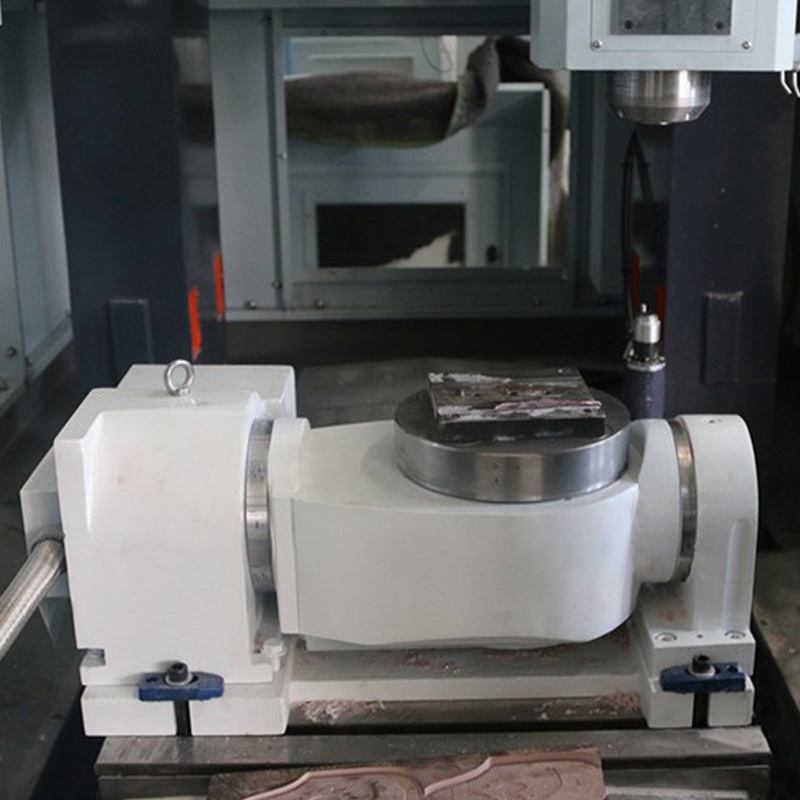
If you're ready to take your shoe mold manufacturing to the next level, don't miss out on the opportunity to explore the DC6070. Click here to view the detailed configuration of the DC6070 and get a customized solution consultation.