
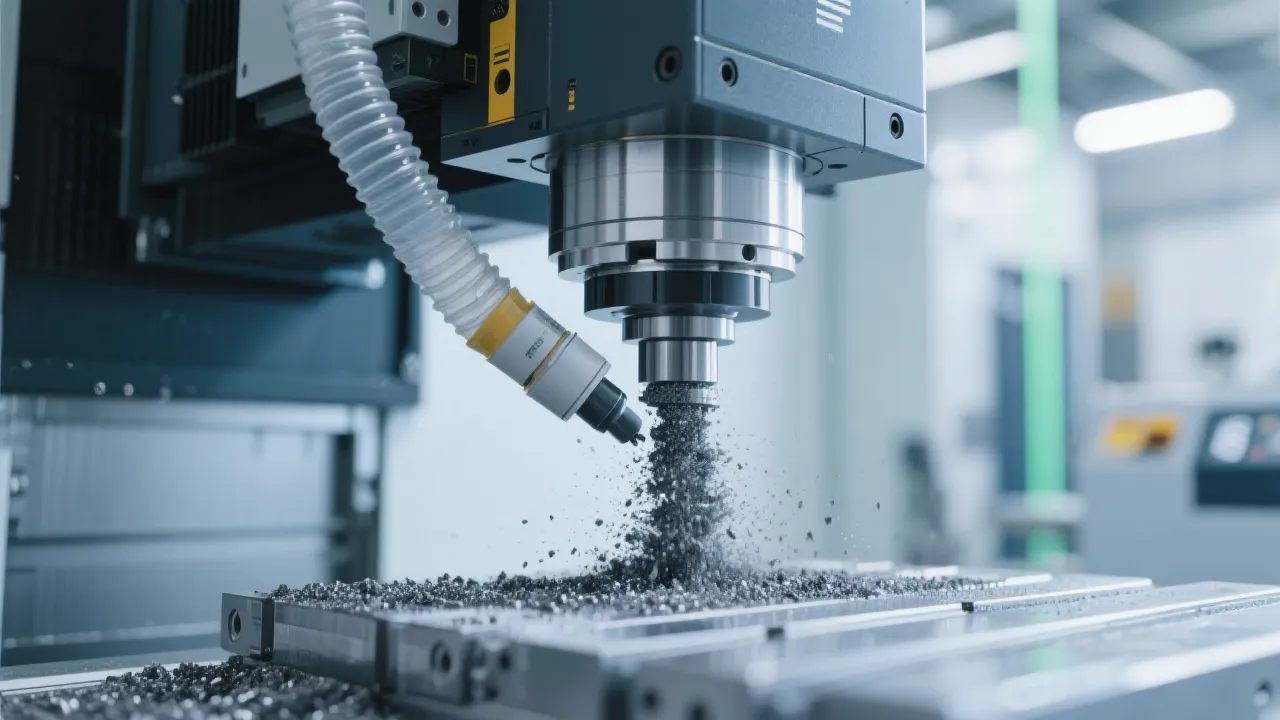
In high-precision industries like lithium battery electrode manufacturing and aerospace composites, dust contamination is not just a nuisance—it’s a silent killer of machine uptime. Conventional open-frame CNC machines used for graphite processing often suffer from premature wear on servo motors, encoders, and linear guides due to fine particulate infiltration. According to field data from 20+ factories across Asia and Europe, traditional setups experience an average of 3–5 unplanned maintenance events per month, with MTBF (Mean Time Between Failures) averaging only 800 hours.
The DC6060G wet-cleaning graphite machining center introduces a revolutionary full-seal design that combines material science, dynamic sealing technology, and intelligent airflow control. Instead of relying on simple covers or filters, this system uses:
This isn't just about blocking particles—it's about creating a stable microclimate inside the machine. By integrating temperature sensors and variable-speed fans, the system maintains optimal internal temperatures without overheating critical components.
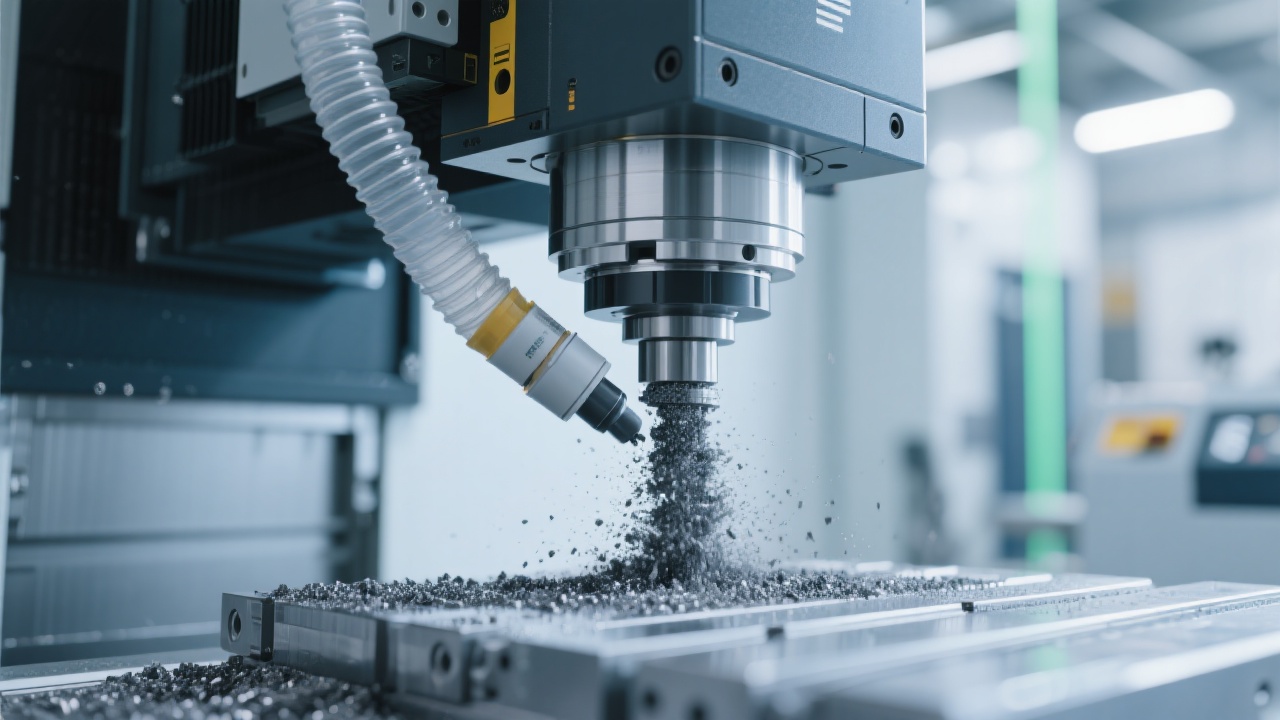
A Tier-1 EV battery manufacturer in Germany reported measurable improvements after switching to sealed CNC solutions:
| Metric | Before Sealing | After Sealing |
|---|---|---|
| MTBF (hours) | 800 | 1,040 (+30%) |
| Monthly Maintenance Events | 4.7 | 1.2 (-74%) |
| Downtime Cost Per Incident | $1,800 | $600 |
These numbers aren’t hypothetical—they reflect real operational gains in production continuity, labor savings, and reduced component replacement costs.
“Since implementing the sealed enclosure, our team has shifted from reactive to proactive maintenance. The machine now runs continuously for over 100 hours between checks.”
— Markus Weber, Production Lead, Fraunhofer Institute Partner Facility
Whether you're producing lithium-ion electrodes or carbon fiber parts for aircraft, cleanroom-grade protection isn’t optional—it’s essential for long-term competitiveness.
Want to see how your current setup stacks up? Download our free “High-Cleanliness CNC Protection White Paper” PDF—packed with technical diagrams, case studies, and implementation checklists tailored for precision manufacturing.
Get Your Free White Paper Now →


