

Graphite processing generates a significant amount of dust, which poses serious threats to both equipment and personnel. According to industry statistics, in graphite processing workshops without proper dust control, the dust concentration can reach up to 100 mg/m³, far exceeding the safety standard of 10 mg/m³. High - concentration dust can cause abrasion to equipment components, such as reducing the service life of bearings in CNC machine tools by up to 30%. For operators, long - term exposure to graphite dust can lead to respiratory diseases, affecting work efficiency and health.

The wet flushing system in graphite processing consists of several key parts. The spraying system is responsible for dispersing water to capture dust particles. By adjusting the spraying angle and density, it can effectively cover the processing area. The water pressure control mechanism ensures that the water has sufficient force to capture dust, with an optimal pressure range of 2 - 5 MPa. The filtration and recovery system is used to separate dust from water, and the recovery rate can reach up to 90%, which not only reduces water consumption but also minimizes environmental pollution.
There are two main spraying methods: direct spraying and mist spraying. Direct spraying is suitable for areas with high dust concentration, while mist spraying is more effective for fine dust particles.
Proper water pressure is crucial for the wet flushing system. Too low pressure may result in insufficient dust capture, while too high pressure can cause water splashing. The system usually uses a pressure sensor and a regulating valve to maintain stable water pressure.
The filtration process involves multiple stages, including sedimentation, filtration through filter media, and final purification. This ensures that the recycled water can be reused in the system.
Dry dust removal methods, such as using bag filters, have limitations. They are less effective in capturing fine dust particles, with a dust removal efficiency of only about 80%. In addition, dry dust removal systems are more prone to blockages, which require frequent maintenance. In contrast, wet flushing systems can achieve a dust removal efficiency of over 95% and are more suitable for continuous - operation graphite processing environments.
| Aspect | Dry Dust Removal | Wet Flushing |
|---|---|---|
| Dust Removal Efficiency | About 80% | Over 95% |
| Maintenance Frequency | High | Low |
| Applicable Scenarios | Low - dust environments | High - dust continuous - operation environments |
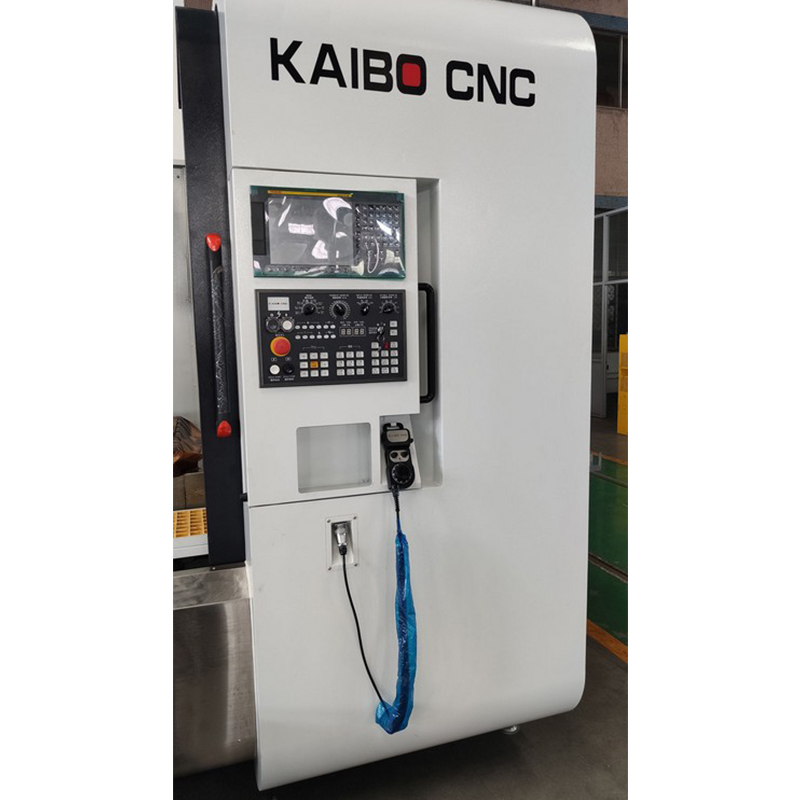
The DC6060G graphite processing center with an integrated wet flushing system has significant advantages. Its integrated design reduces the footprint by 30% compared to non - integrated systems. In a real - world application, it has effectively reduced the dust concentration in the workshop to below 5 mg/m³, greatly improving the working environment and equipment stability.
Common faults in the wet flushing system include spraying nozzle blockages, water pump failures, and filtration system malfunctions. For nozzle blockages, a simple visual inspection can be used to identify the problem, and cleaning or replacement can be carried out. Water pump failures can be diagnosed by checking the motor current and water pressure. If the current is abnormal or the water pressure is unstable, the pump may need maintenance or replacement. Filtration system malfunctions can be detected by monitoring the water quality and the pressure difference across the filter.
To ensure the normal operation of the wet flushing system, a standardized maintenance cycle is necessary. The spraying nozzles should be cleaned every 2 weeks, the water pump should be inspected monthly, and the filtration system should be replaced every 3 months. Preventive maintenance measures, such as regular water quality testing and system parameter monitoring, can help detect potential problems in advance and reduce the probability of system failures.
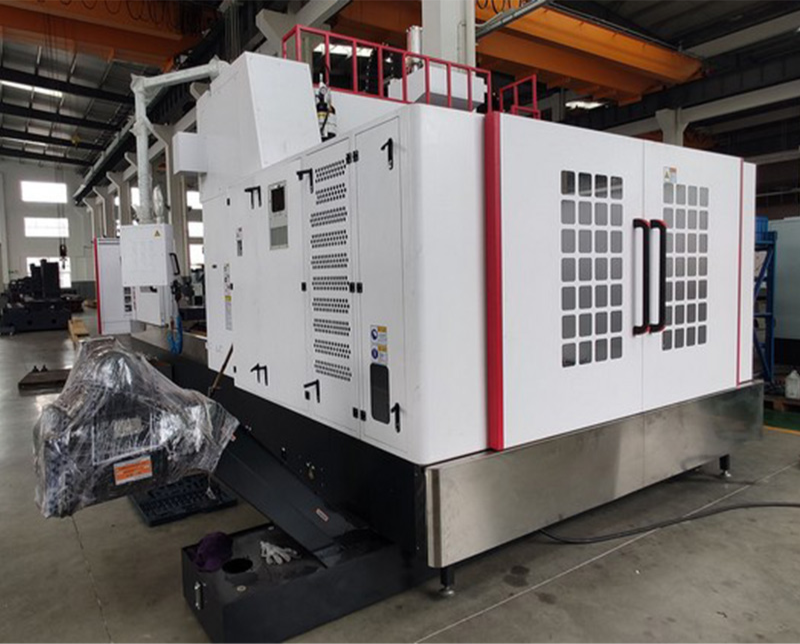
If you are in the graphite processing industry and looking for a reliable solution to control dust and improve equipment stability, the DC6060G wet flushing system is an excellent choice. It offers high - efficiency dust control, integrated design, and easy maintenance. Click here to learn more about the DC6060G and how it can benefit your graphite processing operations.


