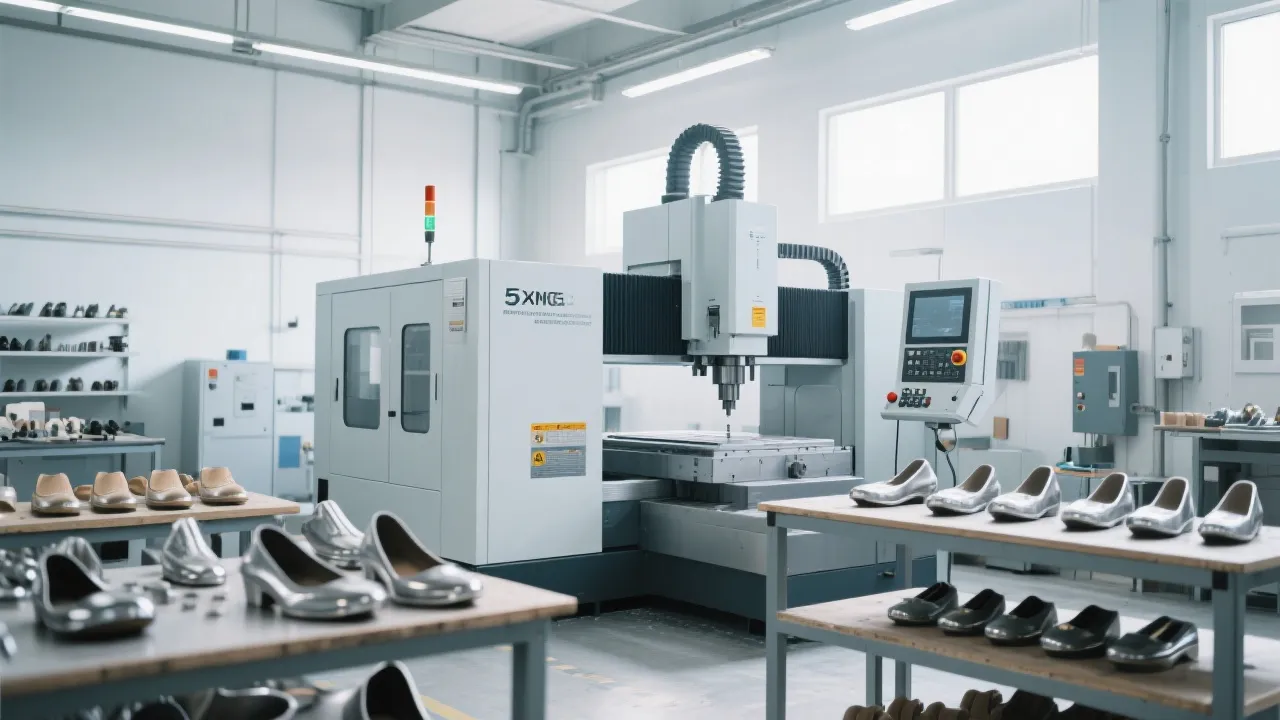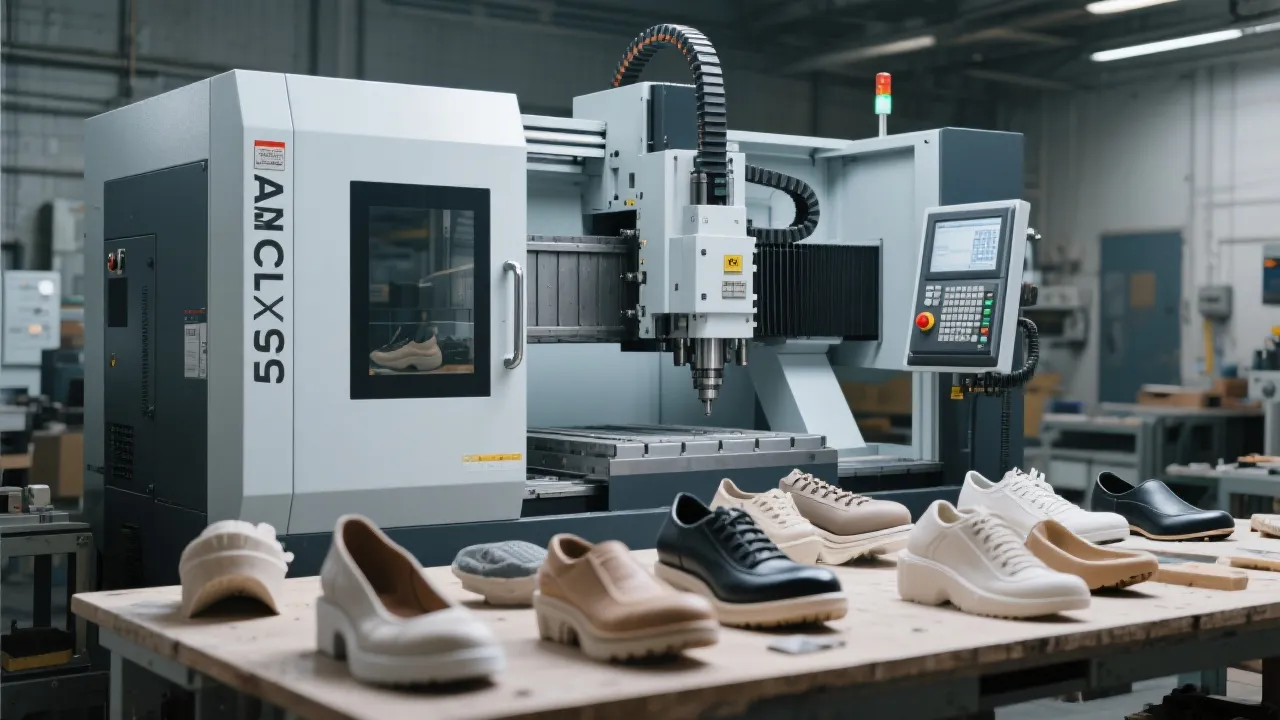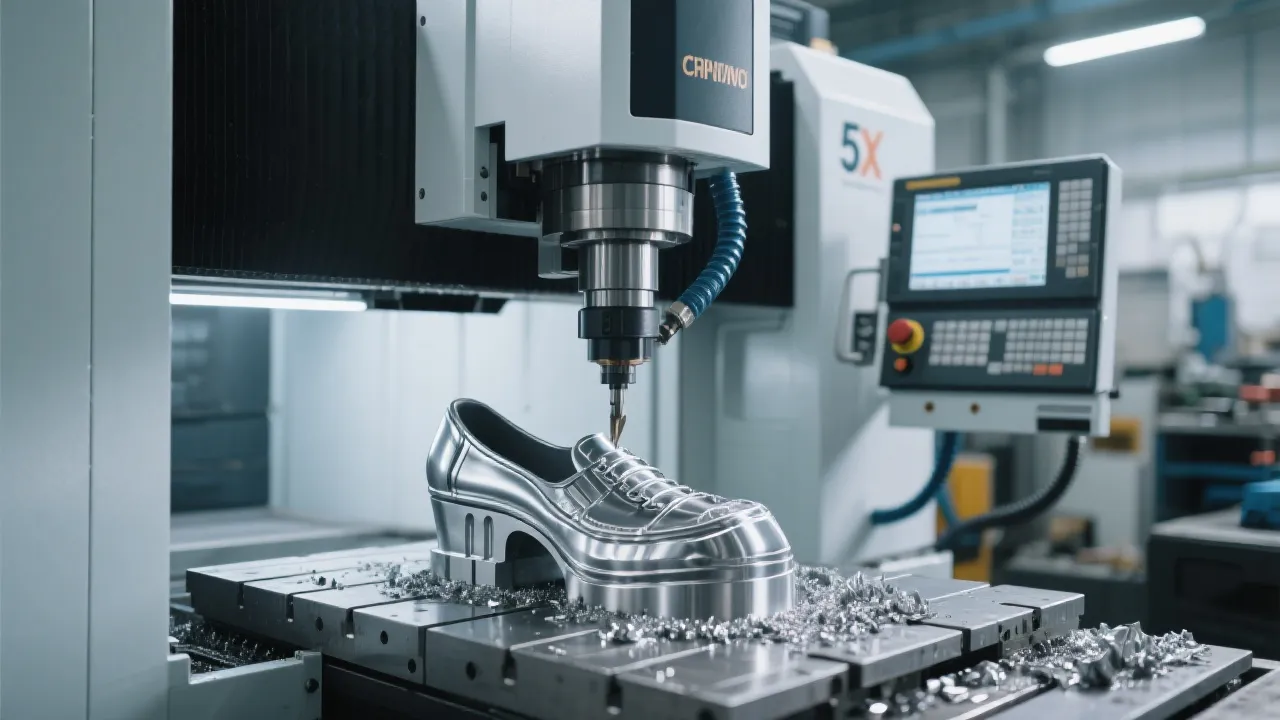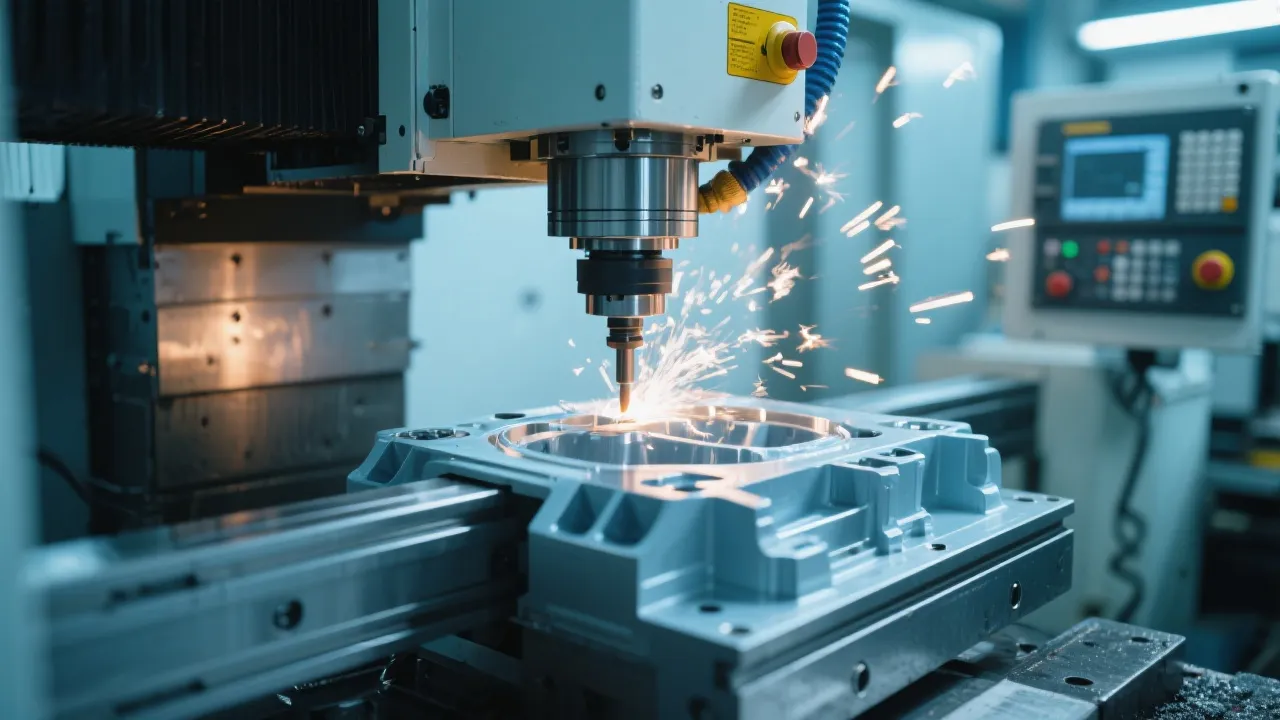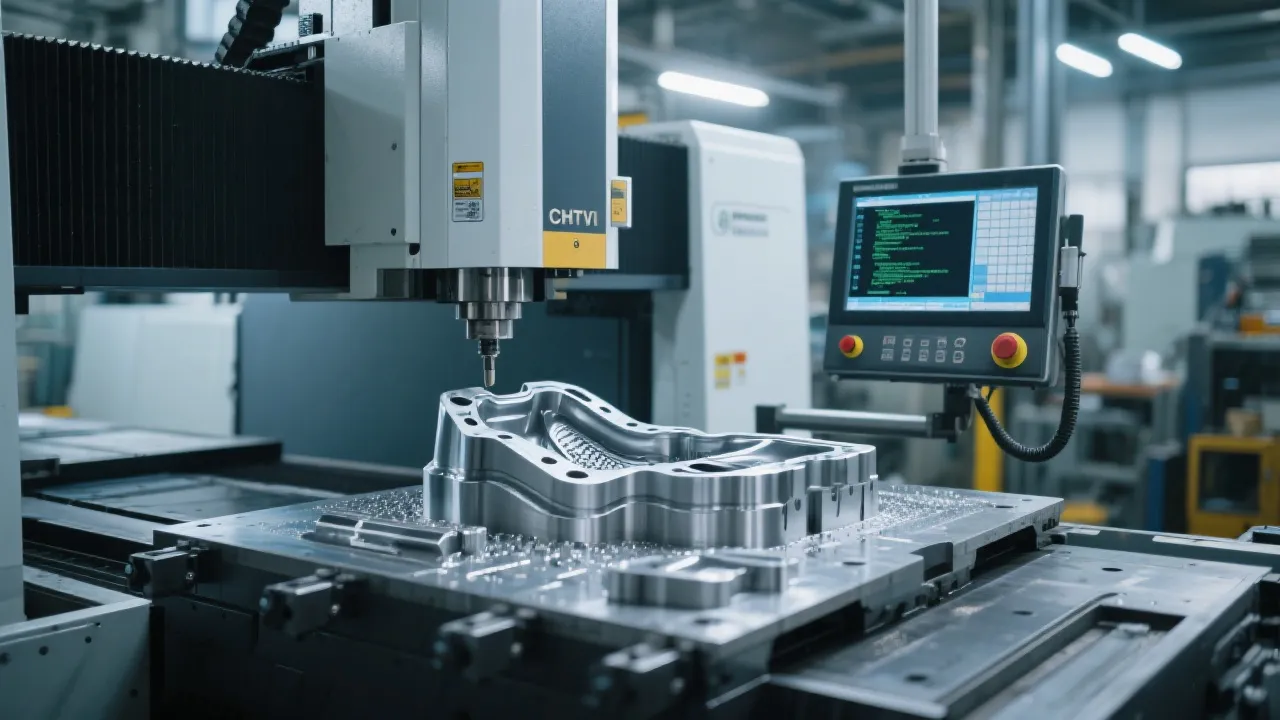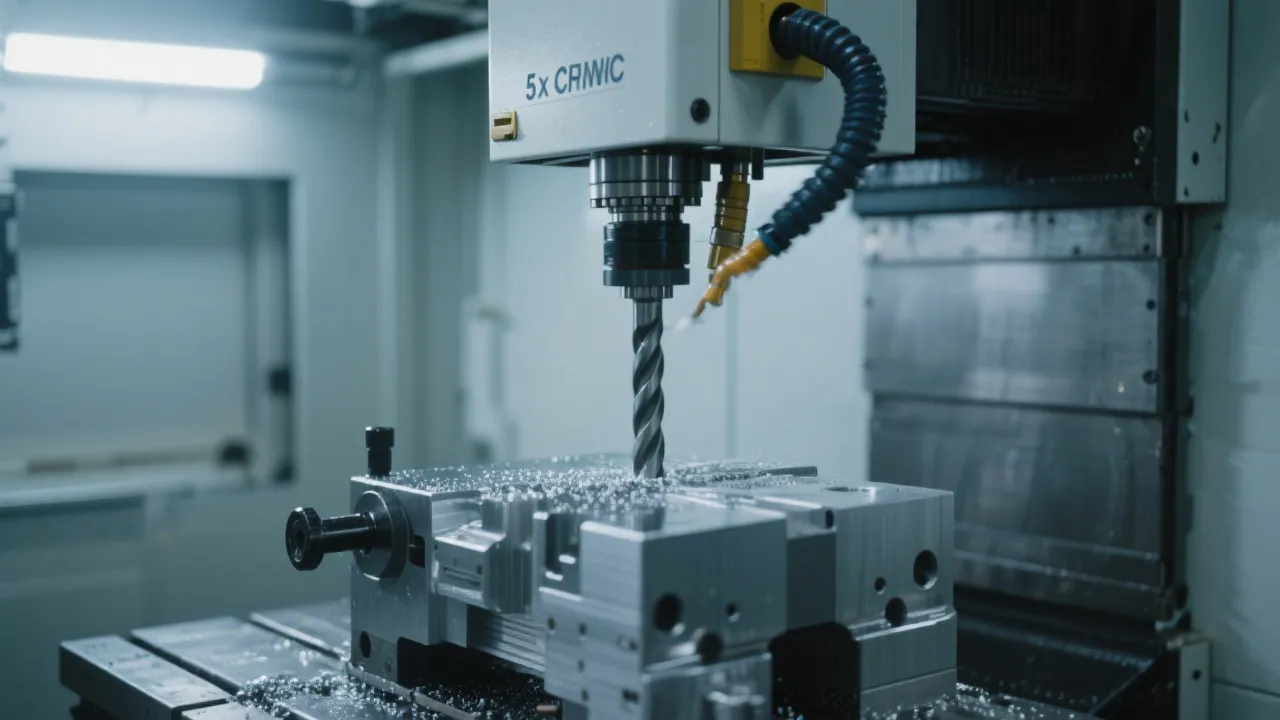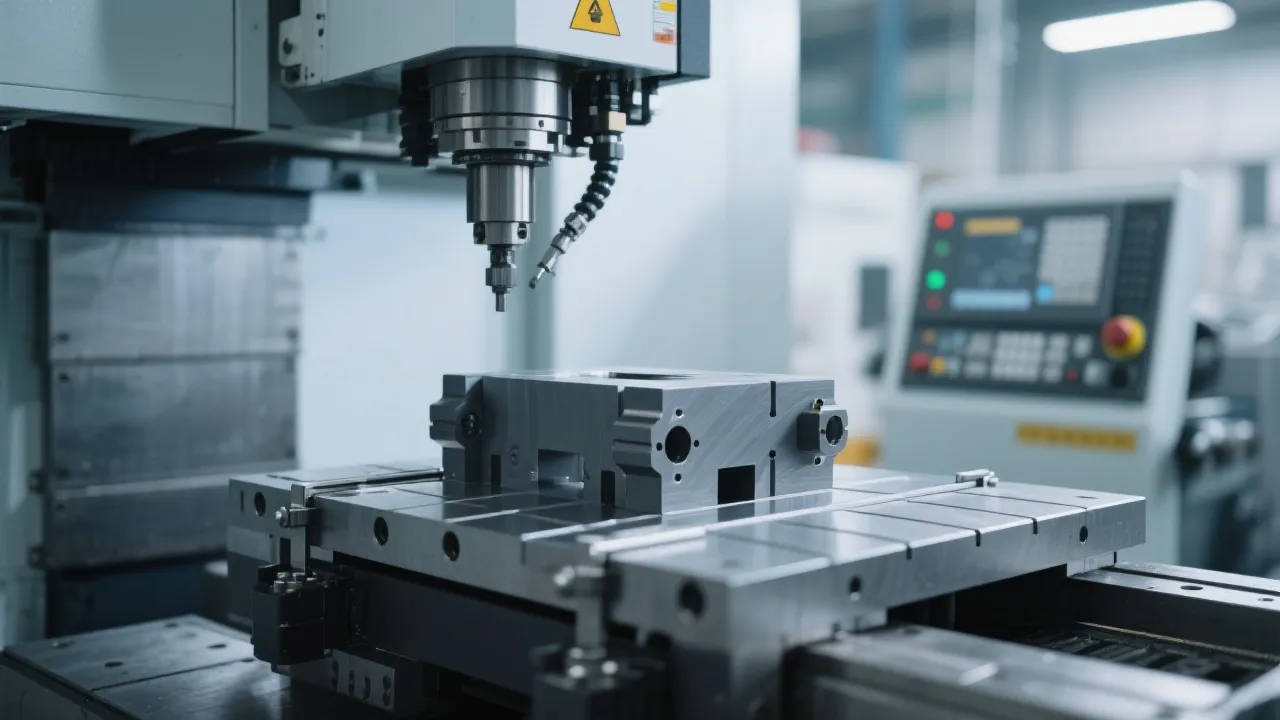
In the precision manufacturing sector, where components often require tolerances measured in micrometers, graphite parts have become indispensable across advanced industries. From aerospace components that withstand extreme temperatures to battery current collectors in next-generation energy storage systems, the accuracy of graphite machining directly impacts final product performance and reliability. This article explores the critical factors influencing graphite machining precision and how technological innovations are addressing these challenges.
Graphite's unique properties—high thermal conductivity, low coefficient of thermal expansion, and excellent machinability—make it ideal for precision applications, yet these same characteristics present distinct machining challenges. Unlike metals, graphite produces abrasive dust that can damage equipment, and its brittle nature requires specialized handling to prevent chipping and micro-fractures.
Industry research indicates that precision graphite components typically require tolerances between ±0.001mm to ±0.005mm for aerospace applications, while新能源 battery components demand consistent surface finishes below Ra 0.8μm to ensure optimal electrical conductivity.
The foundation of precise graphite machining lies in tool design. Carbide tools with diamond coatings have emerged as the industry standard, offering extended tool life and superior surface finishes. The rake angle, clearance angle, and edge radius must be carefully optimized—typically a negative rake angle between -5° to -15° for graphite to minimize cutting forces and prevent workpiece damage.
Modern dry vacuum graphite machining centers often employ specialized tool holders with runout tolerances below 3μm, ensuring consistent cutting performance even at high spindle speeds exceeding 30,000 RPM.
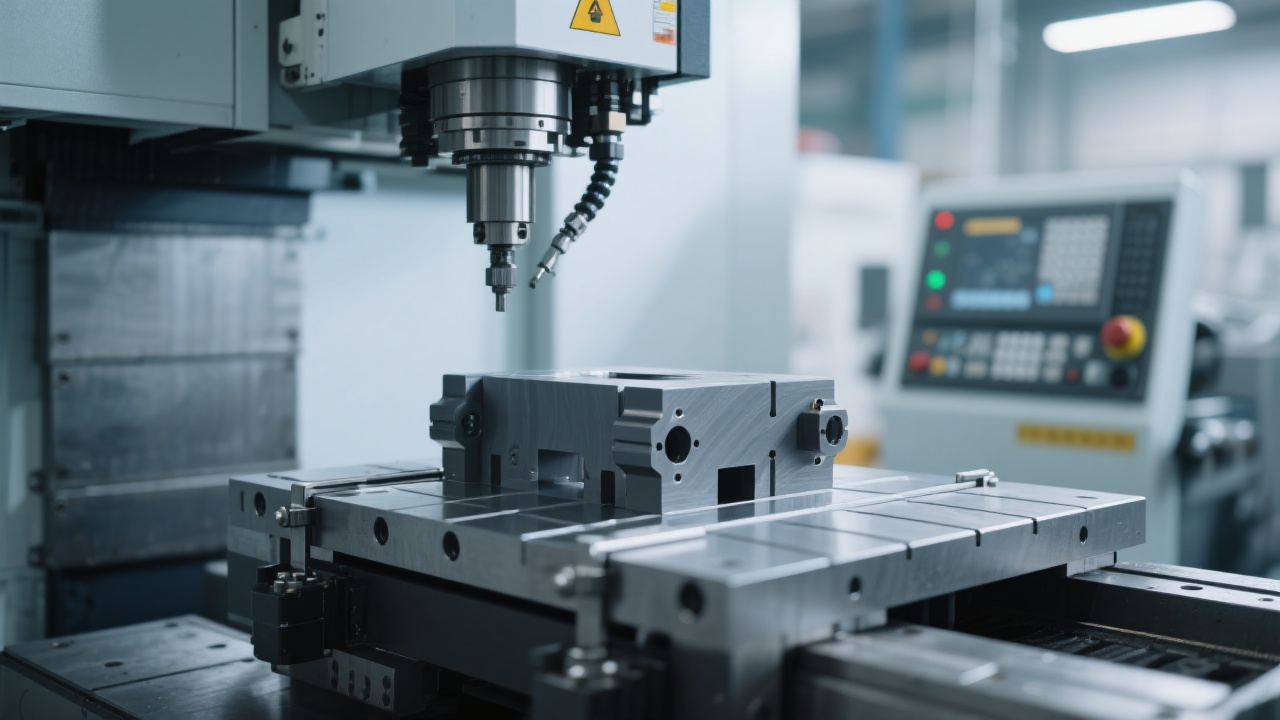
Balancing cutting speed and feed rate is critical for graphite precision. Excessive feed rates can cause tool breakage and surface chipping, while overly slow rates increase machining time and heat accumulation. Optimal parameters typically range from 150-300 m/min cutting speed with feed rates between 0.05-0.15 mm/tooth, depending on graphite grade and part complexity.
Case Study: A leading aerospace component manufacturer reduced surface roughness by 40% and tool wear by 35% after implementing adaptive feed rate technology on their CNC milling graphite machining center, resulting in annual savings of $120,000 in tooling costs alone.
Traditional wet machining methods are impractical for graphite due to dust contamination and material porosity. Dry vacuum systems have revolutionized the industry by efficiently removing graphite dust while maintaining stable machining conditions. The dry non-cooling graphite machining process eliminates thermal distortion caused by coolant temperature variations, a factor responsible for up to 60% of dimensional inaccuracies in precision parts.
Micro-vibrations during machining can compromise precision, especially when working with thin-walled graphite components. Advanced machine designs incorporate high-grade cast iron structures with optimized ribbing patterns to enhance rigidity. Active vibration damping systems further reduce amplitude to below 2μm, ensuring stable cutting even during high-speed operations.
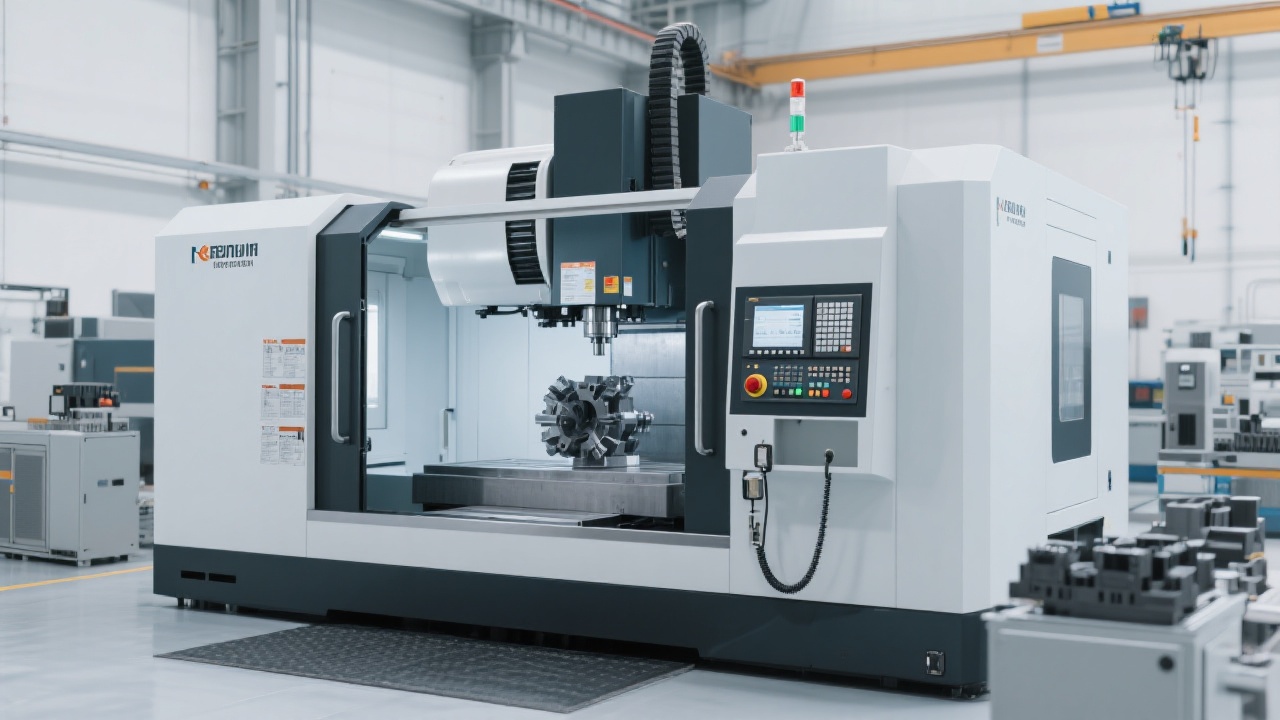
The fully enclosed structure graphite machine represents a significant advancement in maintaining machining consistency. By isolating the working area from external environmental factors, these designs address two critical precision challenges:
Manufacturers utilizing fully enclosed machines report consistent part-to-part accuracy within ±0.002mm, a level unattainable with conventional open-frame designs.
In aerospace applications, where graphite components serve as heat sinks and structural elements in engine systems, machining precision directly impacts operational safety. A recent implementation of advanced graphite machining technology by a major aircraft engine manufacturer resulted in a 50% reduction in component rejection rates and a 30% improvement in assembly efficiency.
Similarly, in the新能源 battery sector, precise graphite machining ensures uniform current distribution and optimal energy density. Battery manufacturers report that improved machining accuracy has contributed to a 5-8% increase in battery cycle life and charge efficiency.
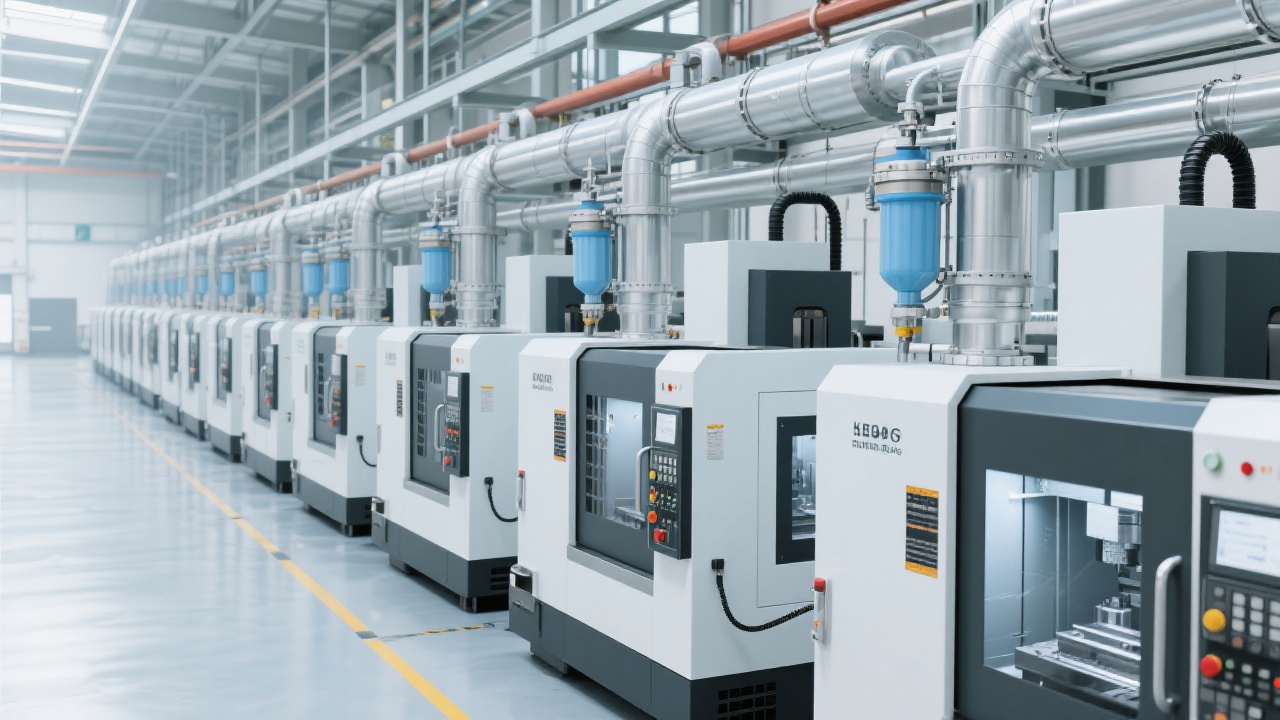
Achieving consistent high precision in graphite machining requires a holistic approach that combines equipment capabilities with process control. Key considerations include:
Discover how 凯博数控's advanced machining solutions can help you achieve consistent sub-micron precision and reduce production costs. Learn practical techniques for minimizing thermal distortion and enhancing process stability in your manufacturing operations.
Explore Precision Enhancement SolutionsAs manufacturers continue to push the boundaries of precision engineering, the role of advanced graphite machining technology becomes increasingly critical. By addressing the key factors influencing accuracy and implementing innovative solutions like enclosed machine structures and optimized tooling strategies, companies can not only meet but exceed the stringent quality requirements of today's global marketplace.