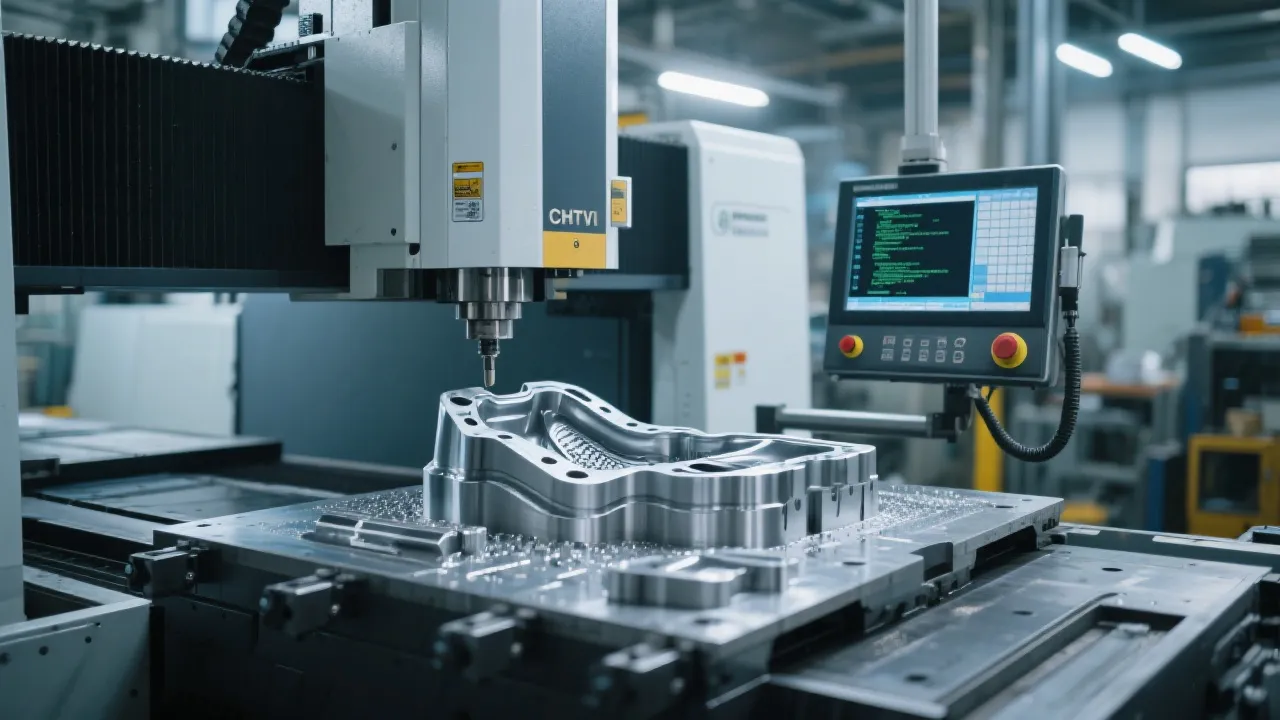
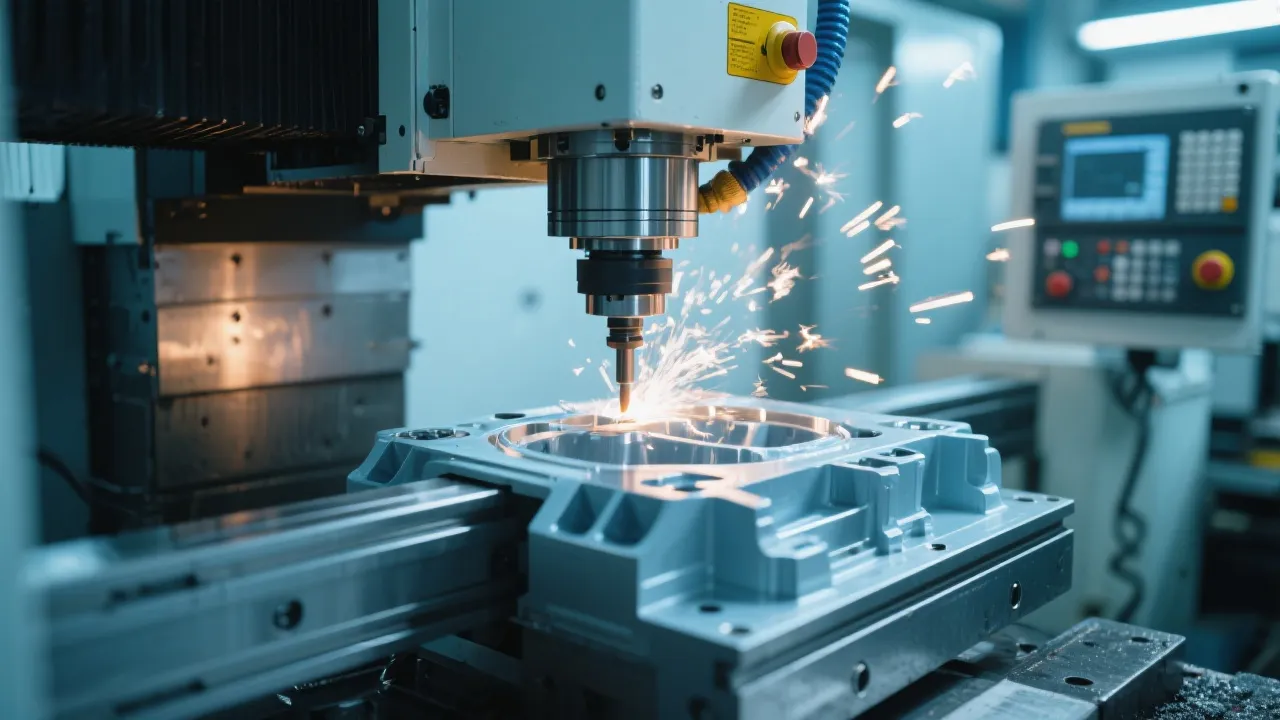
In the realm of high-end manufacturing, graphite molds serve as the backbone for producing complex components across industries such as aerospace, automotive, and precision electronics. However, manufacturers worldwide face persistent challenges with micro-cracks and dimensional distortions, primarily caused by uncontrolled machining stress and thermal deformation during processing. These issues not only compromise mold accuracy—often deviating by 0.02mm or more from specifications—but also significantly reduce tool lifespan by up to 30% in extreme cases.
Industry Challenge: A recent survey of 200 precision manufacturing facilities revealed that 78% identified machining stress and thermal deformation as their primary quality control concerns, leading to an average of 12% production waste and 18% delivery delays.
Dry machining, the conventional approach for graphite processing, generates extreme temperatures—often exceeding 300°C at the cutting interface. This thermal intensity causes uneven expansion and contraction of the graphite matrix, resulting in residual stresses that manifest as post-machining warpage. Additionally, the absence of coolant in dry processes leads to increased friction, accelerating tool wear and producing suboptimal surface finishes with Ra values typically ranging from 1.6μm to 3.2μm.
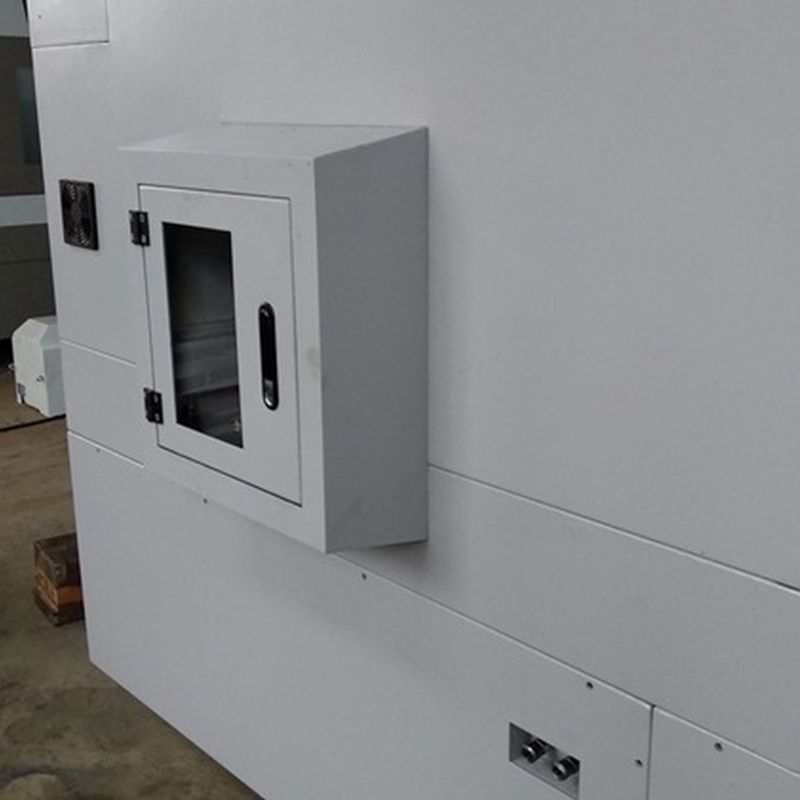
凯博数控 has pioneered an advanced wet machining system that addresses these challenges through a synergistic integration of multi-axis control technology and precision coolant delivery. The system's core advantage lies in its ability to maintain a stable thermal environment during machining, reducing temperature fluctuations to within ±2°C and minimizing thermal stress-induced deformation.
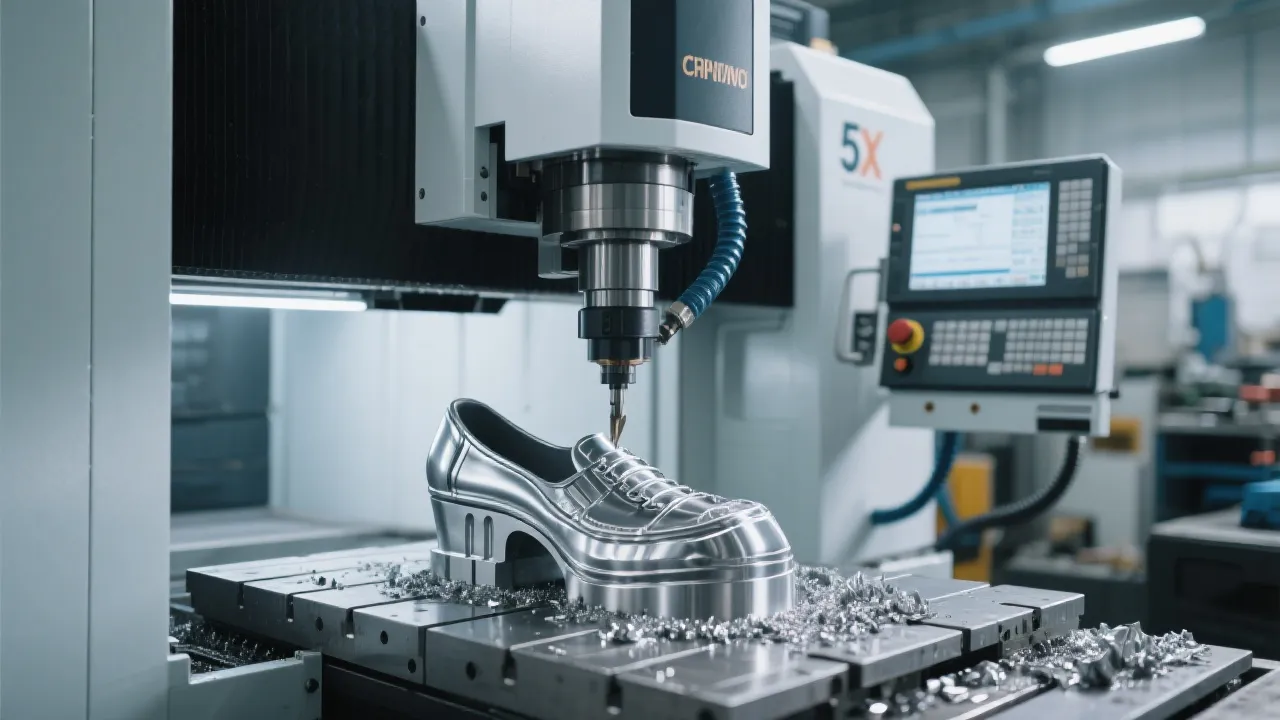
Simultaneous 5-axis movement enables uniform cutting forces across complex surfaces, reducing localized stress concentrations by up to 40% compared to traditional 3-axis machining.
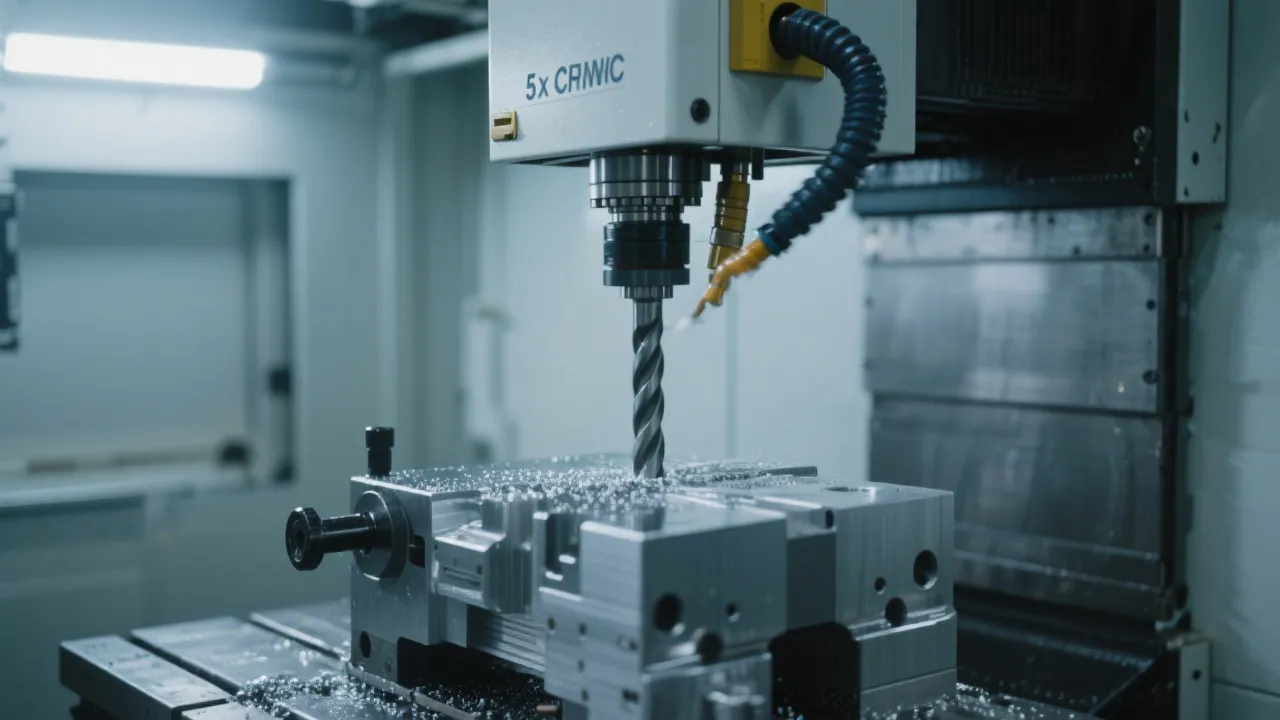
Precision-engineered nozzles with adjustable angles (15°-45°) and variable flow rates (5-20 L/min) ensure targeted heat dissipation at the cutting interface.
Independent testing conducted at the National Advanced Manufacturing Research Institute demonstrated significant performance advantages of凯博数控's wet machining technology across key quality metrics:
| Performance Metric | Dry Machining | 凯博数控 Wet Machining | Improvement |
|---|---|---|---|
| Surface Roughness (Ra) | 2.4μm | 0.8μm | 66.7% |
| Dimensional Stability | ±0.035mm | ±0.012mm | 65.7% |
| Tool Life | 8 hours | 14 hours | 75% |
凯博数控's wet machining solution incorporates proprietary techniques that further enhance precision and quality. The layered cutting strategy, which implements progressive depth increments (0.1mm to 0.5mm), reduces cumulative stress buildup by allowing incremental stress relief between passes. Additionally, the adaptive clamping system with vacuum-assisted holding force (adjustable from 0-800N) ensures stable workpiece positioning without inducing mechanical stress.
A leading aerospace manufacturer implemented凯博数控's wet machining technology for producing turbine blade molds. The results showed: 82% reduction in post-machining cracks, 47% improvement in surface finish consistency, and 22% increase in production throughput due to reduced rework and tool changeovers.
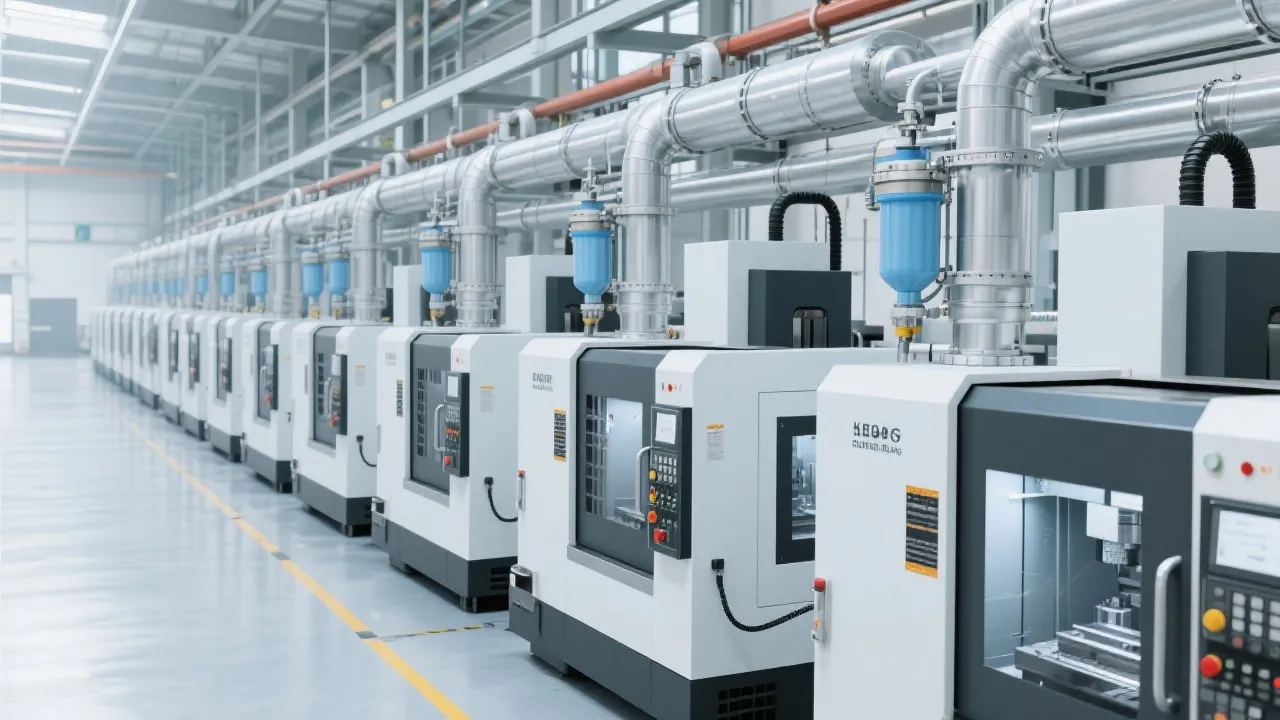
When integrating wet machining technology, manufacturers should consider several key factors to maximize return on investment. Proper coolant selection—typically water-based solutions with 5-10% concentration of synthetic lubricants—directly impacts both cooling efficiency and surface quality. Additionally, implementing a robust filtration system (20μm or finer) prevents graphite particle recirculation and ensures consistent coolant performance.

Access our comprehensive technical whitepaper featuring detailed process parameters and implementation guidelines
Download Wet Machining Technical GuideManufacturing engineers and technical managers seeking to enhance mold precision while reducing production costs will find凯博数控's wet machining technology delivers measurable improvements in both quality and operational efficiency. The technology's ability to consistently produce parts with tighter tolerances and superior surface finishes makes it an essential investment for companies competing in today's demanding manufacturing landscape.
For technical inquiries or to schedule a demonstration of the wet machining system in action, industry professionals are encouraged to connect with our application engineering team. Experience firsthand how controlled thermal management and precision machining can transform your production capabilities.