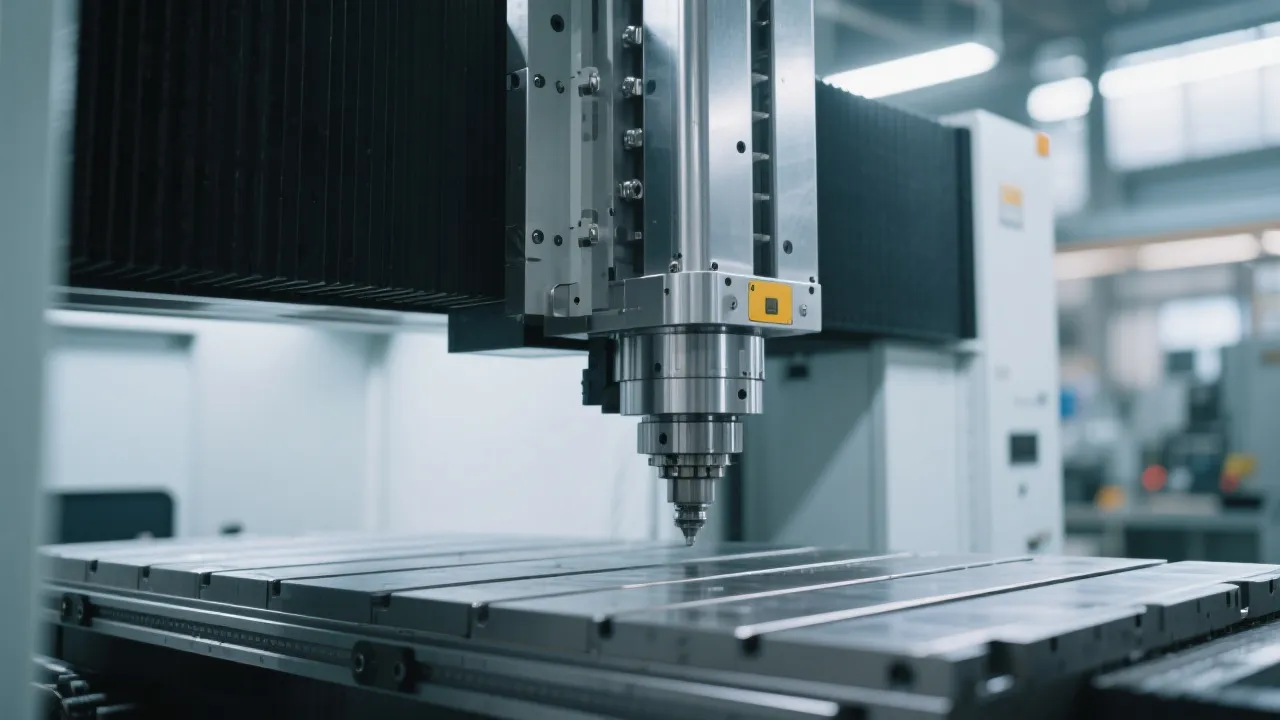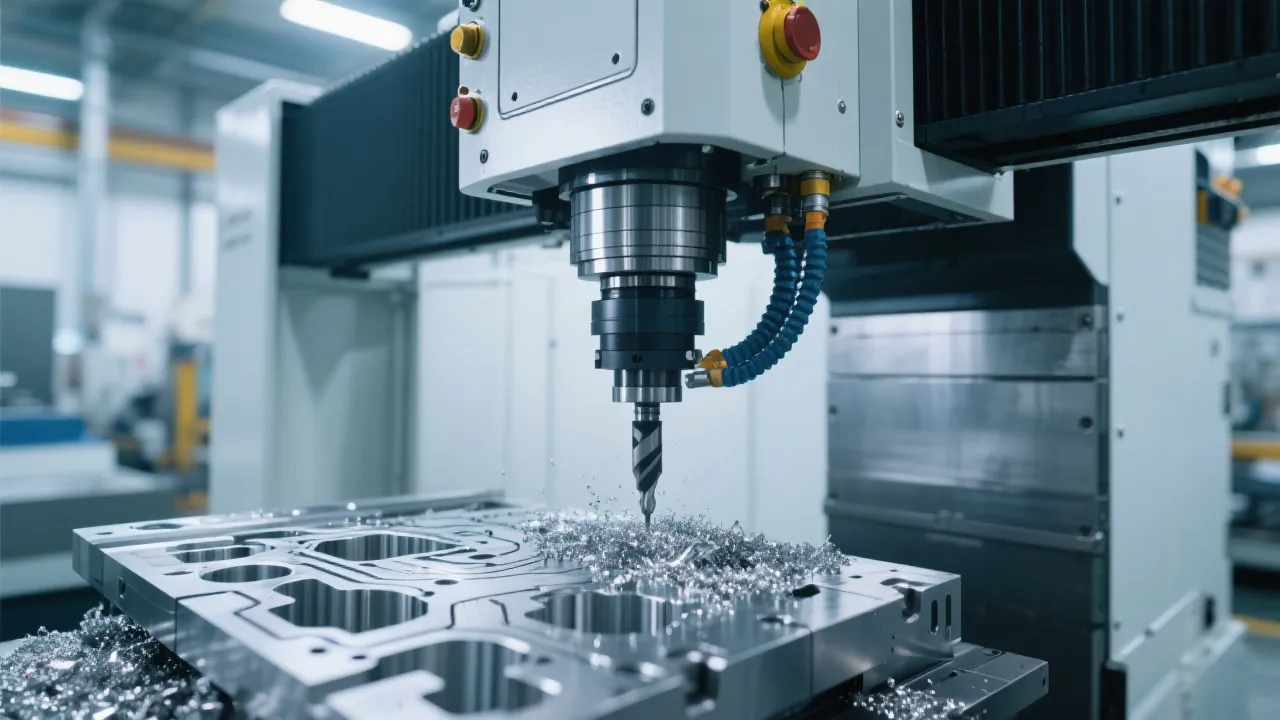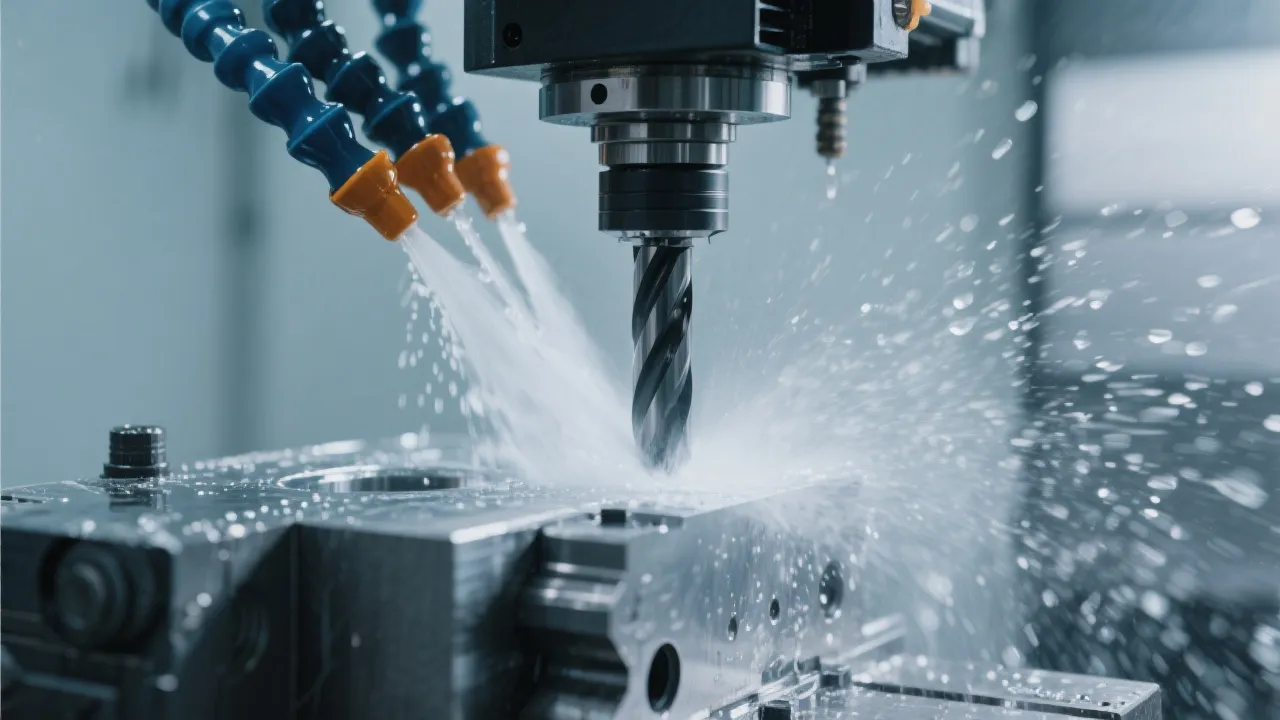
Graphite milling is notoriously challenging due to the material's extreme brittleness and abrasive nature, often leading to tool chipping, poor surface finish, and burr formation that compromise product quality and manufacturing efficiency. This article dissects the three pivotal technological factors—tool material selection, cutting parameter optimization, and cooling & chip removal strategies—that directly influence machining outcomes. Particular emphasis is placed on the role of a wet flushing system which significantly reduces cutting heat and effectively clears graphite dust, vital for protecting downstream electronic components and ensuring operator safety.
Polycrystalline Diamond (PCD) tools stand out in graphite machining for their exceptional hardness and wear resistance. Unlike carbide, PCD exhibits superior toughness against the abrasive graphite particles, greatly reducing tool edge degradation. Studies have demonstrated that PCD tools maintain edge sharpness up to 4 to 6 times longer than conventional tungsten carbide tools under identical cutting conditions, which directly translates into stable precision and fewer interruptions for tool changes.
Industry Insight: According to ISO 513 Standard on tooling for abrasive materials, PCD cutting edges optimize tool life and reduce chipping risks in brittle materials such as synthetic graphite.
Properly configuring the cutting speed, feed rate, and spindle speed is crucial for minimizing edge chipping and surface roughness. For typical graphite grades used in lithium-ion battery anodes, an effective parameter window includes:
| Parameter | Recommended Range |
|---|---|
| Spindle Speed (RPM) | 12,000 – 18,000 |
| Feed Rate (mm/min) | 600 – 900 |
| Depth of Cut (mm) | 0.05 – 0.15 |
These parameters ensure that the cutting load remains within a range that prevents excessive mechanical and thermal stress on the tool edge, significantly lowering the chances of micro-chipping. Additionally, dynamic balancing between spindle speed and feed rate helps maintain smooth material removal, reducing vibration-induced tool damage.
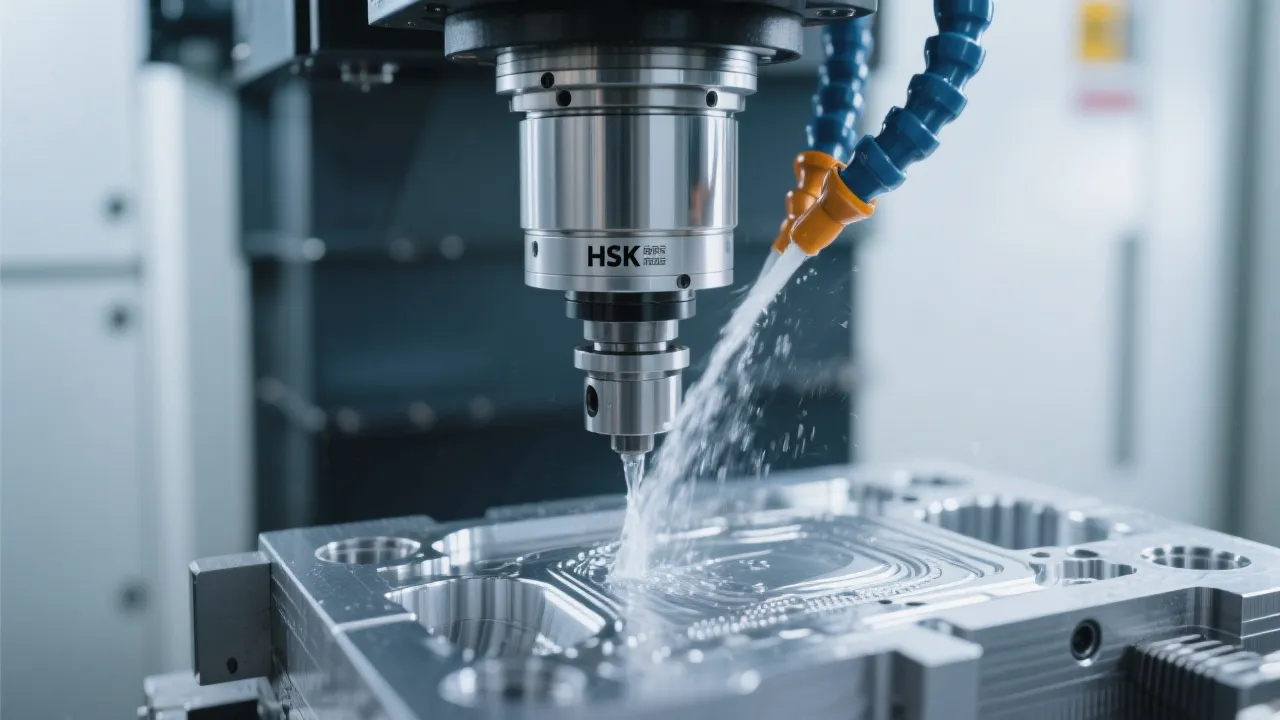
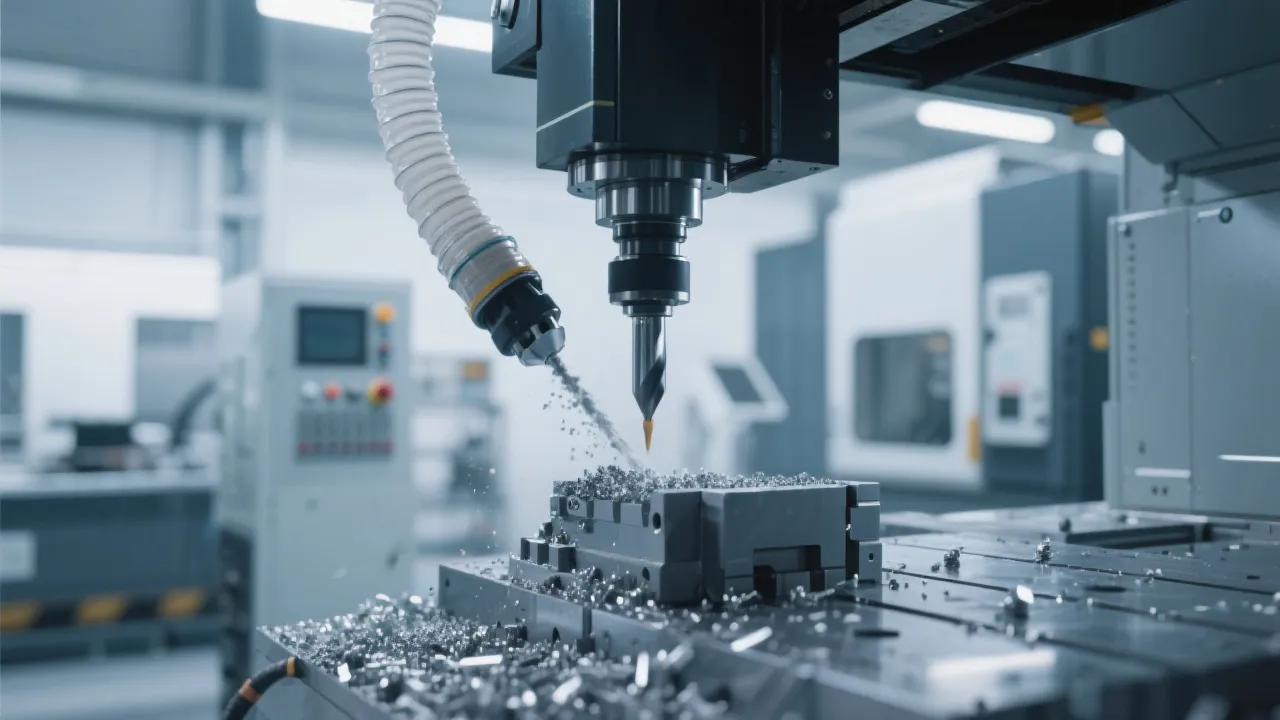
One of the often overlooked but critically effective methods to enhance graphite milling is the application of a wet flushing cooling system. This approach supplies a continuous flow of coolant mixed with compressed air to the cutting zone, yielding multiple advantages:
Advanced wet flushing designs featuring full-sealed systems not only maximize the coolant’s effectiveness but also protect sensitive work environments and electronic components from dust infiltration. Such systems are indispensable in precision sectors like electric vehicle battery manufacturing and mold production.
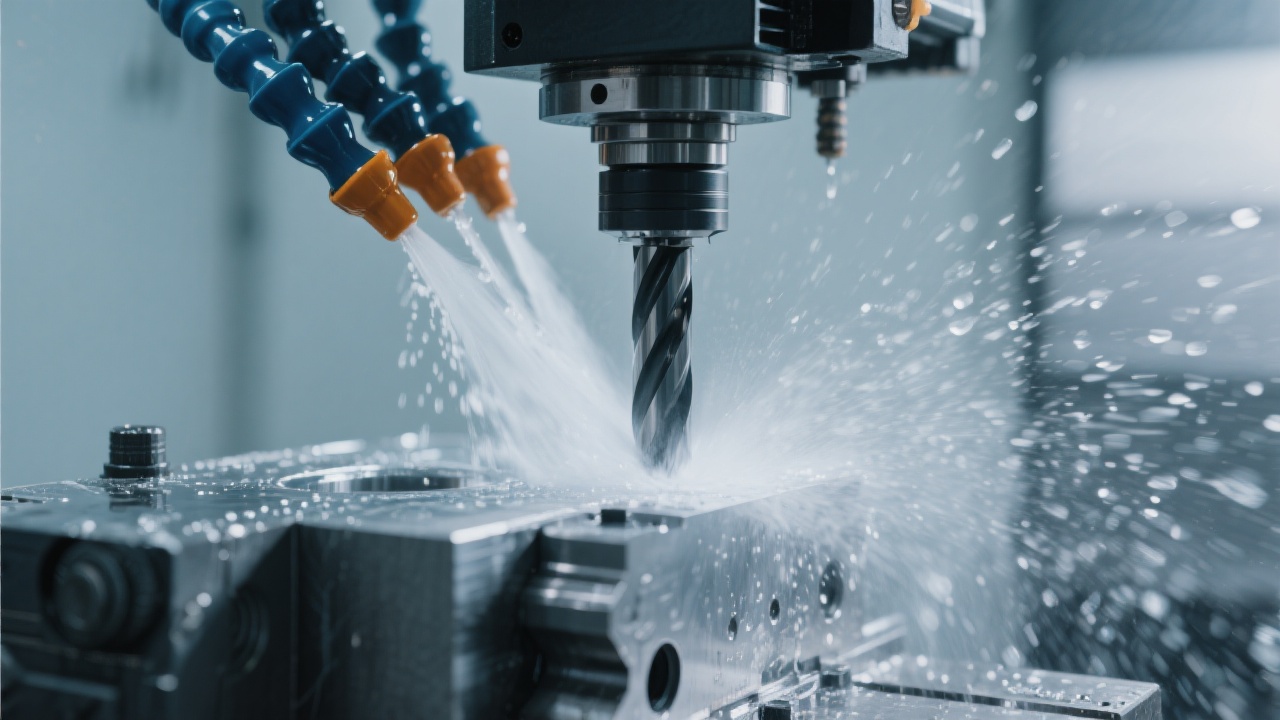
Practical experience shows that integrating a wet flushing system can improve production yield by at least 15%, reflecting fewer rejects caused by surface defects and tool failure.
| ✓ Is the milling tool made from PCD or equivalent high-durability material? |
| ✓ Are cutting parameters calibrated within the recommended spindle speed, feed rate, and depth of cut ranges? |
| ✓ Is a sealed wet flushing system implemented to maintain consistent cooling and dust evacuation? |
| ✓ Have operators been trained in monitoring tool wear signs and maintaining flushing system conditions? |
For engineers and production managers demanding both precision and durability in graphite machining, investing in fully sealed wet flushing systems coupled with high-performance PCD tooling is a game-changer. Unlock the full potential of your graphite milling processes with equipment designed for maximum dust control, heat reduction, and enhanced tool life.
Discover Our Advanced Graphite Milling Solutions