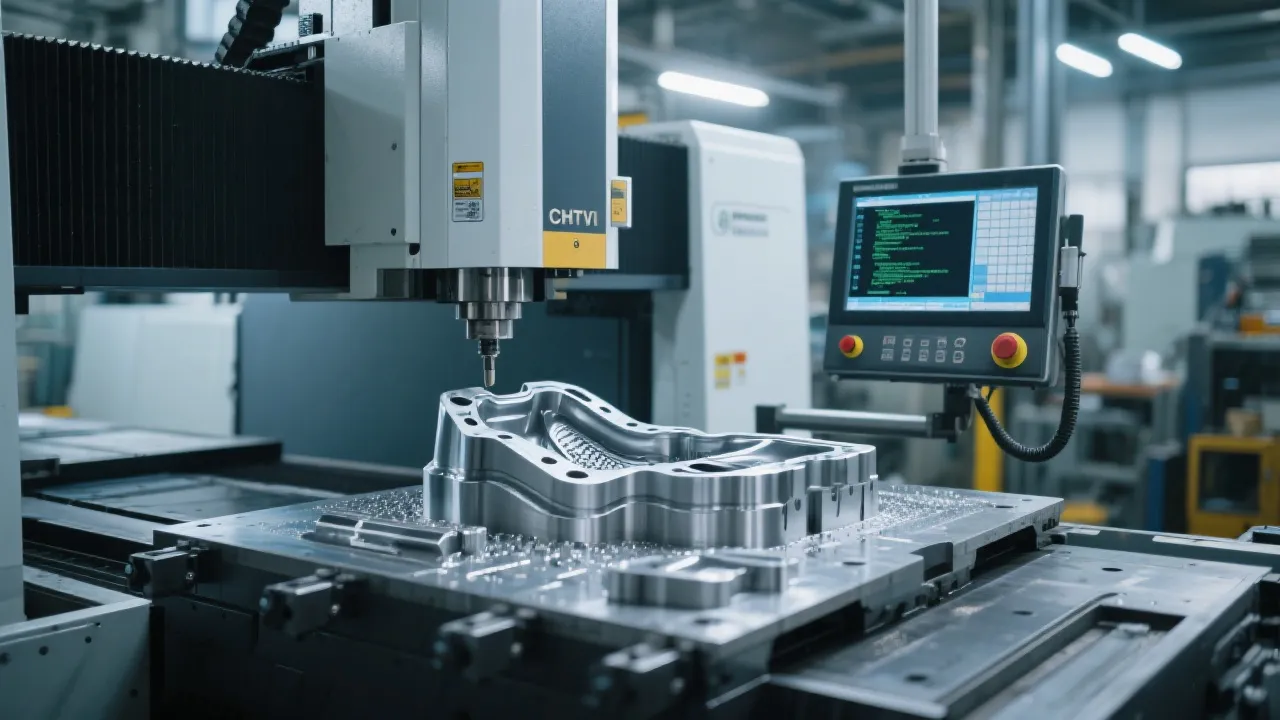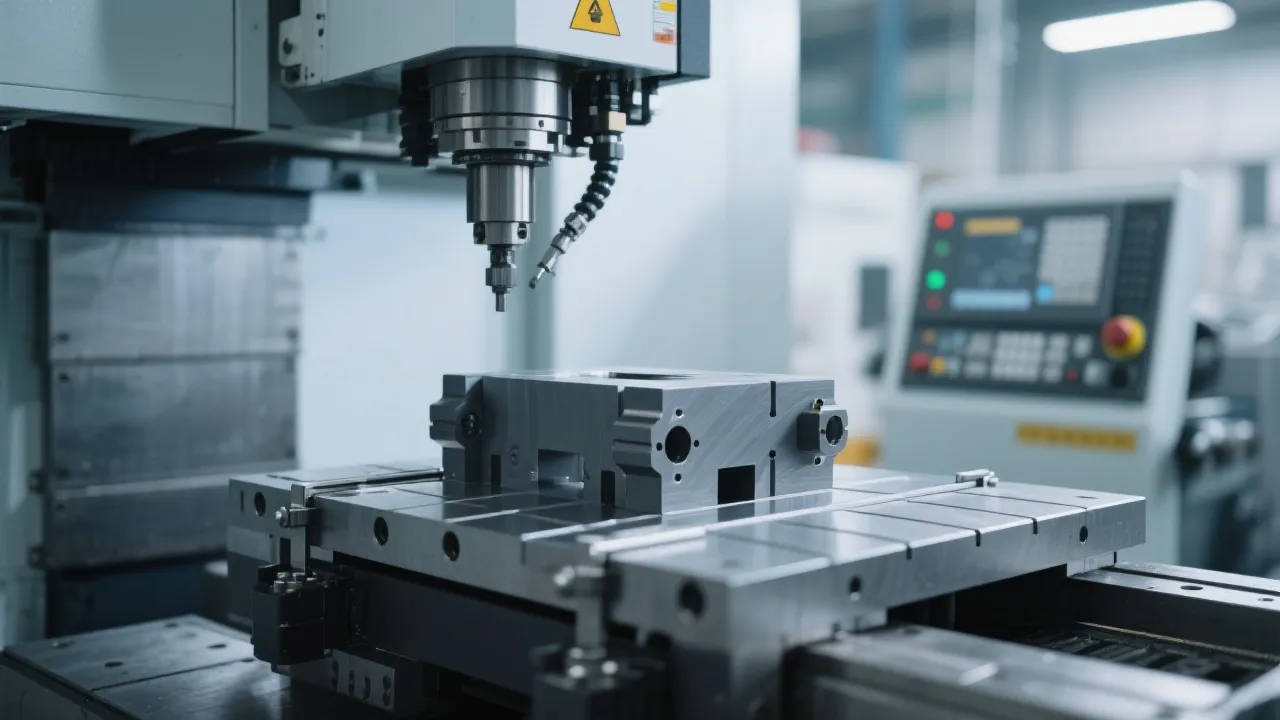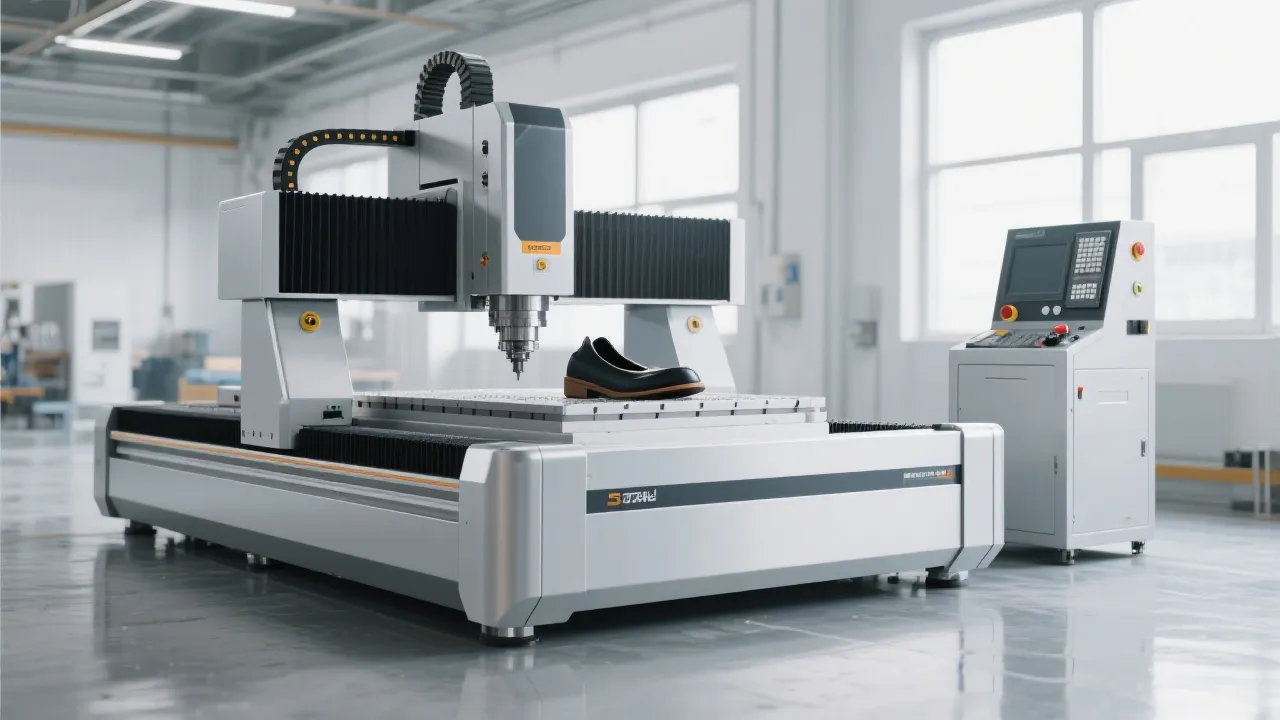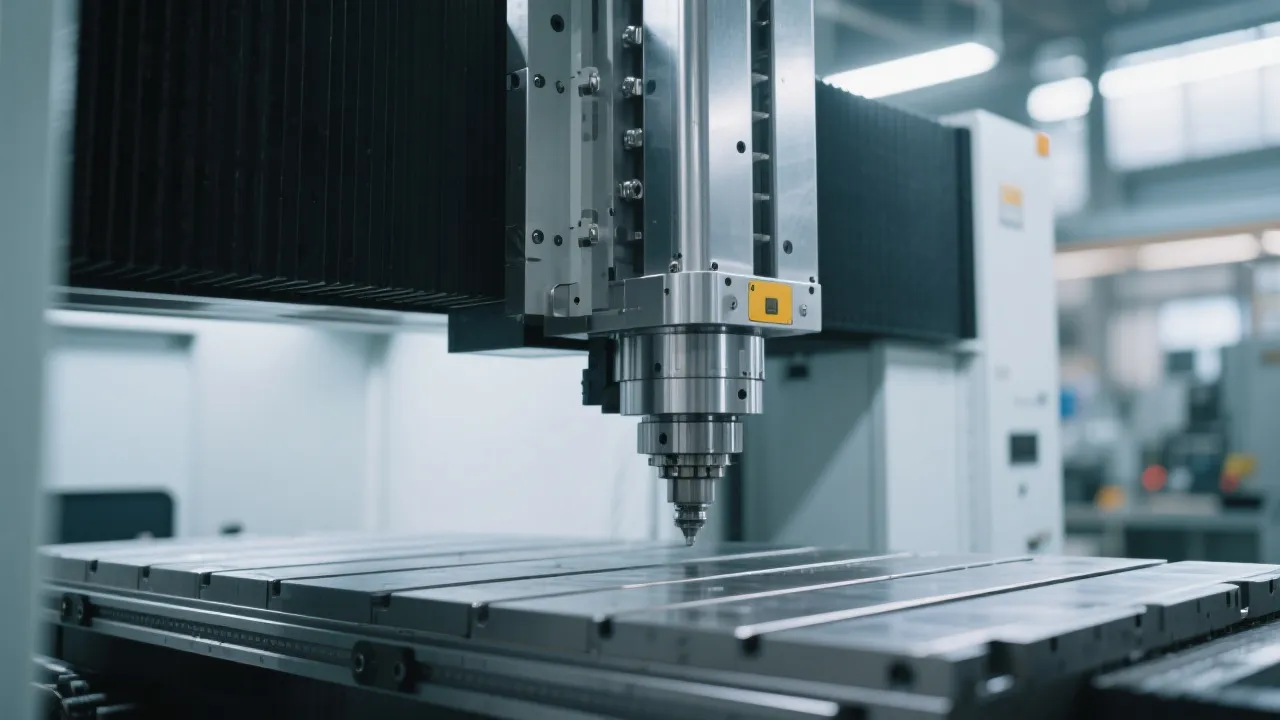
In precision manufacturing, engineers often face a frustrating challenge: why do graphite components machined with identical parameters on different equipment show significant dimensional variations? This question has become increasingly critical as industries like new energy batteries and aerospace demand tighter tolerances—often within ±0.005mm—for graphite parts that directly impact product performance and safety.
The geometry of cutting tools directly affects both surface finish and dimensional stability in graphite machining. Research shows that improper tool angles can increase edge chipping by up to 40% and reduce tool life by 35%. For graphite applications, the ideal tool configuration typically includes:
Carbide tools with diamond coatings have proven particularly effective, offering up to 500% longer tool life compared to uncoated alternatives in graphite machining applications.
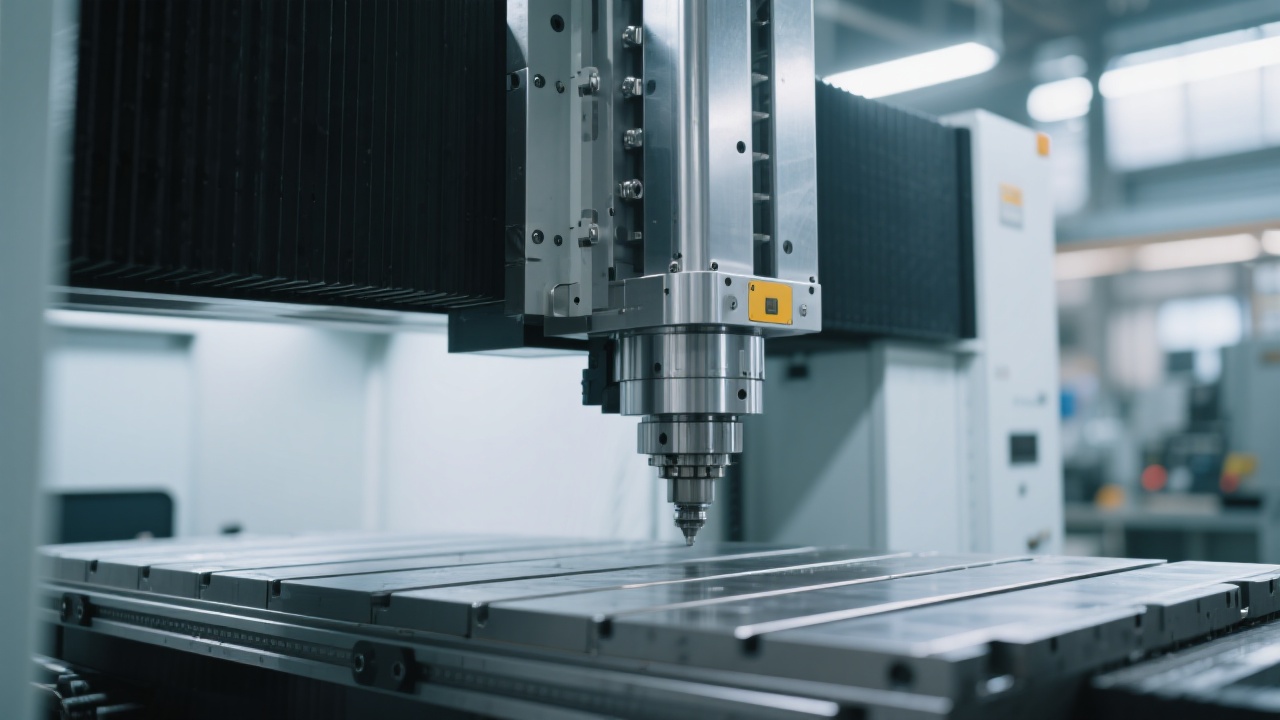
A common misconception is that higher feed rates always improve productivity. In reality, improper feed rate selection can lead to dimensional inaccuracies exceeding 0.015mm. The optimal feed rate depends on graphite grade—fine-grained graphite (1-5μm particle size) typically requires 20-30% lower feed rates than medium-grained varieties to prevent surface micro-fracturing.
Technical Insight:
For battery electrode graphite molds, studies show that a feed rate of 1200-1500 mm/min with a spindle speed of 15,000-20,000 RPM consistently achieves surface roughness (Ra) below 1.6μm while maintaining dimensional stability.
Graphite's low thermal conductivity (approximately 100-150 W/m·K) presents unique challenges in dry machining environments. Without proper heat management, workpiece temperatures can rise by 80-120°C during machining, leading to thermal expansion errors of 0.01-0.03mm per 100mm length.
Effective heat management strategies include:
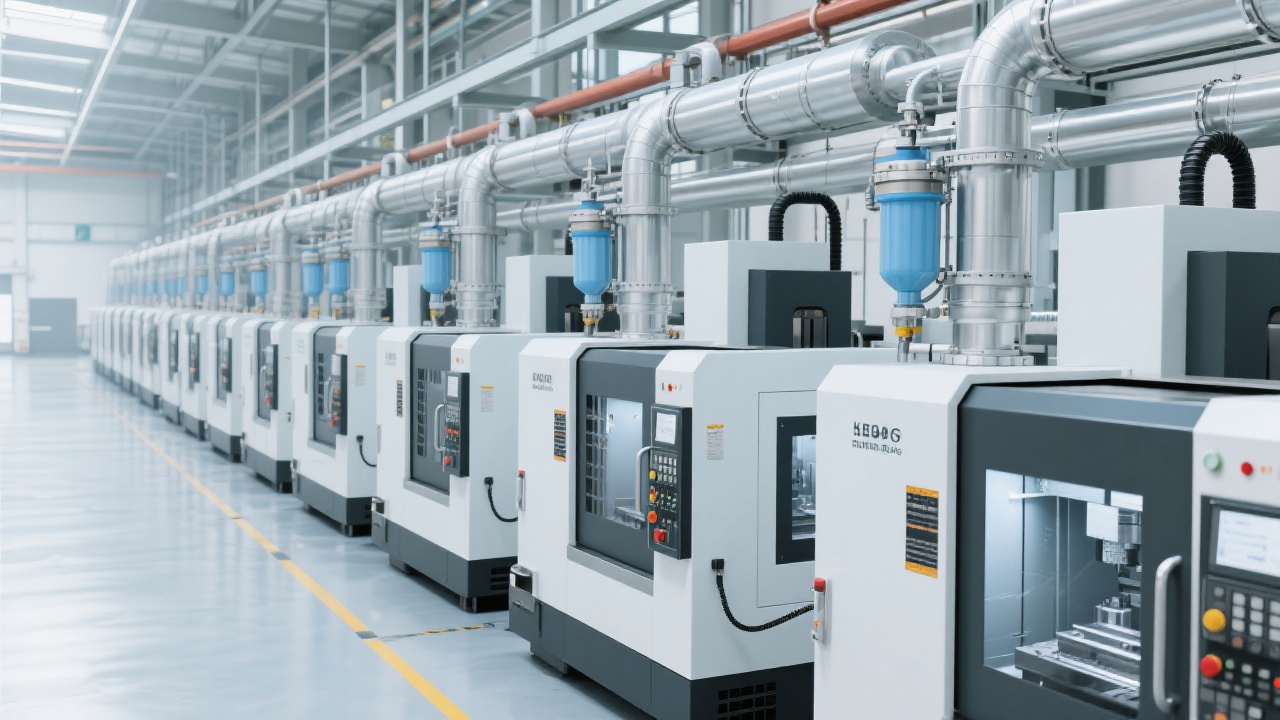
Micro-vibrations as small as 2-5μm can significantly affect graphite machining accuracy. A study by the Precision Machining Association found that machine tools with enhanced rigidity reduce vibration-related errors by up to 65%. Key structural features that improve stability include:
Frame Construction
One-piece cast iron frames reduce flexing under cutting loads
Guide Systems
Linear roller guides with preload minimize backlash and deflection
Spindle Design
High-precision spindles with runout below 3μm ensure consistent cutting
Environmental factors often overlooked can significantly impact machining precision. Temperature fluctuations as small as ±2°C can cause dimensional variations of 0.01mm in graphite workpieces. 凯博数控's DC6060G graphite machining center addresses this challenge through its fully enclosed structure, which provides three critical benefits:
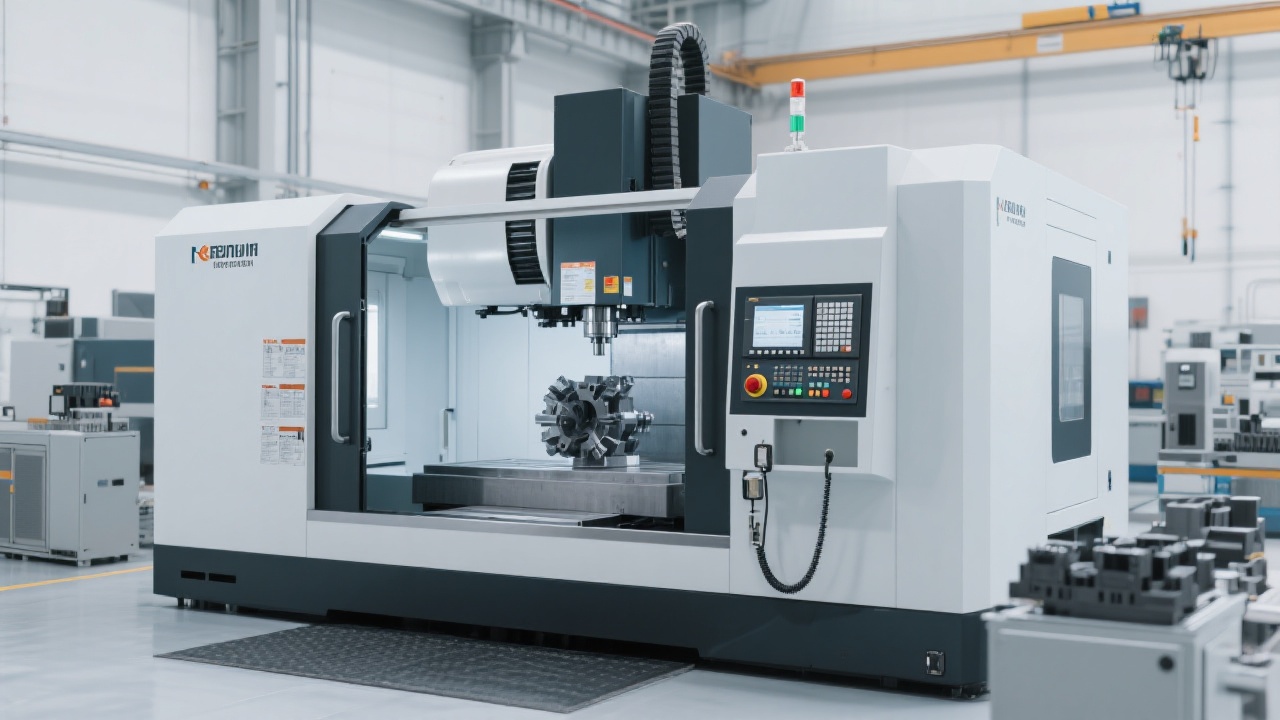
In new energy battery manufacturing, graphite mold precision directly impacts electrode thickness consistency. A leading battery manufacturer reported a 32% reduction in scrap rates after implementing optimized machining parameters and rigid equipment. Similarly, aerospace applications requiring graphite components for thermal management systems have achieved dimensional repeatability within ±0.003mm through proper process control.
Is your operation experiencing similar challenges with graphite machining consistency? Many manufacturers find that small adjustments in tooling, parameters, and equipment configuration can yield significant improvements in precision and yield.
To achieve consistent high precision in graphite machining, consider implementing these practical steps:
Discover how optimized machining solutions can reduce your dimensional variations and improve production yields for critical graphite components.
Explore Precision Machining SolutionsThe pursuit of machining precision is both a science and an art. By understanding these critical variables and implementing targeted solutions, manufacturers can consistently achieve the tight tolerances required in today's advanced applications. The key lies in recognizing that precision is not the result of any single factor, but rather the harmonious interaction of tooling, parameters, machine design, and environmental control.