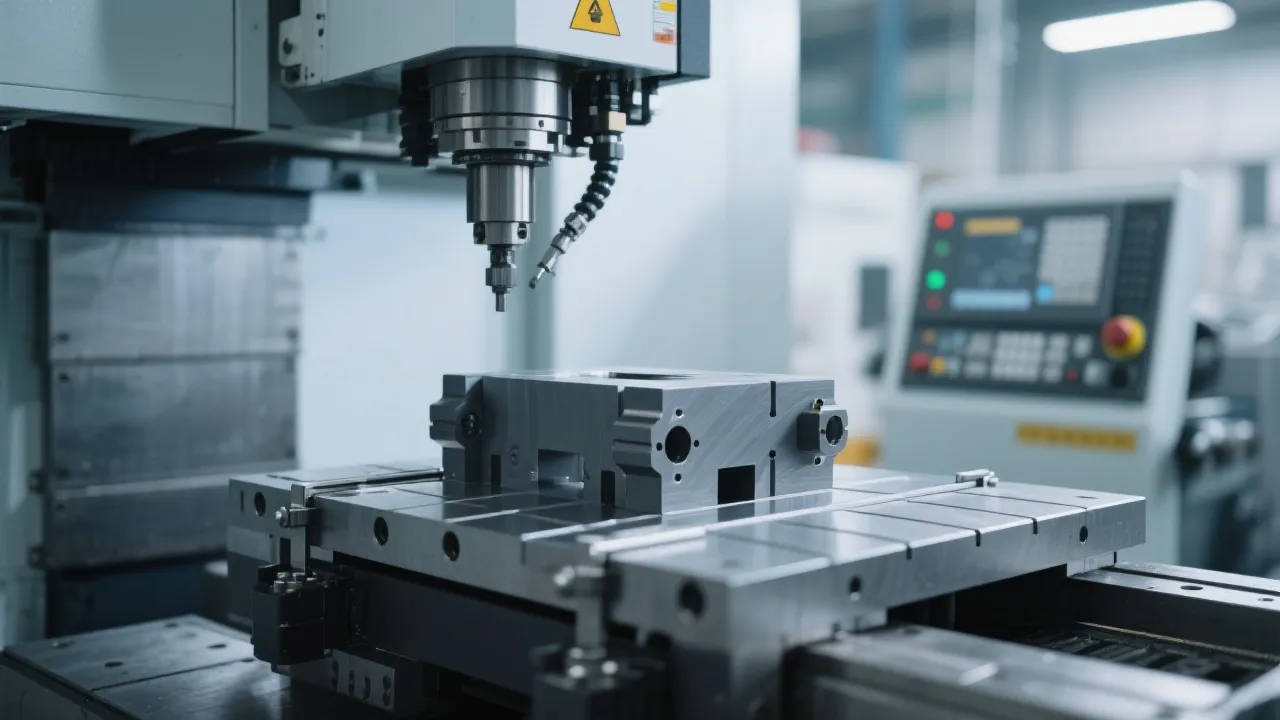
Graphite has become an indispensable material in modern manufacturing, particularly in industries such as new energy batteries, mold making, and precision engineering. However, traditional dry machining processes present significant challenges that hinder production efficiency and product quality. According to industry research, graphite machining operations can generate up to 50 mg/m³ of airborne dust particles, far exceeding the OSHA permissible exposure limit of 2.5 mg/m³ over an 8-hour workday.
Key Challenges in Dry Graphite Machining:
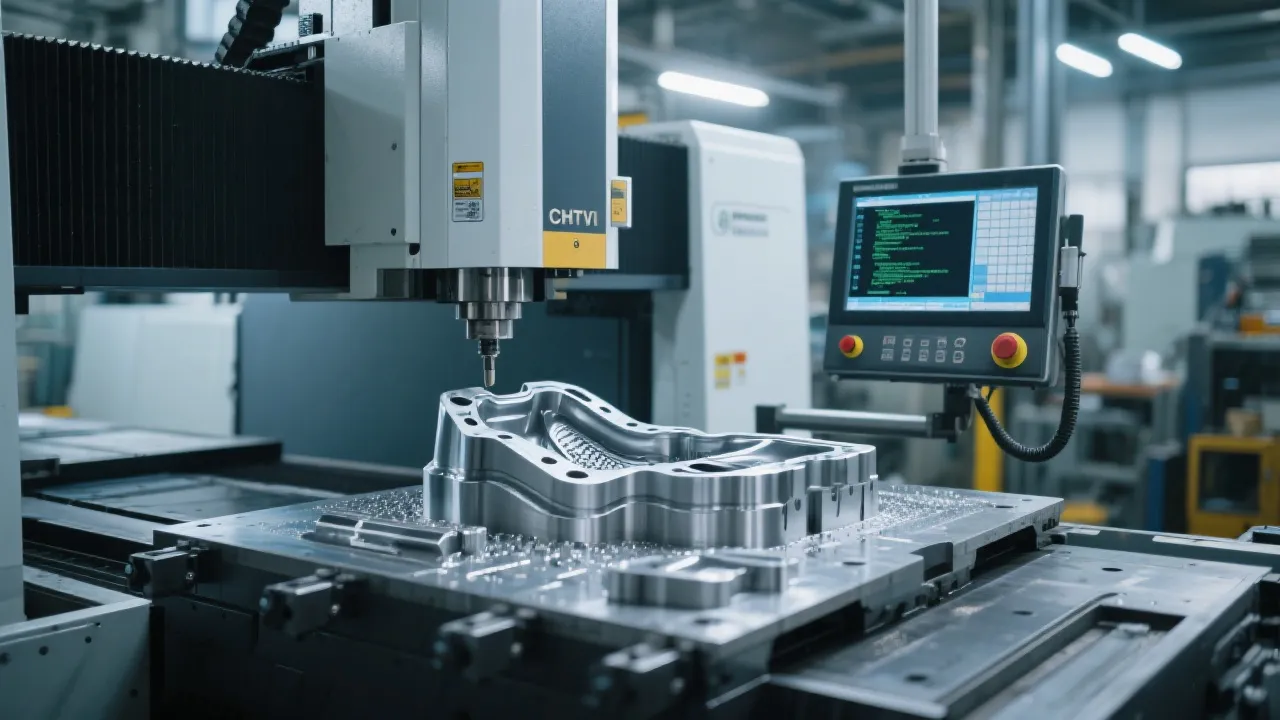
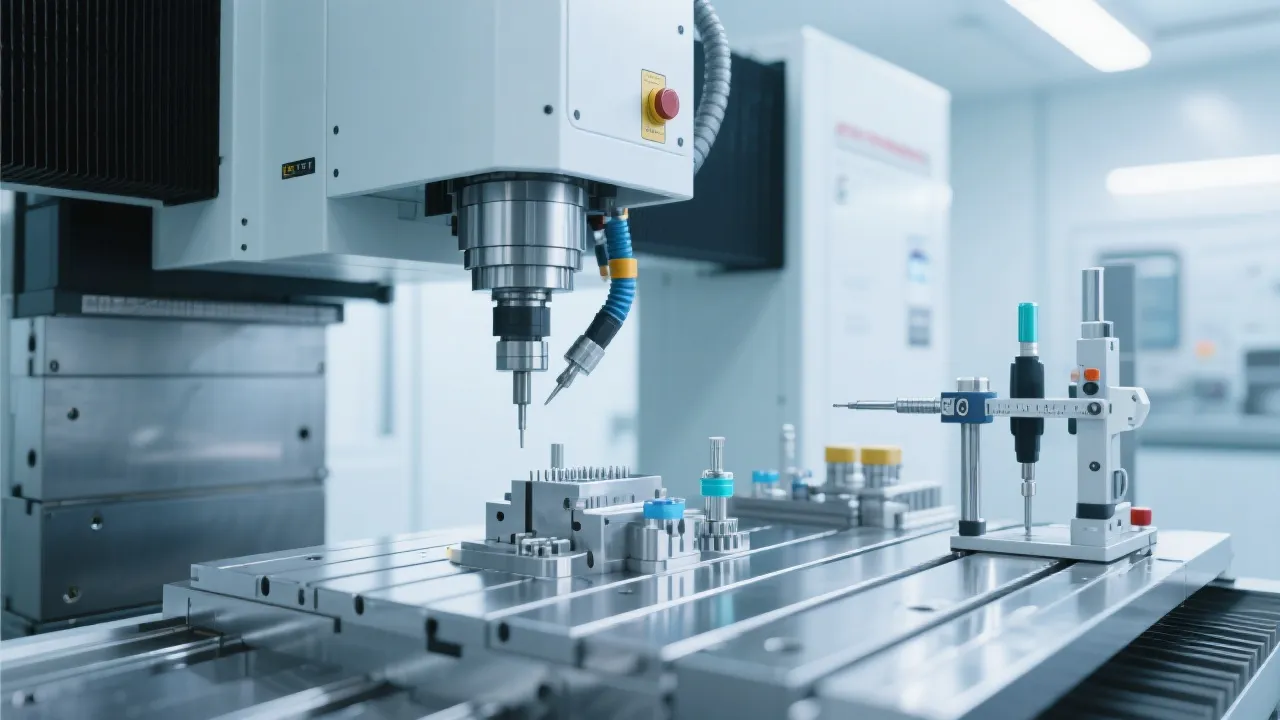
Wet machining technology has emerged as a game-changing solution for graphite processing challenges. Unlike dry machining, wet machining utilizes a precisely controlled coolant system to address both dust contamination and tool wear simultaneously. 凯博数控 (Kaibo CNC) has developed advanced wet machining centers specifically engineered to handle the unique properties of graphite—its low thermal conductivity, high brittleness, and dust-generating characteristics.
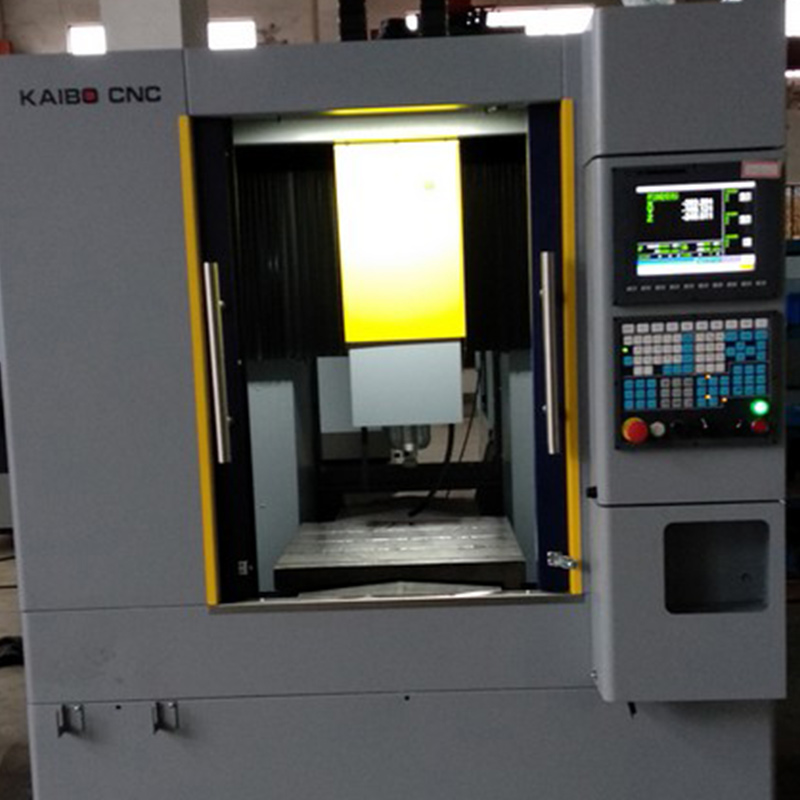
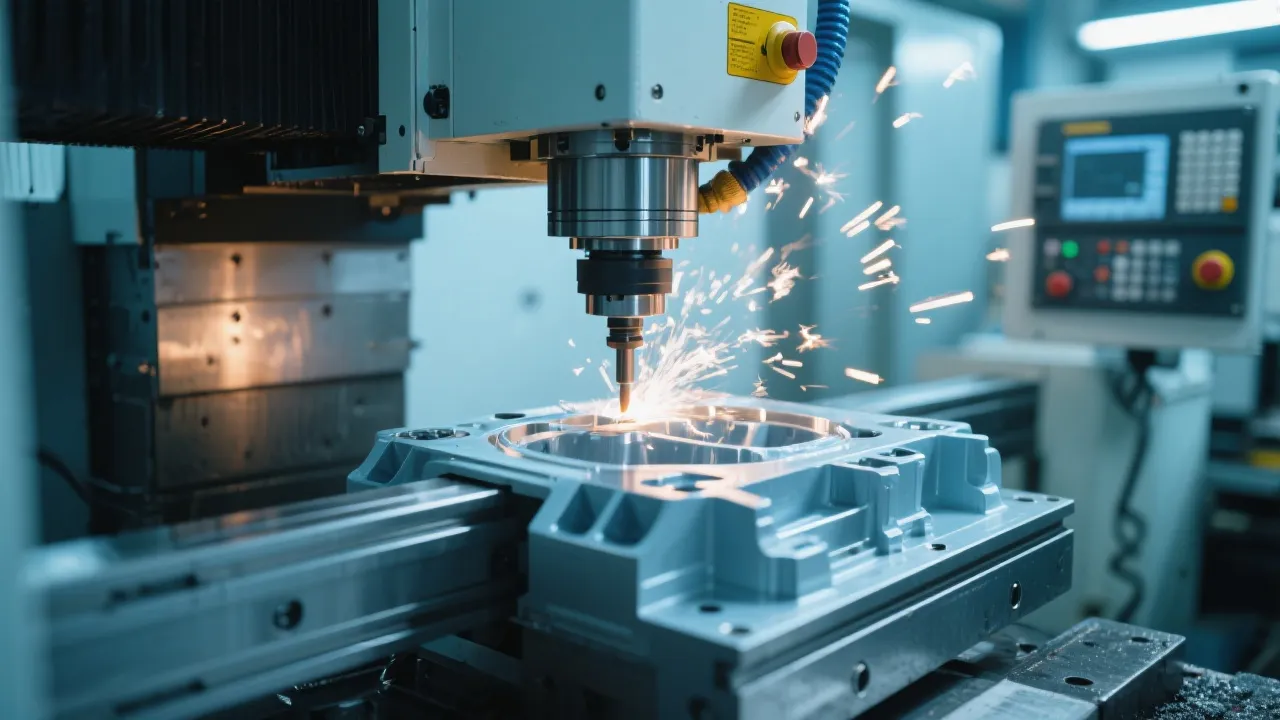
The core advantage of wet machining lies in its ability to create a controlled environment where coolant effectively captures dust particles before they become airborne. This not only protects operator health but also improves machining stability. Industry data shows that wet machining can reduce tool wear by 40-60% compared to dry processes, while simultaneously improving surface finish by 30-50%.
Choosing the right coolant is critical for successful graphite wet machining. The decision between water-based emulsions and oil-based coolants depends on specific application requirements, material properties, and production goals.
| Coolant Type | Dust Suppression Efficiency | Tool Life Improvement | Surface Finish Quality | Optimal Applications |
|---|---|---|---|---|
| Water-Based Emulsions | 90-95% | 40-50% | Good (Ra 1.6-3.2μm) | General graphite components, high-volume production |
| Oil-Based Coolants | 85-90% | 50-60% | Excellent (Ra 0.8-1.6μm) | High-precision molds, intricate geometries |
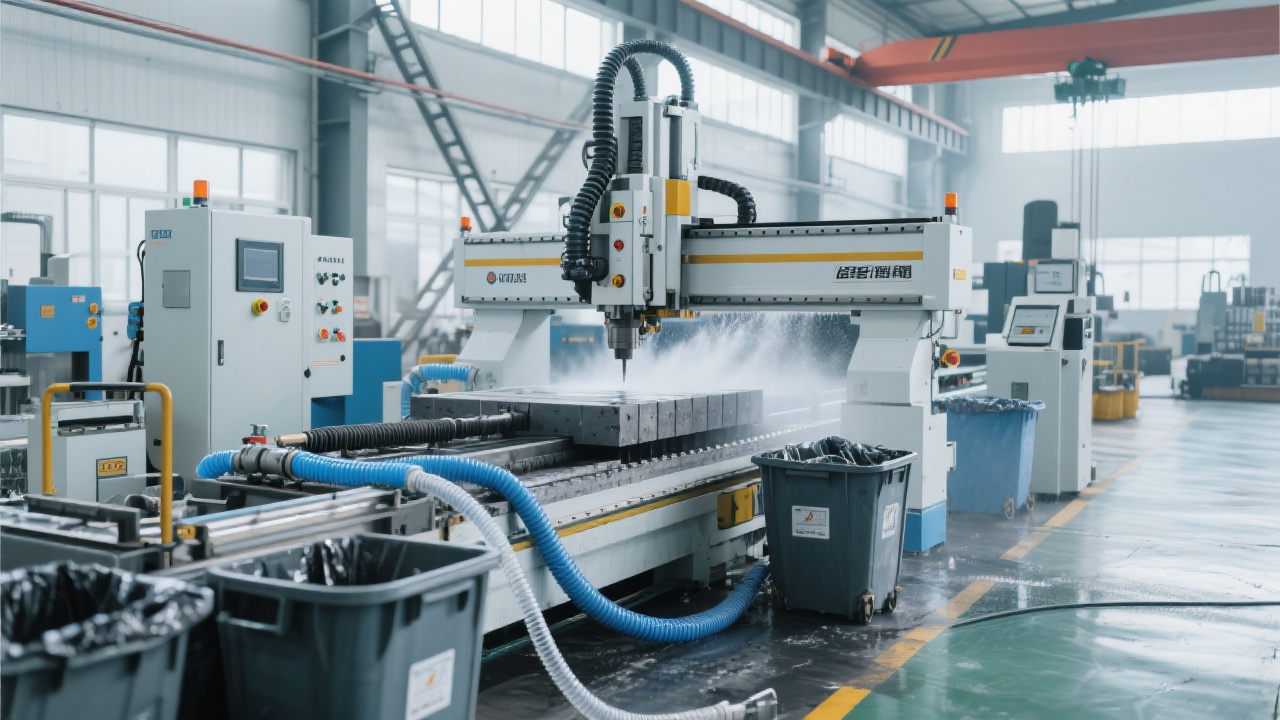
Achieving optimal results with wet machining requires careful optimization of cutting parameters. The following recommendations are based on extensive testing with various graphite grades and component geometries:
"Implementing optimized wet machining parameters has resulted in a 47% reduction in tool replacement costs and a 28% improvement in production throughput for our graphite electrode manufacturing line." — Senior Manufacturing Engineer, Leading EV Battery Producer
In the production of lithium-ion battery anode components, a leading manufacturer recently transitioned from dry to wet machining using 凯博数控 technology. The results were striking: tool life increased from 8 hours to 22 hours, dust levels dropped from 42 mg/m³ to 1.8 mg/m³, and production yield improved from 83% to 97%.
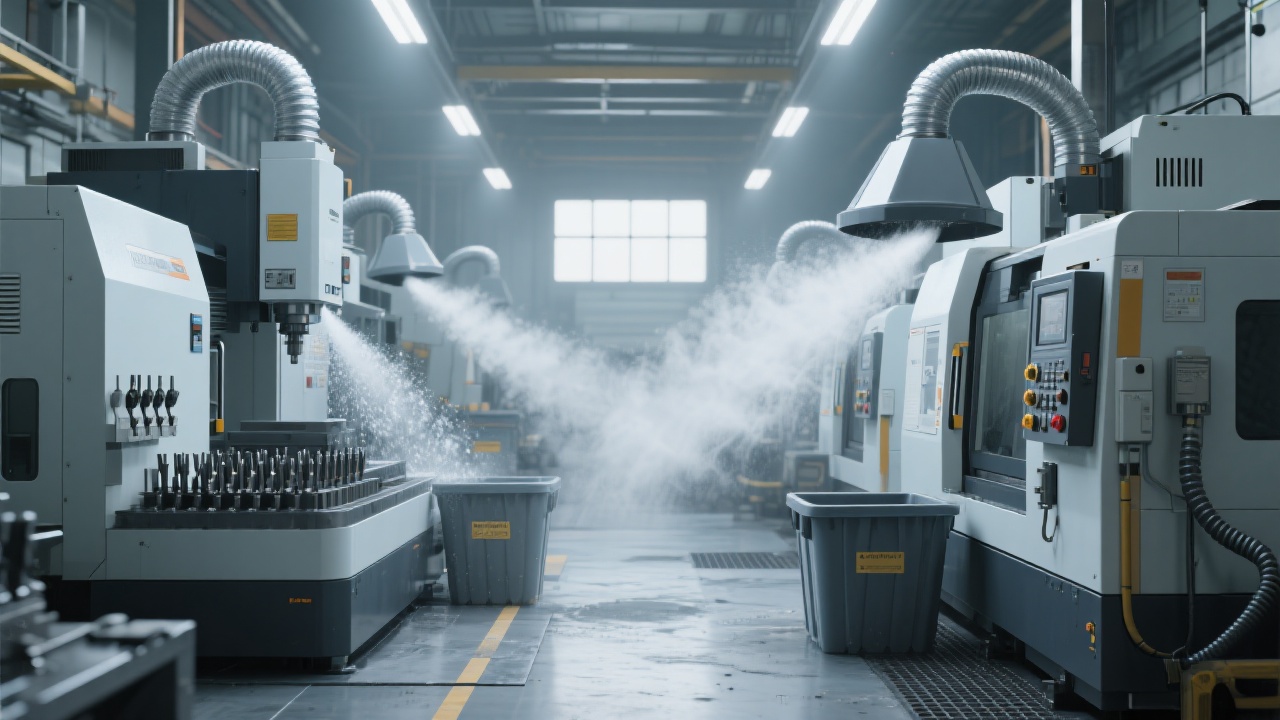
Another success story comes from the mold making industry, where a precision tooling company implemented wet machining for graphite electrode production. They reported a 52% reduction in post-processing time and a 35% decrease in overall production costs within the first six months of implementation.
Q: Will wet machining affect graphite material properties?
A: When properly implemented, wet machining does not alter graphite's structural integrity or electrical conductivity. The controlled coolant application prevents material swelling or degradation.
Q: What maintenance is required for wet machining centers?
A: Regular coolant filtration system maintenance (weekly checks), monthly nozzle cleaning, and quarterly coolant concentration testing are recommended to ensure optimal performance.
Q: Can existing dry machining centers be retrofitted for wet machining?
A: While some machines can be retrofitted with basic coolant systems, purpose-built wet machining centers like those from 凯博数控 offer superior dust containment, specialized spindle designs, and optimized coolant delivery systems.
Get a customized wet machining solution tailored to your specific application requirements
Request Your专属工艺方案Transitioning from dry to wet machining represents a significant step forward in graphite processing technology. By addressing both dust contamination and tool wear challenges simultaneously, manufacturers can achieve higher production efficiency, improved product quality, and a safer working environment. As graphite applications continue to expand across industries, implementing advanced wet machining solutions will become increasingly critical for maintaining competitive advantage.