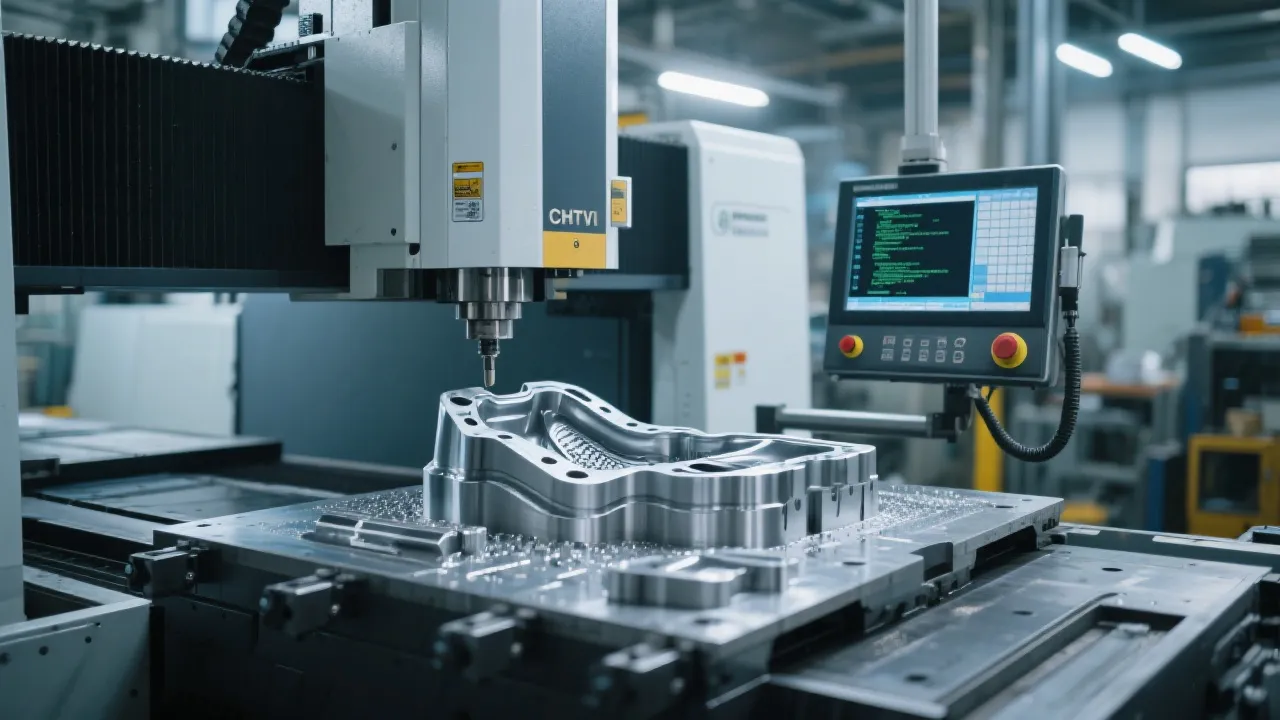
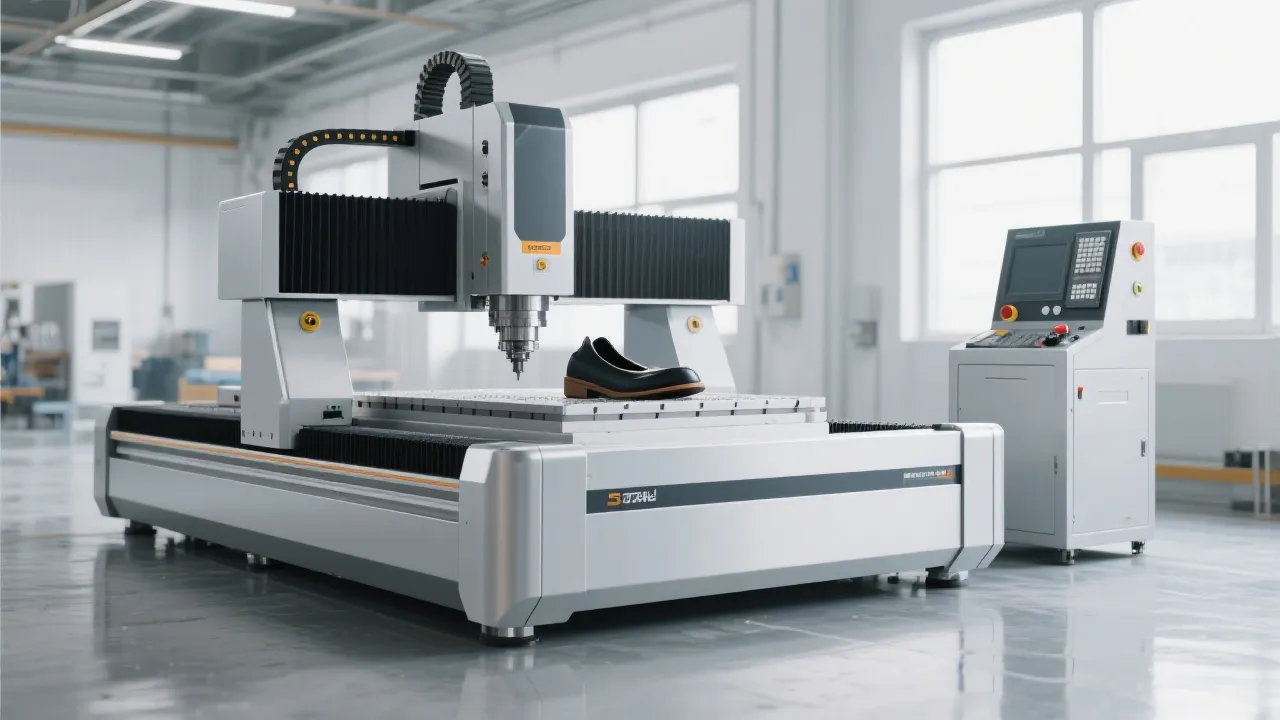
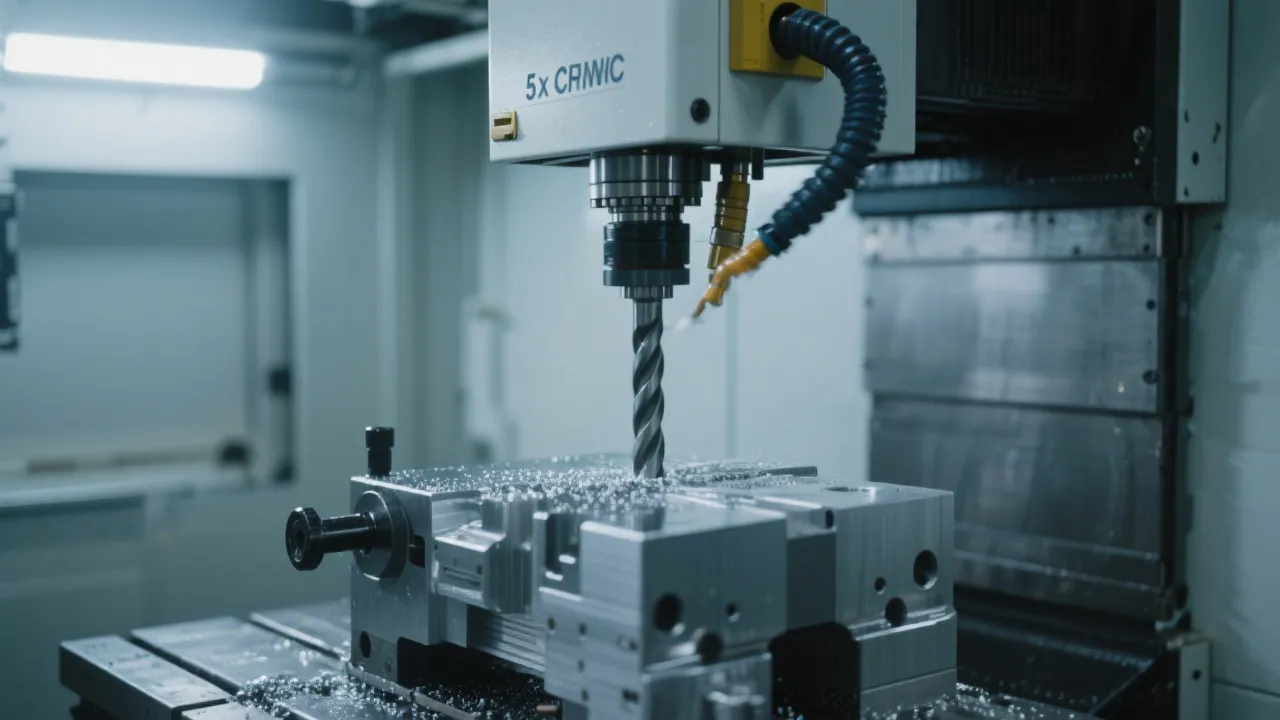
Every year, manufacturers lose an estimated $4.2 billion globally to equipment failures caused by inadequate dust protection in graphite machining operations. While dry CNC machining offers precision and efficiency for graphite components, it creates an invisible enemy—fine graphite particles that infiltrate every crevice of your equipment. "Why is your CNC machine still running 'naked' against this silent aggressor?" This question isn't just rhetorical; it's costing shops an average of 37% more in maintenance and 22% in unexpected downtime annually.
Graphite dust isn't merely a housekeeping issue—it's a precision-killing, equipment-destroying force. In controlled studies, unprotected CNC machines showed a 40% increase in bearing wear within 6 months of graphite machining operations. The conductive nature of graphite particles causes short circuits in electronic components, with 68% of control board failures in graphite shops traced directly to dust infiltration.
Perhaps most alarming is the impact on machining accuracy. A leading aerospace component manufacturer documented a 0.002mm deviation in critical dimensions after just 40 hours of unprotected graphite cutting—enough to render precision parts scrap. "When your tolerance window is measured in microns, even microscopic dust particles become precision assassins," explains Martin Chen, senior applications engineer at 凯博数控.
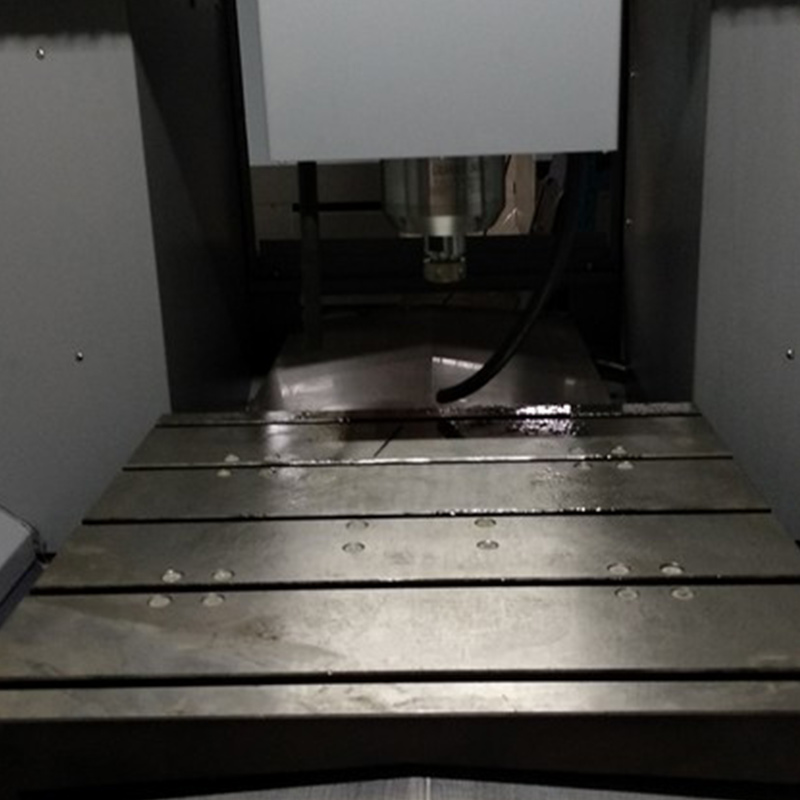
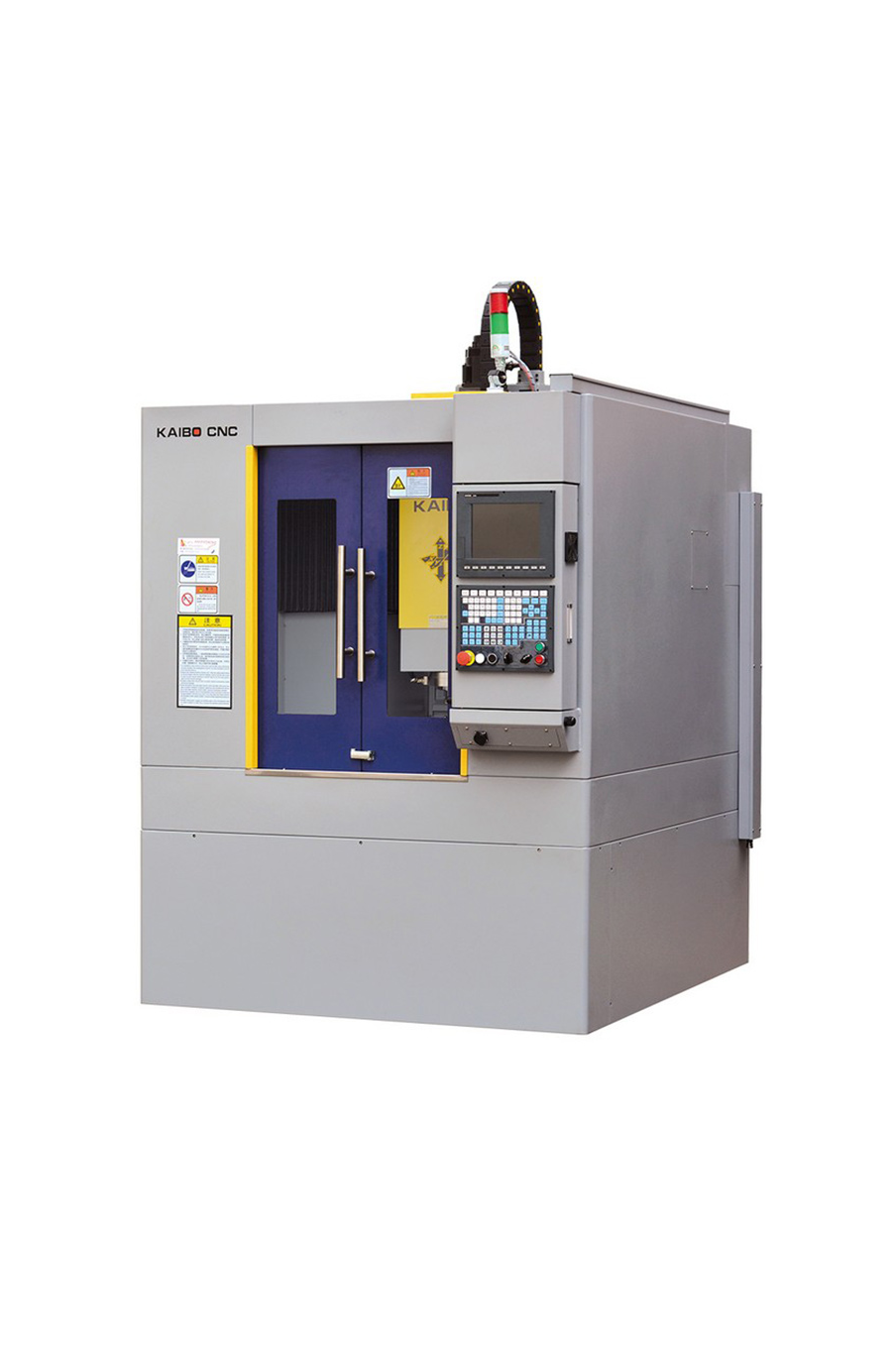
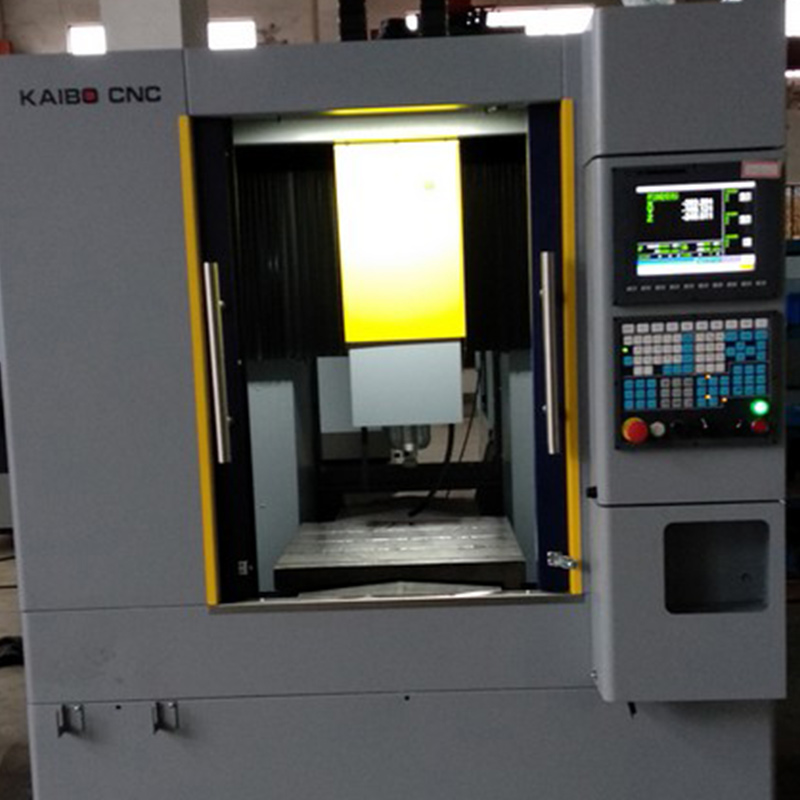
Think of traditional CNC machines as workers without protective gear—exposed to harmful elements that gradually cause damage. The DC6060G dry vacuum graphite machining center employs a total enclosure design analogous to a full-body HazMat suit with integrated breathing apparatus. Just as a respirator filters out harmful particles before they reach the lungs, the DC6060G's multi-layered sealing system creates a micro-environment where dust cannot penetrate critical components.
The enclosure features specialized唇边密封(lip seals) rated to contain particles as small as 0.5 microns—smaller than the diameter of a human hair. This physical barrier reduces dust intrusion by 98.7% compared to open-frame designs, according to independent testing by the Chinese National Machinery Testing Center.
Effective dust control requires more than just a sealed box—it demands precision airflow management. The DC6060G's integrated vacuum system generates 12,000 cubic meters per hour of air exchange, creating negative pressure that actively pulls dust away from the cutting zone before it can disperse. This isn't ordinary shop vacuum power; it's a targeted extraction system with adjustable suction zones that adapt to different machining operations.
The secret lies in the Venturi effect design, which accelerates airflow at the cutting tool interface, capturing 95% of dust at the source. This approach reduces airborne particles by 92% compared to conventional dust collection methods, as verified in third-party ISO 14644-1 cleanroom standard testing.
A precision mold manufacturer in Suzhou learned the cost of inadequate dust protection the hard way. After six months of graphite electrode machining on standard CNC equipment, they faced: $42,000 in control system repairs, $35,000 in replaced linear guides, $28,000 in lost production from downtime, and $22,000 in scrapped parts due to dimensional inaccuracies—totaling $127,000 in unexpected costs.
Following the installation of 凯博数控's DC6060G, the same company reduced maintenance costs by 63% in the first year and extended mean time between failures from 380 hours to over 1,200 hours. "We thought we were saving money with our existing equipment," said the plant manager. "In reality, we were paying a hidden tax on every graphite part we machined."
Even the best protection system requires proper maintenance. Shops implementing the DC6060G's recommended protocol have achieved a 30% extension in equipment lifespan compared to industry averages. The key elements include:
These simple steps, when followed consistently, prevent the 76% of dust-related failures that stem from inadequate maintenance rather than equipment limitations.
Beyond equipment protection, the DC6060G's dust collection system transforms waste into opportunity. The captured graphite dust can be recycled and reused, creating a closed-loop material cycle that reduces raw material costs by up to 18%. One automotive parts manufacturer reports reclaiming over 230kg of graphite annually through this process, generating an additional $14,000 in material value while reducing landfill waste.
While you're reading this, graphite dust is silently accumulating in your machine's precision components. The question isn't whether you'll face dust-related issues—it's when, and how much it will cost you. Shops that switch to purpose-built graphite machining centers like the DC6060G typically see a full return on investment within 14-18 months through reduced maintenance, fewer scrap parts, and increased uptime.
Discover How 凯博数控's DC6060G Transforms Your Graphite Machining Operations
Consider this: the average CNC machine depreciates over 5-7 years, but dust-related wear can accelerate this process by 30-40%. When you factor in the cumulative costs of repairs, downtime, and scrapped parts, the decision to invest in proper dust protection becomes less about expense and more about preserving your production capacity and profitability.