
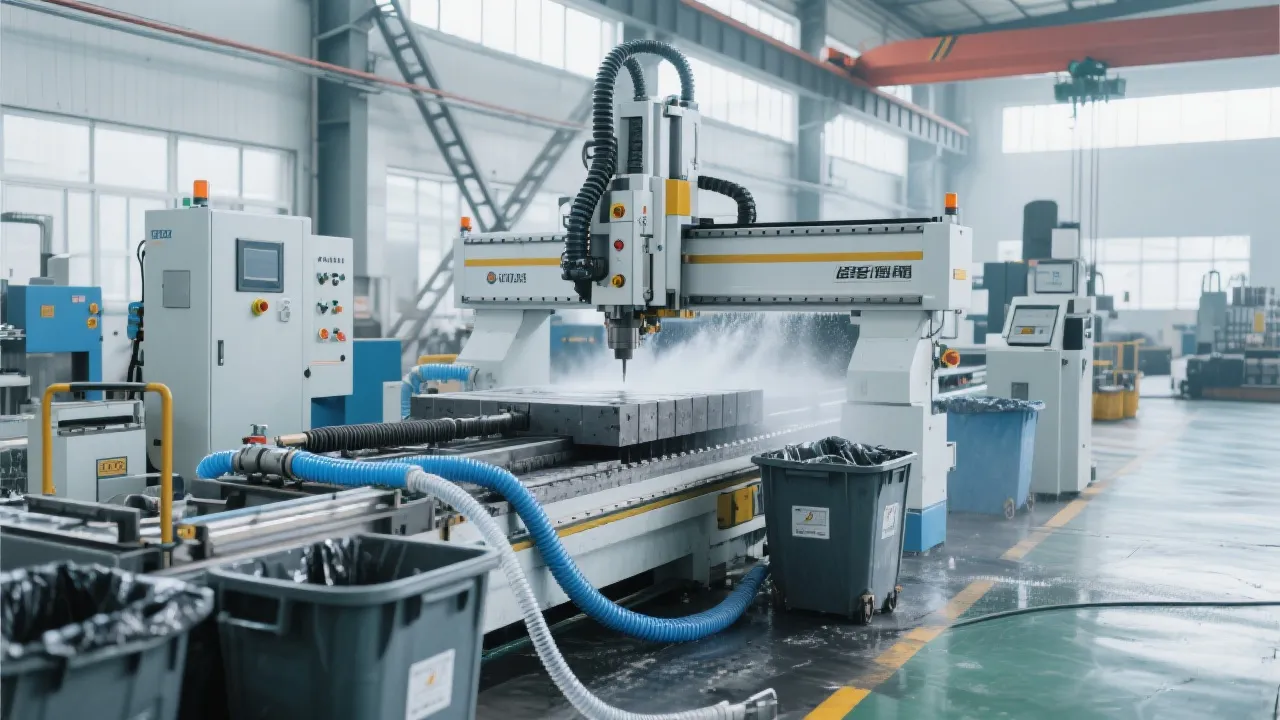
In the field of graphite processing, dust pollution is a significant issue that cannot be ignored. Graphite dust, when inhaled by workers, can cause serious respiratory diseases such as pneumoconiosis. According to relevant research, long - term exposure to an environment with high concentrations of graphite dust increases the risk of such diseases by up to 30%. Moreover, graphite dust can also cause damage to processing equipment, reducing its service life and accuracy. For example, dust entering the moving parts of a machine tool can accelerate wear and tear, leading to a decrease in processing accuracy of up to 10%.
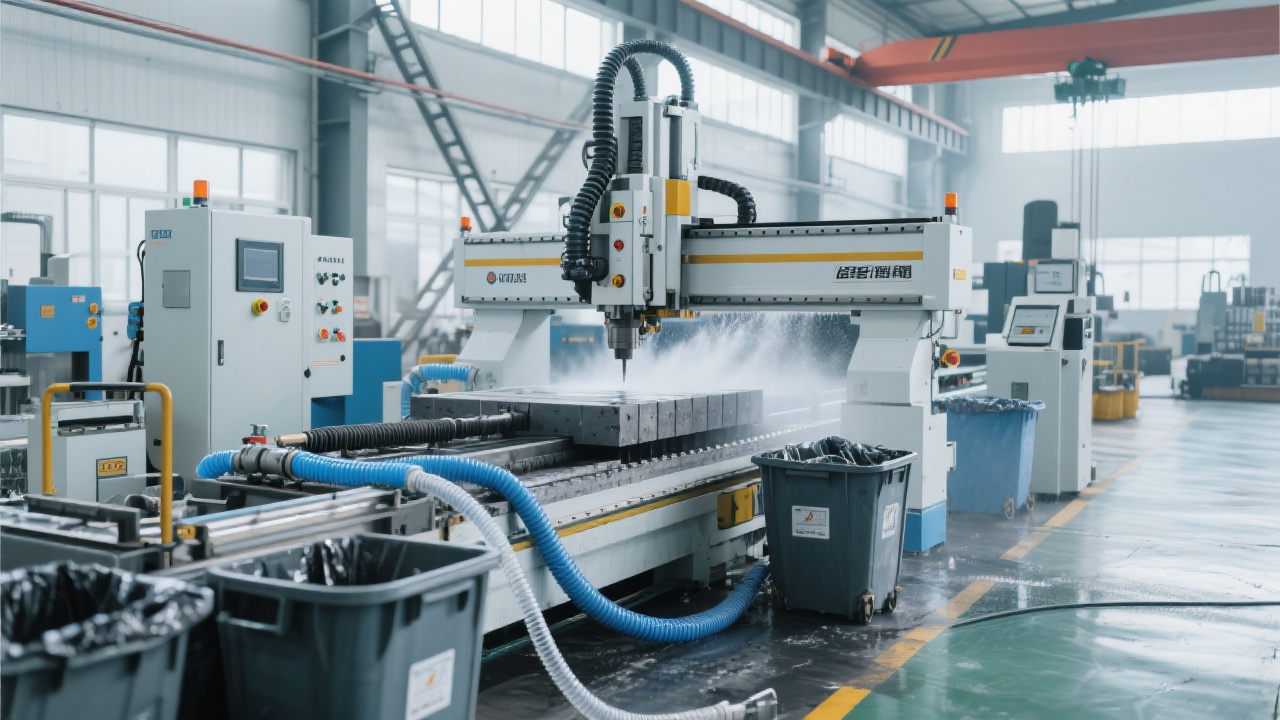
The spray design of the wet flushing system is crucial for effective dust control. Different spray patterns, such as fan - shaped, conical, and full - cone sprays, have different coverage areas and dust - suppression effects. For example, fan - shaped sprays are suitable for large - area coverage, while conical sprays can provide more concentrated spraying in a specific area. The design of the spray angle and density also needs to be carefully considered according to the layout of the processing area and the characteristics of dust generation.
Water pressure regulation is another key technology in the wet flushing system. Appropriate water pressure can ensure that the spray has sufficient power to capture dust particles. Generally, for graphite processing, the water pressure should be maintained between 2 - 5 MPa. If the water pressure is too low, the spray may not be able to effectively capture dust; if it is too high, it may cause excessive splashing and waste of water resources.
The filtration and recovery process in the wet flushing system plays an important role in environmental protection and equipment protection. After the wet flushing, the water containing graphite dust needs to be filtered to remove the dust particles. The filtered water can be recycled, which not only saves water resources but also reduces the cost of wastewater treatment. The filtration process usually includes multiple stages, such as sedimentation, coarse filtration, and fine filtration. The recovery rate of water can reach up to 80% through an efficient filtration system.
| System Type | Advantages | Disadvantages | Applicable Scenarios |
|---|---|---|---|
| Dry Dust Removal | No need for water, suitable for environments with water shortages | Low dust - removal efficiency for fine dust, high energy consumption | Processing with low dust generation |
| Wet Flushing | High dust - removal efficiency, can effectively capture fine dust, and has a cooling effect on the processing area | Requires a water supply system and a filtration and recovery system | High - precision graphite processing with high dust generation |
In a certain high - precision graphite processing enterprise, after installing a wet flushing system in its CNC machine tools, the dust concentration in the processing workshop was reduced from 10 mg/m³ to less than 2 mg/m³, meeting the national environmental protection standards. At the same time, the processing accuracy of the machine tools was improved by 5%, and the service life of the equipment was extended by about 20%.
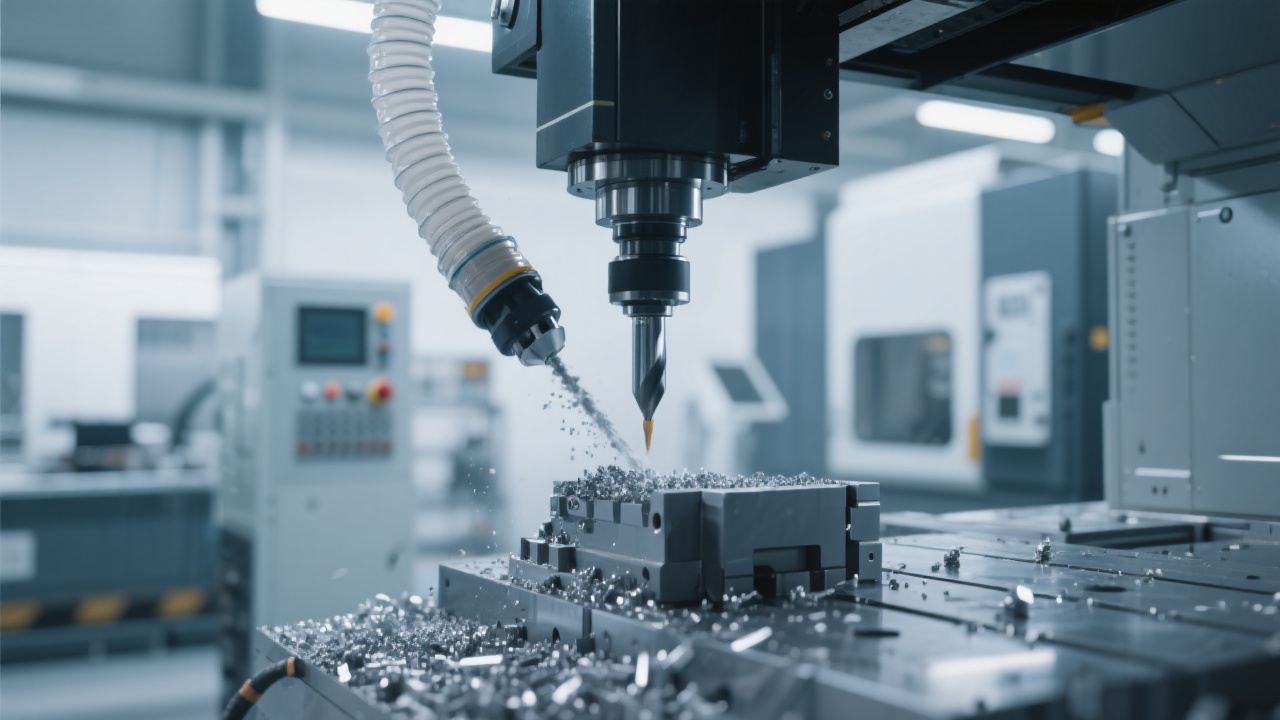
Regular maintenance of the wet flushing system is essential to ensure its stable operation. Maintenance work includes checking the water supply pipeline for leaks, cleaning the spray nozzles, and replacing the filter elements in a timely manner. In case of common faults, such as low water pressure or blockage of the spray nozzles, a simple troubleshooting table can be used for quick diagnosis and repair.
| Fault Phenomenon | Possible Causes | Solutions |
|---|---|---|
| Low water pressure | Blockage of the water pipeline, pump failure | Clean the water pipeline, check and repair the pump |
| Blockage of spray nozzles | Accumulation of dust particles in the nozzles | Remove and clean the spray nozzles |
If you want to learn more about high - performance CNC machine tools equipped with advanced wet flushing systems and how they can improve your graphite processing efficiency and quality, click here for more details.


