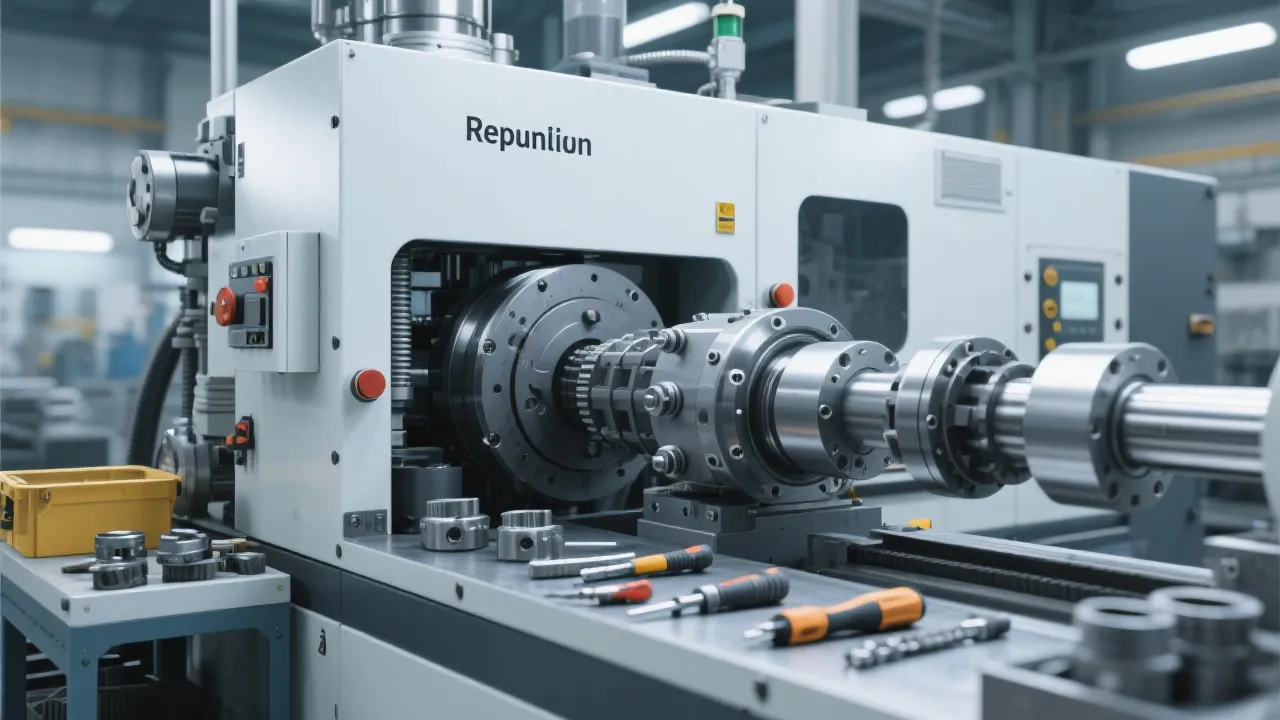
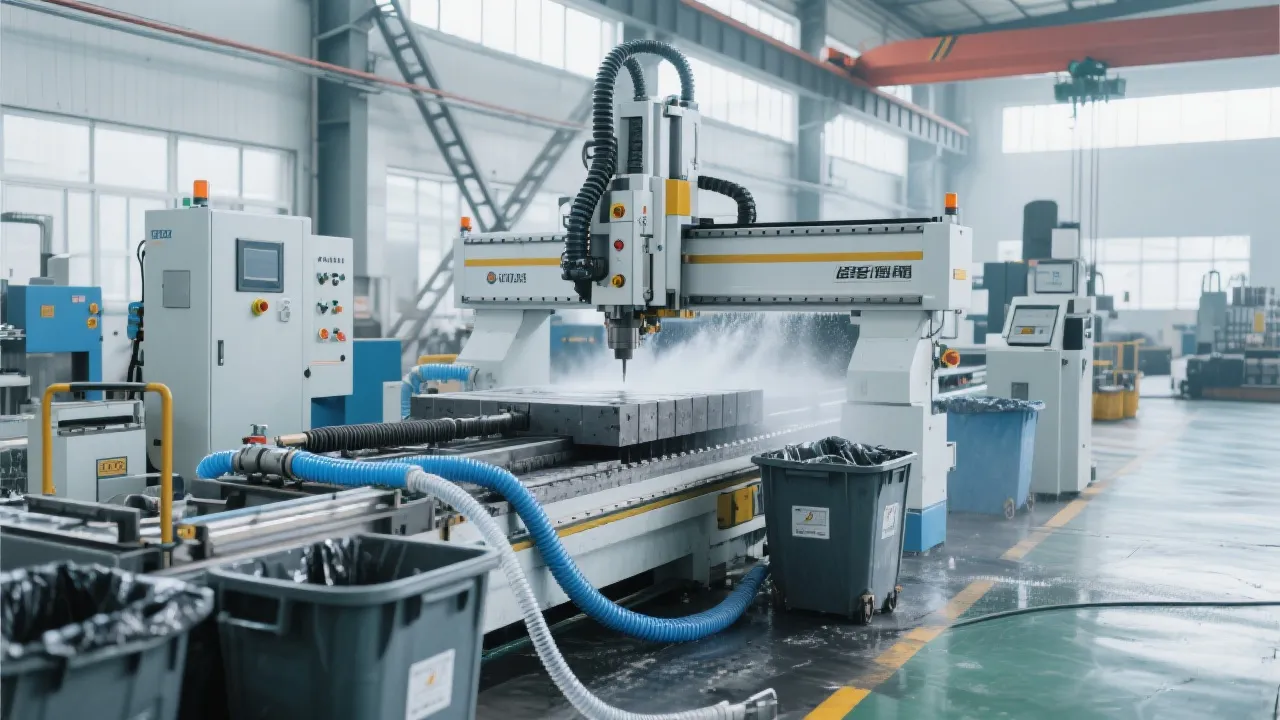
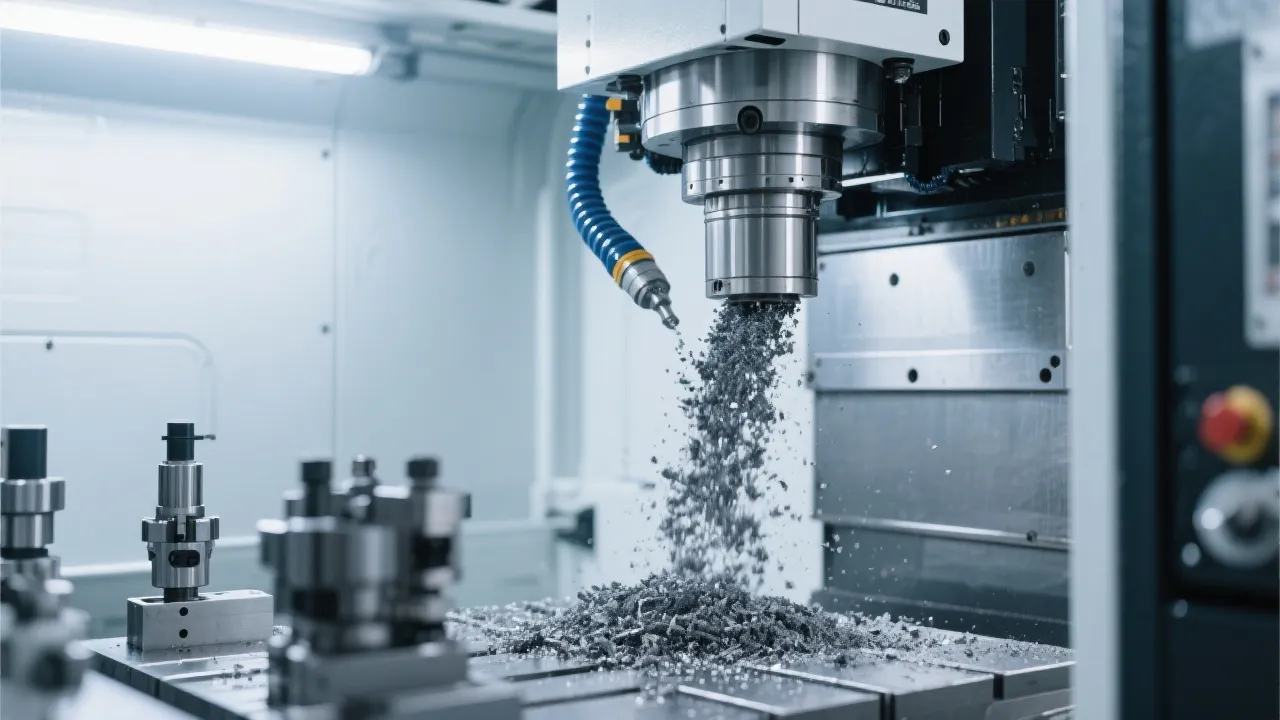
In the competitive world of footwear production, precision and efficiency are no longer optional—they’re essential. Traditional 3-axis machining often falls short when it comes to complex shoe components like midsoles, heels, or custom楦heads. This is where 5-axis CNC milling transforms the game—especially with machines like the DC6070 5-Axis Shoe Last CNC Milling Machine.
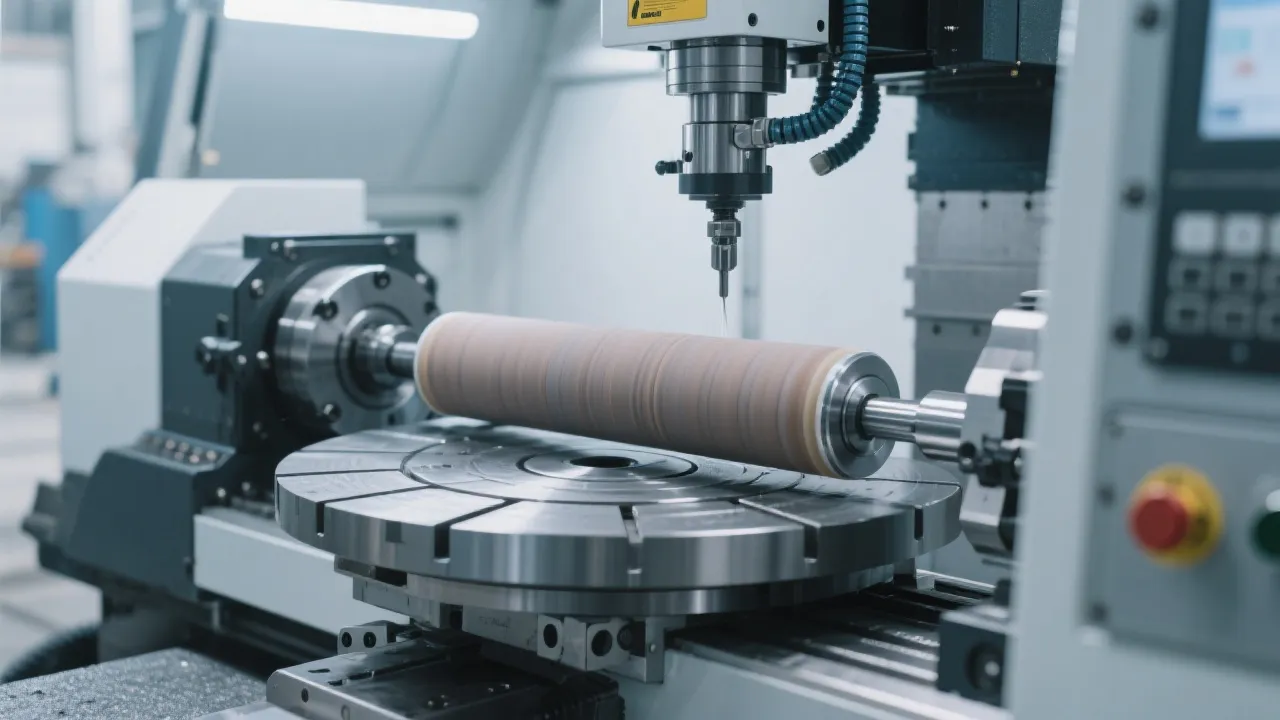
Unlike 3-axis systems that require multiple setups for intricate geometries, a 5-axis machine uses a rotating table (typically A and C axes) to position the workpiece dynamically. According to industry data from the International Association of Shoe Technology (IAST), this reduces setup time by up to 40% and minimizes cumulative positioning errors—critical for high-volume mold manufacturing.
“We cut our tool change frequency in half after switching to 5-axis. Our surface finish improved from Ra 3.2 to Ra 1.6—no more polishing post-machining.” — Mark Chen, Production Manager at Shenzhen Footwear Solutions
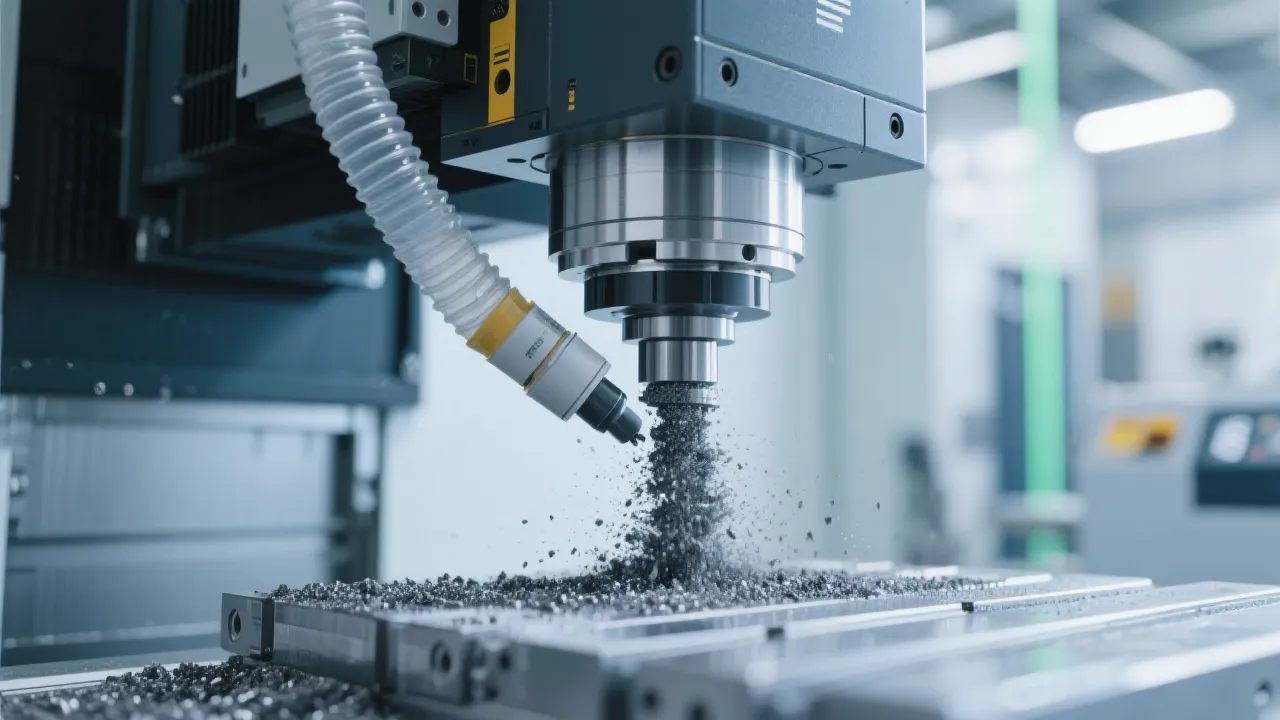
The DC6070’s monolithic cast iron frame ensures vibration resistance—even during aggressive cutting of hard materials like aluminum or composite molds. Paired with a 15 kW high-torque spindle, it maintains consistent chip removal rates while reducing tool wear. Studies show this combination can extend tool life by up to 30%, directly lowering cost-per-part and boosting ROI.
Consider a midsole mold with undercuts and variable thicknesses—it’s nearly impossible to machine accurately on a 3-axis system without manual intervention. With 5-axis tech, the same part can be completed in one setup, achieving ±0.02mm tolerance consistently across all surfaces. Similarly, heel inserts and asymmetrical last shapes benefit from continuous tool engagement, minimizing chatter marks and improving dimensional accuracy.
Powered by Syntec’s latest controller firmware (v4.2+), the DC6070 delivers smooth path interpolation even at speeds over 30 m/min. This means fewer pauses, less heat buildup, and higher throughput. In controlled tests, users reported a 25% increase in automated cycle times compared to older controllers—an advantage that scales quickly across multi-shift operations.
Get our free Technical White Paper: "5-Axis Efficiency Gains in Shoe Mold Manufacturing"—with real case studies, benchmark metrics, and setup tips from global OEMs.
Download Now – Free Technical Guide