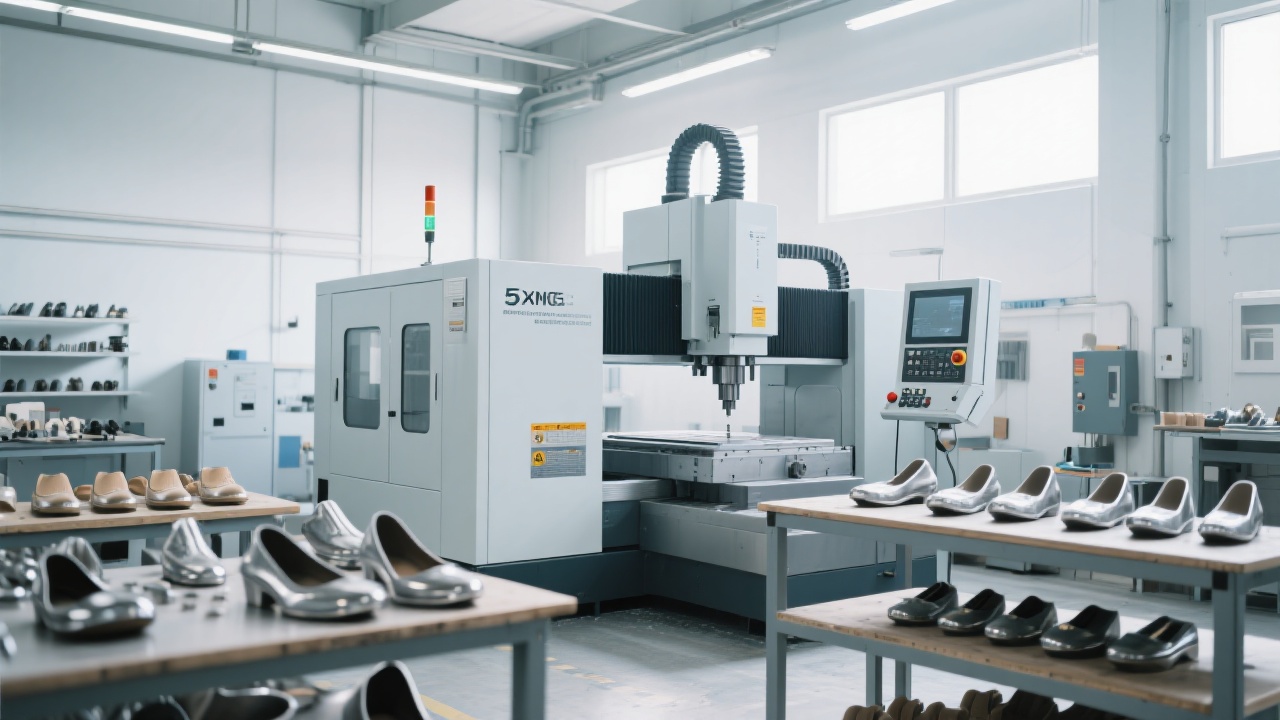
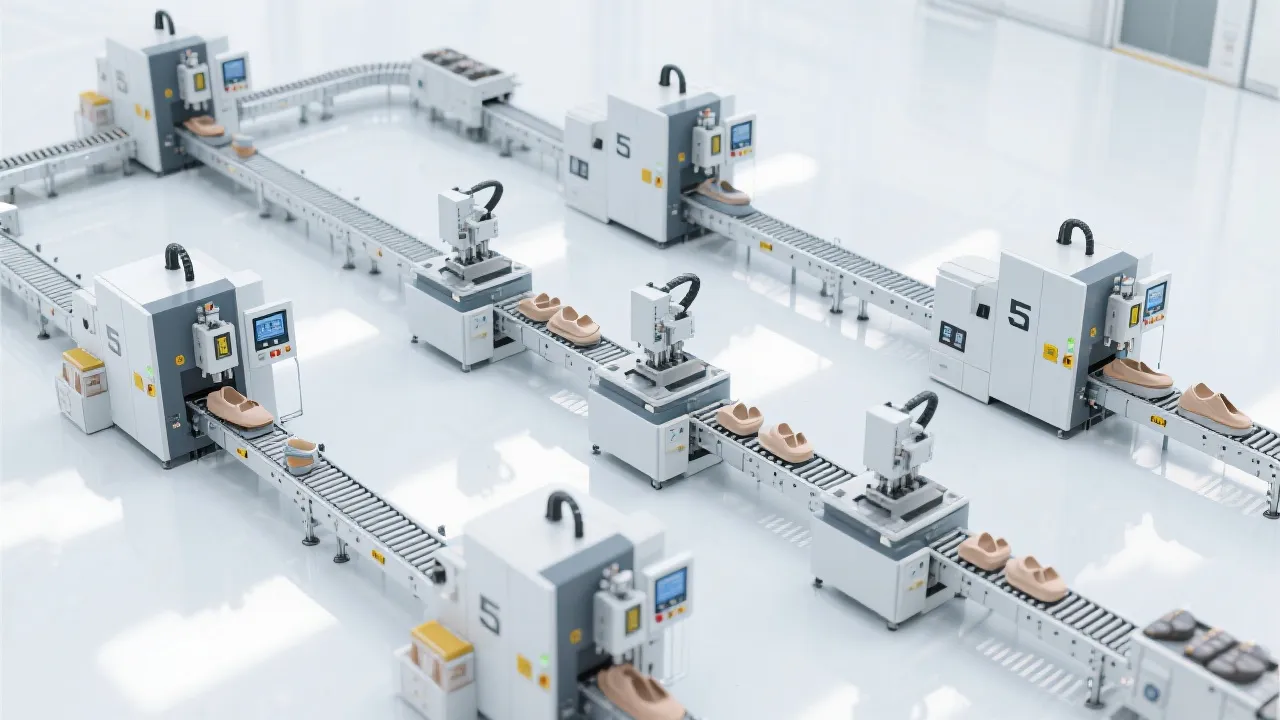
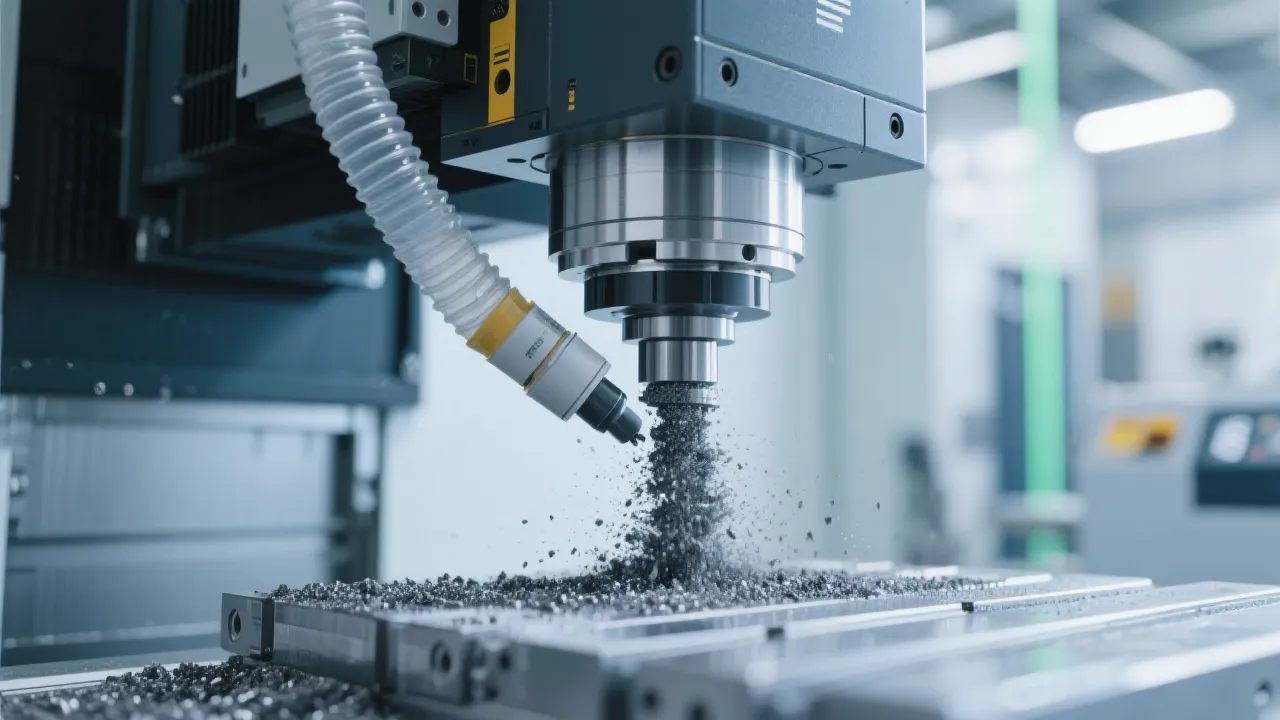
In the highly specialized domain of shoe mold manufacturing, tackling intricate geometries and complex structures is a persistent challenge. Traditional machining methods often struggle to maintain precision and efficiency when processing these detailed parts. The advent of advanced 5-axis CNC milling technology, exemplified by models such as the DC6070, has significantly transformed this landscape. By enabling multi-dimensional machining and reducing setup complexity, these machines empower manufacturers to elevate product quality and streamline production workflows.
At the core of 5-axis CNC machining lies the capacity to manipulate the cutting tool and workpiece along five independent axes: X, Y, Z, plus two rotational axes typically denoted as A and B. This freedom allows for highly flexible tool positioning, essential for machining the shoe molds’ freeform surfaces such as complex curves on the lasts, soles, and heels.
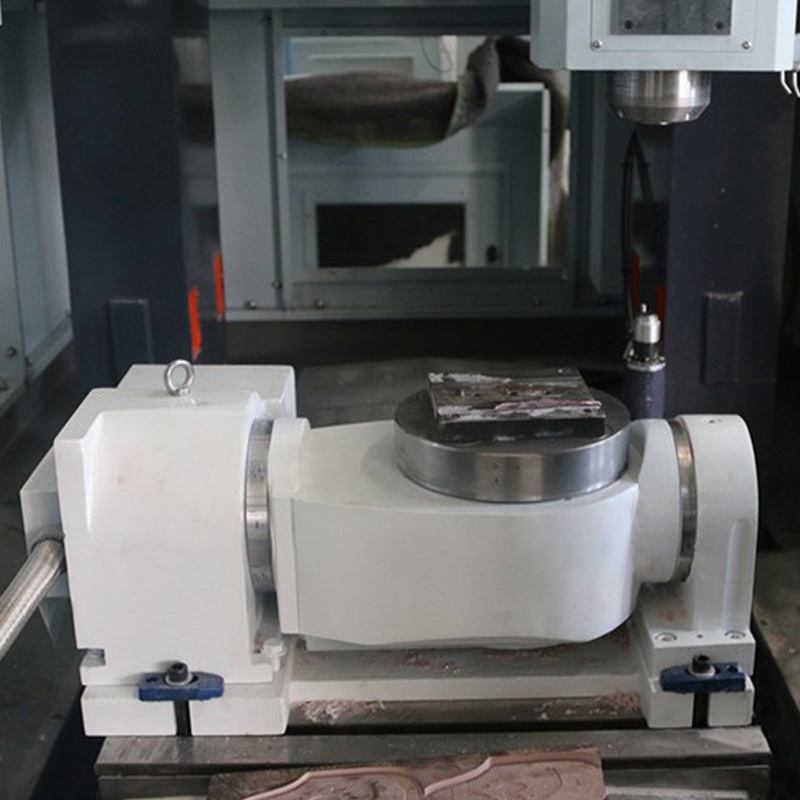
The DC6070's integrated rotary table provides a pivotal benefit by enhancing machining freedom. This setup drastically reduces the need for multiple repositionings or re-fixturing of the workpiece, mitigating cumulative alignment errors that compromise dimensional accuracy. Consequently, manufacturers can anticipate a 30-40% reduction in setup time, directly translating to improved throughput without sacrificing tolerances that often reach ±0.01 mm in critical shoe mold features.
Furthermore, continuous 5-axis movements enable the machining of undercuts and angled surfaces in a single setup cycle, which previously required complex manual interventions or multi-fixture operations.
Precision in shoe mold manufacturing heavily depends on the machine's mechanical robustness. The DC6070 features a high-rigidity machine frame constructed from advanced cast iron alloys and optimized structural design, limiting vibrations during heavy cutting. This stiffness directly improves surface finish quality, often yielding mirror-like smoothness on polymer or metal molds required for ultimate shoe fit and comfort.
Complementing this is the machine's powerful high-torque electric spindle, capable of operating steadily at torques exceeding 30 Nm. Such consistent torque delivery maintains cutting stability even during aggressive roughing passes or when marginally increasing cutting depths to meet tight delivery schedules. Additionally, the spindle's dynamic balancing and temperature control systems extend cutting tool life by an estimated 20-25%, reducing tooling costs and downtime.
Applying five-axis machining to typical shoe mold components reveals its practical advantages. The midsole molds, characterized by curvilinear grooves and asymmetrical geometry, are precision-machined in single setups, ensuring uniform material density and structural consistency in final shoe assemblies.
Heel molds, often featuring steep undercuts and variable radii, benefit from the rotational table’s ability to position complex surfaces optimally relative to the cutting tool. This avoids secondary manual finishing steps, which traditionally introduced variability.
For asymmetric lasts, which directly influence shoe ergonomics, 5-axis control enables nuanced surface sculpting with high repeatability. Manufacturers note a 15-20% improvement in dimensional conformity compared to 3-axis machining methods.
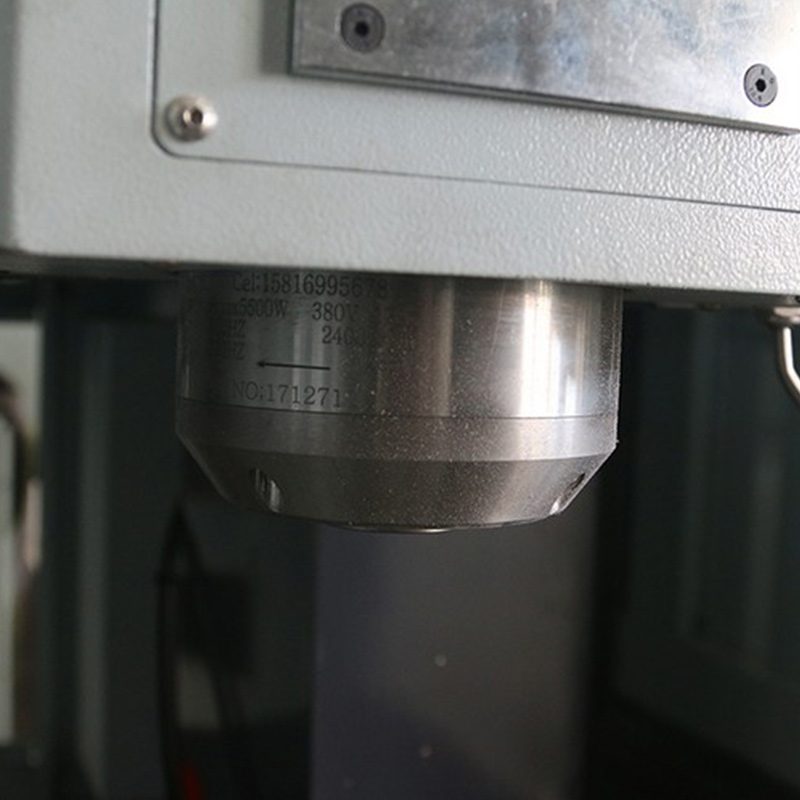
The integration of the high-speed Syntec CNC controller into the DC6070 system elevates machining performance through advanced path planning algorithms and real-time toolpath optimization. This controller supports smooth transitions across multi-axis movements, minimizing jerk and vibration that can compromise surface quality.
Additionally, Syntec’s robust automation features streamline repetitive machining tasks by enabling customizable macro programs and adaptive feed rate controls. Operational stability is significantly enhanced, reducing human error and enabling unattended runs — a crucial advantage for meeting tight production deadlines.
Empirical data from manufacturers deploying Syntec-controlled five-axis milling machines indicate a 20% increase in operational uptime and a noticeable improvement in on-spec yield rates.
Embracing the DC6070 five-axis CNC milling technology offers shoe mold manufacturers a decisive edge. By addressing the innate challenges of complex geometries with precision, durability, and automation, the technology facilitates not merely incremental process improvements but a strategic leap in competitive positioning.
These technological enhancements translate to tangible benefits such as lower production costs, accelerated time-to-market, and elevated product quality — fundamental drivers in an increasingly demanding footwear industry.