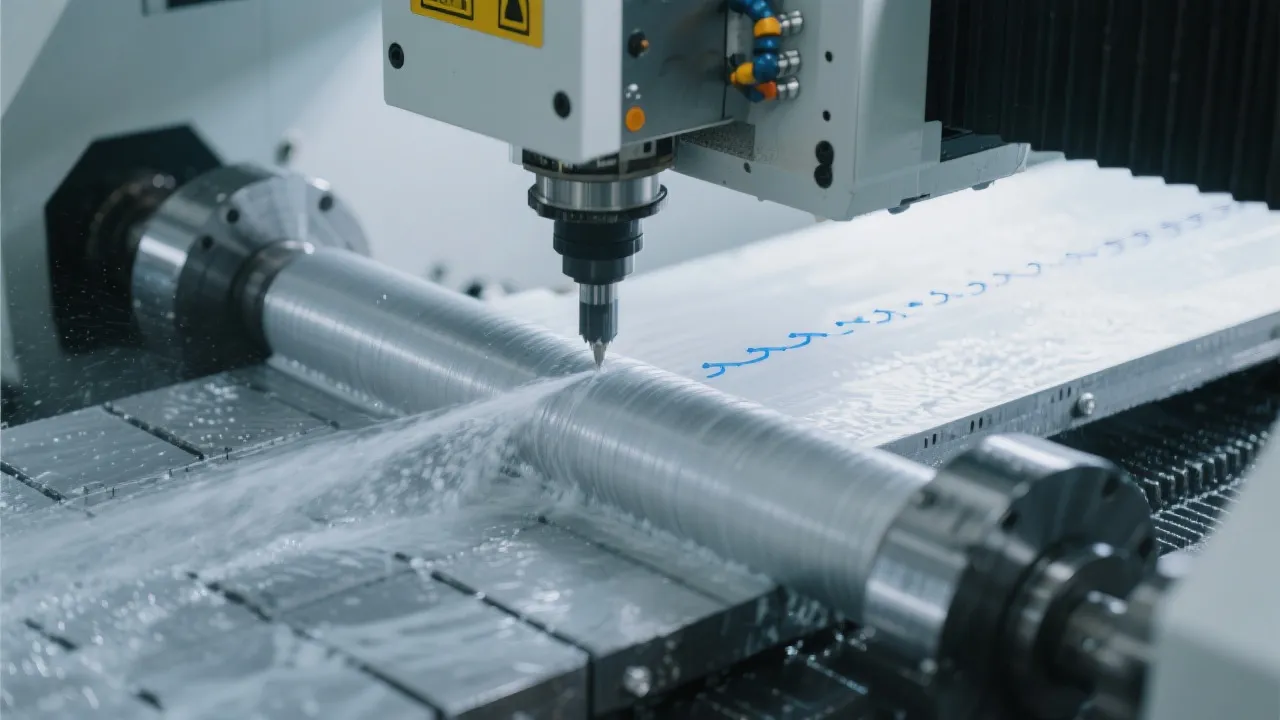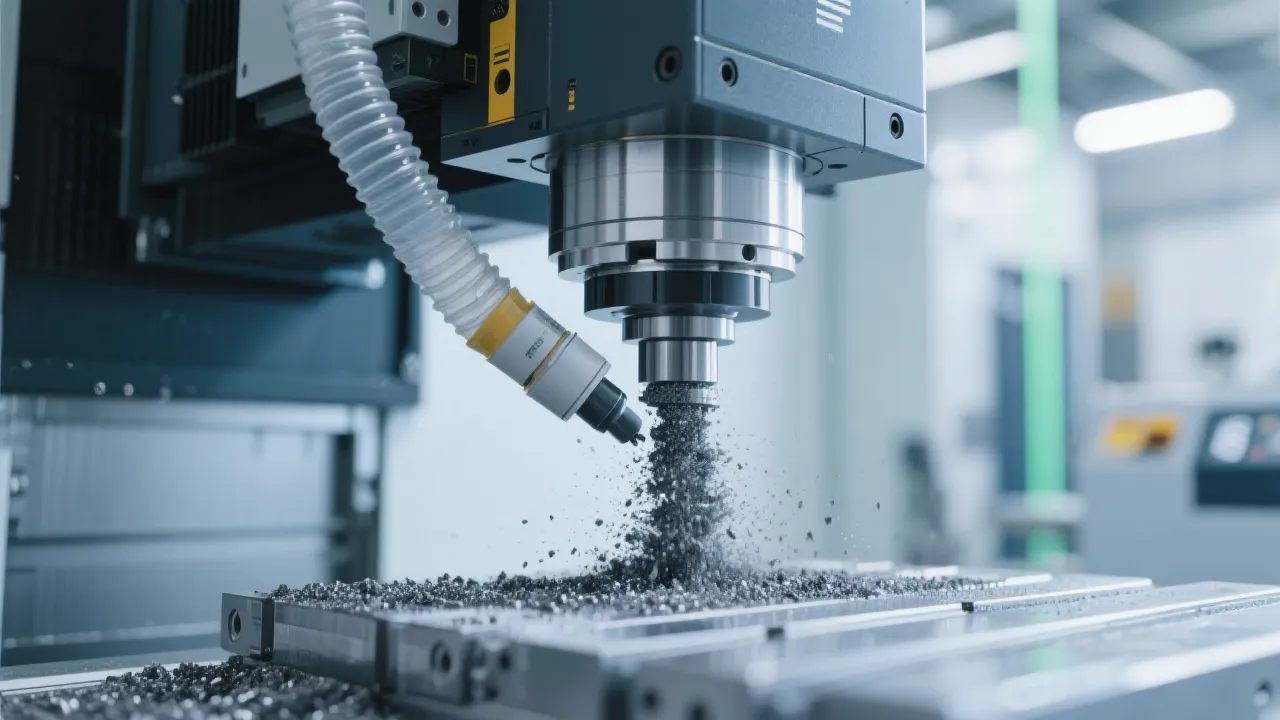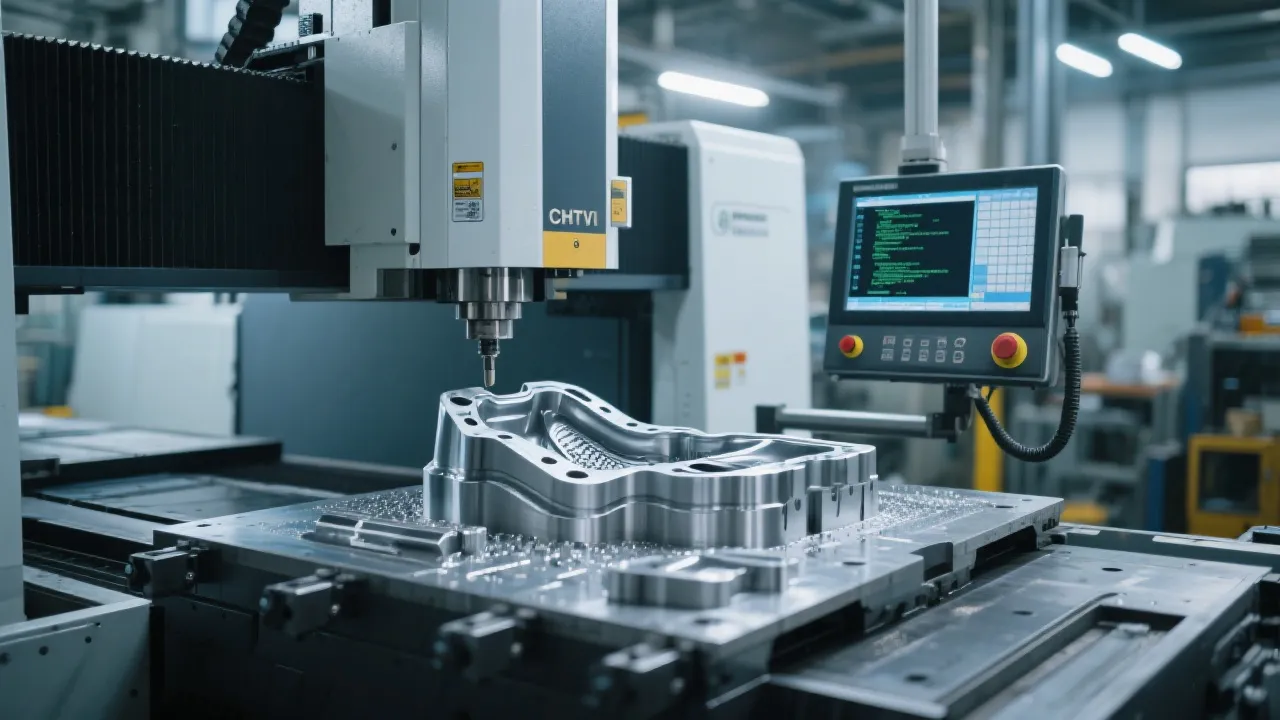
In today’s highly competitive footwear industry, precision and efficiency in shoe mold manufacturing have become paramount. The integration of five-axis CNC milling technology, exemplified by the DC6070 model, revolutionizes traditional production methods by overcoming intricate machining challenges. This article deep-dives into how core components—including the rotating worktable, high-rigidity mechanical framework, high-torque electric spindle, and the cutting-edge Syntec controller—jointly enhance manufacturing capabilities, optimize workflow, and tackle prevalent industry challenges.
The defining advantage of five-axis CNC milling lies in its ability to move the cutting tool across five different axes simultaneously. This means the tool can approach the workpiece from almost any direction, dramatically increasing machining freedom.
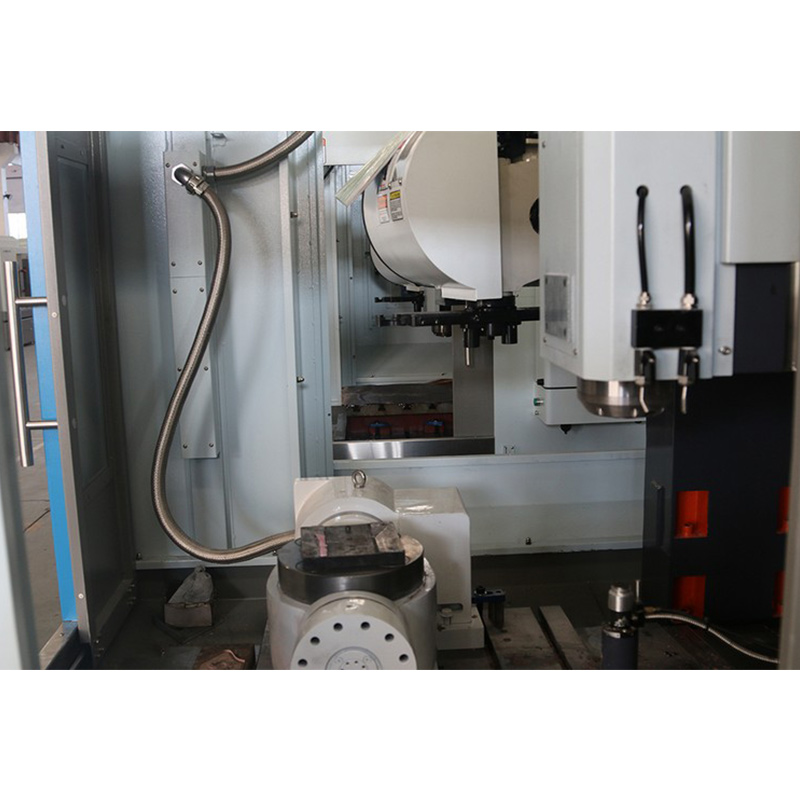
Among these, the rotating worktable acts as a pivotal mechanism. By enabling rotation along multiple axes, it reduces the need for manual repositioning and multiple clamping setups. For shoe mold components—typically featuring complex curves and undercuts—this significantly improves machining accuracy and cuts down production time by up to 30% compared with conventional three-axis machining.
The DC6070's machine frame is built from high-rigidity materials engineered to resist vibration and deformation during machining. This robustness is critical for maintaining dimensional accuracy within tight tolerances of ±0.01 mm, particularly when working with tough materials or performing deep cuts.
Complementing the mechanical design is the high-torque electric spindle, capable of delivering continuous torque exceeding 20 Nm at speeds up to 24,000 RPM. This combination extends tool life by 25%-40%, minimizes thermal deformation, and supports machining of intricate shoe mold features such as toe caps and wedges with consistent surface finish quality.
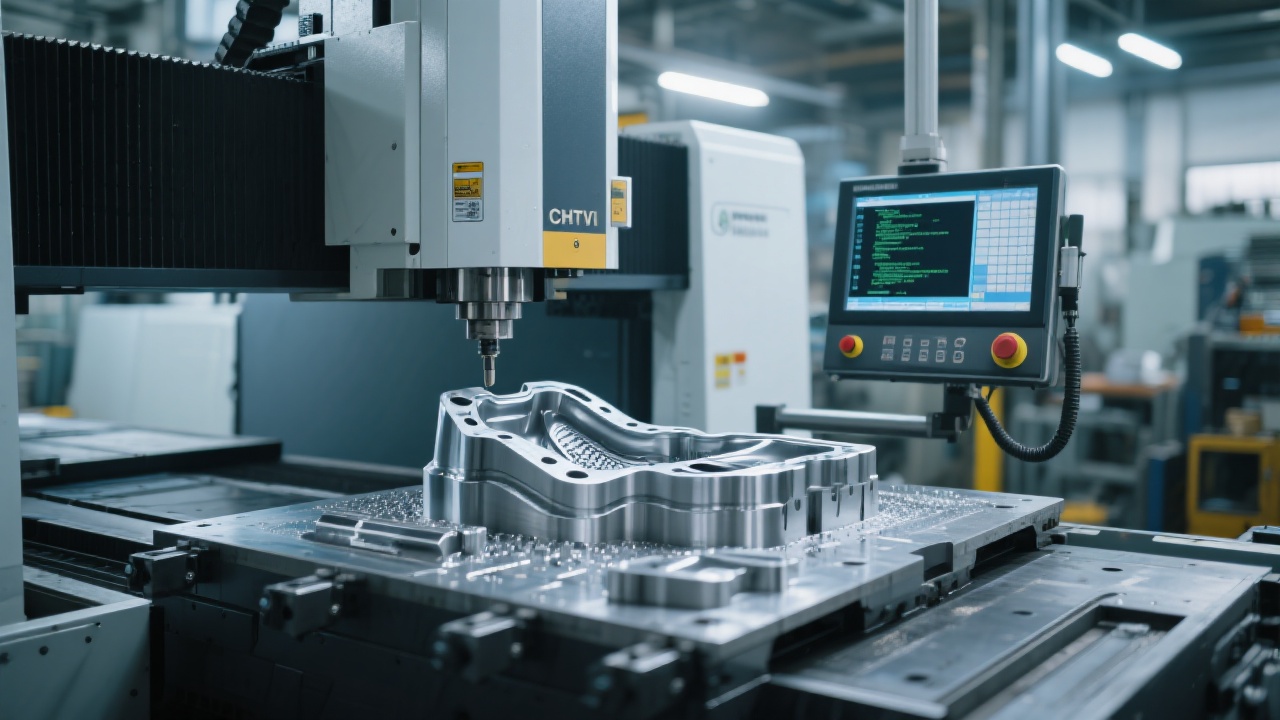
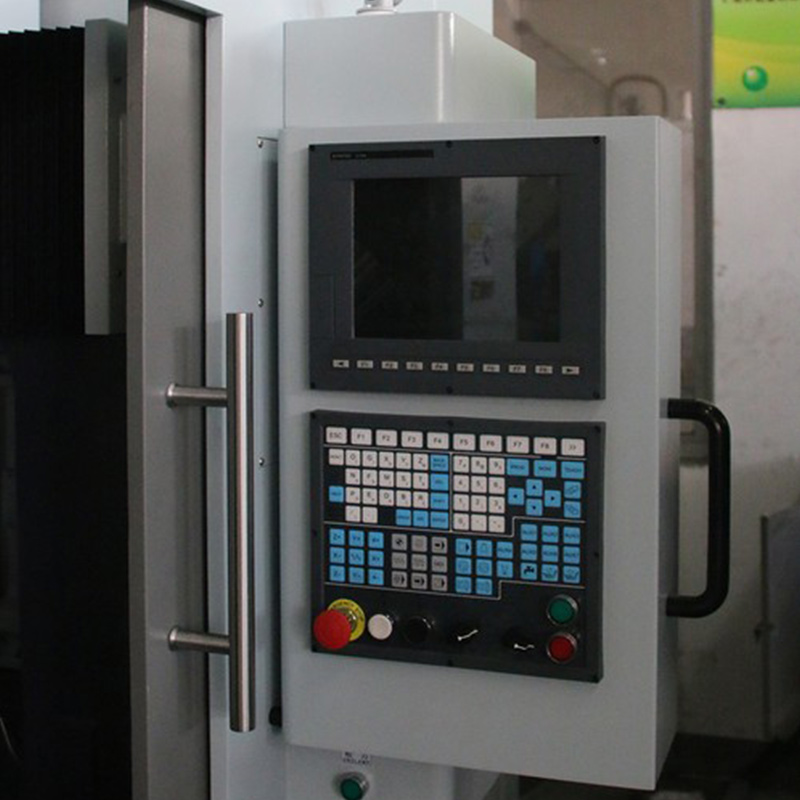
The integration of the Syntec controller upgrades the DC6070’s operational intelligence. It efficiently calculates optimized toolpaths, minimizing unnecessary motions and cutting time. Especially relevant in shoe mold manufacturing, where complex geometries can overwhelm traditional CNC programming, this results in up to 20% faster machining cycles.
Additionally, the controller supports advanced automation features, including automatic tool change sequences and collision avoidance, enhancing both machine uptime and operator safety. Processing speeds of up to 500 mm/min and real-time error detection enable stable, error-free runs over extended shifts.
The shoe mold sector faces constant pressure to reduce lead times without compromising quality. Traditional machining often struggles with the complex free-form surfaces needed for ergonomic designs, leading to frequent rework and waste.
By employing five-axis CNC milling with the DC6070’s technological suite, manufacturers gain the following practical benefits:
These improvements empower shoe mold producers to meet tighter delivery schedules, reduce production costs by up to 15%, and gain a competitive edge in quality-sensitive markets.
To fully harness the DC6070’s capabilities, manufacturers should consider the following:
By aligning technology investment with process optimization, shoe mold manufacturers can sustainably elevate their production standards.