Essential Manufacturing Guide: Enhancing Machine Tool Protection through Sealed Interface Process Optimization

02 10,2025
KAIBO CNC
Application Tutorial
In graphite machining environments, conventional machine tools frequently suffer from failures and high maintenance costs due to dust and metal particle ingress. This article provides an in-depth analysis of the fully sealed enclosure design approach applied in the DC6060G wet-washing graphite machining center. It outlines the selection of polymer composite materials, the advanced dynamic sealing interface processes, and the optimization of airflow pathways integrated with thermal management systems. These comprehensive measures collectively achieve superior dust and contaminant protection while ensuring stable equipment operation. Supported by real-world data from lithium battery electrode manufacturing—demonstrating over a 30% improvement in Mean Time Between Failures (MTBF)—this technical solution highlights the tangible benefits of prolonging machine lifespan and reducing downtime. The insights serve as practical guidance for precision manufacturing enterprises seeking robust protective upgrades.
1724292883077_cnc-vertical--machining-center-with-gear-box-fh1580l-4.png

Enhancing Machine Tool Protection Through Optimized Sealing Interface Technology in Graphite Processing

In the high-precision realm of graphite machining, the infiltration of dust particles and metal debris into machine tools is a persistent challenge, often leading to repeated failures and soaring maintenance costs. Especially for wet-wash graphite machining centers like the DC6060G, robust protective measures are crucial to maintain operational stability and manufacturing quality.

Understanding the Protective Challenges in Graphite Processing Environments

Graphite processing environments inherently produce fine dust and metallic residues that easily penetrate poorly sealed machine tool interfaces. This contamination causes electronic component corrosion, accelerates precision degradation, and inevitably increases machine downtime. Furthermore, traditional sealing techniques often fail to provide sustained protection amid dynamically moving parts and fluctuating thermal conditions.

Breaking Down the Full-Seal Enclosure Design: Core Innovation Modules

The DC6060G's design team approached the sealing challenge with a comprehensive methodology incorporating:

  • High-Performance Polymer Composite Panels: Selected for superior chemical resistance and mechanical strength, effectively blocking dust permeation while enabling structural flexibility.
  • Dynamic Sealing Interfaces: Custom-engineered interface joints adapt to the relative motion between machine components without compromising seal integrity, dramatically reducing ingress risk.
  • Optimized Airflow and Thermal Management: A coordinated ventilation and heat dissipation system maintains a balanced internal atmosphere that prevents condensation and optimizes component cooling.

This tri-fold approach synergistically functions as a "breathing system" for the machine tool—allowing controlled airflow for temperature regulation while barring contaminants, akin to a respiratory defense mechanism in a biological system.
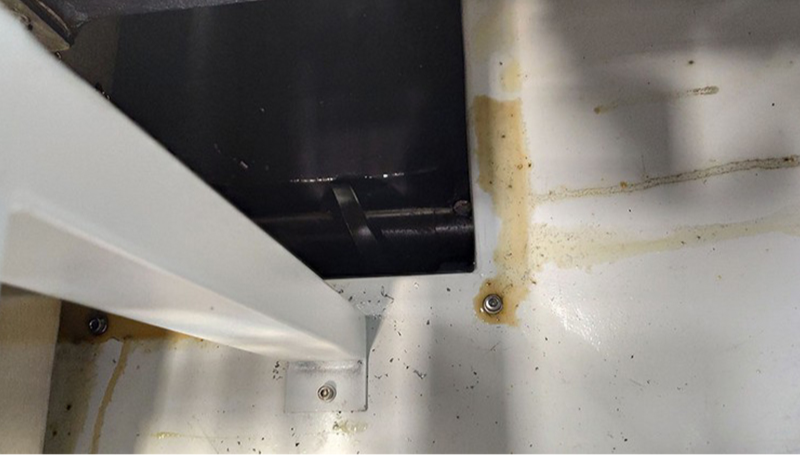
Cross-sectional diagram of the DC6060G's full-seal enclosure design showcasing polymer panels and dynamic sealing interfaces

Quantifiable Impact: Industry Case Evidence

Industry-specific trials, particularly within lithium battery electrode manufacturers, have substantiated the efficacy of this sealing technology. Key performance metrics include:

Metric Baseline (Traditional Sealing) With Full-Seal Design
Mean Time Between Failures (MTBF) 1,000 hours 1,300+ hours (30%↑)
Maintenance Frequency Every 500 hours Every 750+ hours (33%↑ interval)
Operational Stability (Precision Deviation) ±0.015 mm ±0.008 mm (~47% Improvement)
"Since integrating the improved full-sealing solution, our wet-wash graphite centers have experienced significantly fewer unscheduled downtimes, directly impacting our production efficiency and reducing maintenance overhead." – Senior Engineer, Leading Lithium Battery Manufacturer
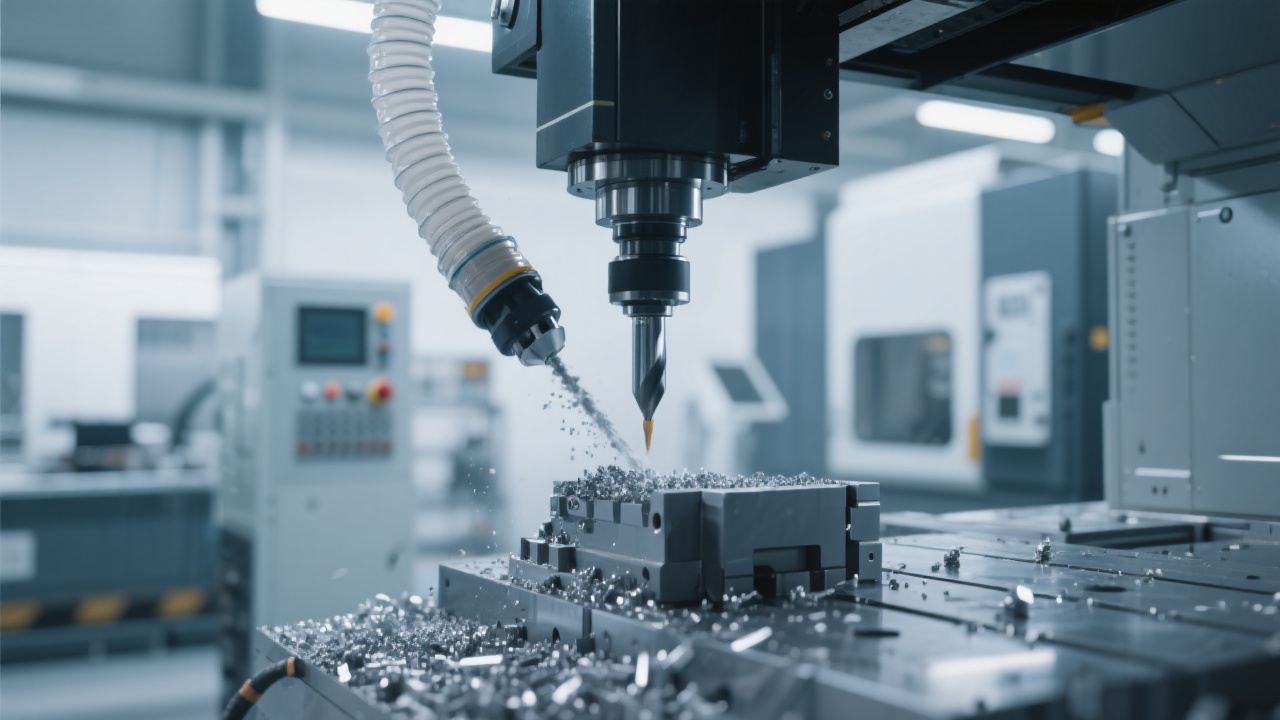
Comparative performance chart demonstrating MTBF and maintenance frequency improvements with full-seal designs

Sectoral Applicability and Advancement Prospects

Beyond graphite processing, this advanced protective architecture presents transformative potential for sectors demanding extreme precision and contamination control—such as:

  • Advanced lithium-ion battery electrode fabrication
  • Aerospace component milling
  • High-purity semiconductor manufacturing

The well-calibrated balance between sealing robustness and thermal airflow ensures these sectors can achieve longer equipment lifespans and greater process repeatability, with tangible ROI from reduced downtime and servicing.
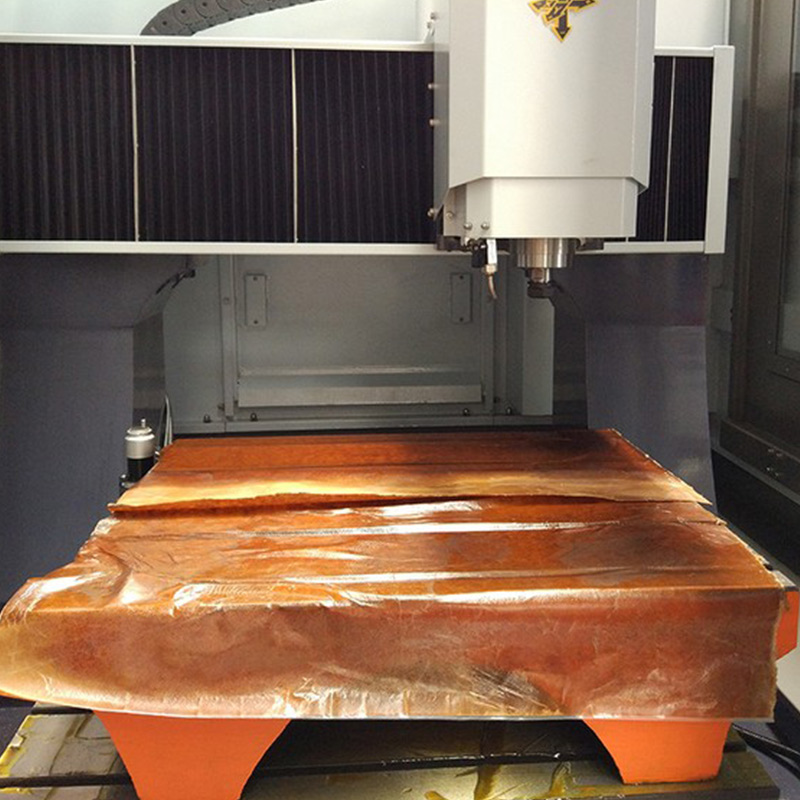
Schematic visualization outlining airflow optimization and heat dissipation within the full-seal enclosure in precision machining centers

Discover how your precision manufacturing can benefit from advanced machine tool protection — Download Our Free Whitepaper on High-Cleanliness Machining Center Protection or Schedule a Technical Consultation Today.

Name *
Email *
Message*

Recommended Products

Contact us
Contact us
https://shmuker.oss-accelerate.aliyuncs.com/tmp/temporary/60ec5bd7f8d5a86c84ef79f2/60ec5bdcf8d5a86c84ef7a9a/thumb-prev.png