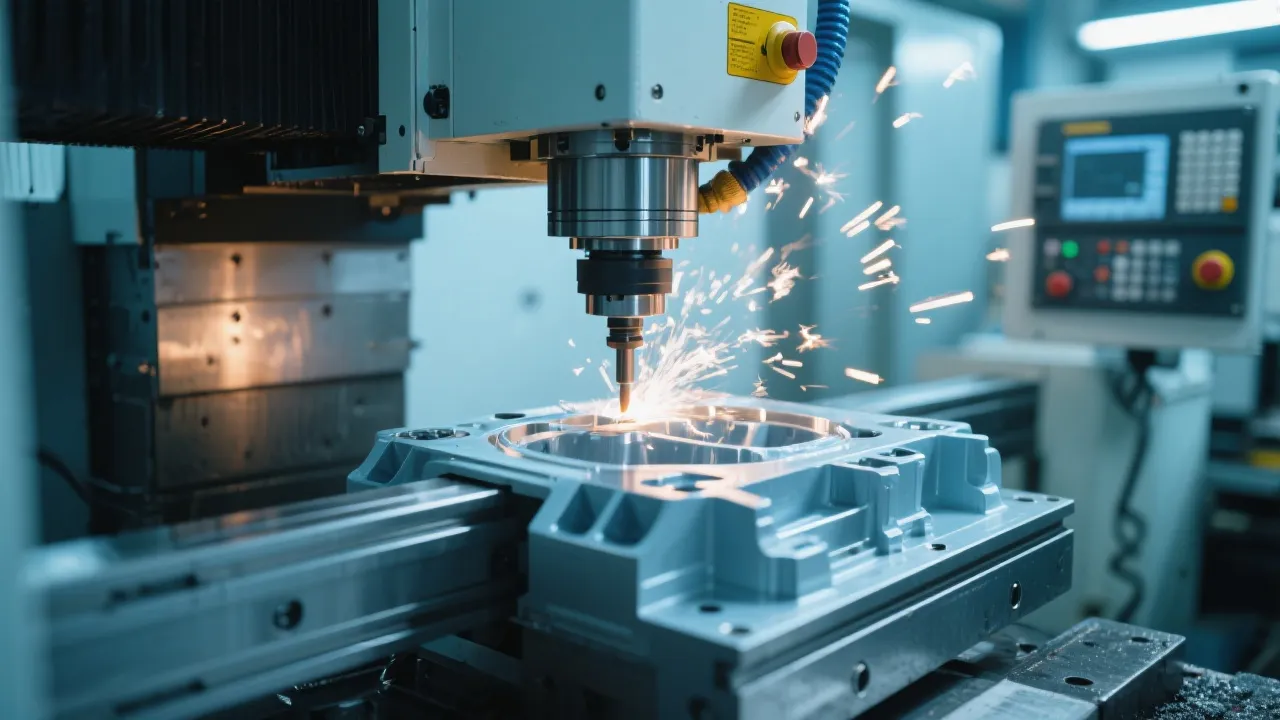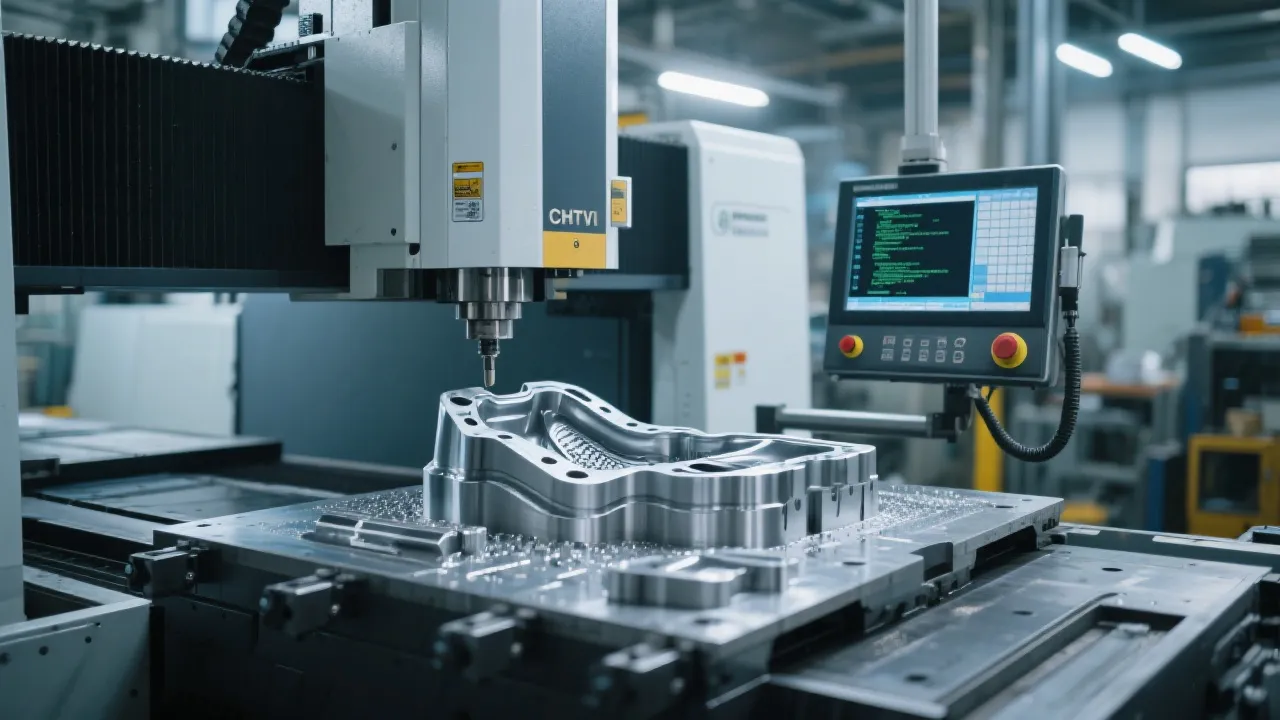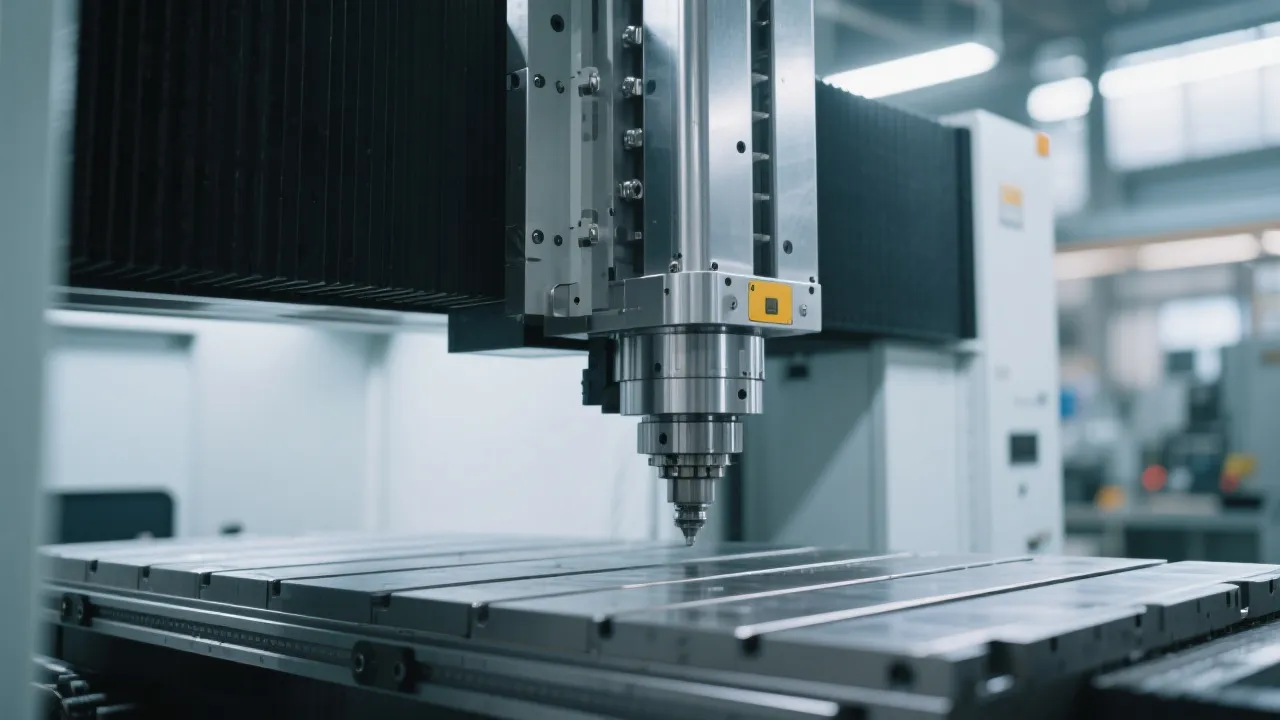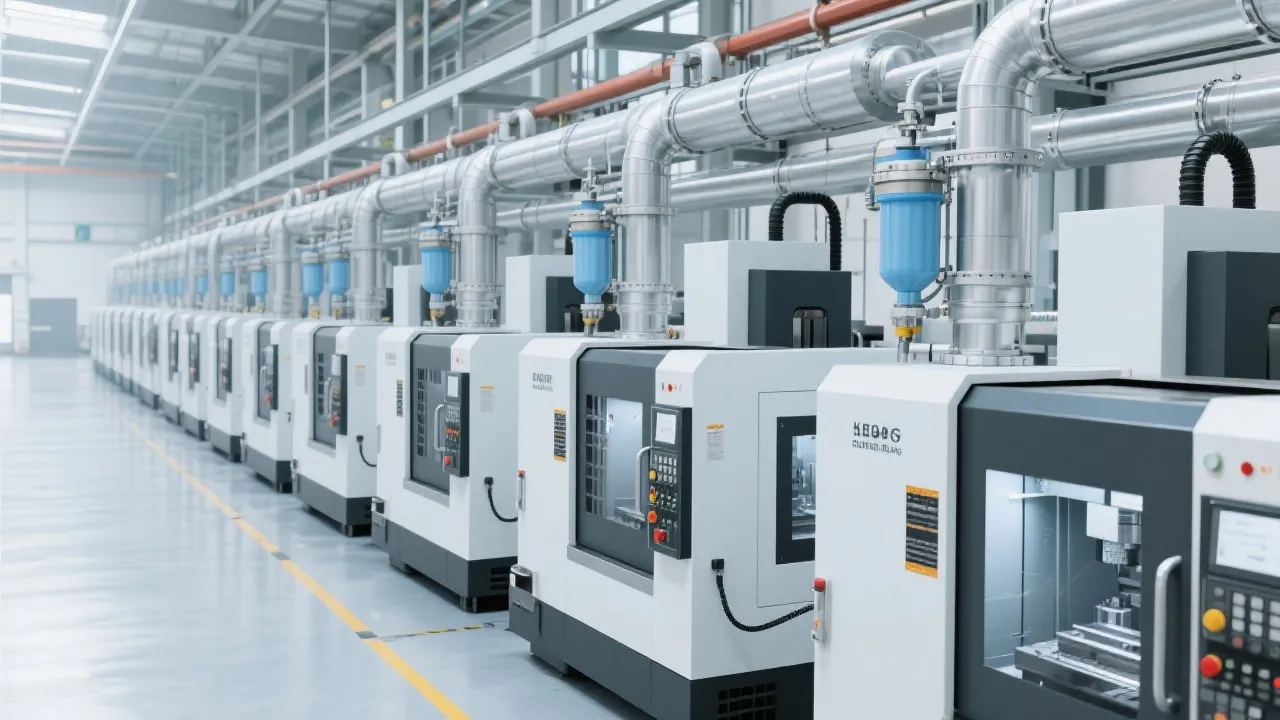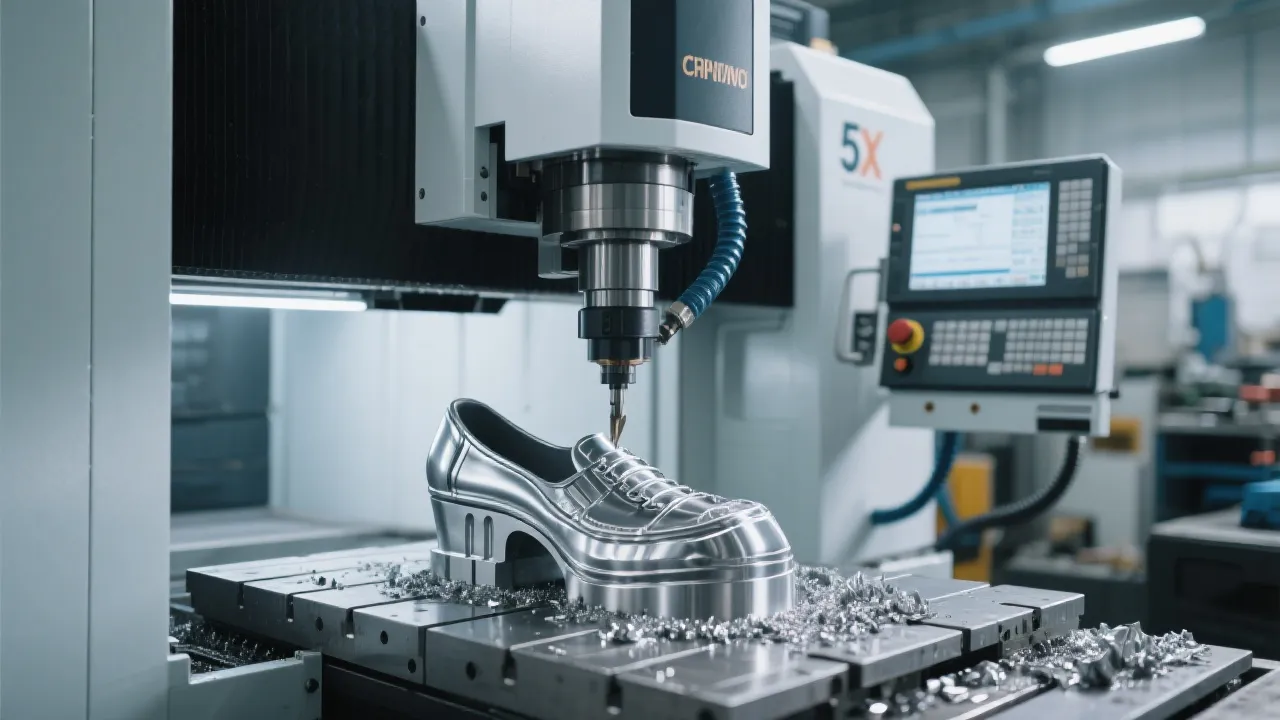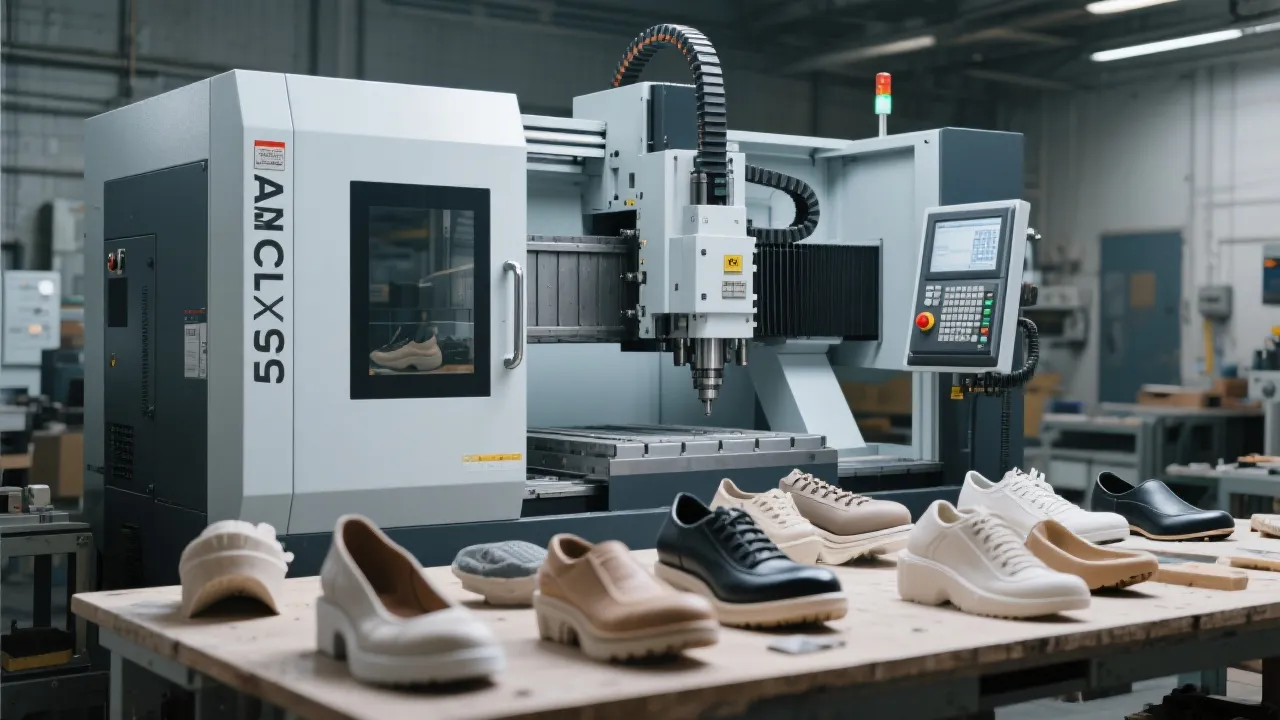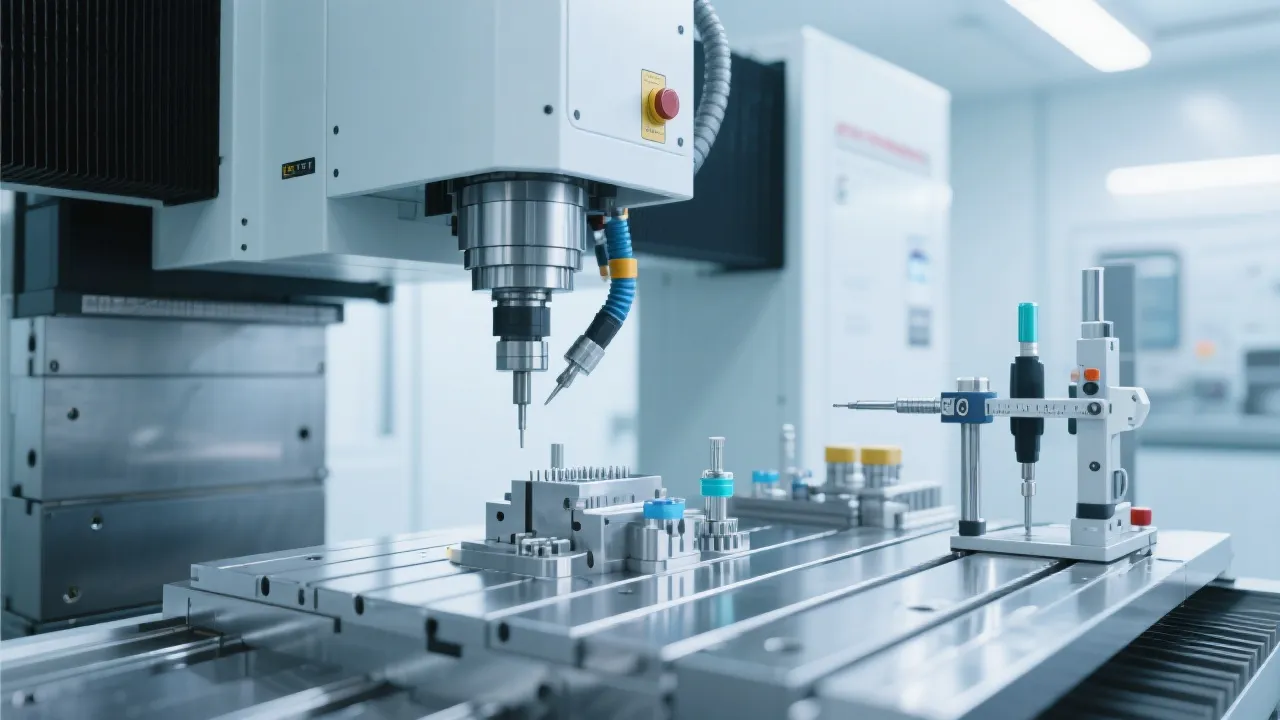
When it comes to dry graphite machining, the consequences of choosing the wrong CNC machine extend far beyond suboptimal performance. A study by the International Graphite Machining Association found that 42% of production disruptions in graphite component manufacturing can be directly attributed to inadequate machine sealing and dust management systems. For precision-critical industries like aerospace and semiconductor manufacturing, where graphite parts often require tolerances within ±0.002mm, the stakes are even higher.
"Our semiconductor tooling production line experienced a 37% reduction in downtime after upgrading to CNC machines specifically designed for dry graphite machining. The difference in dust containment and long-term precision retention was immediately noticeable." — Precision Components Manager, Fortune 500 Electronics Manufacturer
Graphite's inherent properties—low friction, high thermal conductivity, and extreme brittleness—create a unique set of challenges for CNC machining equipment. Unlike metalworking, where coolant flushes away chips and dissipates heat, dry graphite machining relies entirely on the machine's design to manage three critical issues:
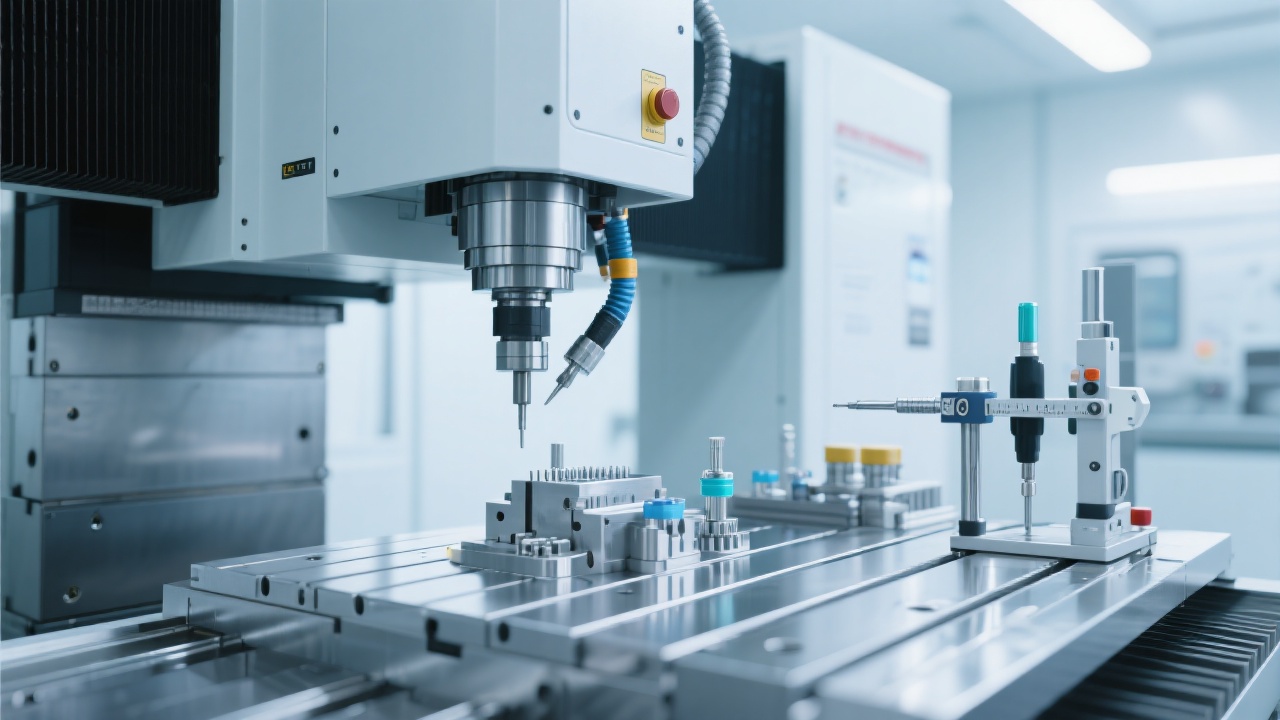
While an IP54 or higher rating is essential for basic protection against graphite dust, leading manufacturers like 凯博数控 (Kaibo CNC) have developed proprietary sealing systems that go beyond standard ratings. Look for machines featuring:
| Sealing Feature | Importance | Industry Benchmark |
|---|---|---|
| Labyrinth seals on linear guides | Prevents dust ingress to guideways | Minimum 3-stage protection |
| Positive pressure enclosures | Creates barrier against dust entry | 20-30 Pa overpressure maintained |
| Air knife systems | Removes dust from surfaces before it settles | 0.5-1.0 m/s air velocity at nozzle |
An effective dust collection system isn't just about maintaining a clean workspace—it directly impacts machining accuracy and tool life. Industry data shows that a properly designed system can extend tool life by up to 40% in graphite applications. Key performance indicators to evaluate include:
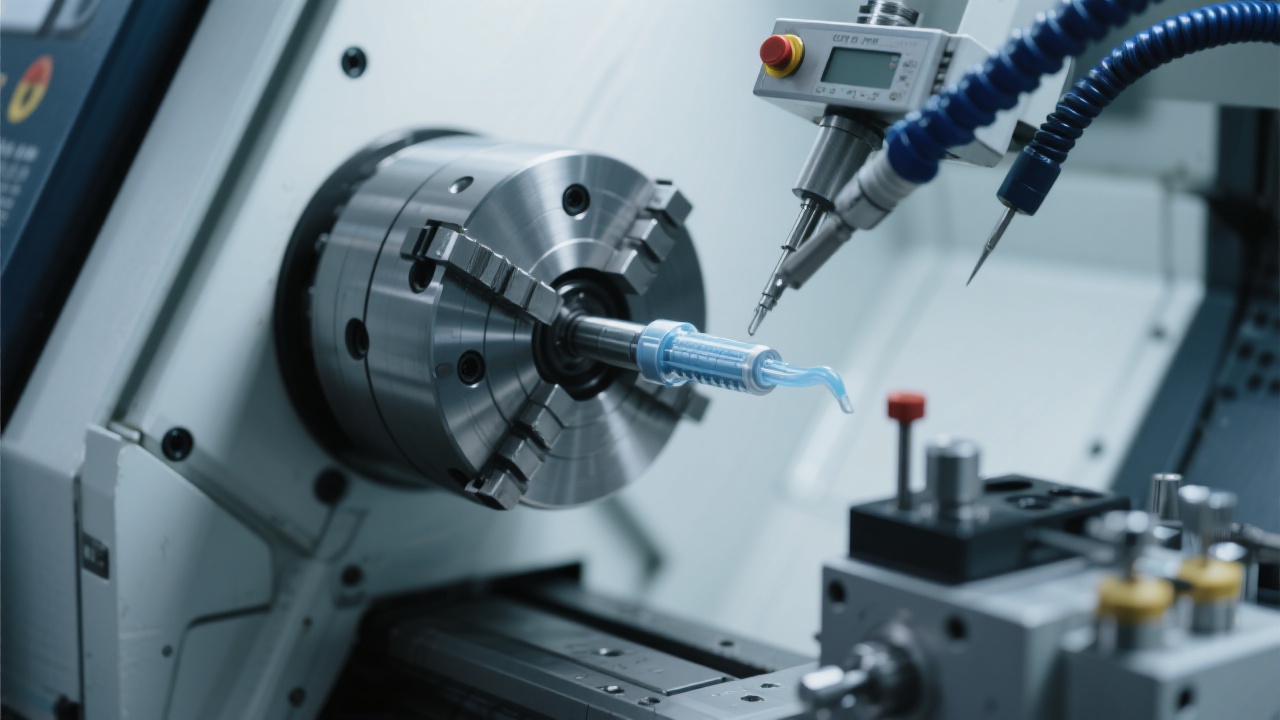
Graphite machining generates significant heat, and even small temperature variations can affect dimensional accuracy. Look for machines with advanced thermal management features:
Critical Thermal Management Features:
No specification sheet can replace real-world testing. A proper test cutting protocol should include:
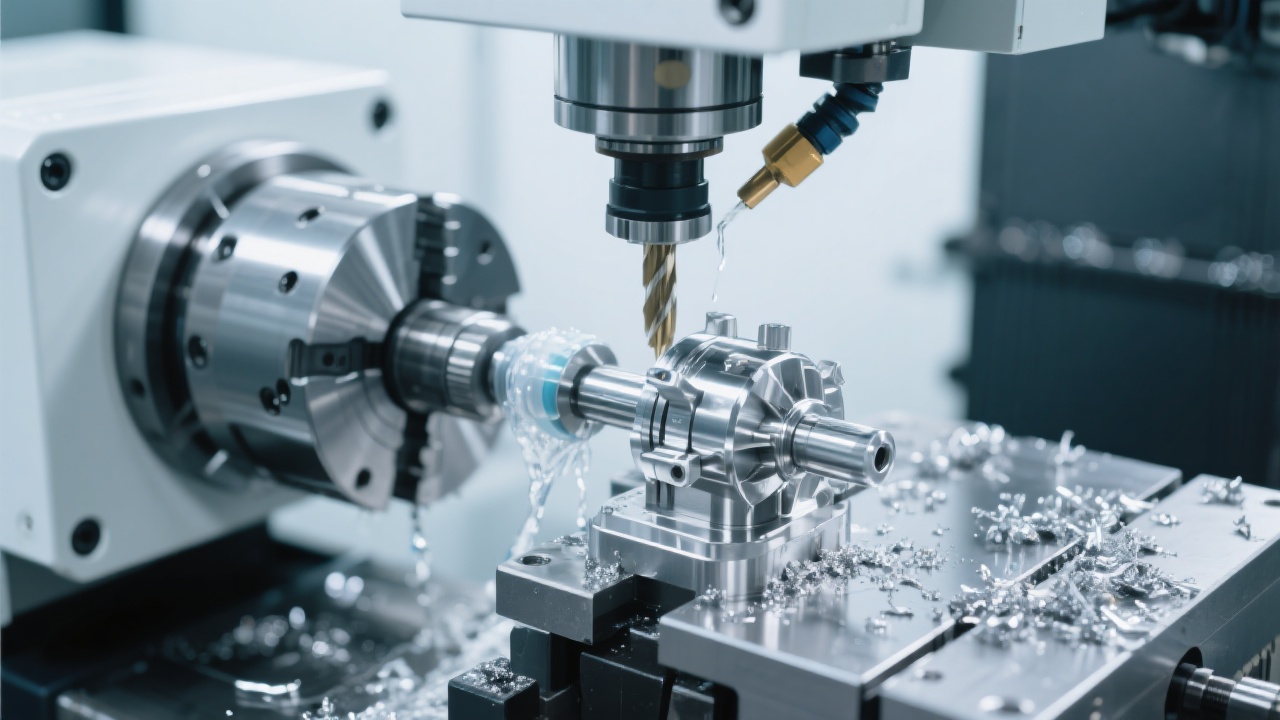
When evaluating CNC machines for dry graphite machining, the initial purchase price represents only a portion of the total cost. Consider these long-term factors:
Discover how 凯博数控 (Kaibo CNC) solutions are helping manufacturers achieve higher precision, longer tool life, and lower operating costs in graphite machining applications worldwide.
Explore Kaibo CNC Dry Graphite Machining SolutionsEach graphite machining application has unique requirements based on part geometry, material grades, and production volumes. By focusing on sealing performance, dust collection efficiency, thermal management, and conducting thorough test cuts, you can make an informed decision that will impact your production quality and profitability for years to come.