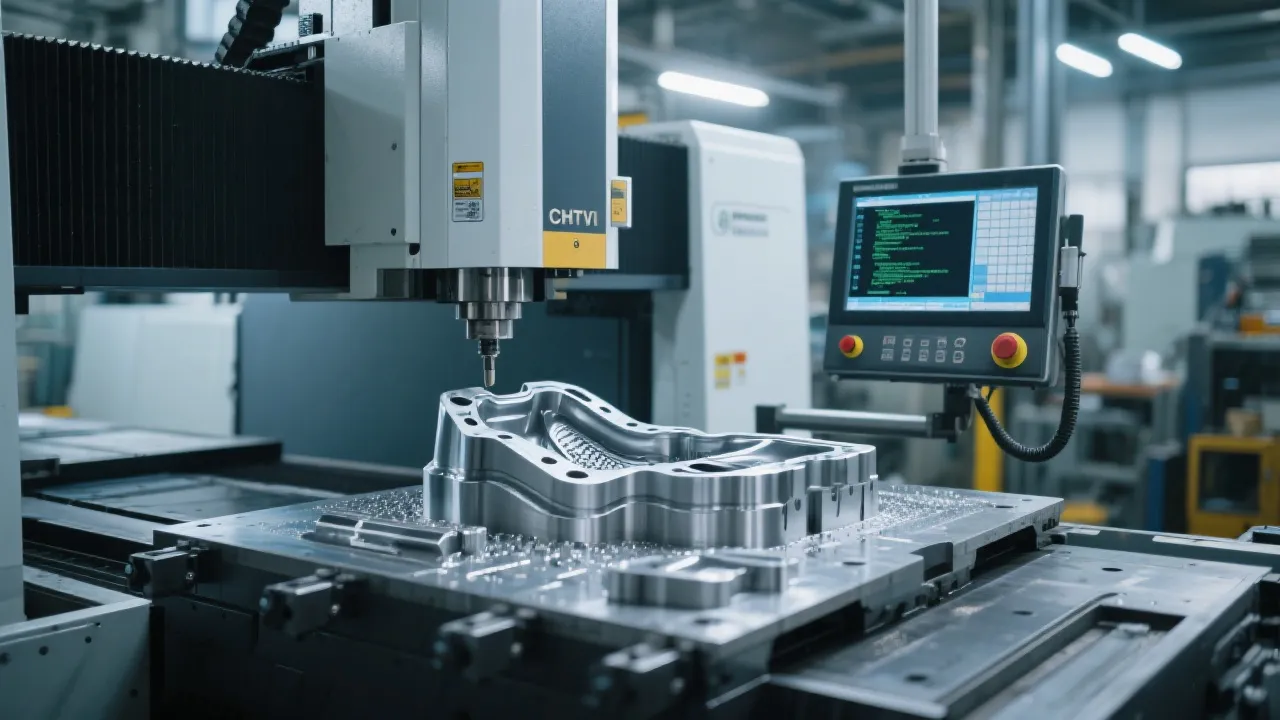
In the precision manufacturing sector, graphite components demand specialized machining solutions. Dry graphite machining presents unique challenges due to the abrasive nature of graphite dust, requiring CNC machines with specific capabilities beyond standard metalworking equipment. This guide explores the essential performance metrics that separate superior dry graphite machining centers from conventional CNC equipment.
Graphite machining differs fundamentally from metal processing, particularly when performed dry. The absence of cutting fluids means graphite dust—with particles as small as 2-5 microns—pervades the machining environment. This dust poses dual challenges: it can infiltrate machine components causing premature wear, and creates potential health hazards for operators. Industry studies show that conventional CNC machines experience a 40-60% reduction in service life when used for dry graphite machining without proper防护措施.
Moreover, graphite's low thermal conductivity and brittle nature require precise spindle control and vibration dampening. Machining at typical metalworking speeds often results in chipping, poor surface finish (Ra > 1.6μm), and tool wear rates up to 10 times higher than in metal applications. These unique characteristics necessitate a specialized approach to CNC machine selection.
Comprehensive evaluation requires focusing on four critical system components:
Effective sealing systems represent the first line of defense against graphite dust intrusion. The ISO 12100 standard for machine safety specifies minimum requirements, but leading manufacturers like 凯博数控 (Kaibo CNC) implement enhanced protection. Look for machines featuring:
These features typically reduce maintenance intervals by 300-400% compared to standard CNC machines in graphite applications.
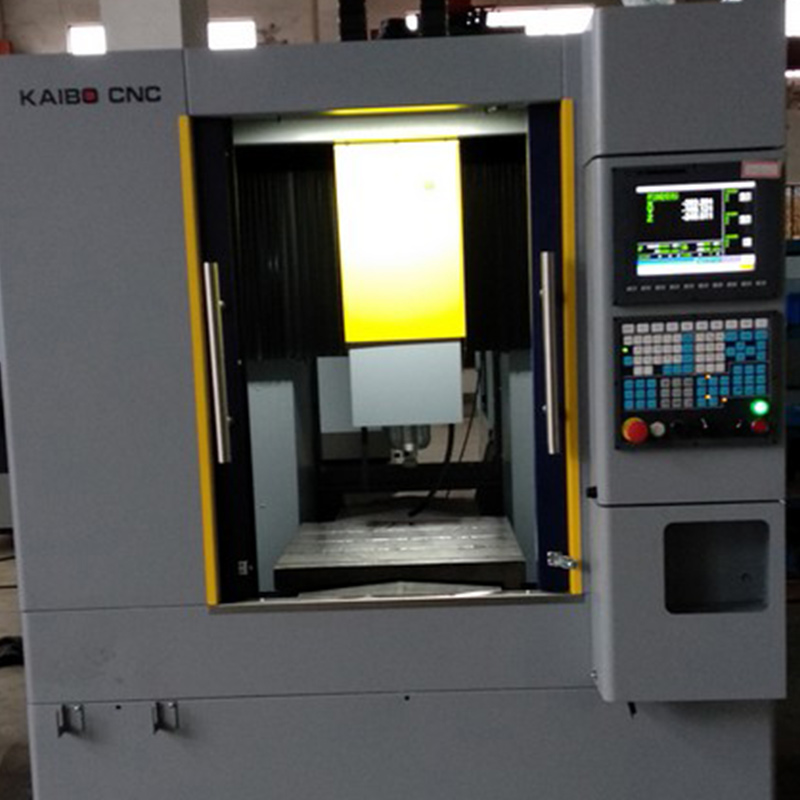
An integrated dust collection system is non-negotiable for dry graphite machining. The system should achieve 99.9% filtration efficiency for particles ≥0.5μm, as specified by the National Institute for Occupational Safety and Health (NIOSH). Key performance indicators include:
| Performance Parameter | Minimum Requirement | Industry Leading |
|---|---|---|
| Airflow Rate | 800 m³/h | 1200-1500 m³/h |
| Static Pressure | 1500 Pa | 2200-2500 Pa |
| Filter Replacement Cycle | 200 hours | 500+ hours |
Optimal dust collection not only protects machine components but also maintains air quality, with OSHA permissible exposure limits for graphite dust set at 2.5 mg/m³ over an 8-hour workday.
Graphite dust's conductive properties create significant electrical hazards. The IEC 60529 standard defines ingress protection (IP) ratings, with IP54 representing the minimum requirement for graphite machining environments. However, leading dry graphite CNC machines incorporate:
These features reduce electrical failures by up to 75% compared to standard IP54 protection in graphite machining applications.
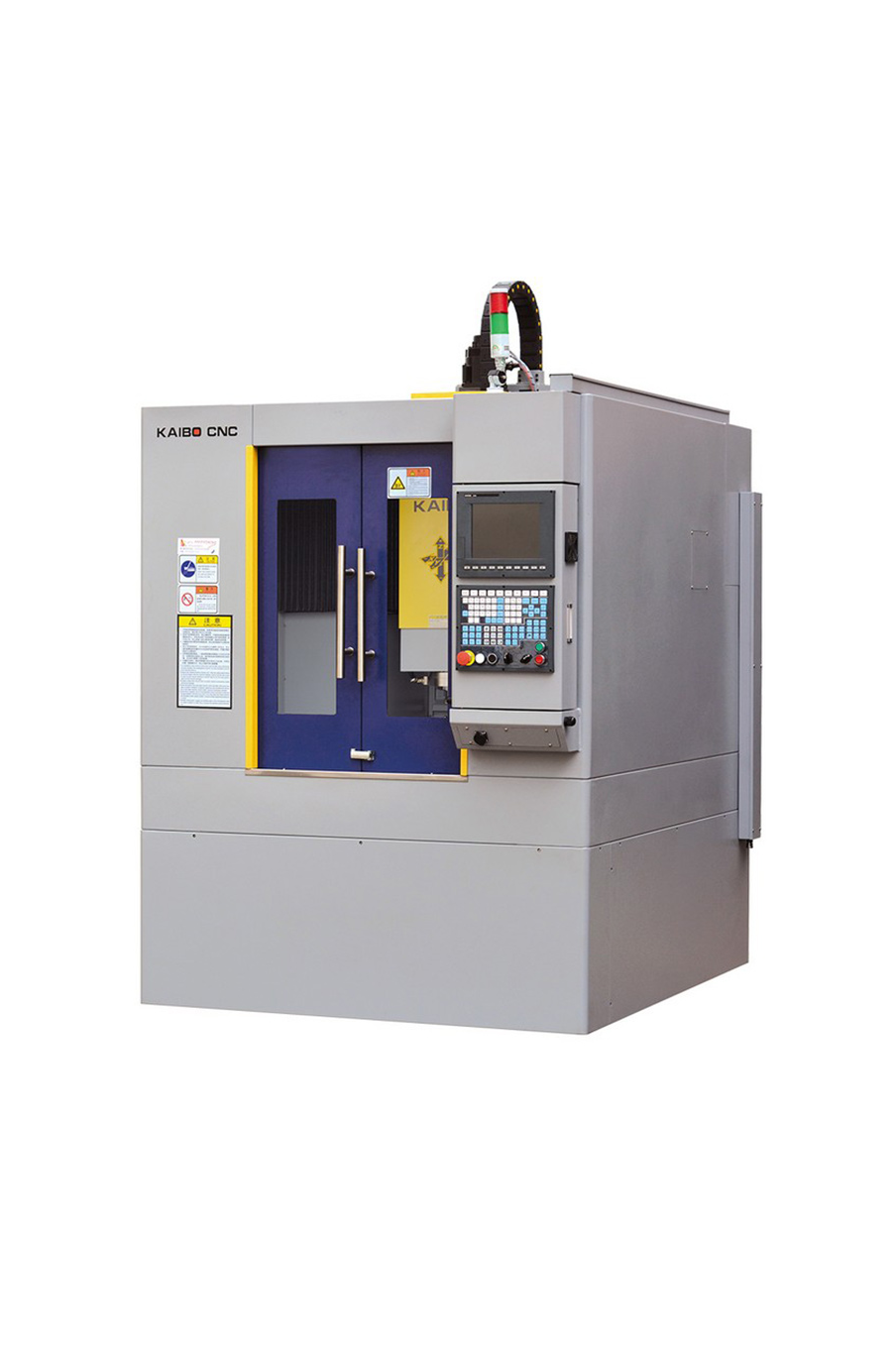
Graphite machining generates significant heat, with spindle temperatures potentially rising 15-20°C above ambient during continuous operation. This thermal expansion can affect machining accuracy by 0.01-0.02mm per 10°C temperature change. Superior dry graphite CNC machines feature:
These technologies typically maintain dimensional accuracy within ±0.005mm even during extended machining cycles.
Specifications alone cannot guarantee performance in actual graphite machining conditions. A proper test protocol should include:
In independent testing, properly configured dry graphite CNC machines maintain consistent accuracy with less than 0.003mm deviation over 10-hour runs, while standard CNC machines typically show 0.015mm+ deviation under the same conditions.
Manufacturers often make critical mistakes when selecting dry graphite machining equipment. The most prevalent include:
These issues can typically be avoided through thorough pre-purchase testing and by selecting manufacturers with specific expertise in graphite machining applications.
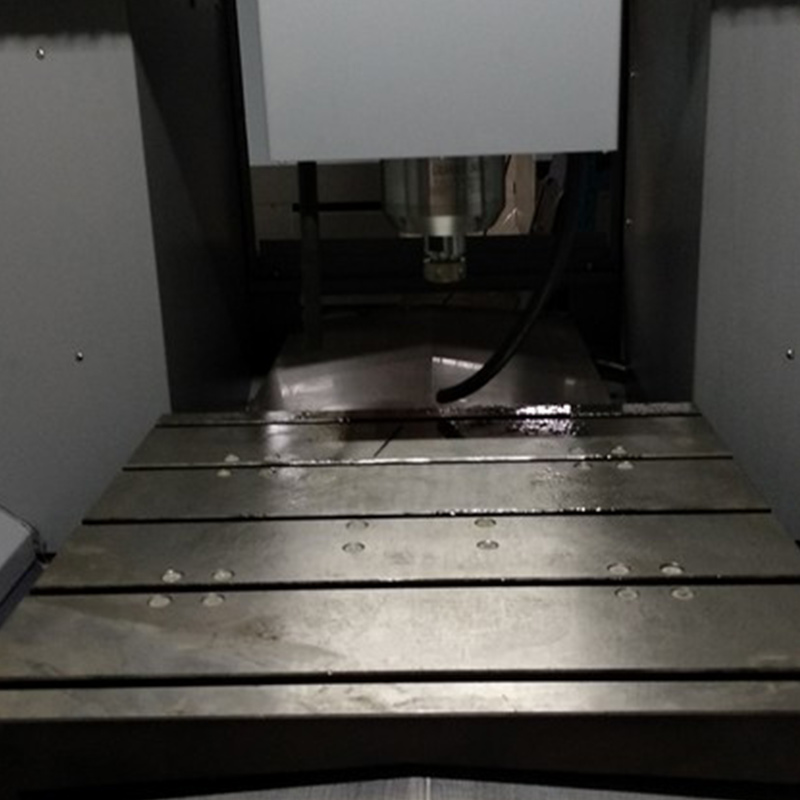
Discover how 凯博数控 (Kaibo CNC) dry graphite machining centers deliver exceptional performance, reliability, and cost-efficiency for precision graphite component manufacturing.
Explore Kaibo CNC Dry Graphite Machining SolutionsSelecting the right CNC machine for dry graphite machining represents a significant investment that directly impacts production quality, efficiency, and total cost of ownership. By focusing on these critical performance metrics and conducting thorough validation testing, manufacturers can ensure they select equipment capable of meeting the unique challenges of graphite machining while delivering consistent, reliable performance over the long term.