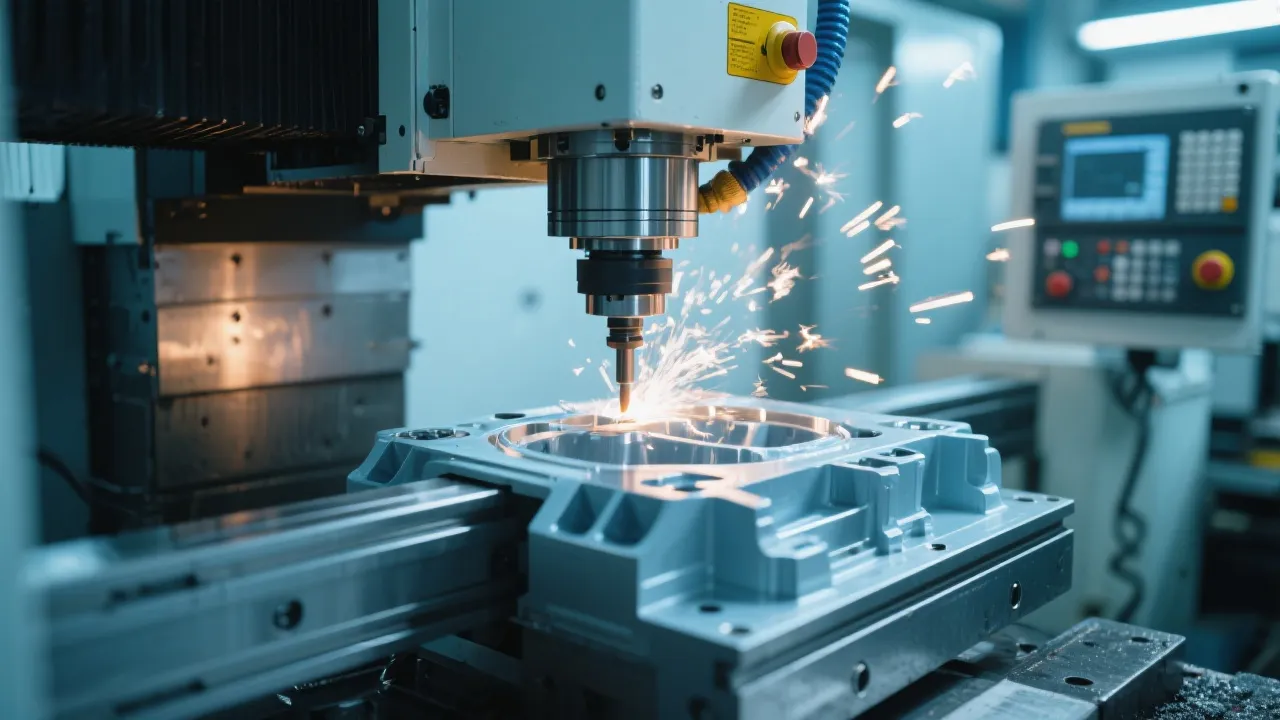
Every year, manufacturers lose millions in equipment downtime and replacement costs due to a silent enemy: graphite dust. In dry CNC machining operations, this microscopic particulate is slowly eroding your equipment's precision and lifespan.
Graphite machining presents unique challenges due to the material's friable nature. During dry cutting operations, up to 80% of the material removed becomes airborne dust particles smaller than 5 microns—small enough to infiltrate the most intricate mechanical components.
These particles act like industrial sandpaper inside your machinery, causing:
A leading battery manufacturer recently reported replacing spindle modules every 3 months in their open-frame CNC machines—each replacement costing $12,000 and requiring 48 hours of production downtime. This translates to approximately $48,000 annually per machine in direct costs alone, not counting lost production revenue.
Think of your CNC machine as a human body. In dusty environments, we protect ourselves with respirators and protective clothing. Similarly, a properly designed CNC machine needs its own "respiratory protection system" to survive graphite machining.
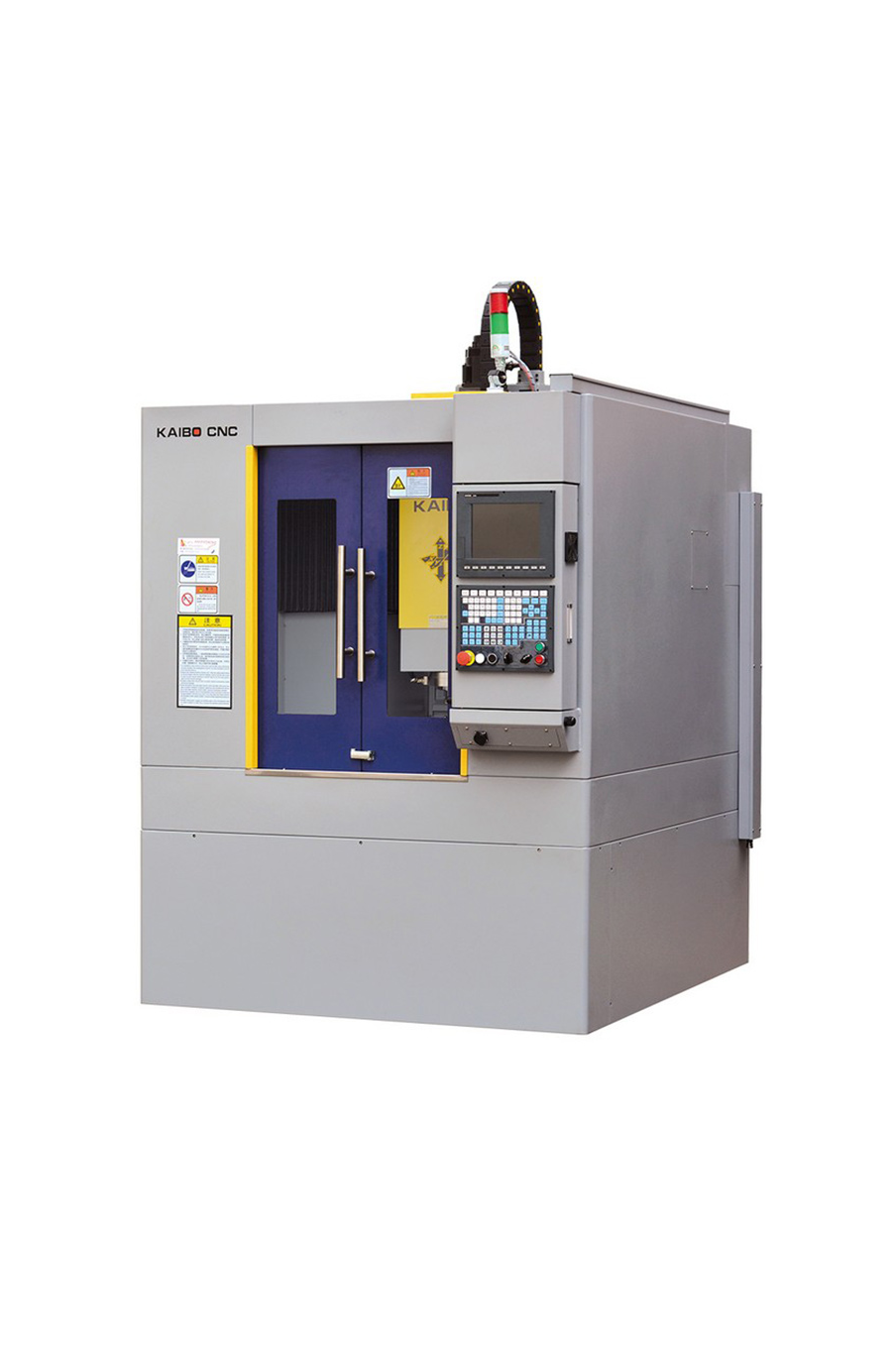
The KaiBo CNC DC6060G dry vacuum graphite machining center employs a dual defense mechanism analogous to human respiratory protection:
1. Full Enclosure Design (The Protective Suit)
A complete stainless steel enclosure creates a physical barrier, preventing 99.7% of airborne particles from escaping into the workshop environment while keeping external contaminants out.
2. Negative Pressure Dust Collection (The Respiratory System)
A high-efficiency vacuum system maintains negative pressure inside the enclosure, similar to how our lungs function—constantly drawing air (and dust) away from critical components and into specialized filtration systems.
Independent testing conducted over 12 months comparing identical machining operations revealed striking differences between open-frame and sealed systems:
| Performance Metric | Open-Frame CNC | Sealed Design (DC6060G) | Improvement |
|---|---|---|---|
| Mean Time Between Failures | 870 hours | 1,230 hours | +41.4% |
| Accuracy Retention (after 500 hours) | ±0.018mm | ±0.007mm | +61.1% |
| Annual Maintenance Cost | $18,700 | $6,200 | -66.8% |
| Equipment Lifespan | 5-7 years | 8-10 years | +42.8% |
Source: Independent machining study, 2023 (n=12 machines, identical operating conditions)
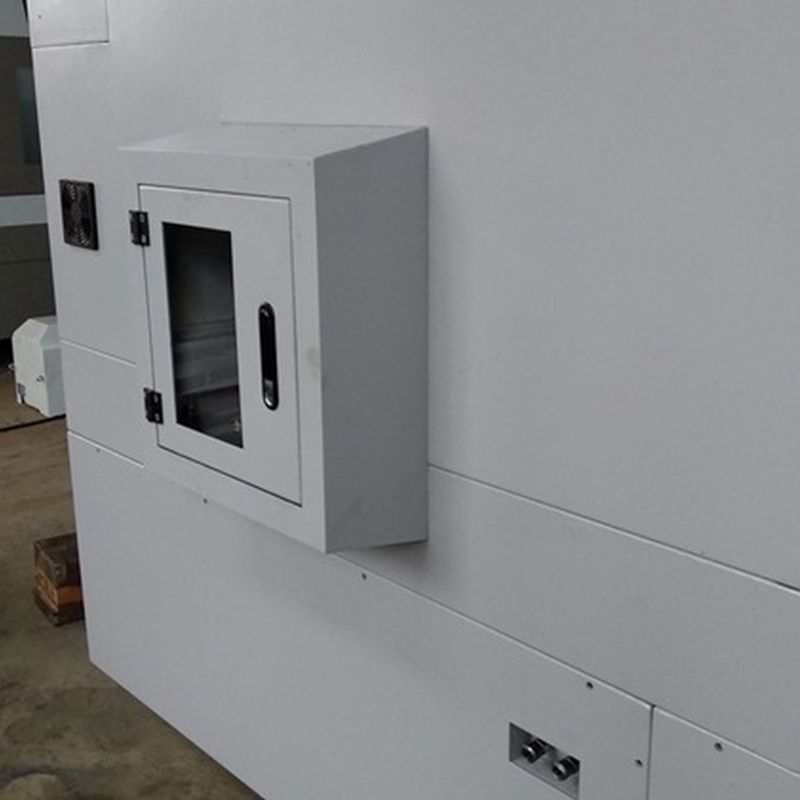
While a sealed design significantly reduces maintenance requirements, proper care remains essential to maximize performance and lifespan. Implement this maintenance schedule for optimal results:
An effective graphite dust management system delivers benefits beyond equipment protection:
Collected graphite dust can be recycled or reused, potentially recovering up to 15% of material costs in high-volume operations.
Reduces airborne graphite concentrations from 5mg/m³ to below 0.5mg/m³, exceeding OSHA standards and protecting operator health.
Eliminates dust emissions, helping meet stringent environmental regulations in regions like the EU and California.

Calculate your potential annual savings by upgrading to a sealed graphite machining solution. Many manufacturers recover their investment within 6-8 months.
What challenges have you faced with graphite dust in your machining operations? Have you implemented specific solutions that delivered measurable results? Share your experiences and questions in the comments section below.