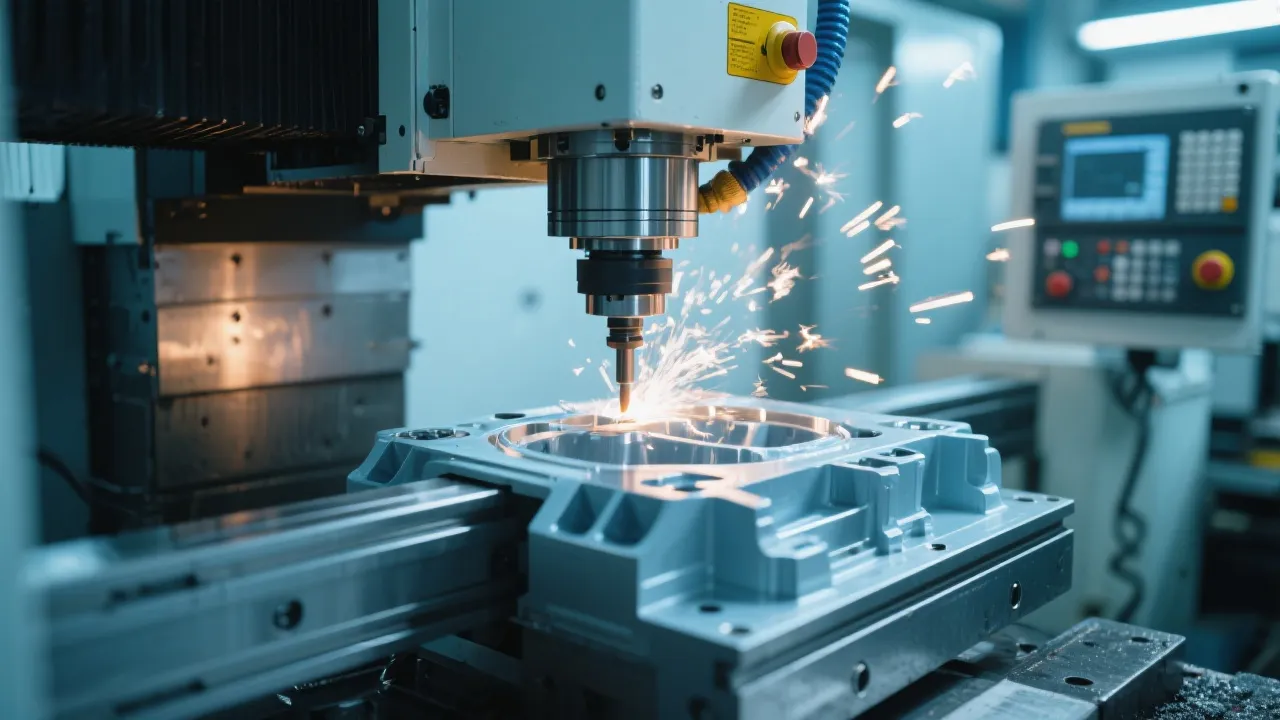
Industry Insight: In graphite dry machining operations, 78% of unscheduled downtime can be directly attributed to dust-related equipment failures, according to a 2023 survey by the Precision Machining Association.
When you're running a graphite dry machining operation, you're probably familiar with the persistent challenge of dust contamination. Those fine graphite particles might seem harmless, but they're silently sabotaging your production efficiency and equipment longevity. Servo motors overheat, guide rails jam, and precision components degrade—all leading to costly downtime and compromised part quality.
Consider this: A typical CNC machine operating in an unprotected graphite machining environment requires maintenance 3.2 times more frequently than one with proper dust防护. The average cost of unplanned downtime in precision machining operations exceeds $2,500 per hour, according to industry benchmarks. This isn't just about keeping your equipment clean—it's about protecting your bottom line.
Graphite dust presents unique challenges due to its fine particle size and conductive properties. When these particles infiltrate your CNC machine:

Think about how your body protects itself from airborne particles. Your respiratory system uses a multi-layered defense: nasal hairs filter large particles, mucus traps smaller ones, and cilia move contaminants out of your lungs. This biological protection system inspired the 凯博数控 DC6060G dry vacuum graphite machining center's approach to dust防护.
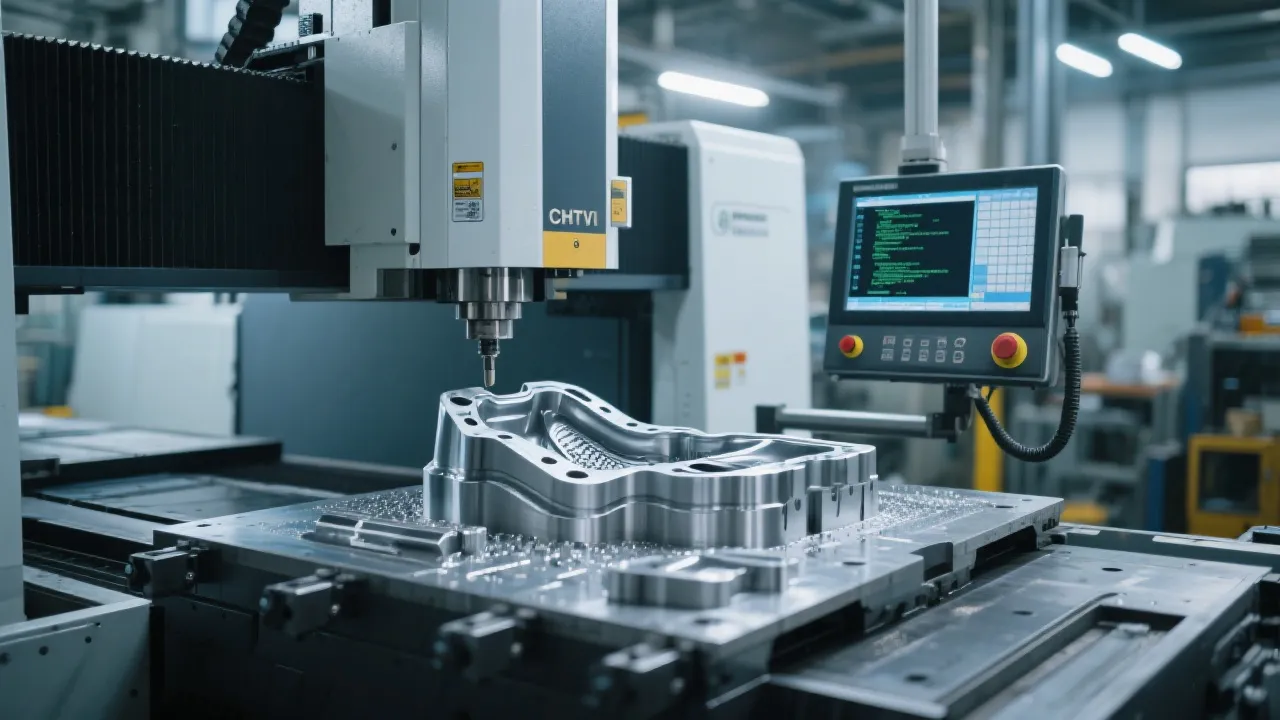
The DC6060G's full enclosure design creates a physical barrier between your machining process and sensitive components—like skin protecting your body's internal organs. This isn't just a simple cover; it's an engineered solution with:
Specialized gaskets at all access points prevent dust migration while maintaining operational accessibility for tool changes and maintenance.
Reinforced panels withstand machining vibrations that could create micro-gaps in lesser designs, ensuring consistent protection over thousands of operating hours.
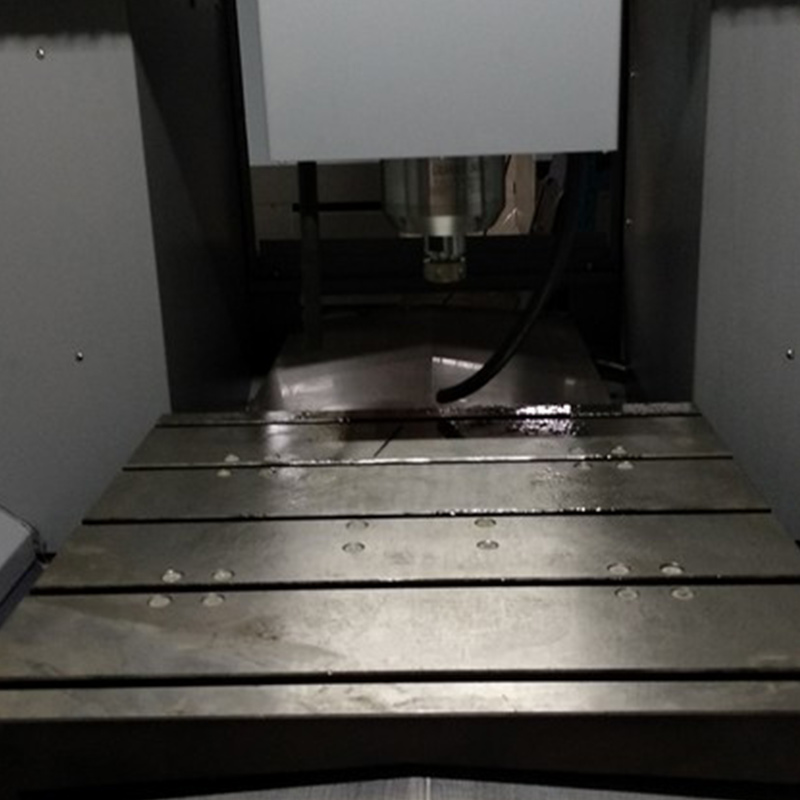
True dust防护 requires more than just a barrier—it needs an active removal system. The DC6060G combines its sealed enclosure with a high-efficiency automatic vacuum system that creates negative pressure inside the machining chamber. This one-two punch ensures that dust is contained and actively removed before it can settle on critical components.
This systematic approach isn't just theoretical. In a six-month case study with a precision tooling manufacturer, the DC6060G reduced dust-related maintenance issues by 76% compared to their previous open-frame machining center. The result? Their equipment uptime increased by 22%, and tool life extended by an average of 30%.
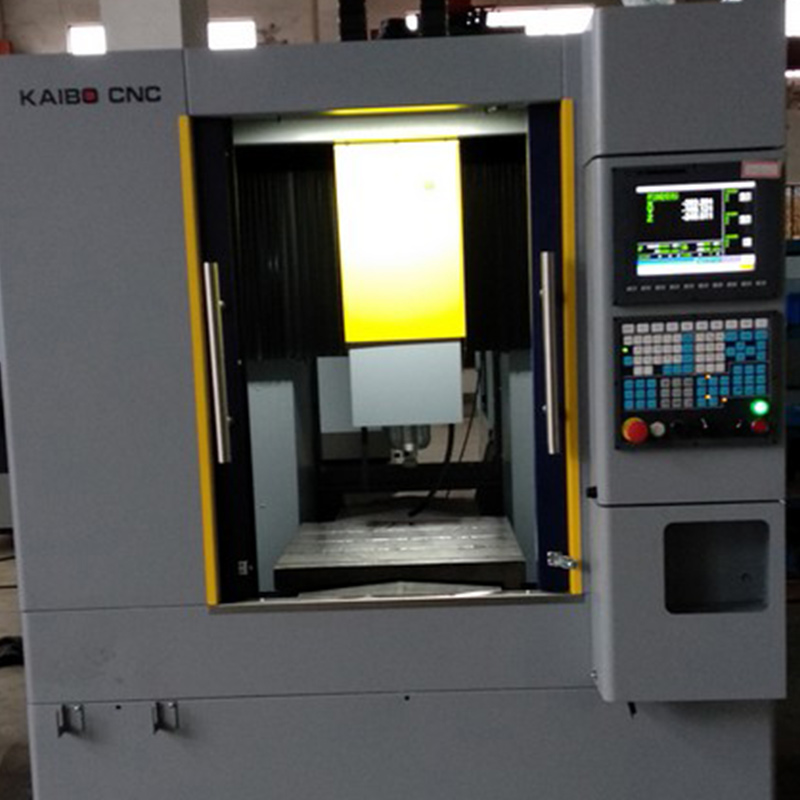
Even the most advanced防护 system requires proper maintenance to perform at its best. Here's a practical maintenance schedule to keep your graphite machining center operating at peak efficiency:
| Component | Inspection Frequency | Maintenance Task |
|---|---|---|
| Vacuum Filters | Every 100 operating hours | Inspect and clean; replace when pressure differential exceeds manufacturer specs |
| Seal Gaskets | Weekly | Check for wear or damage; clean with recommended solvent |
| Vacuum Hoses | Monthly | Inspect for cracks or blockages; ensure proper connections |
| Air Intake Screens | Bi-weekly | Remove and clean to maintain proper airflow |
不再让粉尘毁掉你的精密加工成果. With the right防护 system in place, you'll notice immediate improvements in machining consistency and significant reductions in unplanned downtime. The DC6060G from 凯博数控 represents more than just equipment—it's an investment in operational reliability and product quality that pays dividends through increased productivity and reduced maintenance costs.
Discover how the DC6060G's integrated防护 system can transform your graphite machining operations
Schedule a Virtual Demo of the DC6060GWhat has been your experience with graphite dust in CNC operations? Have you implemented specific防护 measures that have yielded measurable results? Share your insights in the comments below—our technical team reads every comment and responds to questions about dust management in precision machining environments.