
In the field of graphite machining, dust pollution is a significant challenge. The wet flushing system has emerged as a powerful solution. Its core working mechanism is centered around effectively controlling graphite dust. By using water as the medium, it captures and removes dust particles generated during the machining process.
The design of the spray system is crucial for the wet flushing system. Different types of nozzles, such as fan - shaped and conical nozzles, can be used. Optimizing the arrangement of these nozzles ensures comprehensive coverage of the cleaning area. For example, in a well - designed system, the nozzles are arranged in a way that there are no dead zones in the graphite machining area, effectively removing dust from every corner.
Water flow pressure regulation is of great significance. A proper water pressure not only ensures high cleaning efficiency but also protects the safety of the equipment. If the water pressure is too low, the cleaning effect will be poor, and dust may not be effectively removed. On the other hand, if the water pressure is too high, it may cause damage to the equipment. Generally, for most graphite CNC machines, the optimal water pressure ranges from 2 - 5 bar.
The filtration and recycling process is an important part of the wet flushing system. After the water captures the dust, it goes through a filtration process. This process can remove graphite particles and other impurities from the water, making the water reusable. This not only contributes to environmental protection but also saves resources. In a typical system, the filtration efficiency can reach up to 95%, effectively reducing waste.
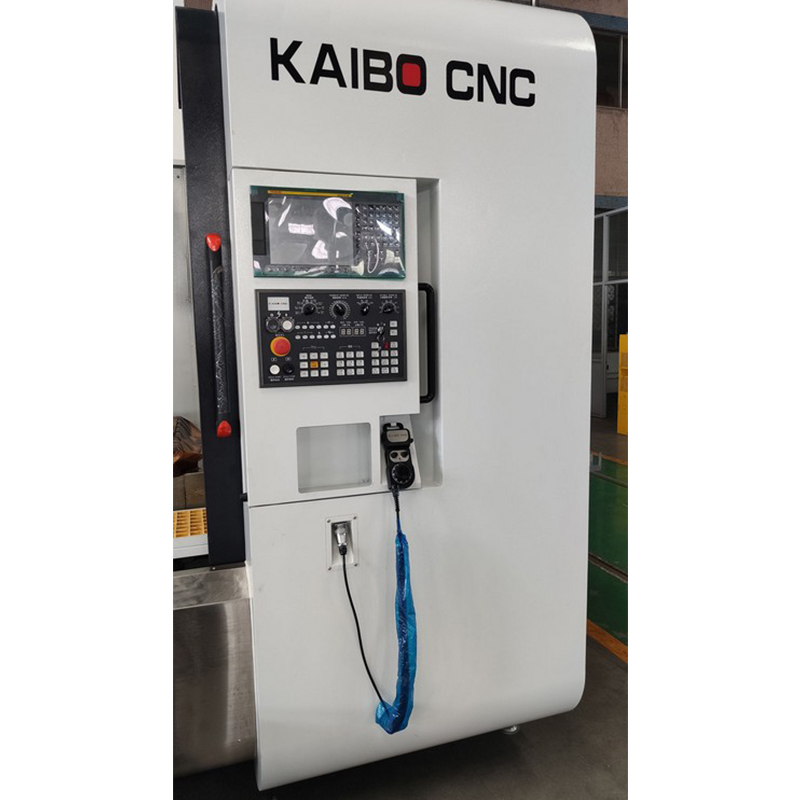
Let's look at a real - world example of a high - precision graphite CNC machine. In this case, the wet flushing system was integrated into the machine. The integration process involved careful planning of the layout of the spray system, water pipes, and filtration equipment. After the integration, the machine showed significant improvements in dust control. The dust concentration in the working environment was reduced by more than 80%, and the machining accuracy was also improved.
When comparing the wet flushing system with traditional dry dust removal technology, several advantages can be found. Dry dust removal technology often has limitations in dealing with fine graphite dust. It may also generate static electricity, which poses a safety risk. In contrast, the wet flushing system can effectively capture fine dust particles, and there is no risk of static electricity. Moreover, the wet flushing system is more environmentally friendly as it recycles water.
To ensure the long - term stable operation of the wet flushing system, regular maintenance is essential. This includes checking the nozzles for blockages, inspecting the water pipes for leaks, and replacing the filter elements regularly. In case of any faults, a systematic troubleshooting process should be followed. For example, if the cleaning efficiency decreases, it may be due to a clogged nozzle or low water pressure. By following the troubleshooting guide, users can quickly identify and solve the problems.
The wet flushing system offers a reliable and efficient solution for graphite CNC machine users. It not only helps in effectively controlling dust pollution but also enhances the stability and safety of the equipment. If you are looking to optimize your graphite machining process, consider integrating a wet flushing system. Learn more about how the wet flushing system can transform your graphite machining operations.


