
In the realm of new energy battery manufacturing, graphite milling is a critical process. However, improper parameter settings often lead to issues such as rough surfaces, chipping, and burrs. This guide aims to provide you, as an engineer, with a comprehensive understanding of graphite milling parameter settings and practical skills.
Graphite milling can be fraught with difficulties. Surface roughness, for example, can occur when the cutting speed is too high or the feed rate is inappropriate.崩刃 and burrs are often the result of using the wrong type of tool or sub - optimal cooling methods. Understanding these causes is the first step in finding solutions.
PCD (Polycrystalline Diamond) tools are highly recommended for graphite milling. Their hardness and wear - resistance make them ideal for this application. When choosing a PCD tool, consider factors such as the geometry of the tool, the number of flutes, and the coating. For instance, a tool with a larger number of flutes can provide a smoother finish, but it may also require a lower feed rate.
The key to successful graphite milling lies in the proper matching of spindle speed and feed rate. Generally, a spindle speed between 8000 - 12000 RPM and a feed rate of 1000 - 2000 mm/min are suitable for most graphite milling operations. However, these values may need to be adjusted based on the specific material, tool, and machine used. For example, when using a PCD tool, you can often increase the spindle speed and feed rate compared to traditional tools.
To achieve the best results, it's important to find the right balance between spindle speed and feed rate. A higher spindle speed can increase the cutting efficiency, but it may also generate more heat. On the other hand, a higher feed rate can reduce the machining time, but it may lead to a rougher surface finish. You need to experiment and find the optimal combination for your specific situation.
Effective cooling is crucial in graphite milling. It not only helps to control the cutting temperature but also reduces the wear of the tool. One of the most effective cooling methods is the wet - flushing system. This system uses a coolant to flush away the graphite dust, which can prevent the dust from accumulating on the tool and the workpiece. It also helps to protect the machine's electronic components from damage caused by dust.
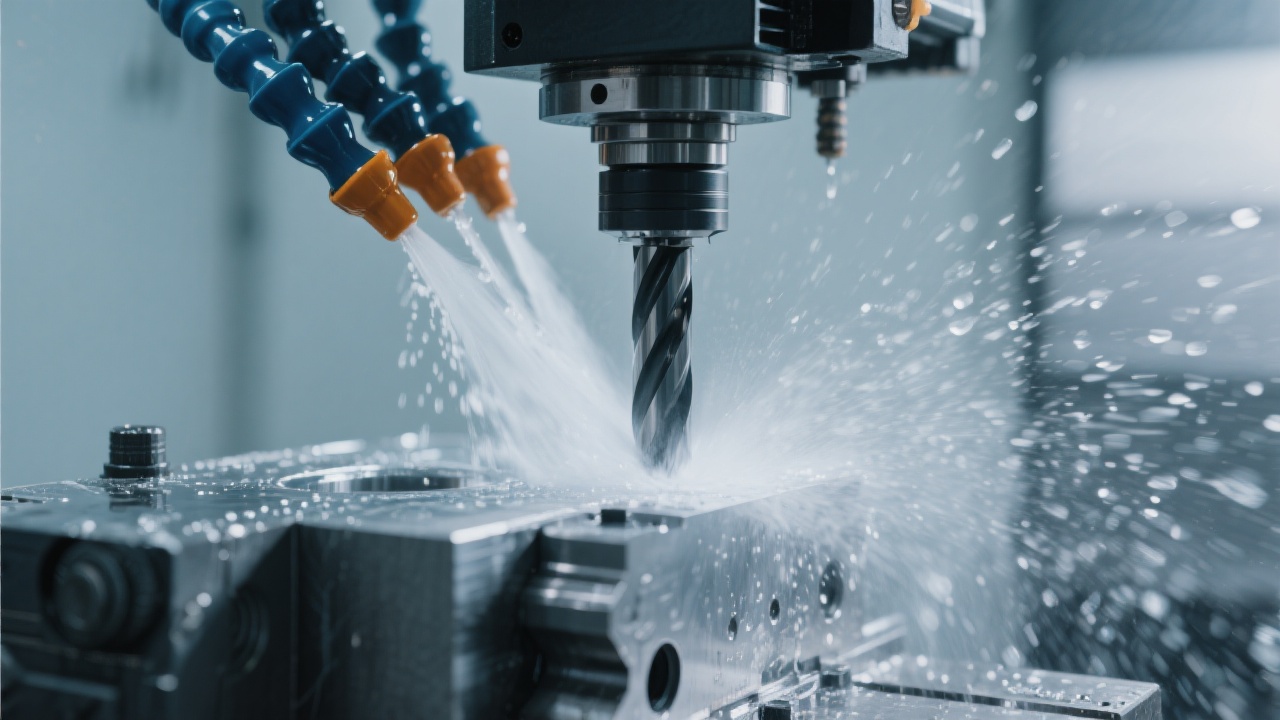
The wet - flushing system sprays the coolant directly onto the cutting area. The coolant not only cools the tool and the workpiece but also washes away the graphite dust. This helps to maintain a clean cutting environment, which in turn improves the surface finish and the tool life. Additionally, by controlling the cutting heat, the wet - flushing system can enhance the consistency of the machining process and increase the yield of the finished products.
Proper equipment sealing is essential for extending the service life of the machine. Graphite dust can be extremely abrasive and can cause damage to the machine's moving parts and electronic components. A well - sealed machine, such as the DC6060G with a full - seal cover + wet - flushing system, can significantly reduce the failure rate. The full - seal cover prevents the dust from entering the machine, while the wet - flushing system removes the dust that may have entered the cutting area.
| Parameter | Recommended Value |
|---|---|
| Spindle Speed (RPM) | 8000 - 12000 |
| Feed Rate (mm/min) | 1000 - 2000 |
| Coolant Flow Rate (L/min) | 5 - 10 |
This guide provides a comprehensive overview of graphite milling parameter settings in new energy battery manufacturing. By following the strategies outlined here, you can effectively solve the common problems in graphite milling, improve the quality of the finished products, and increase the efficiency of the manufacturing process. Don't miss out on this valuable resource! Click here to learn more about our advanced graphite milling solutions.


