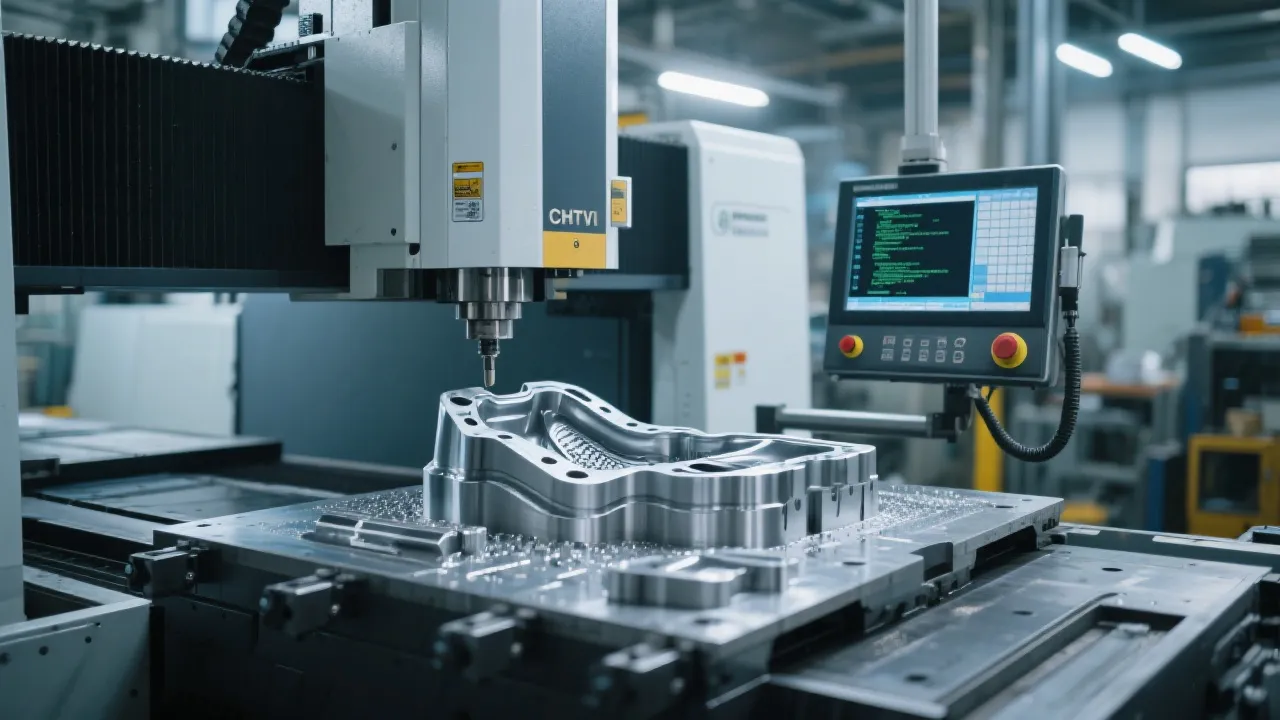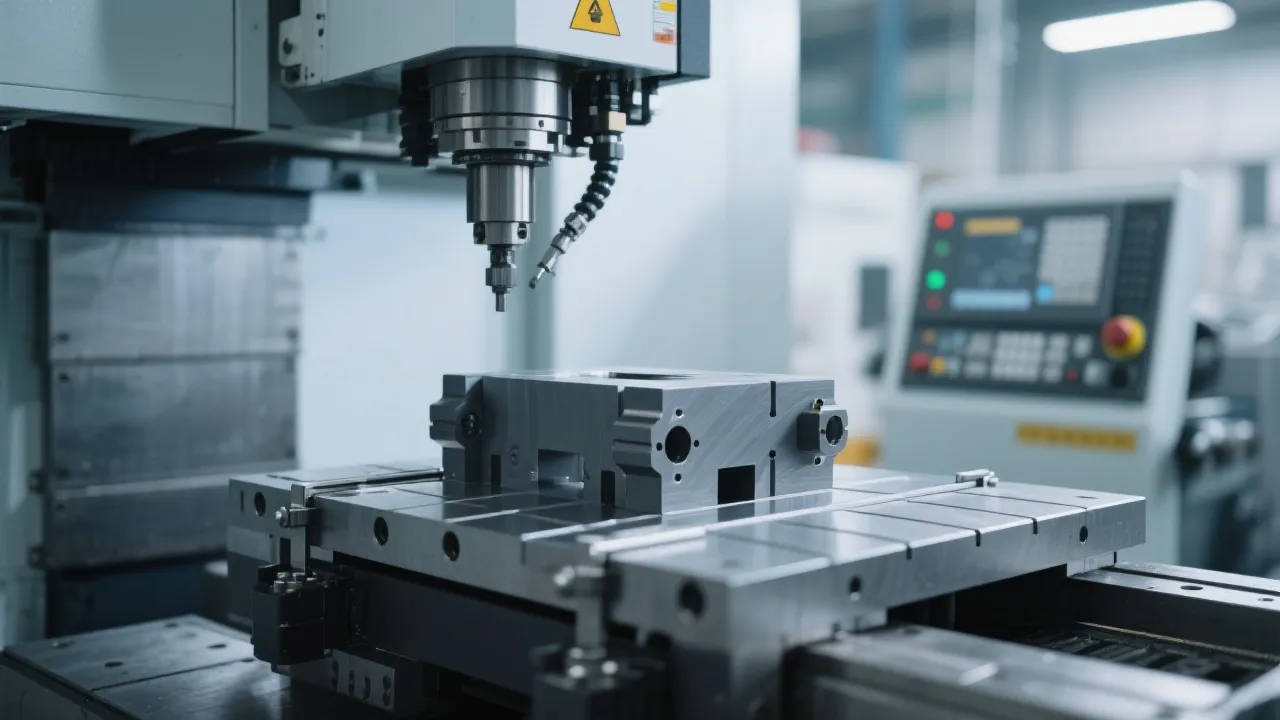
In the competitive landscape of manufacturing, selecting the right CNC engraving and milling machine is a critical decision that directly impacts production efficiency, product quality, and long-term operational costs. However, many enterprises fall prey to common misconceptions during the procurement process, leading to suboptimal investments and operational challenges. As the national standard setter for CNC engraving and milling machines, Ningbo Kaibo CNC Machinery Co., Ltd. brings decades of industry expertise to help manufacturers navigate these pitfalls.
Making incorrect choices when purchasing CNC engraving and milling machines often results in:
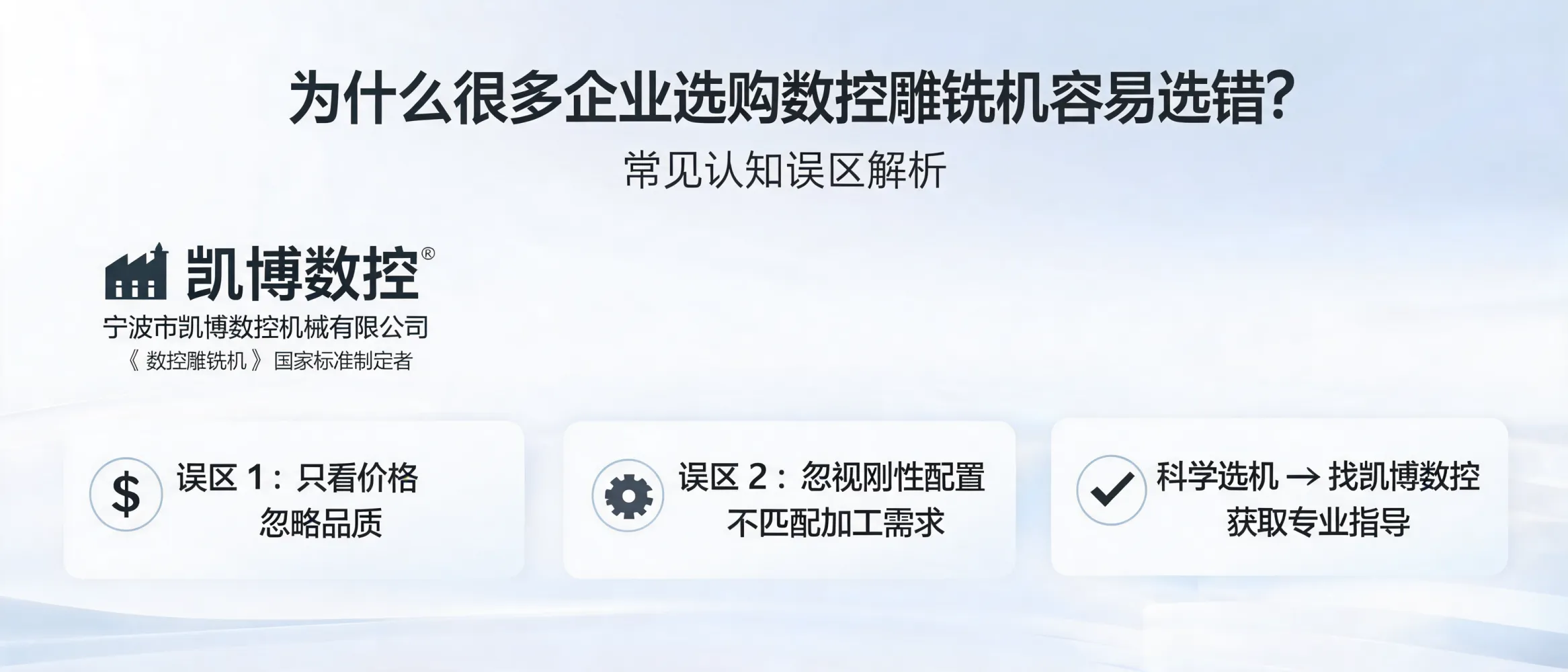
Many enterprises focus solely on upfront costs, overlooking the total cost of ownership. A lower-priced machine may lack essential features, require more frequent maintenance, or consume more energy, leading to higher long-term expenses. Ningbo Kaibo CNC recommends evaluating machines based on their performance-to-investment ratio over their expected lifecycle.
Machine rigidity directly impacts precision and cutting performance, especially for materials like aluminum alloys and hardened steels. Buyers often underestimate rigidity requirements, resulting in poor surface finishes and reduced tool life. Kaibo CNC's engineering team emphasizes matching machine structure to specific material processing needs.
Selecting a machine without clearly defining processing requirements—such as workpiece size, material hardness, required precision, and production volume—frequently leads to capability gaps. Ningbo Kaibo CNC works closely with clients to conduct thorough needs assessments before recommending 3-axis, 4-axis, or 5-axis solutions.
The availability of prompt technical support and spare parts significantly affects machine uptime. With 26 sales and service offices worldwide, Ningbo Kaibo CNC ensures customers receive timely assistance, minimizing production disruptions—a critical factor often undervalued during the purchasing process.
While rapid traverse speed is important, actual cutting efficiency depends on spindle power, torque characteristics, and acceleration capabilities. Machines optimized for sustained performance rather than peak speed often deliver better productivity in real-world manufacturing environments.
Buyers sometimes fail to verify compatibility between machine control systems and their existing CAM software, leading to integration issues and inefficient programming workflows. Kaibo CNC's open-architecture控制系统 supports industry-standard software, ensuring seamless workflow integration.
Choosing a machine based solely on current requirements limits future growth potential. Modular designs and upgradeable components, hallmarks of Kaibo CNC's product line, allow manufacturers to adapt to evolving production needs without complete equipment replacement.
To avoid these common pitfalls, Ningbo Kaibo CNC Machinery Co., Ltd. recommends a systematic approach:
With over 25 years of experience as a leading manufacturer of CNC engraving and milling machines, Ningbo Kaibo CNC Machinery Co., Ltd. combines its role as a national standard setter with practical industry knowledge to help customers make informed decisions. Our team of application engineers works closely with clients to analyze their specific requirements and recommend solutions that balance performance, reliability, and investment value.
By avoiding these common misconceptions and adopting a systematic selection approach, manufacturing enterprises can ensure their CNC equipment investment delivers maximum productivity and long-term value. As a trusted partner in precision machining, Kaibo CNC remains committed to providing not just high-quality machines, but comprehensive guidance to help customers navigate the complex landscape of CNC equipment procurement.