
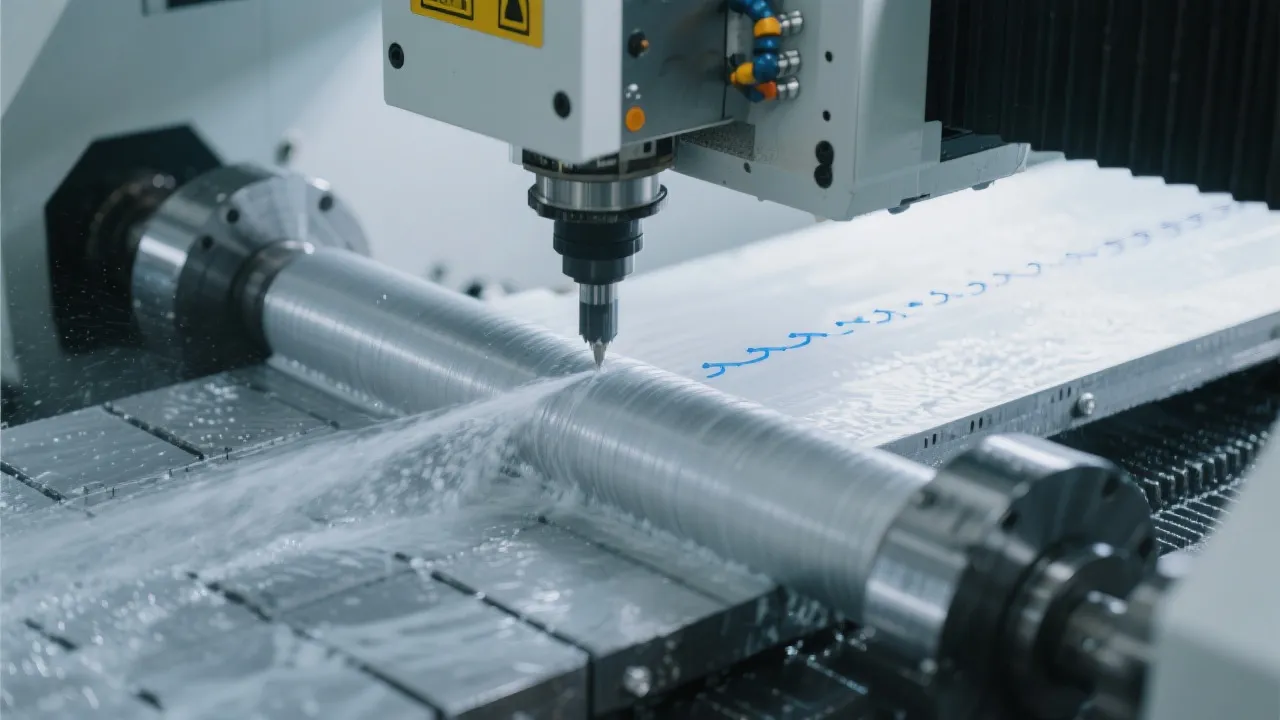
Graphite milling plays a crucial role in advanced manufacturing industries such as energy storage battery production and precision mold making. However, it often faces challenges like edge chipping, surface roughness, and burr formation that compromise machining quality and tool longevity. Understanding these issues necessitates an in-depth analysis of graphite’s material properties and machining dynamics. This article explores these critical challenges and presents strategic solutions focusing on the best practices in selecting Polycrystalline Diamond (PCD) tooling and optimizing cutting parameters.
Graphite’s anisotropic and brittle nature makes it prone to chipping and uneven surface finishes during milling. Its layered crystal structure leads to varying cutting resistance, exacerbating mechanical stresses on the cutting edge. Consequently, inadequate tool choice or improper cutting conditions frequently result in premature edge chipping and rough surface textures, severely affecting downstream assembly and performance.
Polycrystalline Diamond (PCD) tools are widely recognized for their exceptional hardness, wear resistance, and thermal stability—key parameters for tackling graphite’s abrasive nature. Choosing the right PCD tool depends on coating options, grain size, and edge geometry tailored for graphite’s soft yet brittle characteristics.
Empirical data show that fine-grained PCD tools with honed cutting edges reduce micro-chipping and extend tool life by up to 40% compared to conventional carbide options. Additionally, indexable PCD inserts facilitate cost-effective replacements and maintain consistent surface finish quality during high-volume operations.
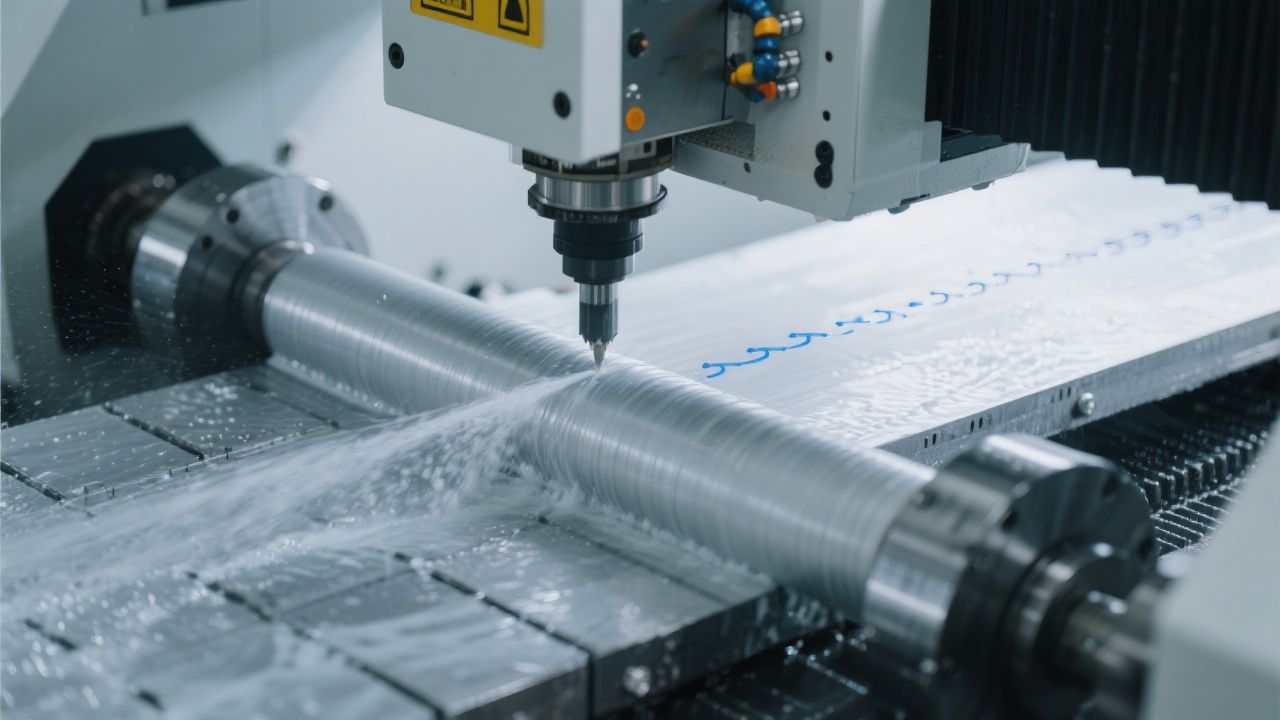
The interplay of spindle speed, feed rate, and depth of cut decisively influences chipping occurrences and surface integrity. For graphite milling, an optimum spindle speed range generally lies between 12,000 to 18,000 RPM, balancing heat generation and cutting forces. Feed rates of 0.01 to 0.03 mm/tooth provide smooth chip formation without overloading the tool edge.
Deviations outside these ranges tend to increase thermal stress or mechanical vibration, escalating wear and surface defects. Real-world trials confirm that adhering strictly to these parameter windows lowers defect rates by an estimated 25% and improves overall machining throughput.
Wet flushing systems are indispensable for maintaining machining stability in graphite milling. By supplying a closed-loop, fully sealed cooling environment, these systems effectively dissipate cutting heat, a major contributor to tool wear and edge failure.
Furthermore, wet flushing efficiently removes graphite dust and chips literally at the source, preventing powder accumulation that can impair machine electronics and sensor functions. The resulting cleaner workspace reduces unexpected downtime and extends machine life, reinforcing product quality consistency.
| Parameter | Recommended Range | Remarks |
|---|---|---|
| Spindle Speed (RPM) | 12,000 – 18,000 | Optimizes balance between heat and mechanical load |
| Feed per Tooth (mm/tooth) | 0.01 – 0.03 | Ensures smooth chip size, reduces edge stress |
| Depth of Cut (mm) | 0.2 – 0.5 | Avoids excessive tool load and chipping risk |
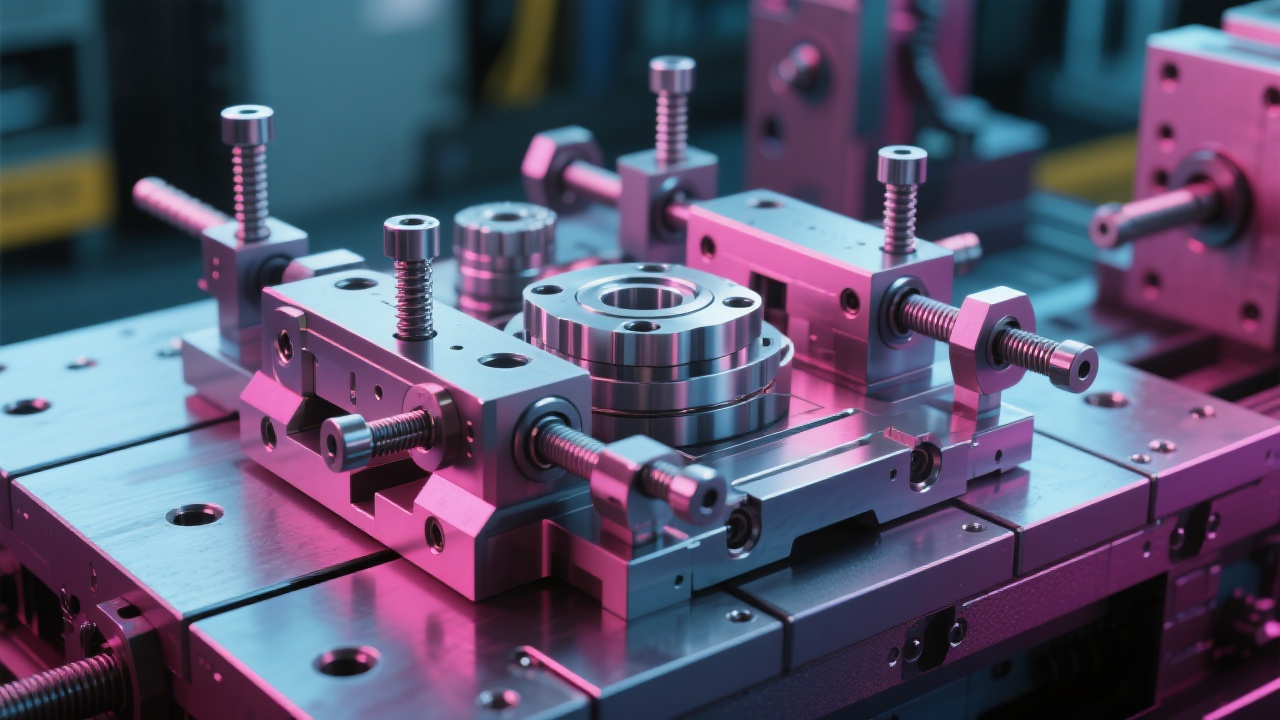
Additional recommendations for operators include maintaining sharp edge preservation through regular tool inspections, implementing vibration damping fixtures, and ensuring consistent wet flushing fluid flow rates to maximize cooling efficacy.
This focused technical guidance equips engineers working within the new energy battery and mold manufacturing sectors with actionable knowledge to pinpoint and mitigate process bottlenecks. The integration of ideal PCD tooling, precision cutting parameters, and a wet flushing system establishes a closed-loop workflow that delivers stability, repeatability, and superior graphite component quality.
This synergy reduces scrap rates and tooling costs, enabling faster project turnaround and enhancing product competitiveness in demanding international markets.


