CNC Milling Machine Selection Guide for Shoe Mold Manufacturing: Key Performance Metrics and Practical Applications

29 01,2026
KAIBO CNC
Technical knowledge
How can shoe mold manufacturers make informed decisions when selecting CNC milling machines amidst numerous options? This article offers an in-depth analysis of critical performance factors including machine rigidity, spindle torque, and control system responsiveness. It contrasts the advanced Syntec control system with traditional alternatives, highlighting stability benefits on continuous machining efficiency. Additionally, it integrates cost-benefit models and real-world case studies to scientifically evaluate equipment upgrades, enabling manufacturers to achieve cost reduction and quality improvements simultaneously.
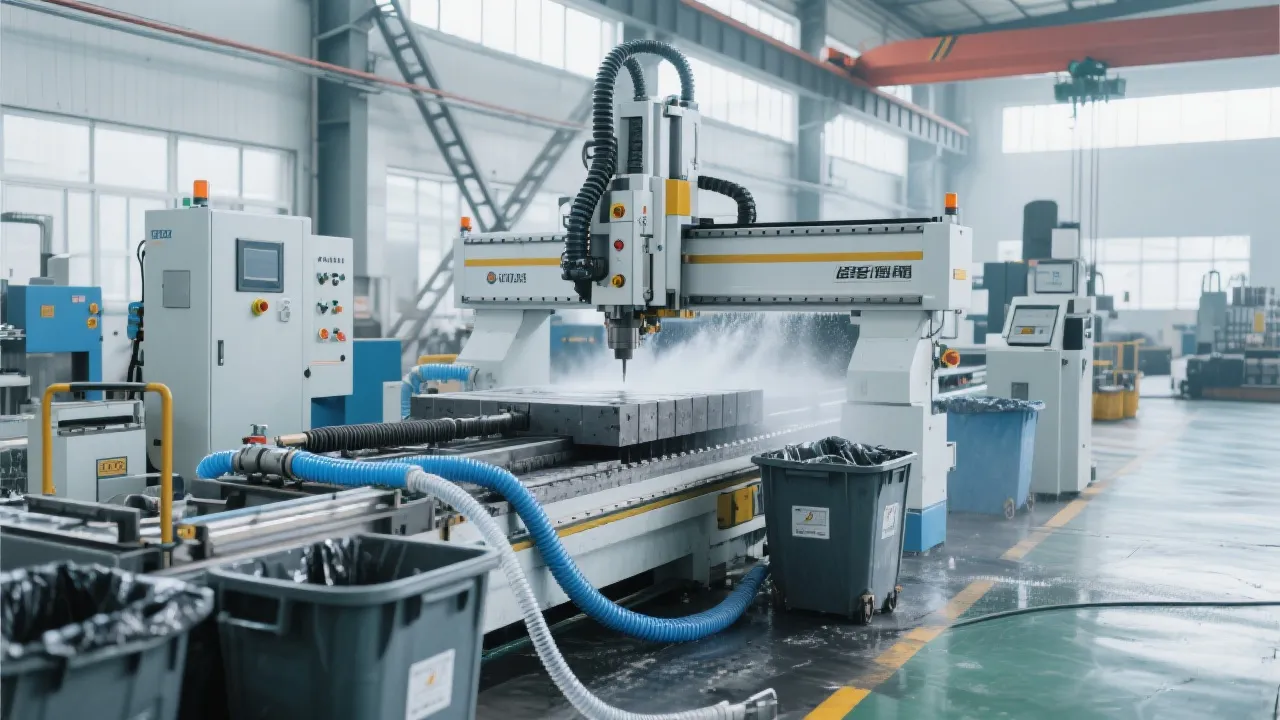
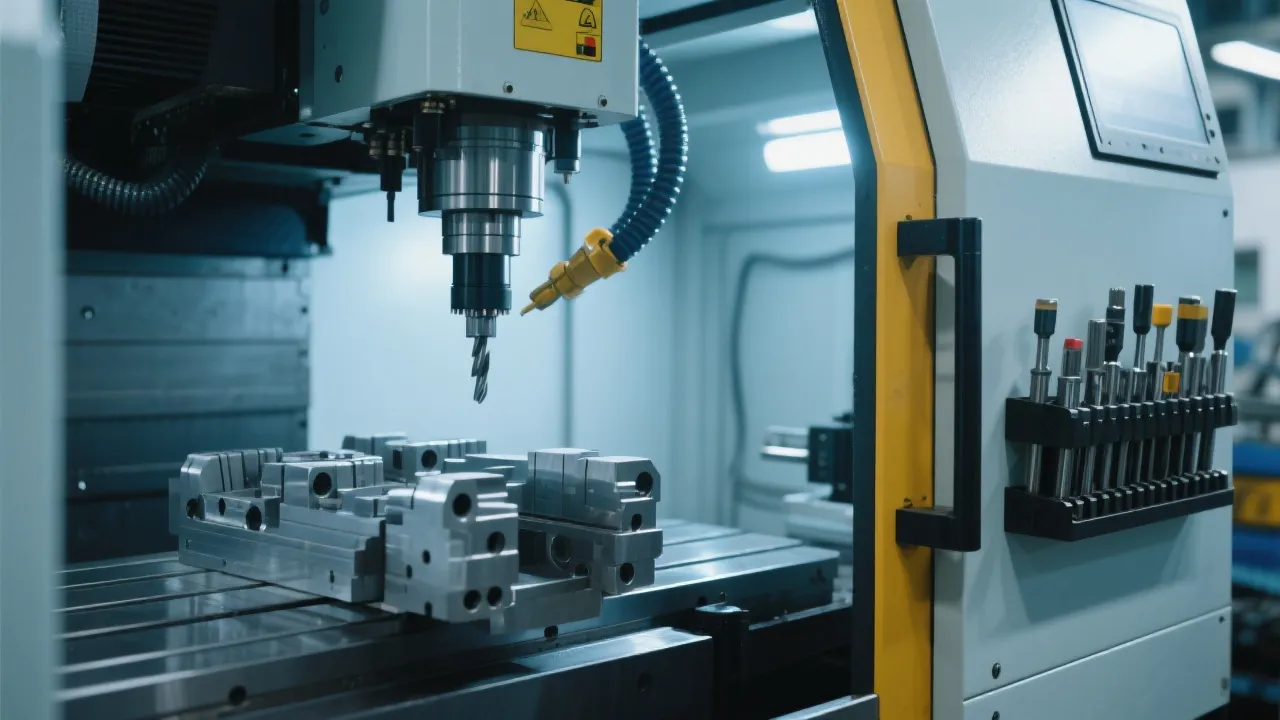
Performance comparison of DC6070 CNC milling machine against peers in shoe mold manufacturing

Your Guide to Selecting the Optimal CNC Milling Machine for Shoe Mold Manufacturing

In the competitive world of shoe mold manufacturing, choosing the right CNC milling machine can be a game changer for your production efficiency and product quality. If you’ve struggled with inconsistent part quality, low throughput, or unexpected downtime, understanding key machine performance parameters is essential to making an informed investment.

Crucial Performance Indicators You Should Know

Selecting a CNC milling machine suited for shoe mold fabrication hinges on a few core technical specs:

  • Machine Rigidity: A rigid frame minimizes vibration during cutting, ensuring superior surface finish and tool longevity.
  • Spindle Torque Output: High torque at varying speeds allows efficient roughing and finishing without sacrificing cycle time.
  • Control System Responsiveness: Real-time accuracy in interpolation and axis synchronization reduces positioning errors, critical for complex shoe form geometries.

For instance, a machine equipped with a high-torque electro-spindle delivering over 25 Nm torque and a rigid structure designed to damp vibration outperforms many traditional models on the market.

Syntec Controller vs. Traditional Systems: What Sets Them Apart?

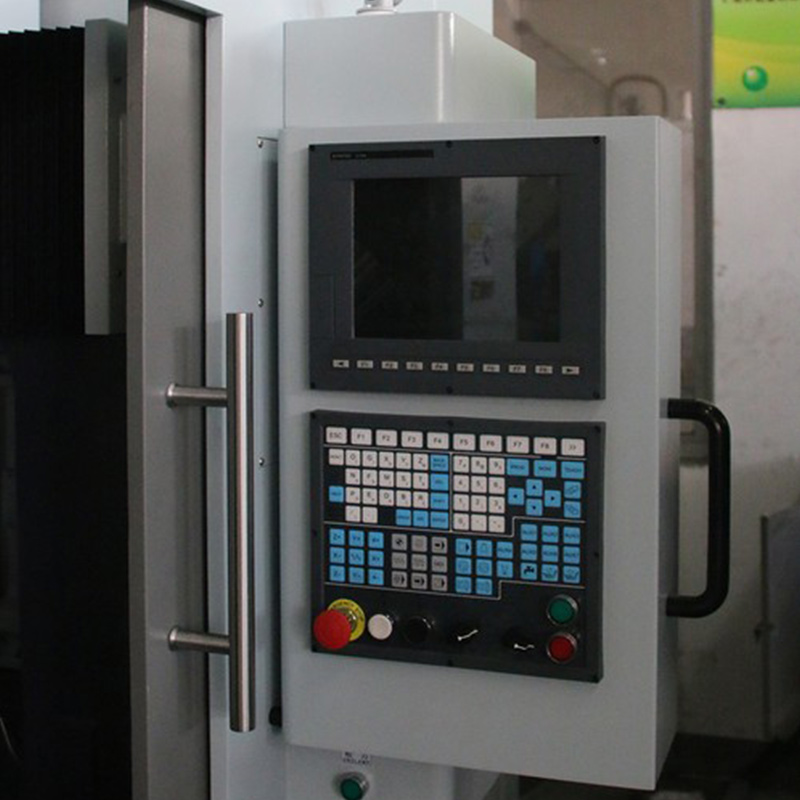
The choice of control system significantly impacts machining stability and ease of operation. Syntec controllers feature advanced real-time interpolation and adaptive feed rate control, minimizing chatter and tool deflection during complex 5-axis operations.

Compared side-by-side, machines with Syntec controller technology demonstrate up to 15% higher machining stability and achieve finer surface roughness values (Ra 0.4 μm compared to Ra 0.7 μm) on shoe mold surfaces as proven in independent cutting tests.

“Since upgrading to the Syntec-equipped DC6070, we noticed a 20% reduction in machining time per mold and a significant drop in rework rates—directly boosting our delivery reliability.” – Jordan M., Production Manager, Footwear Innovations

Matching Machine Capabilities with Your Shoe Mold Process

Understanding your production workflow is key to selecting equipment that complements each step efficiently:

  1. Raw Material Cutting: Requires machines with powerful roughing capability and stable torque under variable load.
  2. Rough Milling: Needs dynamic feed rate adjustment and vibration dampening to maintain shape accuracy.
  3. Fine Finishing: Demands high spindle speed and precision positioning for smooth surface quality.
  4. Polishing Preparation: Stability in machine motion supports consistent mold curvature and texture.

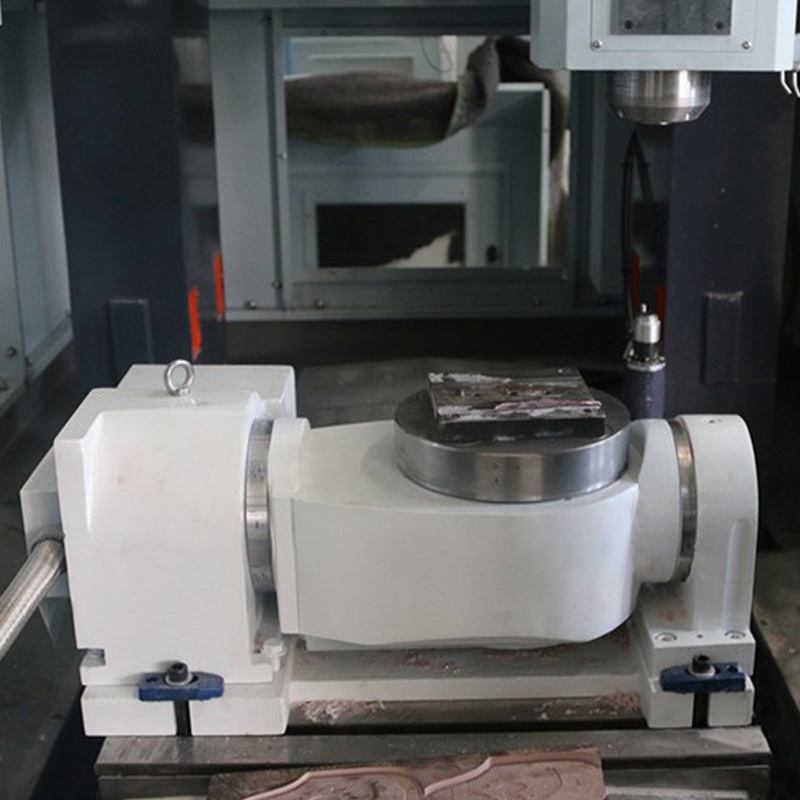
Choosing a CNC mill like the DC6070 with a robust frame, powerful spindle, and fast-response controller matches these stages perfectly, supporting seamless transitions and minimizing cycle time.
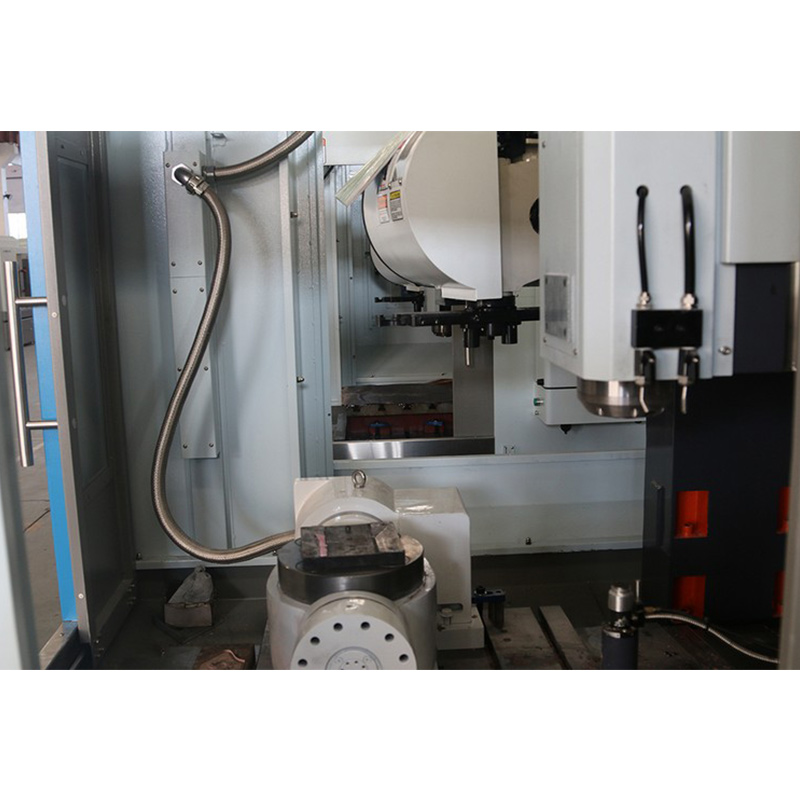
5-axis-sole-mold-milling-machine-dc6060a-5.jpg

Evaluate Total Cost of Ownership with ROI Analysis

Beyond upfront cost, scrutinizing the return on investment (ROI) helps justify the purchase. Consider:

  • Reduced cycle time bringing 10–20% higher output capacity
  • Lower scrap rates improving material yield by 5–8%
  • Energy-efficient motors cutting operation costs by up to 12%
  • Reduced maintenance frequency translating into 30% less downtime annually

One industry case study shows shoe manufacturers recouped machine acquisition costs in under 18 months thanks to consistent part quality and volume throughput increases.
5-axis-sole-mold-milling-machine-dc6060a-6.jpg

Is Your Factory Already Facing These Challenges?

If you’re experiencing:

  • Unstable mold surface finishes
  • Frequent machine stoppages affecting deadlines
  • High scrap or rework rates driving up costs
  • Slow response from legacy controllers during multi-axis programming

Addressing these issues by upgrading to a high-rigidity CNC milling machine with a high-precision control system can be transformational.
5-axis-sole-mold-milling-machine-dc6060a-2.jpg

Looking Ahead: Embrace Automation & Modular Designs

The industry trend is moving toward intelligent, modular CNC systems that simplify maintenance and enable scalability. Expect features like:

  • IoT connectivity for remote monitoring and predictive maintenance
  • Adaptive machining strategies powered by AI to reduce manual intervention
  • Swap-able spindle modules customized per mold complexity

Integrating these advancements with your current operations amplifies ROI and future-proofs your manufacturing capability.

Name *
Email *
Message*

Recommended Products

Popular articles
Recommended Reading

Related Reading

Contact us
Contact us
https://shmuker.oss-accelerate.aliyuncs.com/tmp/temporary/60ec5bd7f8d5a86c84ef79f2/60ec5bdcf8d5a86c84ef7a9a/thumb-prev.png