In the competitive sphere of shoe mold manufacturing, the choice of CNC milling equipment directly influences production throughput and product precision. This article meticulously dissects the pivotal performance indicators that define a premium CNC milling machine suited for shoe mold fabrication. We emphasize factors such as machine rigidity, spindle torque, and the responsiveness of advanced control systems like the Syntec high-speed controller—each integral to ensuring sustained operational excellence.
Rigidity is the backbone of milling accuracy. In shoe mold manufacturing, where tolerances often fall within microns, machine frame stiffness directly curtails vibrations and deflections during the milling process. A highly rigid CNC mill stabilizes the cutting tool, producing sharper edges and uniform molds.
Modern machines employ cast iron or Meehanite bases with ribbed reinforcement, achieving static rigidity values exceeding 40 kN/mm. Comparatively, a machine with 25 kN/mm rigidity risks increased chatter, degrading surface finish and demanding costly rework.
The spindle is the mill’s heart, translating motor power into precise cutting action. For dense mold materials such as aluminum alloys or harder composite resins, a spindle delivering torque exceeding 150 Nm at speeds up to 24,000 RPM ensures seamless cutting without thermal distortion.
Such high-torque spindles minimize tool wear and maintain dimensional stability, directly elevating mold durability and consistency across production batches.
| Specification | Typical Value | Premium CNC Mill |
|---|---|---|
| Machine Rigidity (kN/mm) | 25 - 30 | 40+ |
| Spindle Torque (Nm) | 80 - 120 | 150 - 180 |
| Max Spindle Speed (RPM) | 18,000 | 24,000 |
| Control System Response (ms) | 15-20 | 7-10 (Syntec High-Speed) |
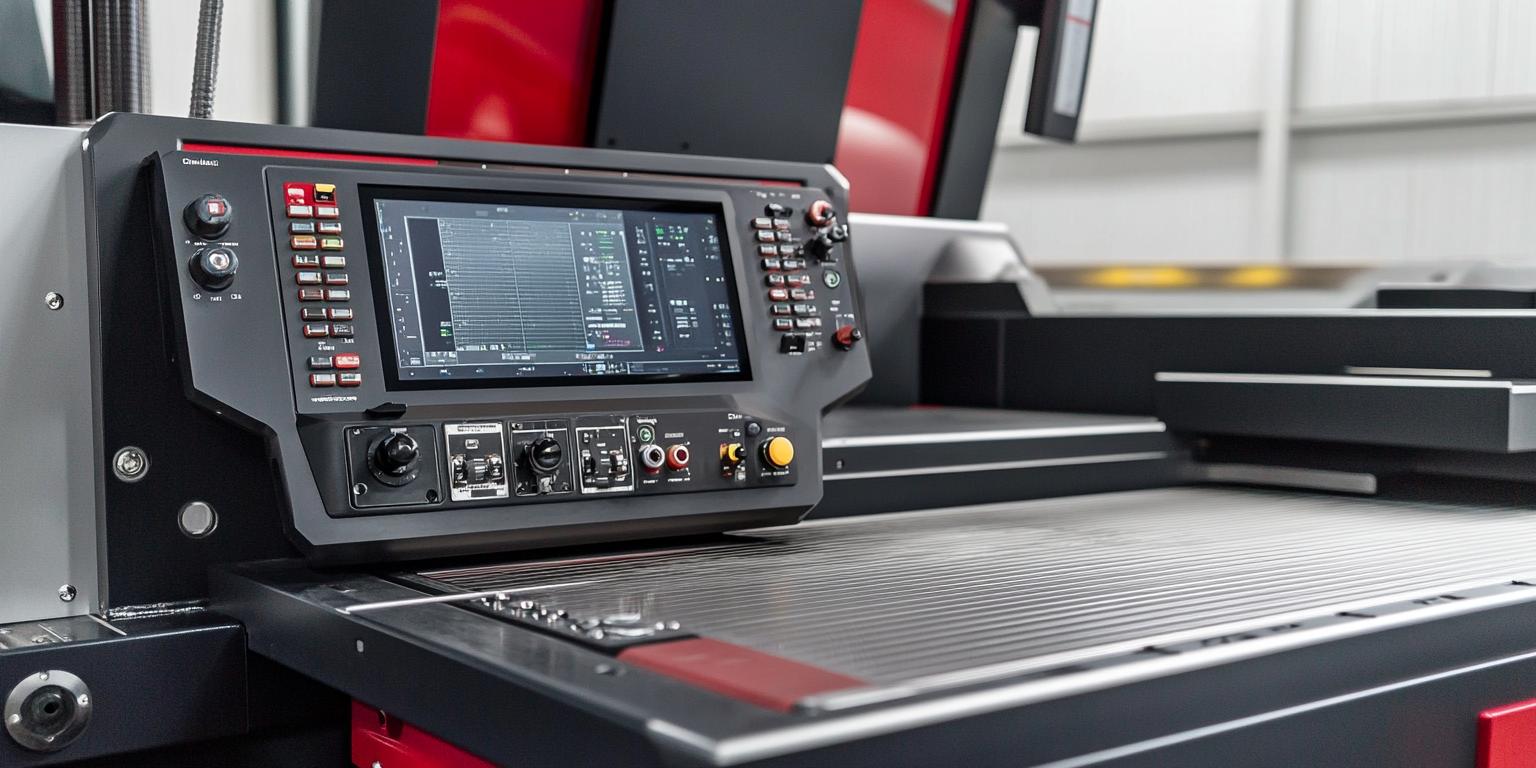
Control systems govern the machine’s operational precision and efficiency. The Syntec high-speed CNC controller uniquely stands out with processing cycles as fast as 7 milliseconds, nearly doubling response rates compared to standard systems.
Benefits include smoother axis movements, tighter tool path adherence, and enhanced multi-axis coordination—crucial when executing complex shoe mold geometries. This precision reduces scrap rates by up to 15%, as documented in a case study with a major shoe mold manufacturer adopting Syntec systems.
Stability during extended runtime is a decisive factor for manufacturers running continuous shifts. Equipment exhibiting stable thermal characteristics avoids dimensional drifts, critical for delivering consistent shell molds in volume.
Vibration damping, automated lubrication systems, and real-time error compensation in premium machines contribute to operational reliability exceeding 98% uptime, minimizing costly downtimes and maintenance cycles.
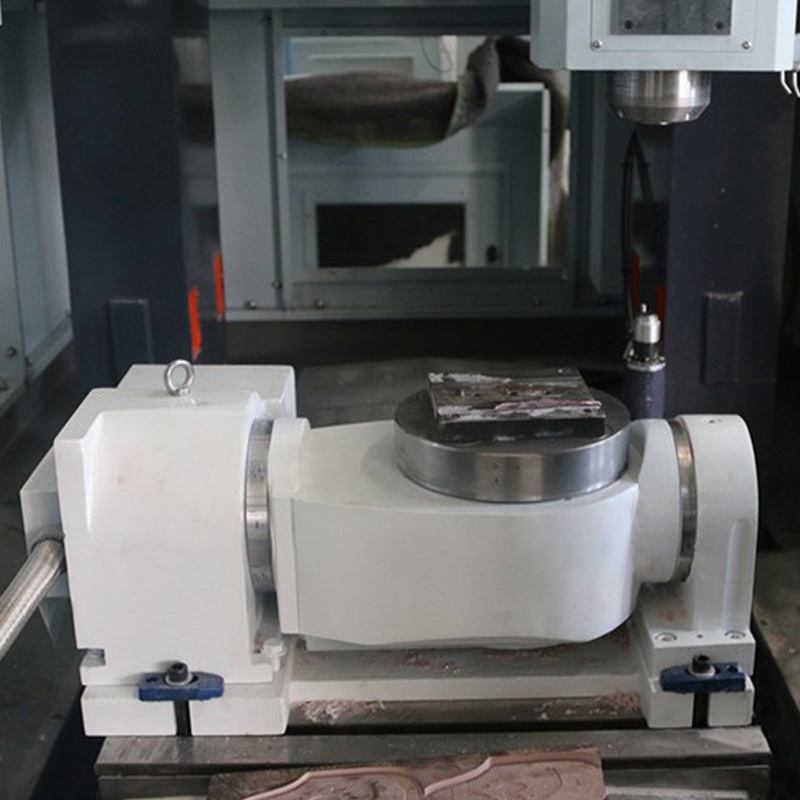
While initial capital outlay for advanced CNC milling machines may appear substantial, an integrated cost-benefit analysis reveals compelling returns:
Together, these improvements can boost annual ROI well beyond 18 months, fostering both operational excellence and financial sustainability.
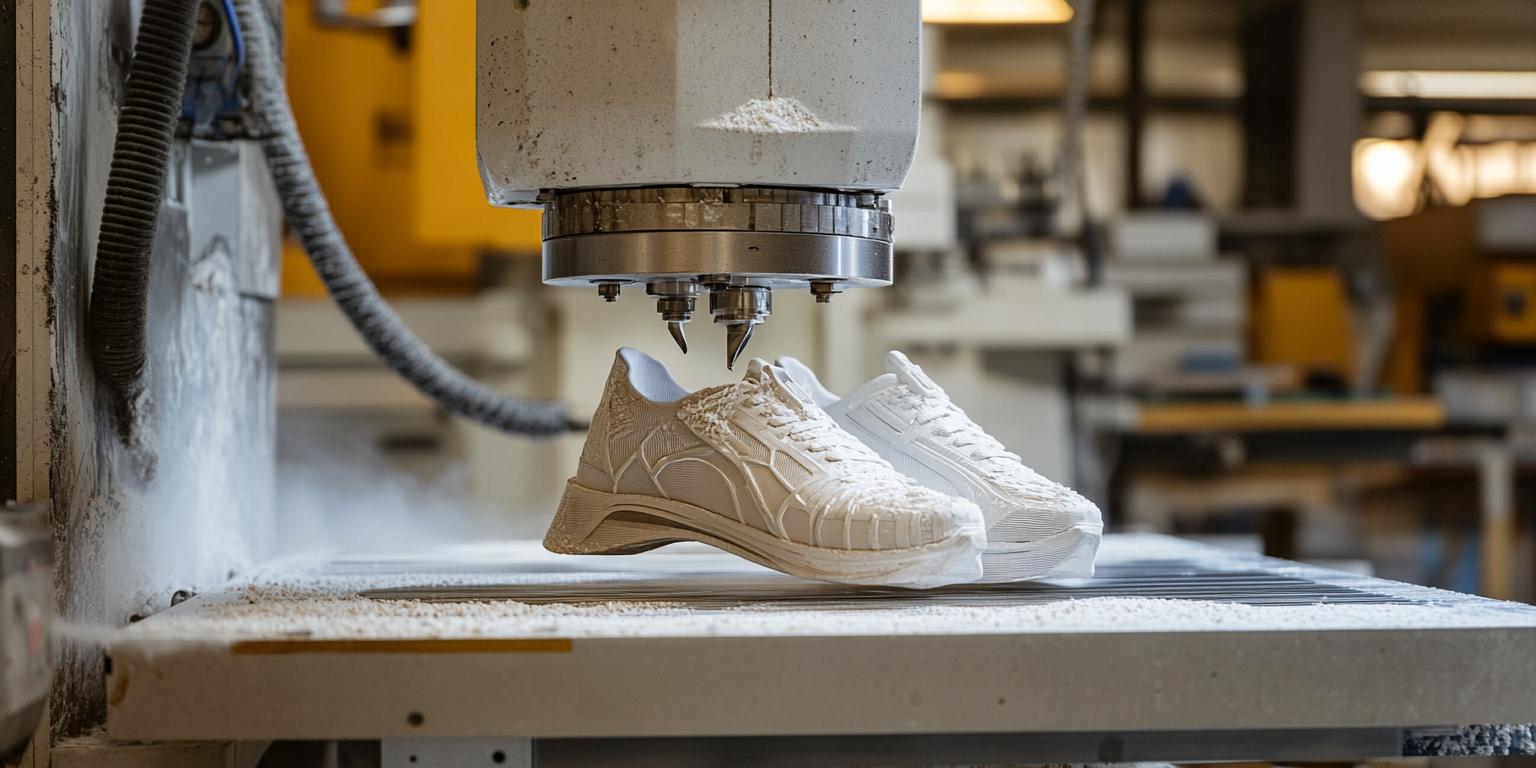
Shoe mold manufacturers should anchor their purchasing decisions on:
Such a systematic approach ensures balanced investment, optimized manufacturing processes, and maximum competitive advantage.