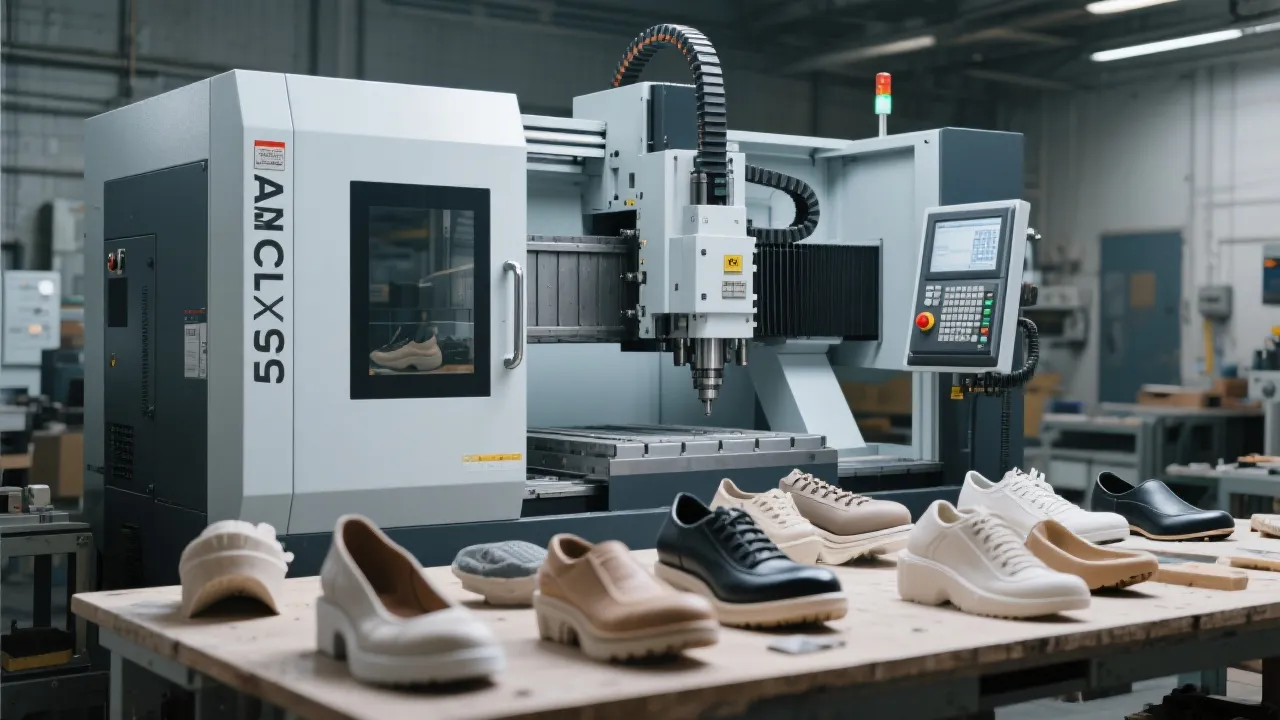
In the field of shoe mold manufacturing, the five - axis CNC milling machine for shoe lasts is a crucial piece of equipment. This article delves into the process differences between high - heel and flat - sole shoe lasts when using this type of milling machine, and shares practical process adjustment skills based on industry experience.
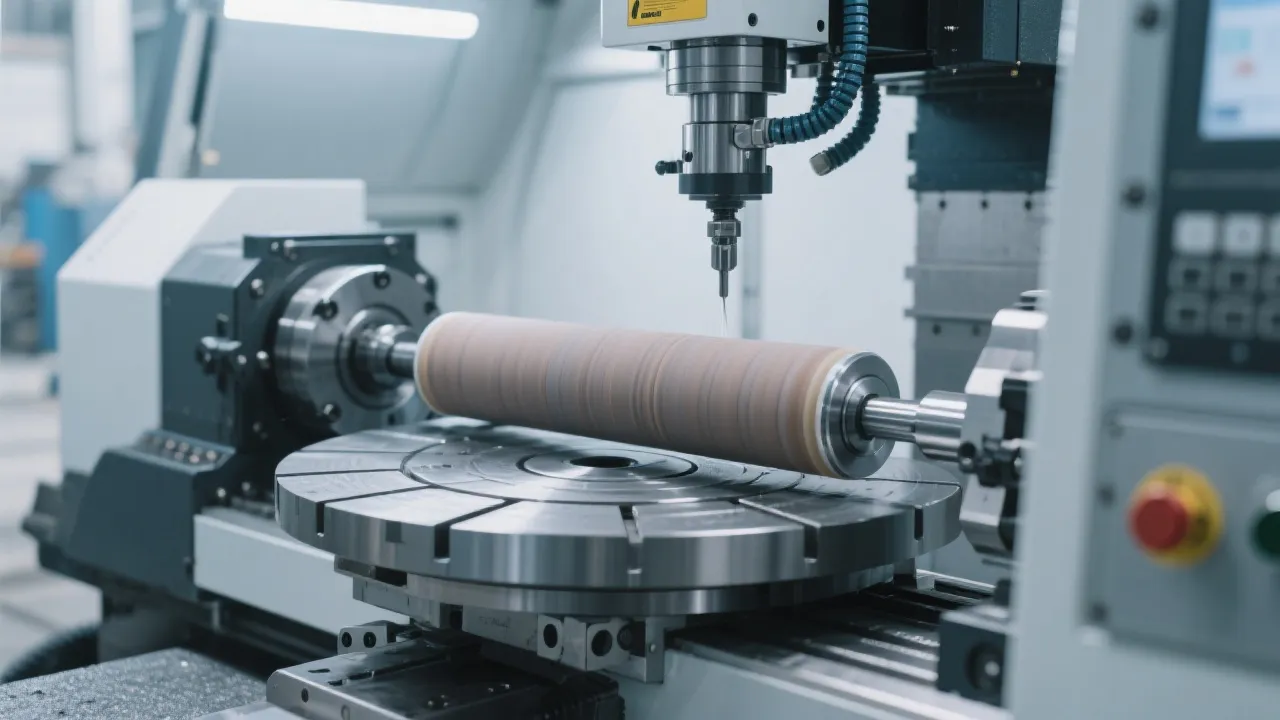
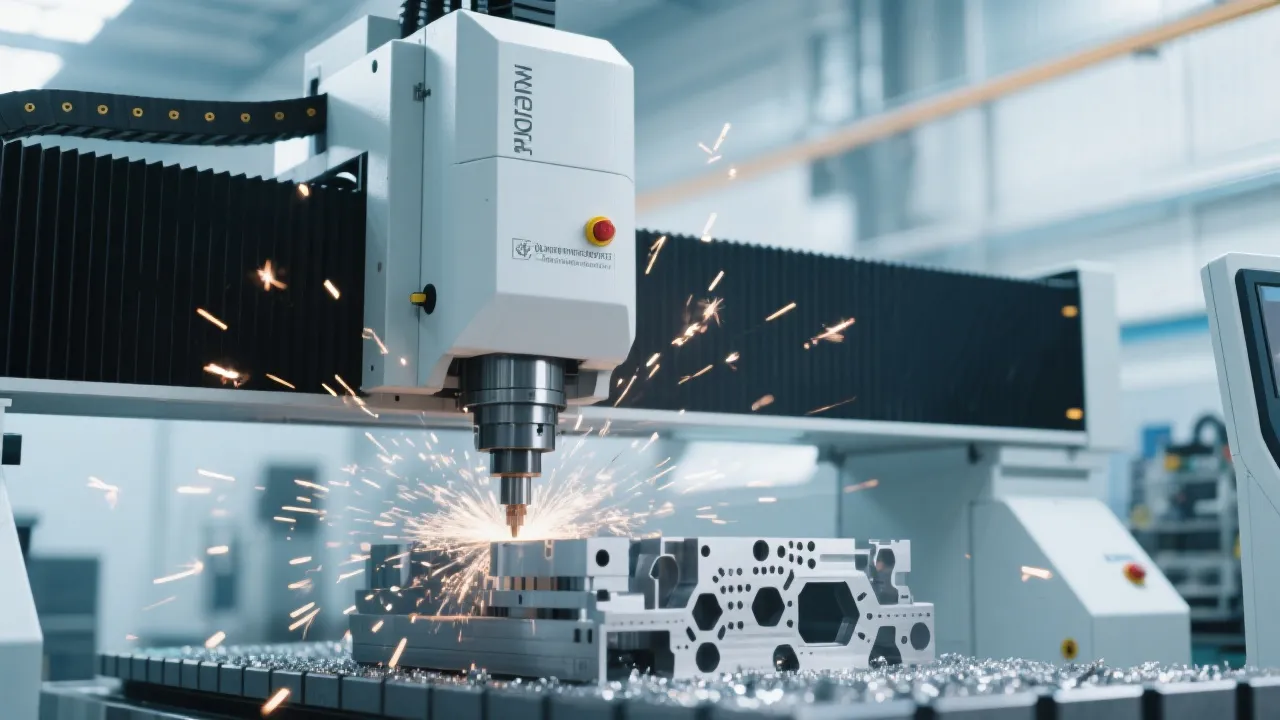
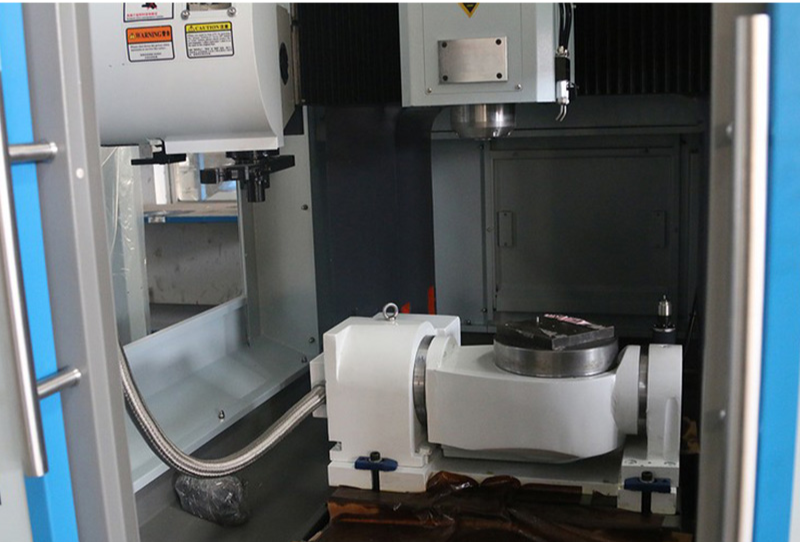
The five - axis shoe last CNC milling machine consists of several core components. The rotating table, for example, provides multi - angle movement capabilities, which is essential for processing complex shoe last shapes. It can rotate 360 degrees, enabling omnidirectional cutter contact with the shoe last material. The high - torque electric spindle is another key part. With a maximum speed of up to 20,000 revolutions per minute, it can provide stable and powerful cutting force.
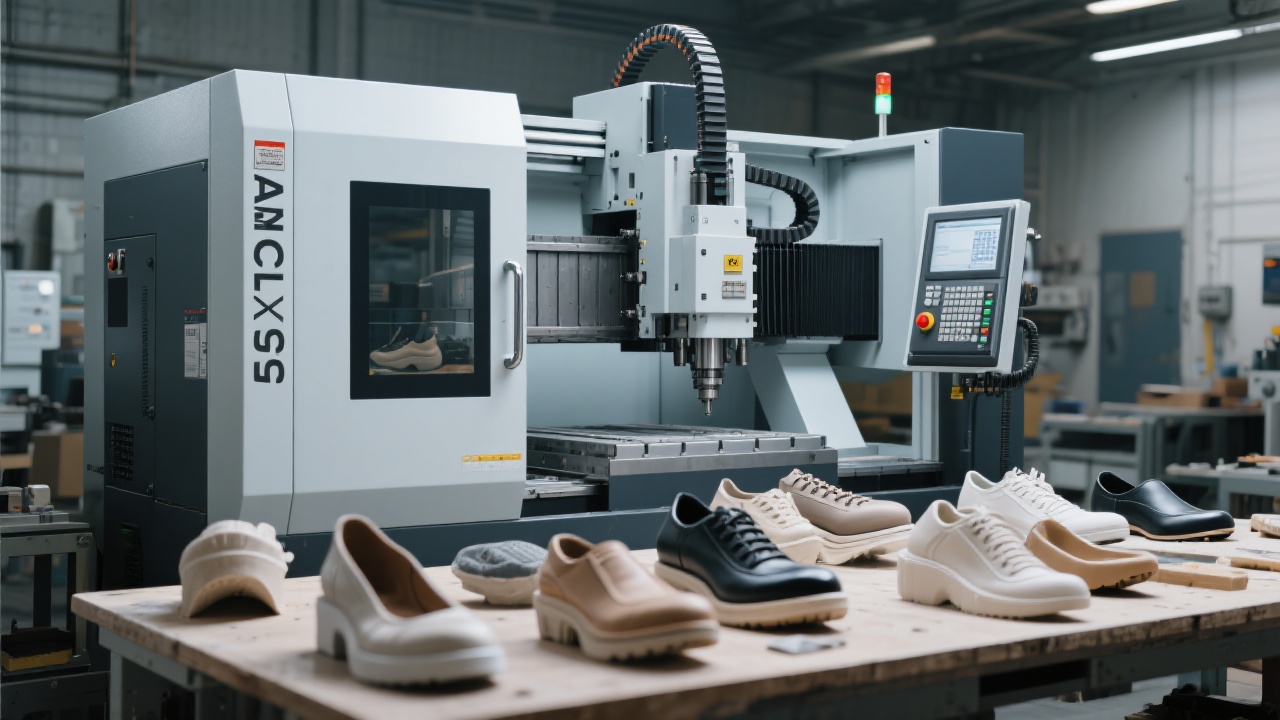
The processing of high - heel and flat - sole shoe lasts has significant differences. In terms of tool path settings, high - heel lasts often require more complex three - dimensional tool paths due to their curved shape. Cutters may need to change angles frequently during milling. In contrast, flat - sole lasts have relatively simple tool paths, mostly in a two - dimensional plane.
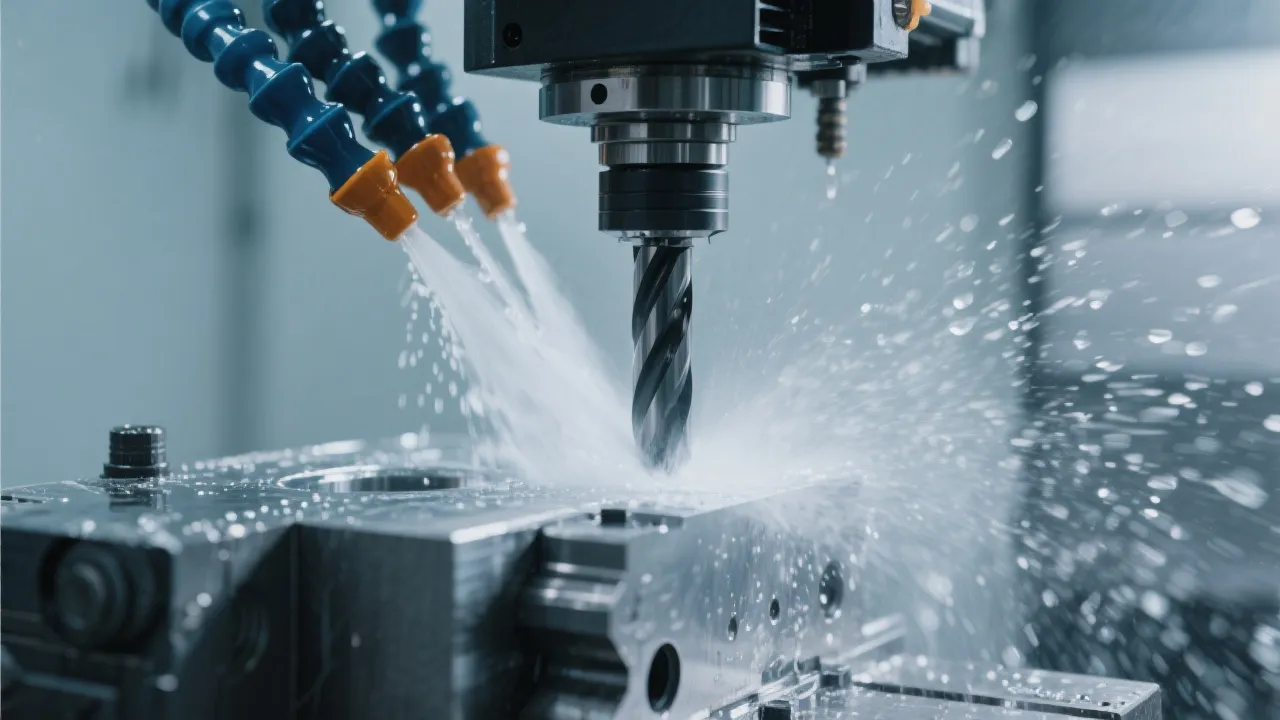
When it comes to cutting parameters, high - heel lasts usually require a lower cutting speed (about 10 - 15 m/min) to ensure the accuracy of the curved surface. The cutting depth should also be smaller, around 0.5 - 1 mm. For flat - sole lasts, a higher cutting speed (15 - 20 m/min) and a larger cutting depth (1 - 2 mm) can be used to improve processing efficiency.
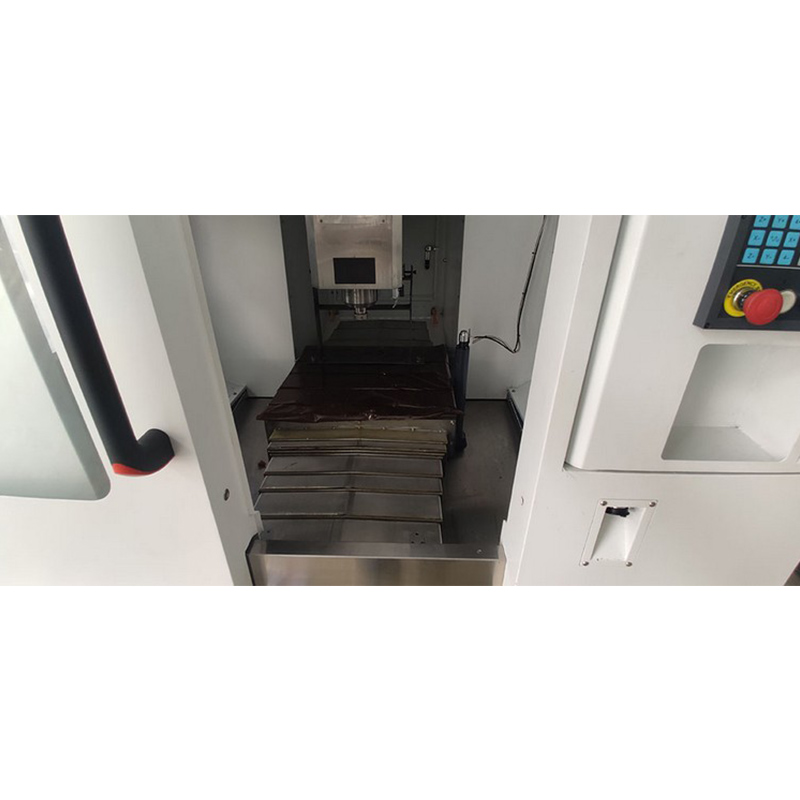
The Syntec high - speed controller plays a vital role in the operation of five - axis shoe last CNC milling machines. Its programming skills and human - machine interface applications can improve the accuracy and safety of operations. Through programming optimization, the controller can adjust the movement of the rotating table and the electric spindle in real - time according to different shoe last processing requirements.
Let's take two typical cases as examples. In a high - heel last processing project, problems such as rough surface finish and shape deviation were encountered. By adjusting the tool path in the Syntec controller and optimizing the cutting parameters, these problems were successfully solved. In a flat - sole last processing project, the main issue was low processing efficiency. After increasing the cutting speed and depth while maintaining stability, the processing time was reduced by about 30%.
In conclusion, whether you are a beginner or an advanced technician in the shoe mold manufacturing industry, understanding the processing differences between high - heel and flat - sole shoe lasts and mastering the operation of five - axis shoe last CNC milling machines is crucial for improving processing efficiency and quality. If you want to learn more about the operation details and process optimization of five - axis shoe last CNC milling machines, please click here to access our detailed product manuals and video tutorials.