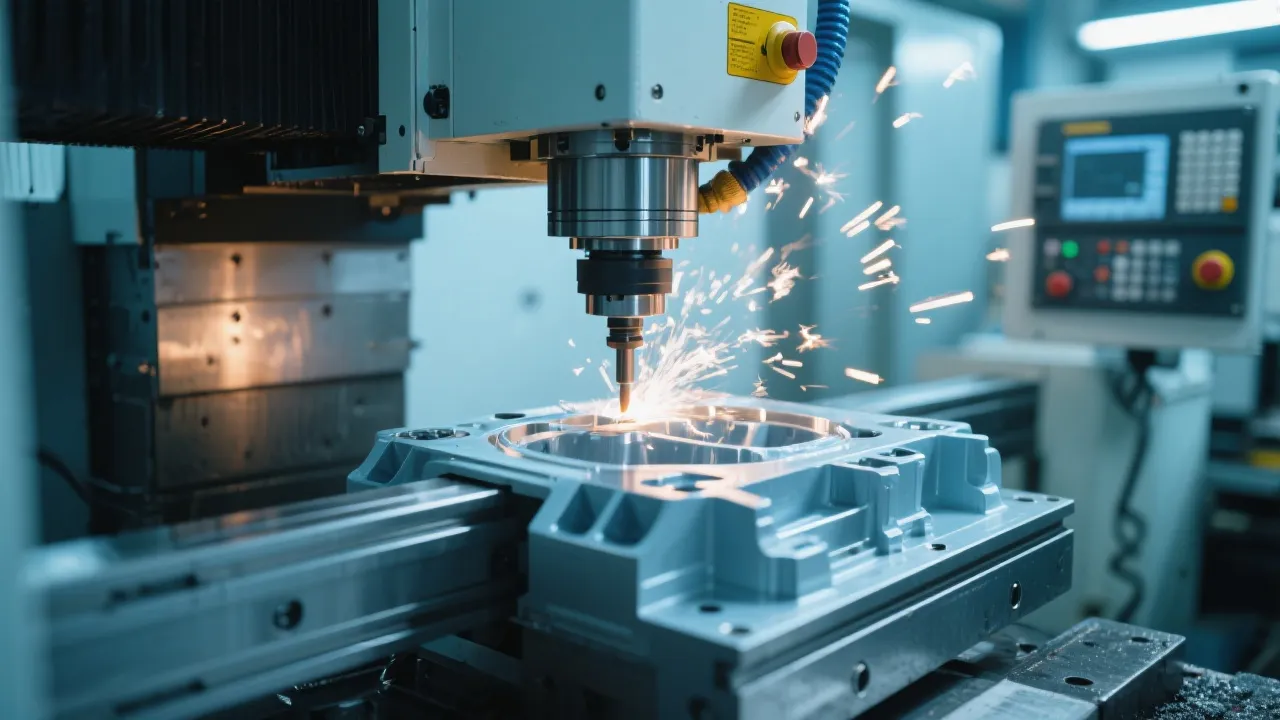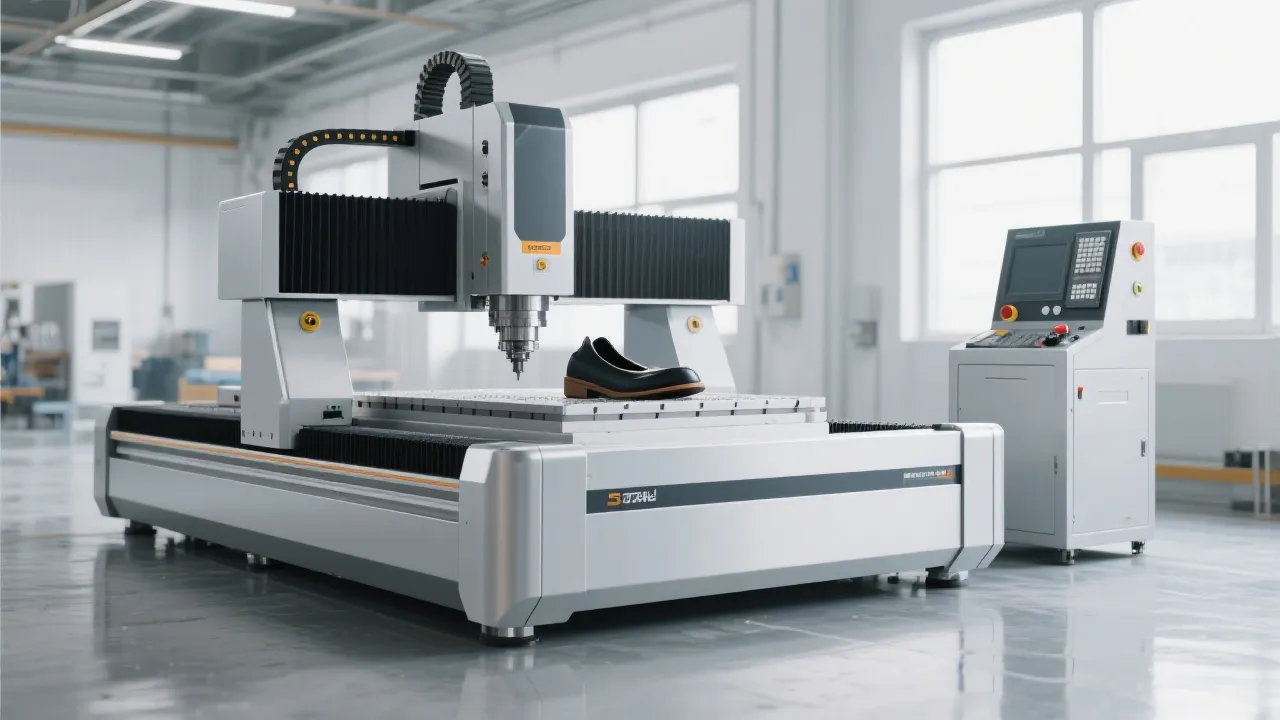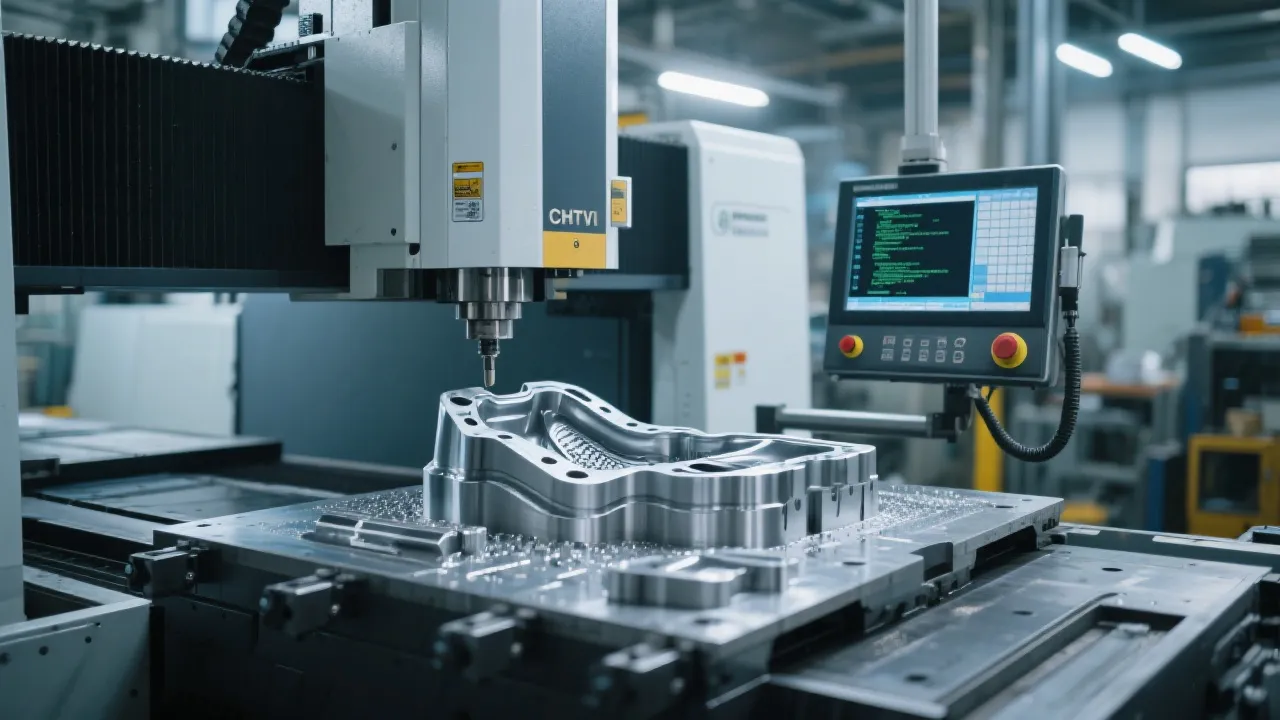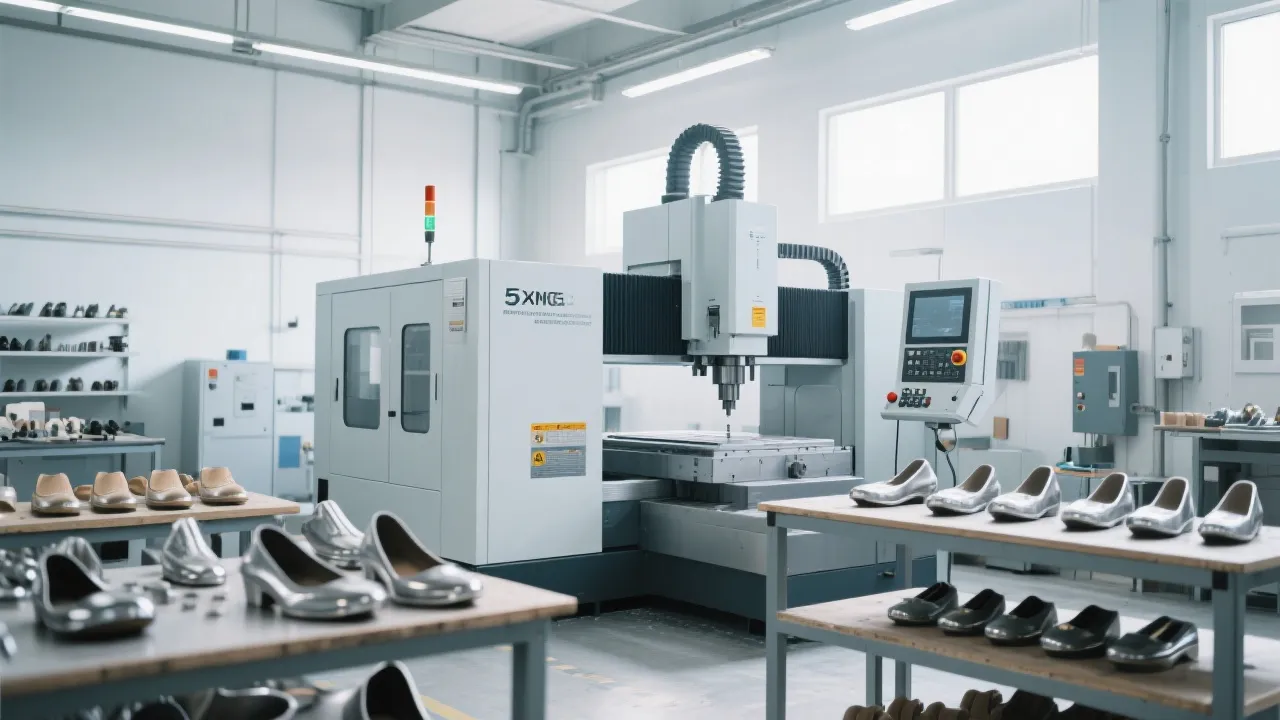
In the competitive landscape of footwear manufacturing, precision isn't just a requirement—it's the foundation of product quality and brand reputation. Shoemakers worldwide lose approximately $2.3 billion annually due to mold-related defects, with 63% of these issues traceable to machining inaccuracies. This comprehensive guide explores actionable strategies to elevate 5-axis milling precision for sole molds, helping manufacturers reduce waste, improve consistency, and accelerate time-to-market.
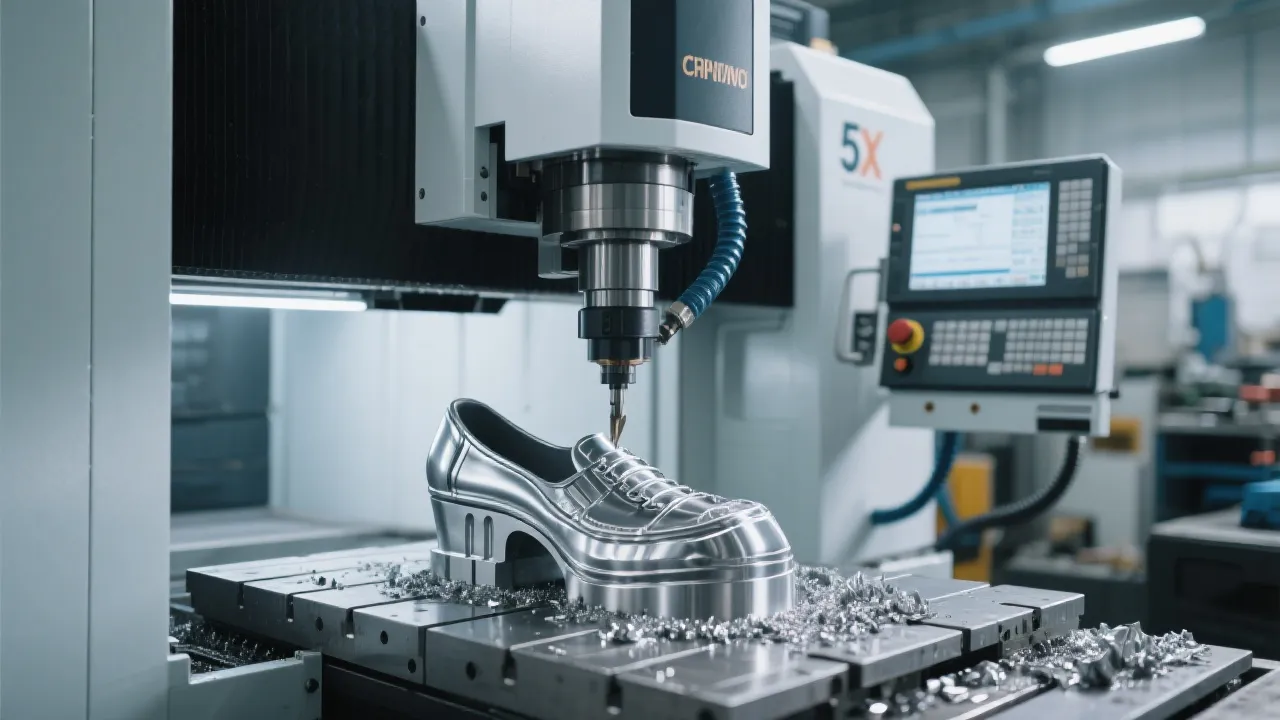
Modern sole designs featuring complex geometries and undercuts demand sophisticated machining approaches. Traditional 3-axis machining often leaves tool marks and requires multiple setups, increasing both production time and error potential. 5-axis technology, when optimized correctly, can reduce these issues by up to 47% according to industry benchmarks.
Key optimization techniques include implementing adaptive clearing strategies that adjust feed rates based on material thickness, reducing air cutting by 35% on average. Additionally, leveraging high-efficiency machining (HEM) strategies can decrease cycle times by 28% while maintaining precision—a critical advantage in high-volume footwear production environments.
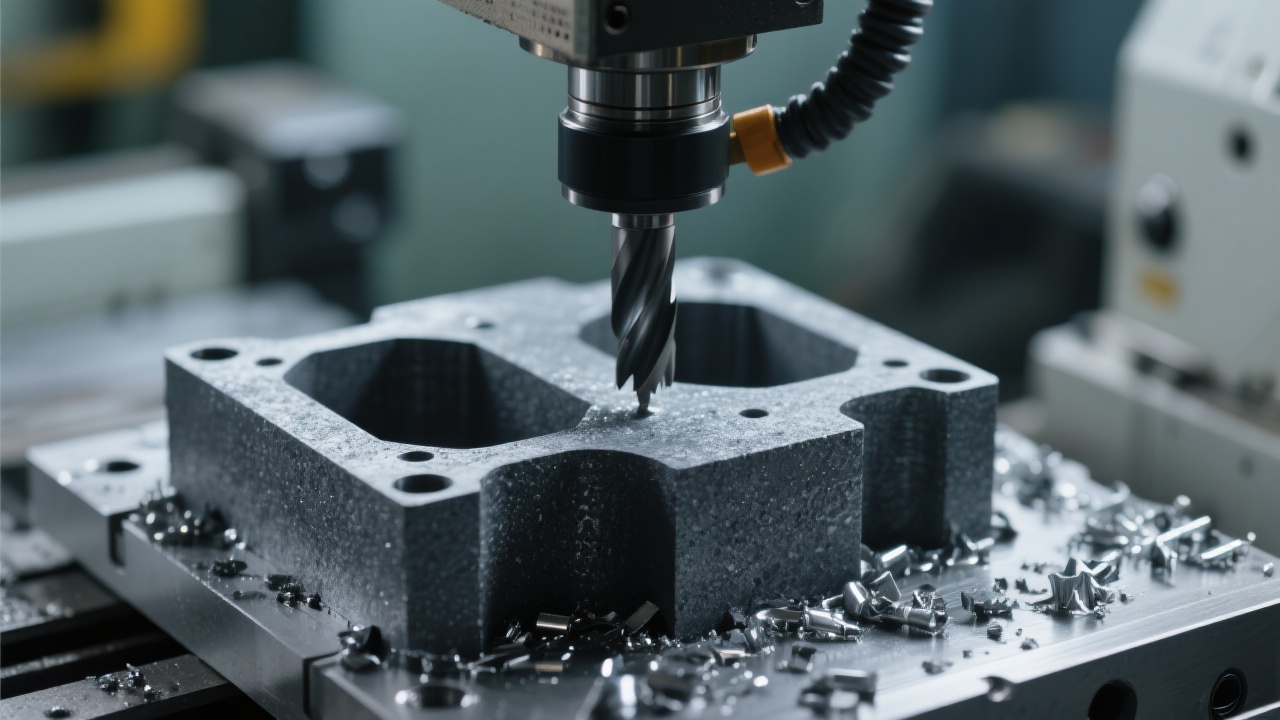
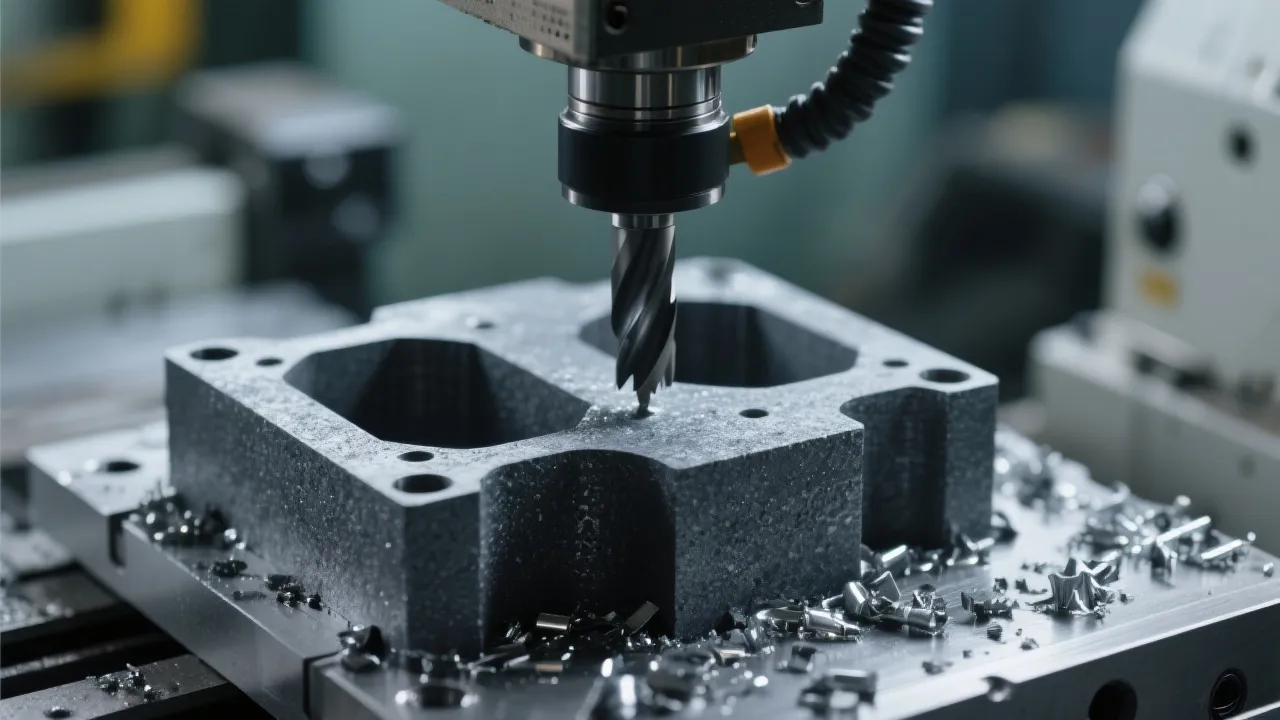
While cutting-edge machinery receives much attention, fixture design often determines the upper limits of precision. A study by the Manufacturing Technology Association found that 41% of machining errors stem from inadequate workholding solutions rather than machine capability.
Different sole materials demand distinct machining approaches. TPU (Thermoplastic Polyurethane) and rubber compounds, the workhorses of footwear manufacturing, each present unique challenges that directly impact precision.
| Material | Optimal Speed (RPM) | Feed Rate (mm/min) | Coolant Type | Special Considerations |
|---|---|---|---|---|
| TPU (85-95 Shore A) | 12,000-18,000 | 1,200-2,000 | Mist coolant (5-8% concentration) | High rake angle tools to prevent material smearing |
| Natural Rubber | 8,000-12,000 | 800-1,500 | Air blast + minimal coolant | Sharp tools critical to prevent material tearing |
| EVA Foam | 15,000-20,000 | 2,500-4,000 | Vacuum system for chip removal | Low cutting forces to prevent foam compression |
凯博数控 (Kaibo CNC) specializes in developing 5-axis solutions optimized for these material challenges, offering proprietary software algorithms that automatically adjust cutting parameters based on material type and mold complexity. This intelligent approach helps manufacturers reduce setup time by up to 40% while maintaining consistent precision across production runs.
Even the most advanced machinery requires meticulous calibration to maintain peak performance. Thermal expansion alone can introduce errors of up to 0.02mm on complex sole molds—enough to compromise fit and function in finished footwear.
Modern 5-axis machines from leading manufacturers incorporate real-time compensation systems that adjust for thermal changes and mechanical wear. These systems can reduce dimensional drift by up to 75% compared to traditional machining centers, ensuring consistent precision throughout production runs.
To translate these insights into measurable improvements, forward-thinking manufacturers are implementing standardized precision protocols that address the entire production process. This systematic approach typically yields a 35-50% reduction in rework rates and a 20-30% improvement in first-pass yield.
Key elements of an effective protocol include pre-machining material stress relief, in-process inspection checkpoints, and post-machining validation procedures. By integrating these quality control measures into the production workflow, manufacturers can identify and correct issues before they affect entire production runs, helping you reduce试错成本 significantly.
Discover how凯博数控's advanced 5-axis solutions can help you achieve consistent sub-0.01mm precision, reduce cycle times, and eliminate costly rework.让每一道工序都更可控 with our industry-leading machining technology.
Schedule Your Precision AnalysisSuccess in today's footwear market demands precision, efficiency, and consistency. By implementing the tool path optimization, fixture design, and calibration strategies outlined here, manufacturers can achieve the level of precision that differentiates market leaders from competitors. The investment in precision technology typically delivers ROI within 6-9 months through reduced waste, improved production efficiency, and enhanced product quality.