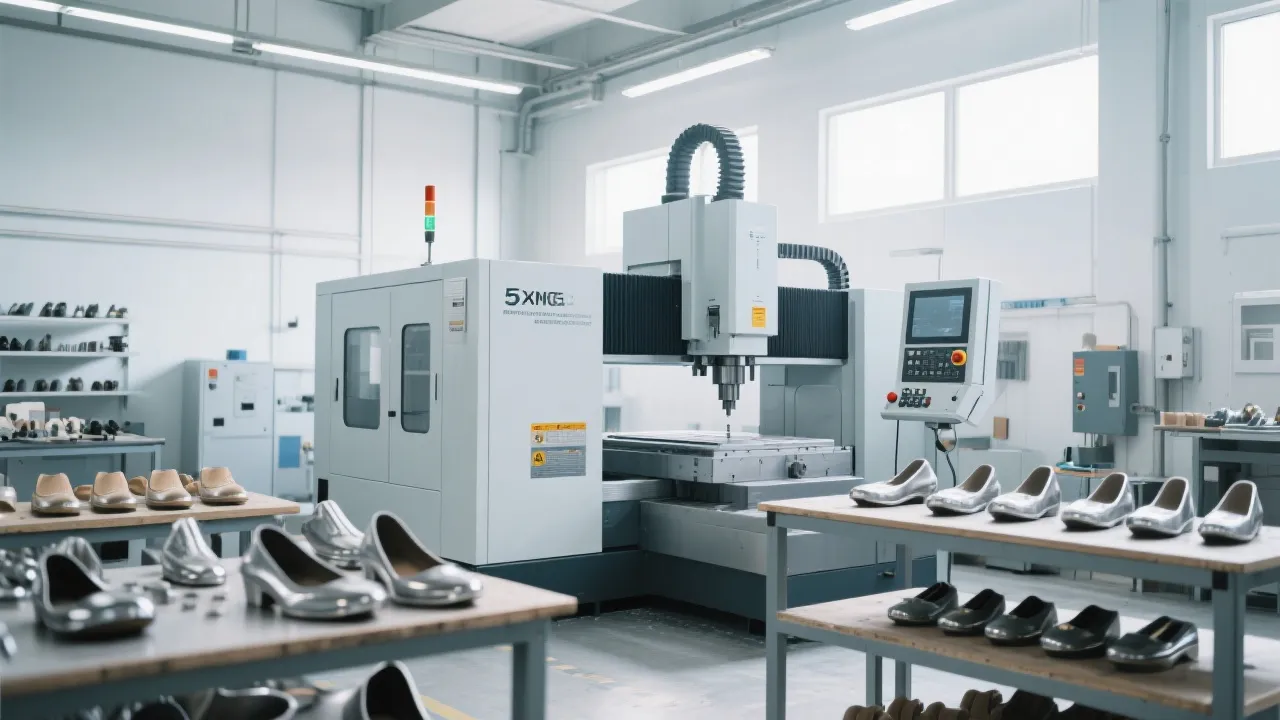
Are you new to 5-axis shoe last CNC machining and feeling overwhelmed by the complexity of operating a DC6070? You're not alone. According to industry research, 76% of new operators struggle with maximizing the potential of 5-axis machines within their first three months. But what if you could cut that learning curve in half? This guide, specifically designed for beginners, will walk you through everything from basic component recognition to advanced programming techniques, all while leveraging the unique capabilities of the 凯博数控 DC6070 system.
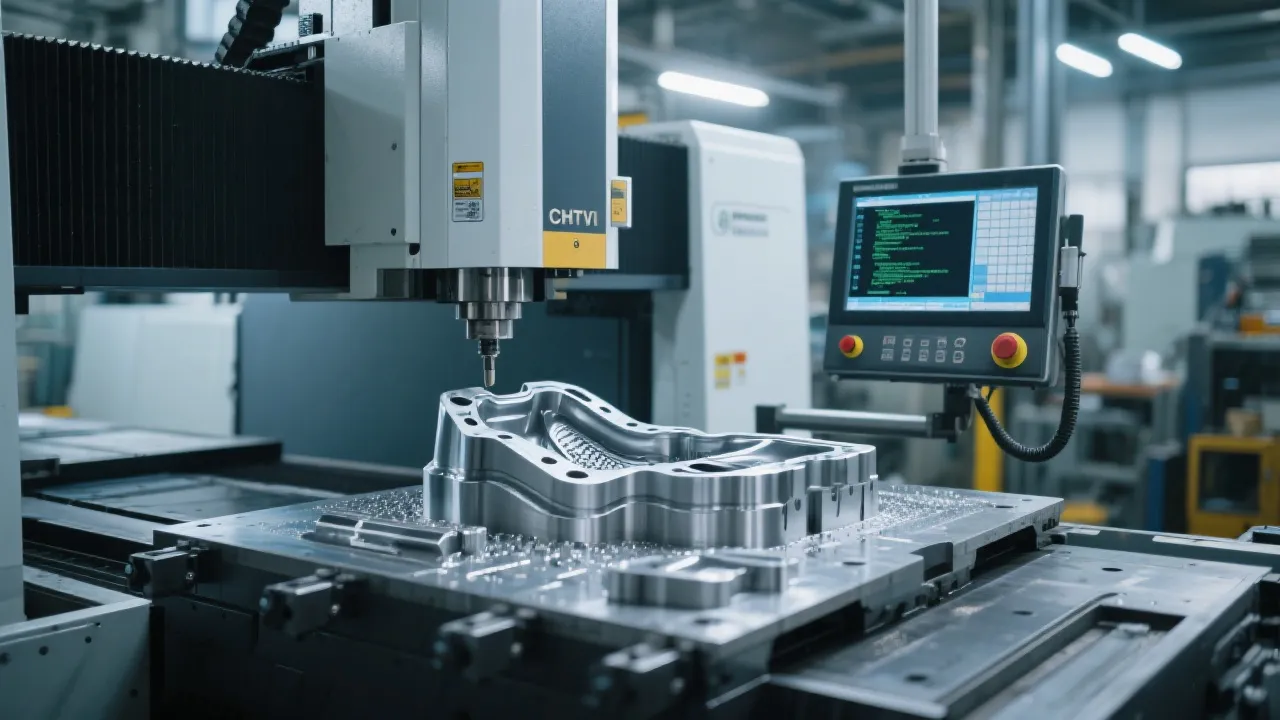
Before diving into operations, let's establish a clear understanding of your machine's core components. The DC6070's architecture is engineered specifically for the precision demands of shoe last manufacturing, where even 0.1mm deviations can affect the entire fit of a shoe.
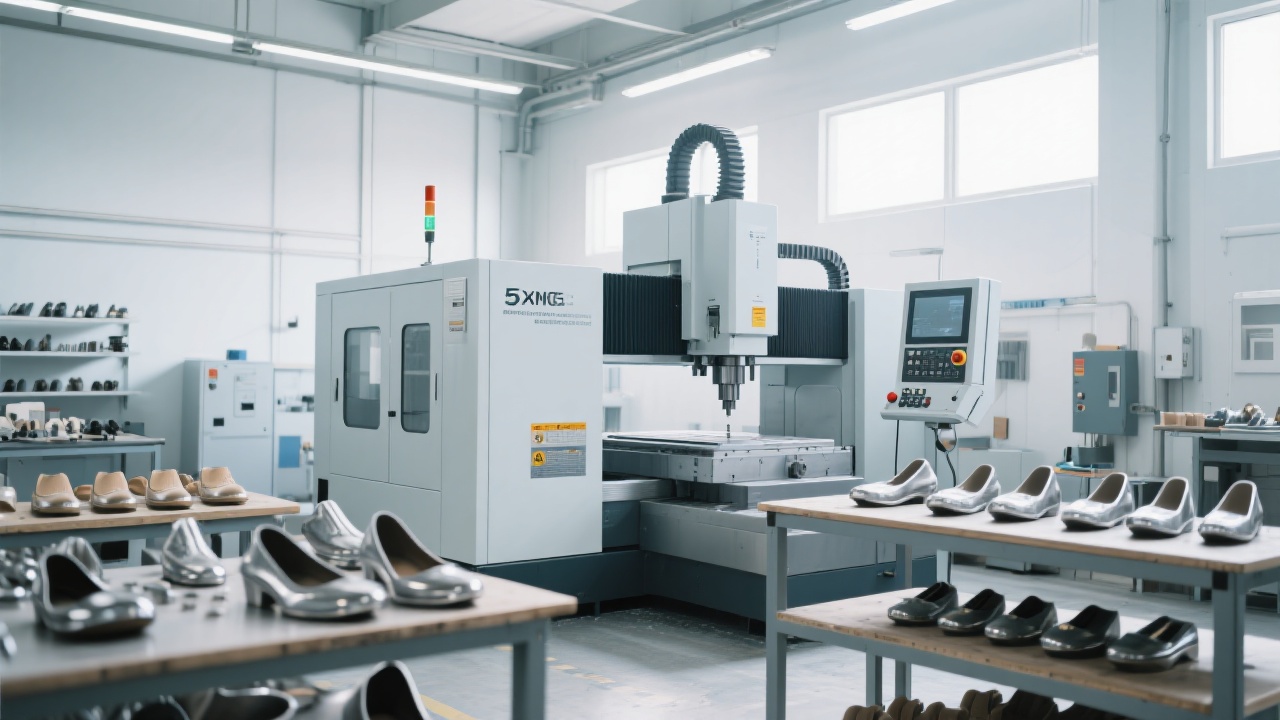
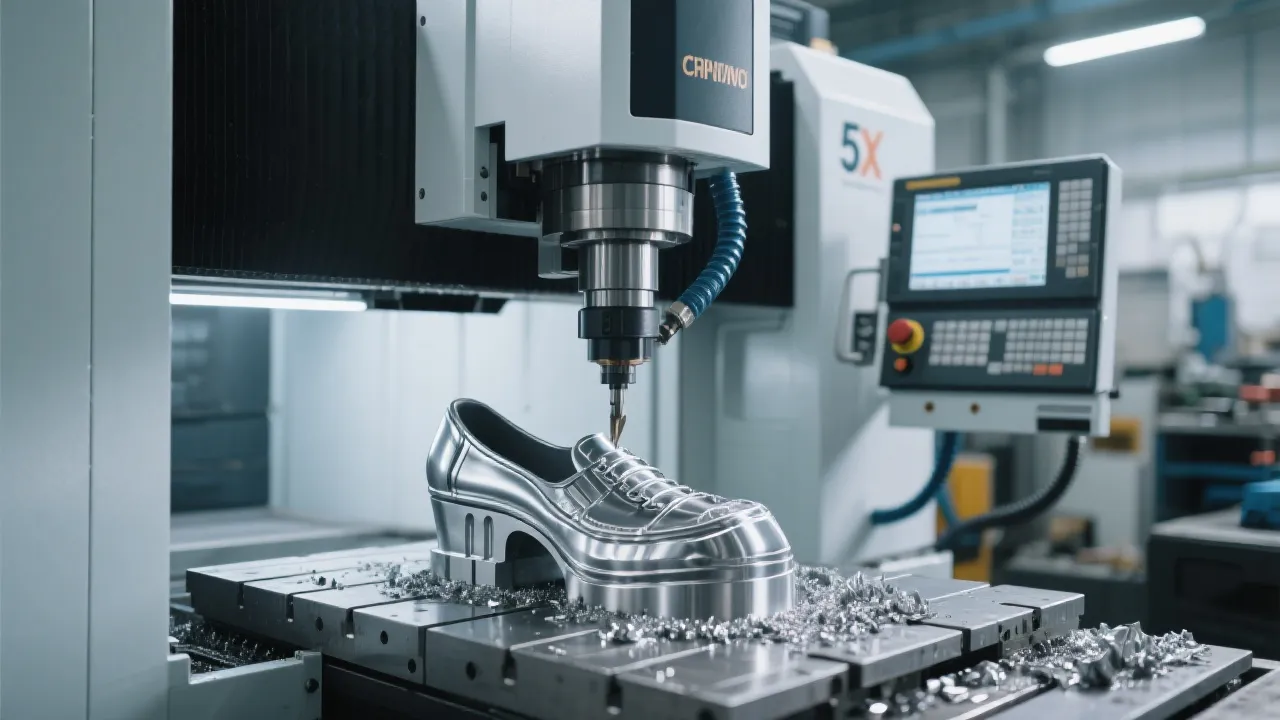
The heart of any 5-axis machine is its rotary worktable, and the DC6070's unit is designed to maintain ±0.002mm positioning accuracy even during high-speed operations. This becomes critical when machining complex shoe last contours, especially for high-heel designs that require simultaneous multi-axis movement.
"I used to spend 45 minutes setting up for each heel type until I mastered the rotary table's quick-change fixture system. Now I can switch between stilettos and block heels in under 10 minutes." — Master Technician, Guangzhou Footwear Factory
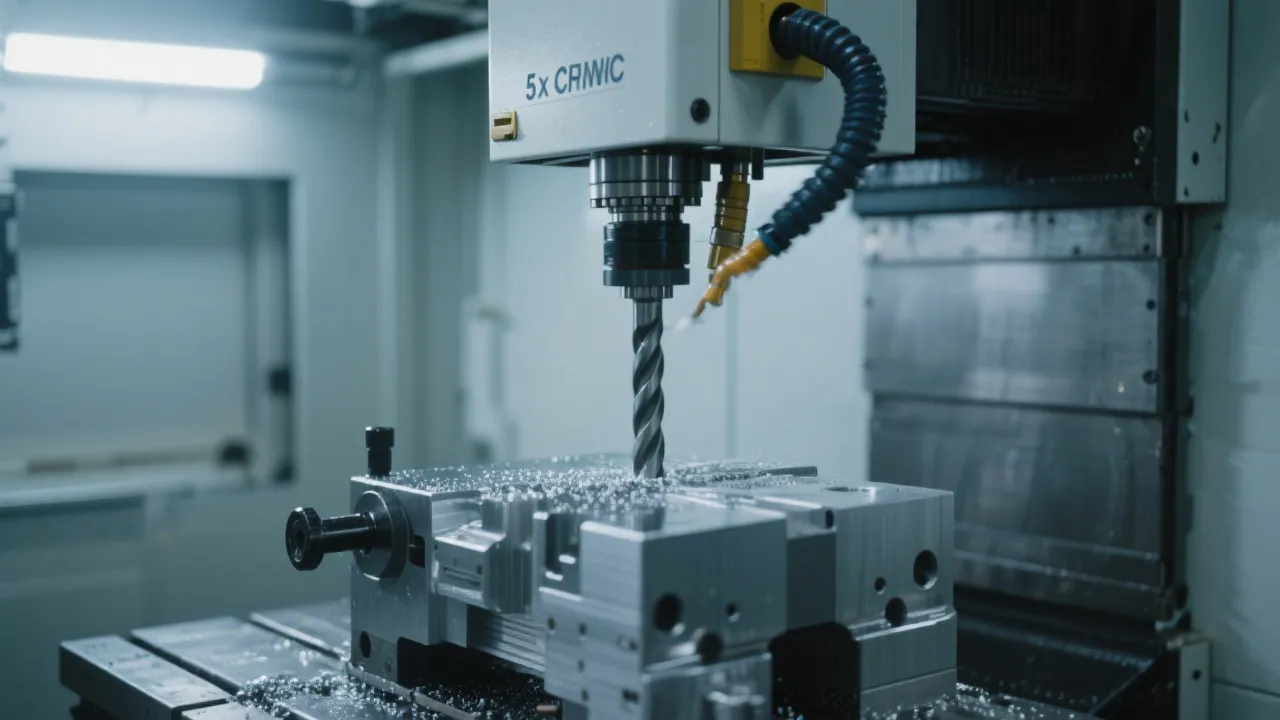
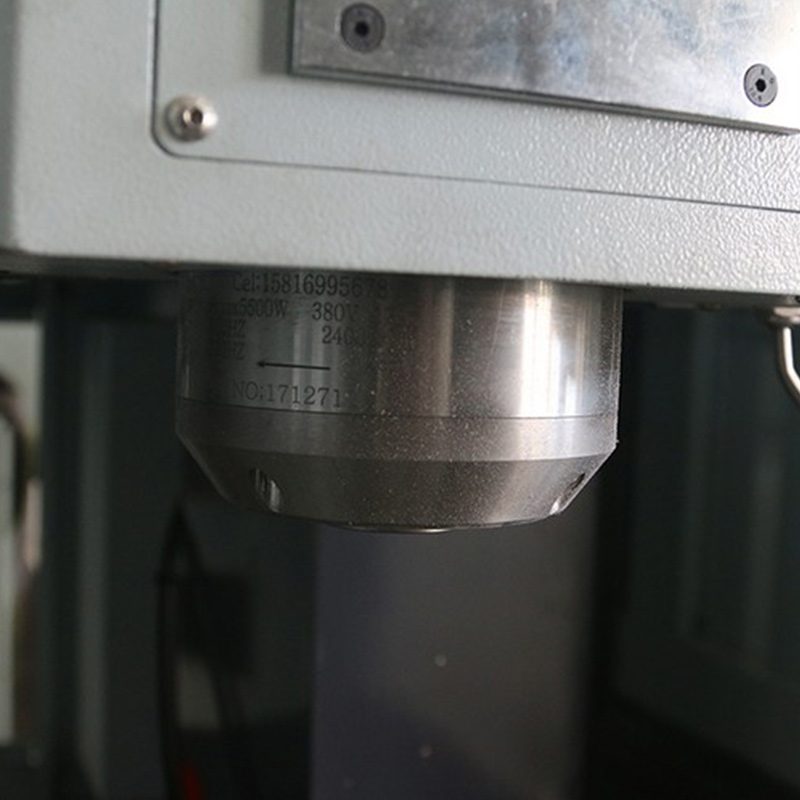
The DC6070's 15,000 RPM high-torque spindle delivers consistent cutting performance across various materials, from hardwood to composite resins. Proper maintenance is crucial—experts recommend lubrication every 200 operating hours and complete bearing inspection after 3,000 hours to prevent unexpected downtime.
The user-friendly Syntec controller reduces the learning curve significantly compared to traditional CNC systems. Its intuitive interface allows operators to visualize toolpaths in real-time, reducing programming errors by up to 40% according to 凯博数控 customer data.
Now that you understand the core components, let's walk through the essential steps to get your machine operational. Following this process will help you achieve consistent results from your very first project.
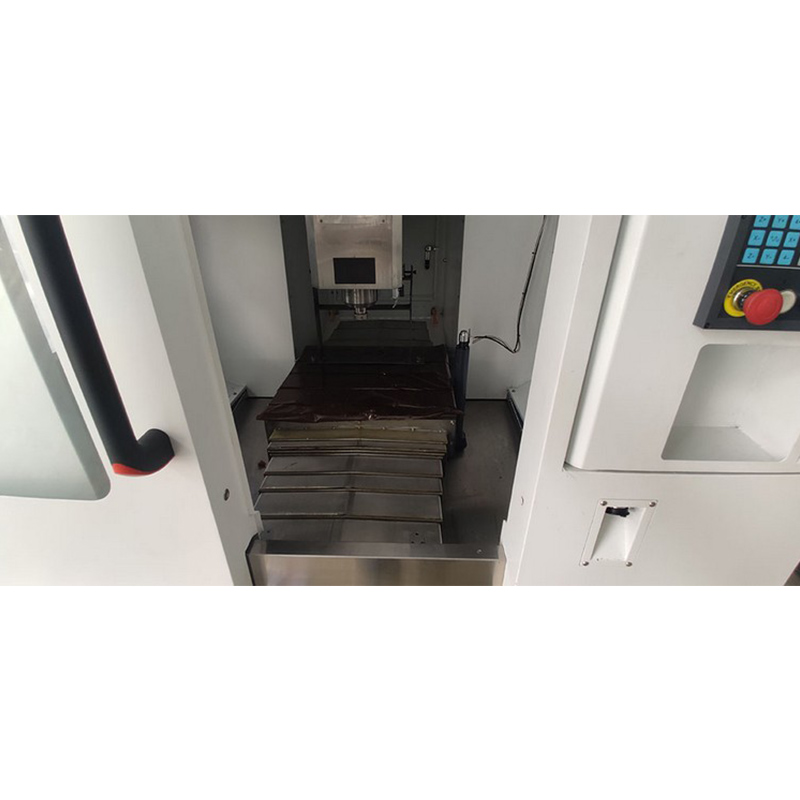
Proper material mounting prevents vibration and ensures dimensional accuracy. Always use the machine's vacuum clamping system for shoe last blanks, applying 0.6-0.8 MPa pressure for hardwoods and 0.4-0.6 MPa for composite materials. This simple step reduces workpiece movement by over 90% during machining.
Carbide end mills are recommended for shoe last machining, with 6mm diameter tools for roughing and 3mm tools for finishing passes. The DC6070's tool length compensation feature allows for quick tool changes without重新校准, saving up to 25 minutes per production run.
The Syntec controller's conversational programming mode allows beginners to create toolpaths without extensive G-code knowledge. For example, creating a heel contour involves just 5 simple steps: selecting the contour type, inputting dimensions, setting cutting parameters, simulating the path, and executing the program.
Even experienced operators encounter challenges. Here are practical solutions to the most frequent problems reported by 凯博数控 users:
Vibration during machining causes poor surface finish and reduces tool life. If you experience vibration:
For mirror-like finishes on shoe lasts, operators recommend:
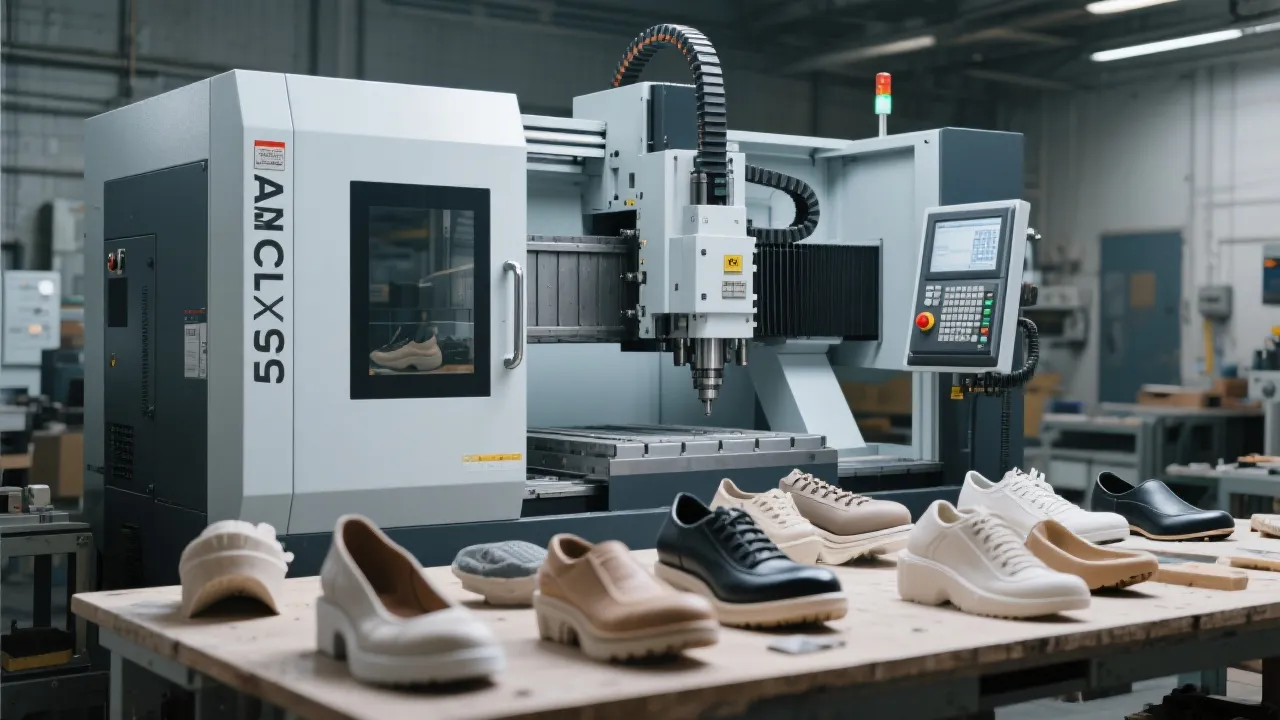
The 凯博数控 DC6070 is designed specifically for footwear manufacturers who refuse to compromise on precision or productivity. With our expert support and your newfound skills, you'll be producing perfect shoe lasts in record time.
Schedule Your Personalized DC6070 Demo TodayProactive maintenance is the key to maximizing your investment. Create a maintenance schedule including:
By following this maintenance routine, 凯博数控 customers report an average machine lifespan of 12+ years with minimal downtime.
Every shoe last shop faces unique challenges. What specific issues have you encountered when machining shoe lasts? Share your experiences in the comments below, and our technical team will provide personalized solutions!