5-Axis Shoe Last CNC Milling Machine Operation Tutorial: Key Steps & Parameter Settings for Beginners
14 03,2026
Tutorial Guide
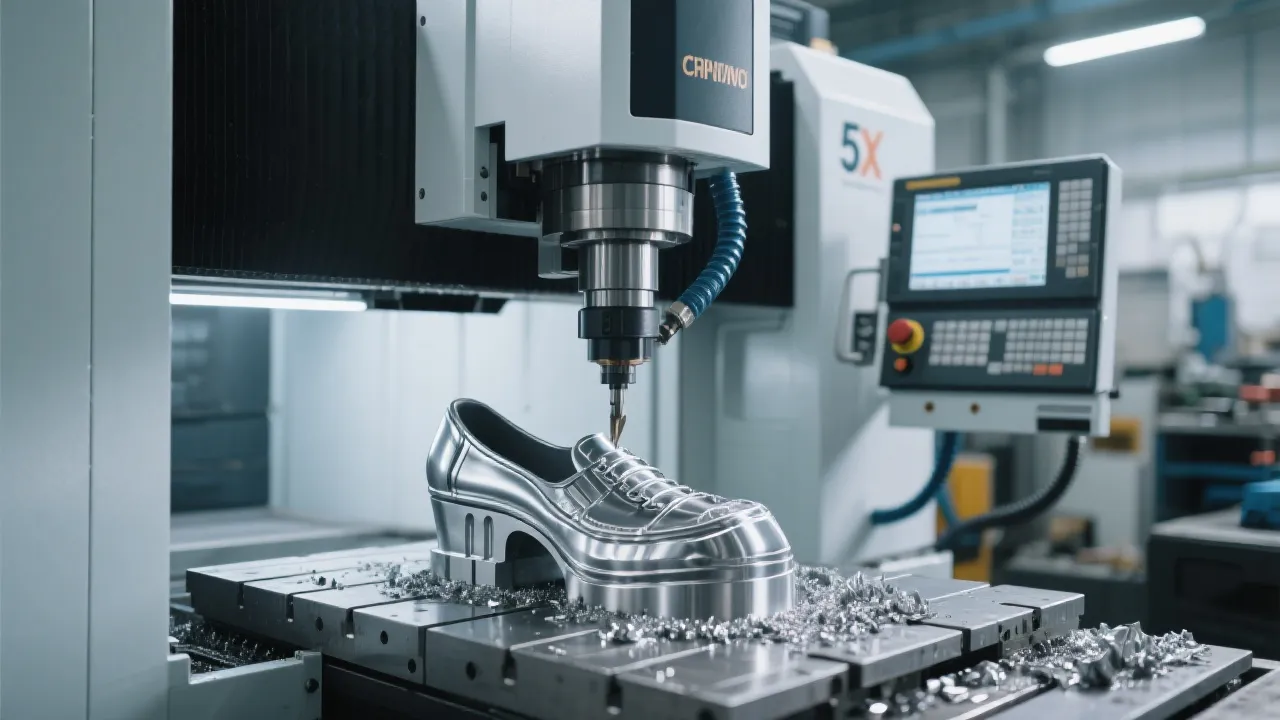
Designed specifically for technical personnel new to 5-axis shoe last CNC milling machines, this tutorial systematically explains the equipment's basic structure, rotary table operation, high-torque spindle maintenance, and Syntec controller programming skills. Through practical case studies (such as processing differences between high-heel and flat shoe lasts), it guides you step-by-step in setting cutting parameters, avoiding common mistakes, and increasing efficiency by over 30%. It's an efficient guide for beginners to get started quickly.
Mastering 5-Axis Shoe Last CNC Milling: A Beginner's Guide to Key Operations and Parameter Settings
Stepping into the world of 5-axis CNC shoe last machining can feel overwhelming for newcomers. The precision required, complex controls, and variety of parameters often create a steep learning curve. However, with the right guidance, even beginners can achieve professional results and boost productivity by over 30% within weeks. This comprehensive tutorial, specifically designed for first-time operators, breaks down the essential knowledge you need to confidently operate a 5-axis shoe last CNC milling machine.
"The difference between a good shoe last and an exceptional one lies in the operator's ability to optimize machine parameters for each unique design. This guide simplifies that process for new technicians." — Senior Shoe Mold Engineer with 15 years of experience
Understanding the Core Components of Your 5-Axis Shoe Last CNC Milling Machine
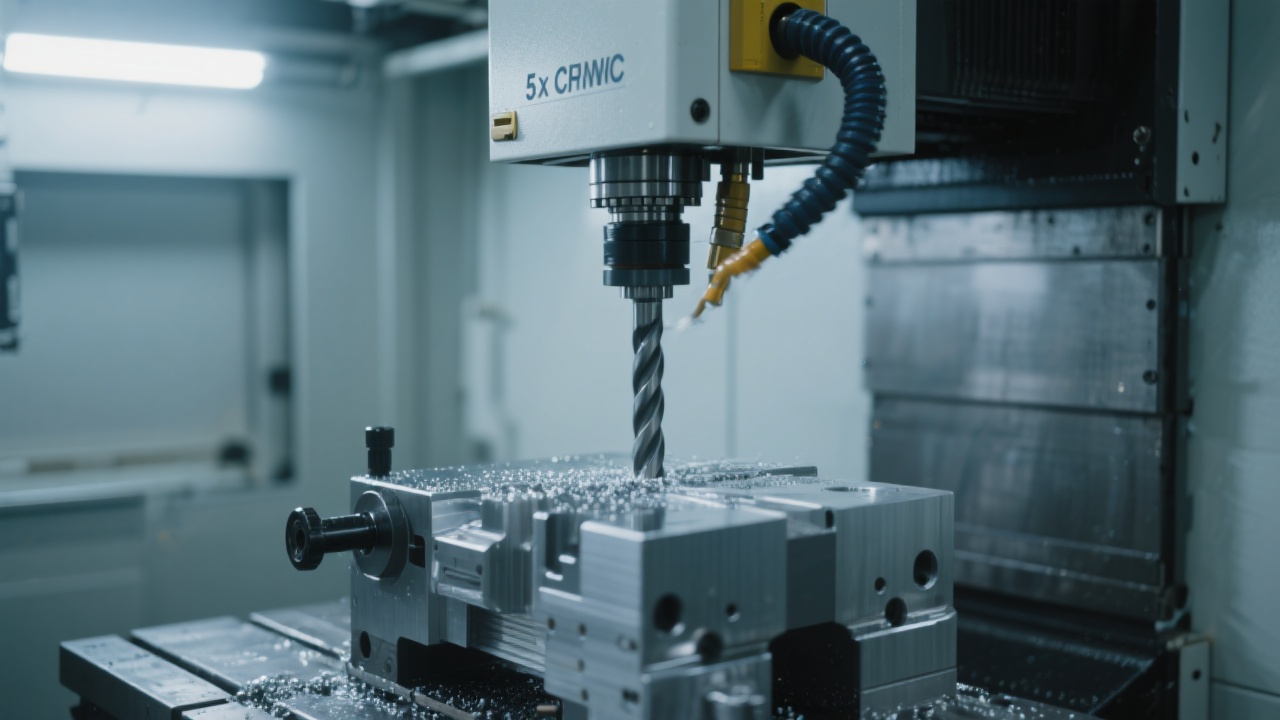
Before diving into operations, it's crucial to familiarize yourself with the key components that make 5-axis machining superior for shoe last production:
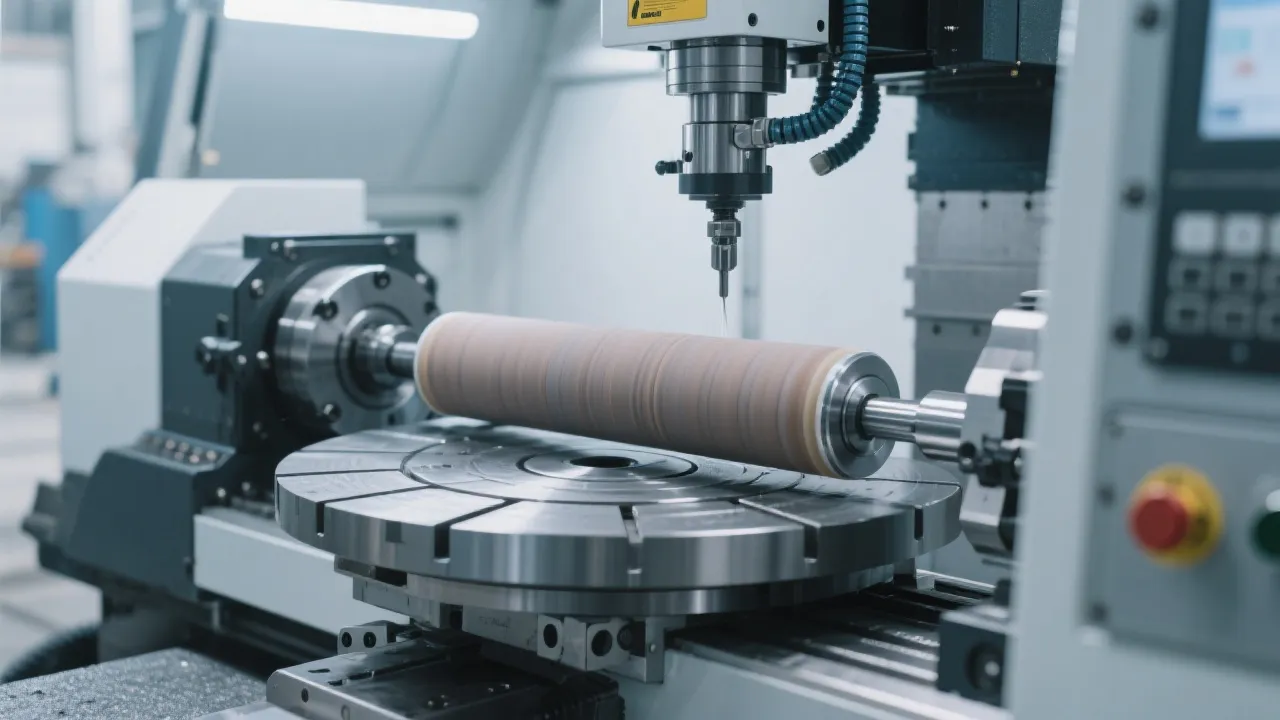
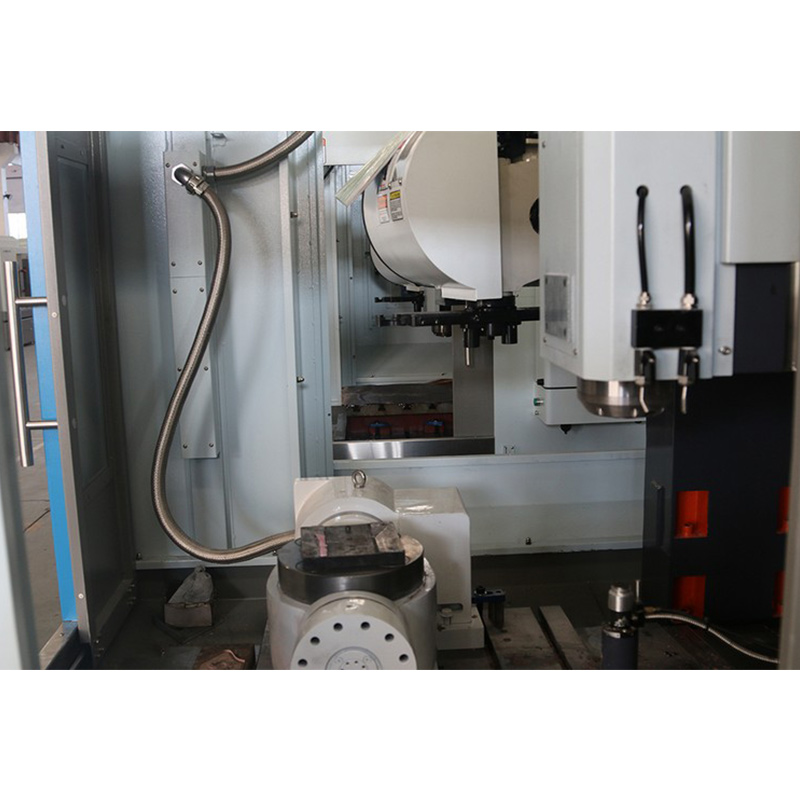
- Rotary Worktable: Enables simultaneous movement around two axes (A and C), allowing complex 3D contours without repositioning the workpiece
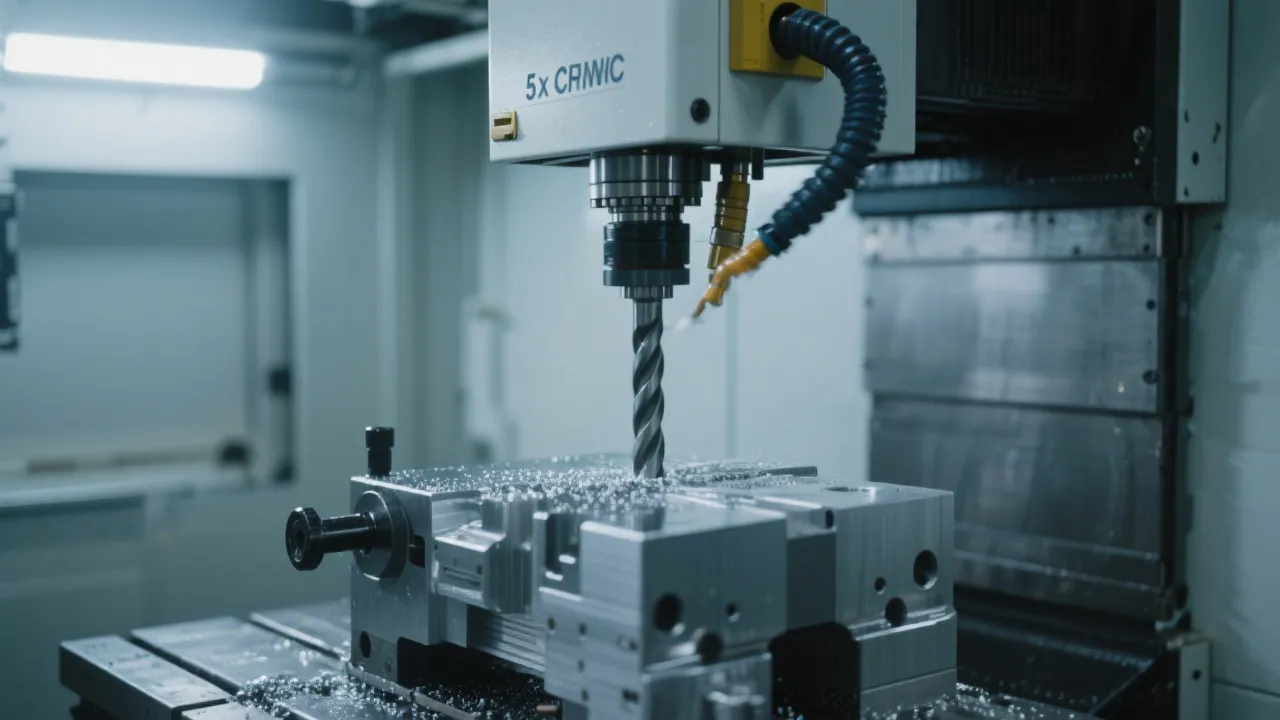
- High-Torque Spindle: Delivers consistent power for cutting various materials, from hardwood to modern composites
- Syntec Controller: Intuitive interface that translates design files into precise machine movements
- Tool Changer: Automatically switches between cutting tools, reducing manual intervention and setup time
Essential Operations: Rotary Worktable and Spindle Maintenance
Proper operation and maintenance of the rotary worktable and spindle directly impact both machining precision and equipment lifespan:
Rotary Worktable Operation
- Before initial use, verify that the table is level within 0.02mm/m using a precision level
- Perform a test rotation through all axes to ensure smooth movement without异常噪音
- Set soft limits according to your workpiece dimensions to prevent collisions
- Clean guide rails daily and apply appropriate lubricant every 8 hours of operation
High-Torque Spindle Care
The spindle is the heart of your machine. Follow these maintenance tips to ensure optimal performance:
- Monitor spindle temperature during operation; ideal range is 40-50°C
- Replace spindle oil every 500 operating hours or as recommended by the manufacturer
- Check for vibration regularly—excessive vibration (above 0.03mm/s) indicates potential issues
- Allow the spindle to reach operating speed before starting cutting operations
Mastering the Syntec Controller: From Interface to G-Code Basics
The Syntec controller simplifies complex 5-axis operations through its user-friendly interface. Spend time familiarizing yourself with these key elements:
Essential G-Codes for Shoe Last Machining
| G-Code |
Function |
Common Application |
| G00 |
Rapid positioning |
Moving between machining areas |
| G01 |
Linear interpolation |
Main cutting operations |
| G02/G03 |
Circular interpolation |
Curved surfaces of shoe lasts |
| G43 |
Tool length compensation |
Setting tool offsets |
Practical Case Studies: Optimizing Parameters for Different Shoe Types
Different shoe styles require distinct machining approaches. Let's examine parameter settings for two common shoe types:
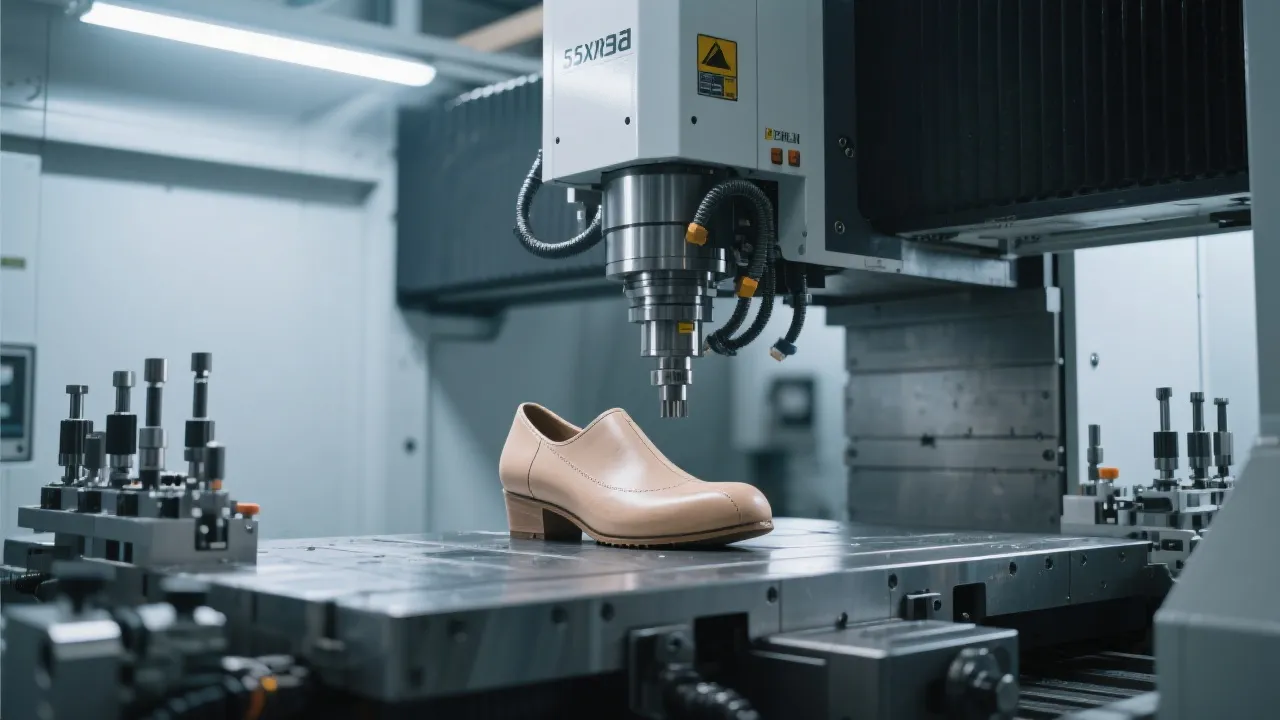
High-Heel Shoe Last Machining
High-heel lasts feature intricate curves and thin sections that demand precise parameter control:
- Spindle Speed: 12,000-15,000 RPM for better surface finish on curved areas
- Feed Rate: 800-1200 mm/min to reduce vibration on thin heel sections
- Depth of Cut: 0.5-1.0 mm for finishing passes on delicate curves
- Tool Selection: 6mm ball end mill for contouring, 3mm for fine details
Flat Shoe Last Machining
Flat shoe lasts allow for more aggressive machining parameters:
- Spindle Speed: 8,000-10,000 RPM for increased material removal
- Feed Rate: 1500-2000 mm/min for efficient roughing
- Depth of Cut: 1.5-2.0 mm for faster material removal
- Tool Selection: 10mm flat end mill for roughing, 6mm ball end mill for finishing
5 Critical Tips to Boost Your Efficiency by 30%+
- Optimize Tool Path Order: Arrange your machining sequence to minimize tool changes and rapid movements. This simple step can reduce cycle time by 15-20%.
- Implement Adaptive Machining: Use the Syntec controller's adaptive feed feature to automatically adjust feed rates based on cutting conditions, reducing vibration and improving surface quality.
- Create Standardized Parameter Libraries: Develop and save parameter sets for common shoe types to eliminate repetitive setup time.
- Perform Preventive Maintenance: A 15-minute daily inspection can prevent 80% of common machine issues that cause downtime.
- Utilize Simulation Mode: Always run new programs in simulation mode first—this prevents costly mistakes and material waste.
Troubleshooting Common Issues in 5-Axis Shoe Last Machining
Even with proper setup, challenges may arise. Here are solutions to common problems:
Vibration During Machining
Vibration is the enemy of precision. Address it by:
- Reducing spindle speed by 10-15%
- Decreasing feed rate by 20%
- Checking for loose fixtures or worn tool holders
- Using a higher rigidity tool with a shorter length
Poor Surface Finish
To achieve the smooth surface finish required for high-quality shoe lasts:
- Increase spindle speed for finishing passes
- Reduce depth of cut to 0.3-0.5mm for final passes
- Check tool condition—replace worn tools immediately
- Verify that the workpiece is properly secured with minimal overhang
Ready to Transform Your Shoe Last Production Process?
Experience the difference professional-grade equipment can make in your workflow. The 凯博数控 (Kaibo CNC) 5-axis shoe last milling machines are designed with beginners in mind while delivering the precision demanded by industry experts.
Get Your Personalized Demo & Efficiency Analysis
Join Our Machinist Community
Have a specific challenge with your shoe last machining process? Share your experiences and questions in our technician forum. Our experts and fellow operators are ready to help you find solutions.
*We feature successful case studies from our community members in our monthly newsletter. Submit your story today!