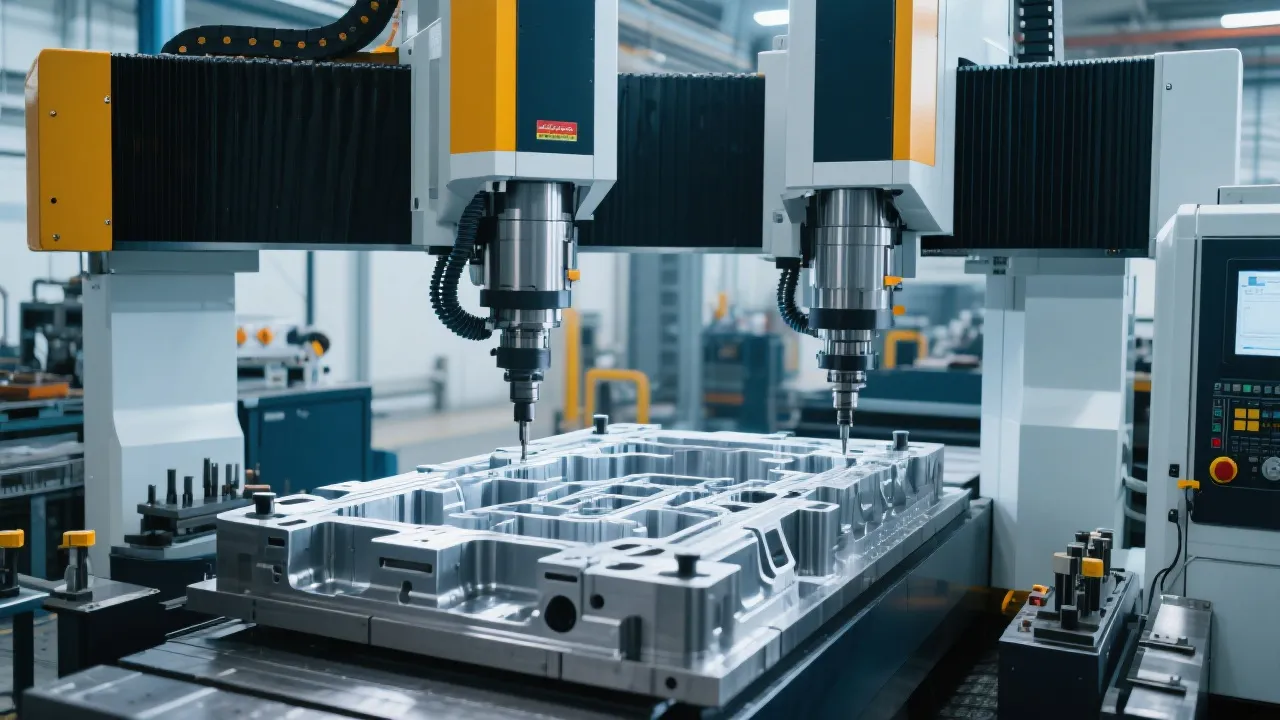
In an industry where precision meets productivity, footwear mold manufacturers face persistent challenges that hinder growth and profitability. The quest for efficiency has led many forward-thinking companies to embrace advanced machining technologies, with 5-axis milling emerging as a transformative solution.
For decades, conventional machining processes have struggled to keep pace with the evolving demands of footwear design and production. A recent industry survey revealed that 68% of footwear mold manufacturers identify production bottlenecks as their primary operational challenge.
Key Industry Challenges:
These challenges translate directly to increased operational costs, missed delivery deadlines, and reduced competitiveness in a market where speed-to-market is critical. Traditional 3-axis machining, while reliable, simply cannot match the complex geometries and precision requirements of modern footwear designs without significant trade-offs in efficiency.
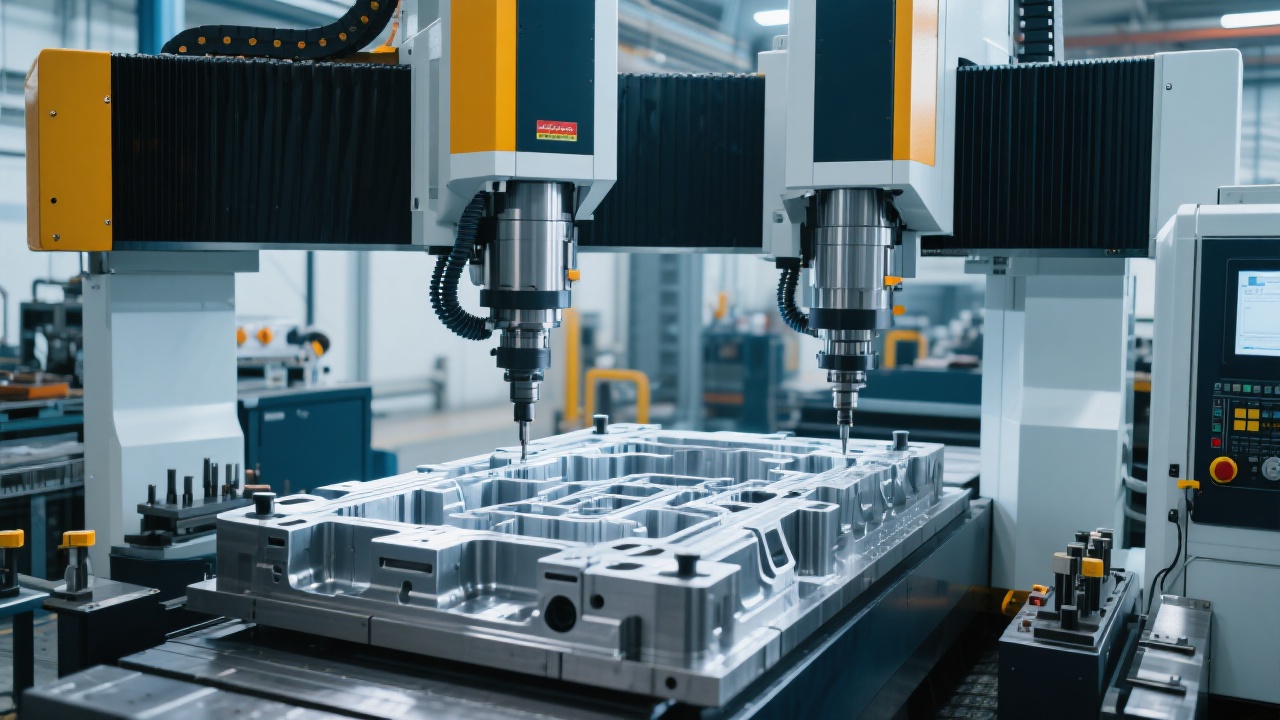
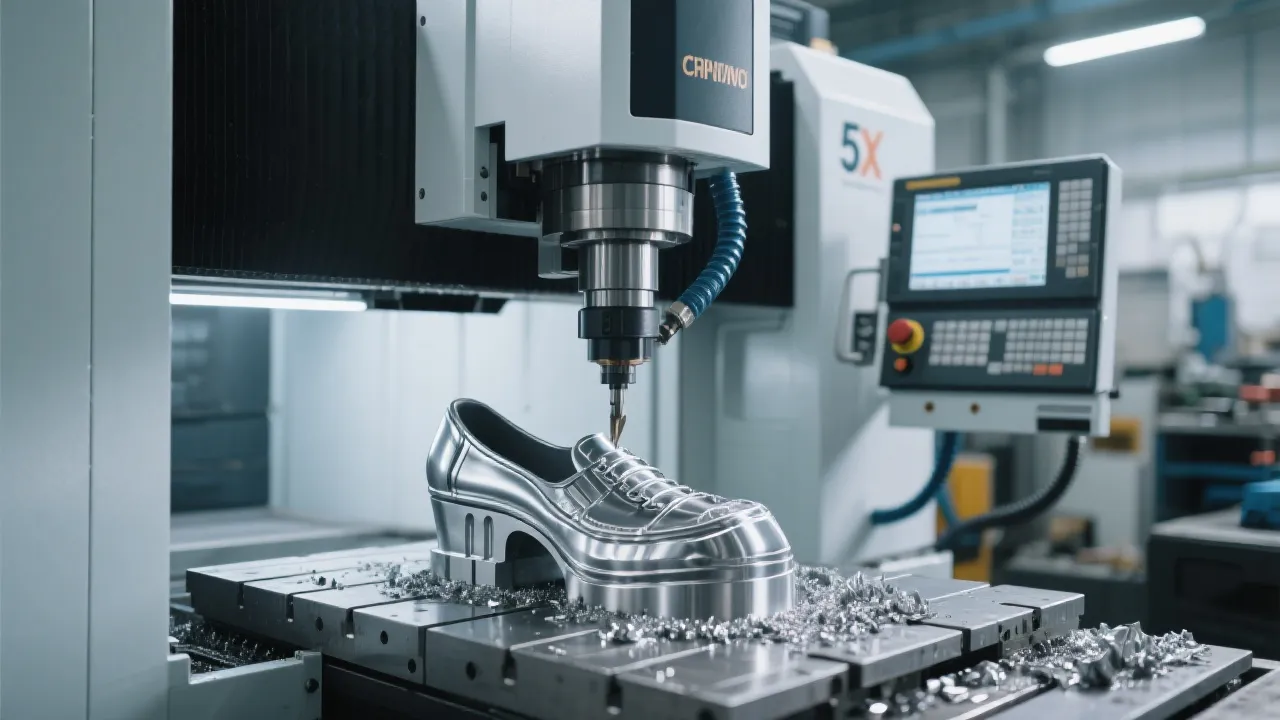
At the heart of 5-axis machining technology lies a fundamental advantage: the ability to complete complex mold geometries in a single setup. This capability directly addresses the industry's most pressing challenges by eliminating the need for multiple machine setups and manual interventions.
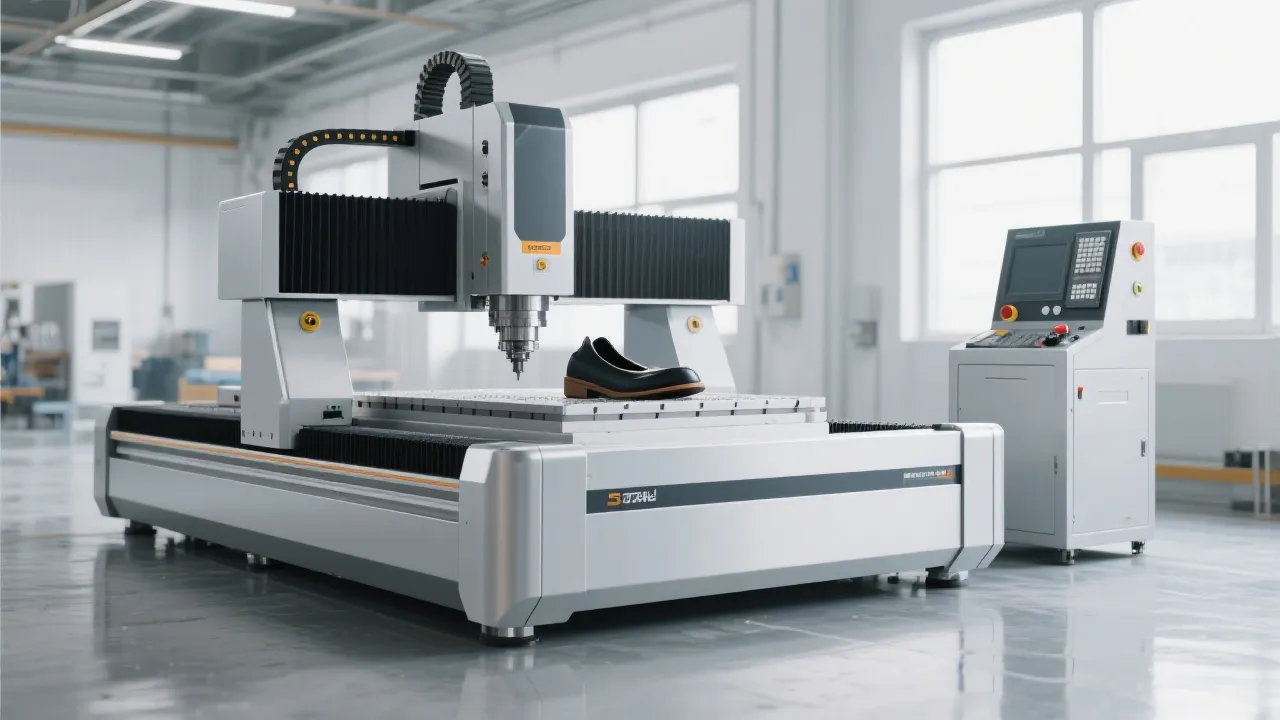
By consolidating operations into a single setup, 凯博数控 5-axis solutions have helped manufacturers reduce setup changes by an average of 75%, translating to:
Continuous 5-axis motion enables smoother tool paths and superior surface finishes, resulting in:
Modern 5-axis machining centers, equipped with advanced software and integrated sensors, generate valuable production data that transforms manufacturing from an experience-based process to a data-driven operation. This shift enables continuous improvement and predictive maintenance, further enhancing overall equipment effectiveness (OEE).
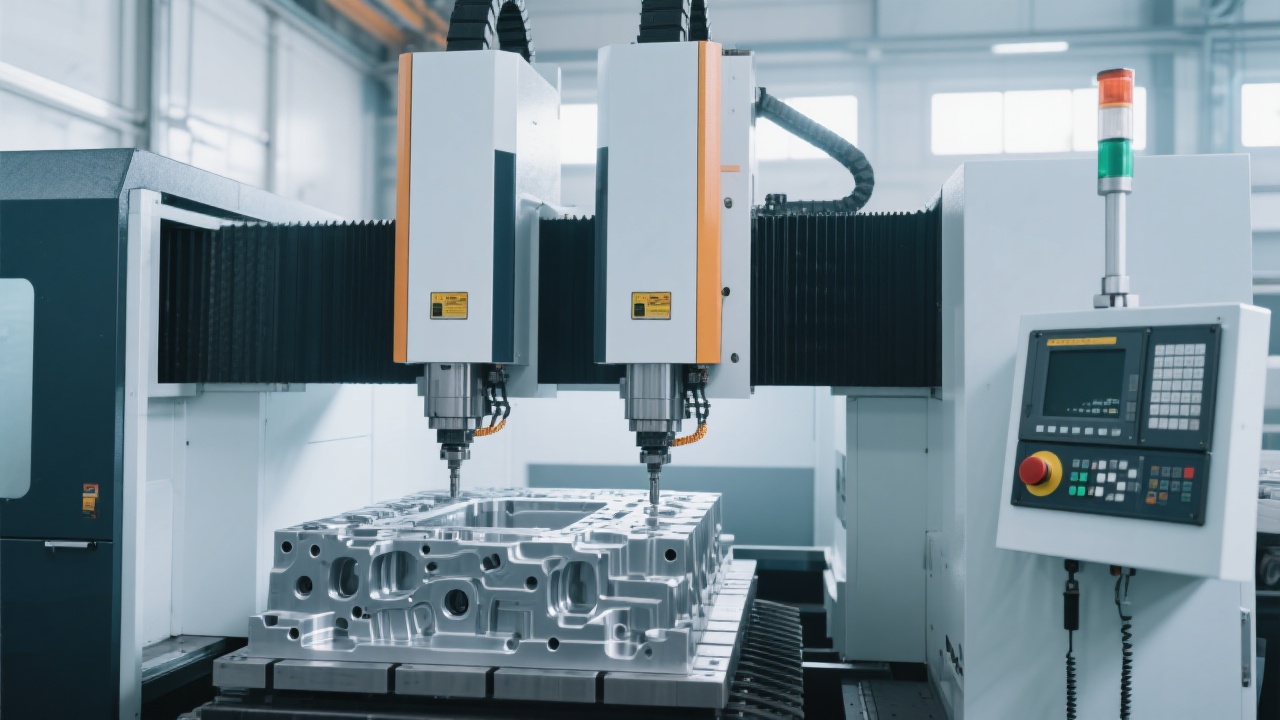
The theoretical advantages of 5-axis machining become most compelling when examining real-world applications. Consider the experience of a mid-sized footwear mold manufacturer facing chronic delivery delays and quality issues:
Challenge: Struggling with 45-day production cycles and 18% defect rates for complex shoe sole molds
Solution: Implemented 凯博数控 5-axis machining center with integrated CAD/CAM software
Results:
"The transition to 5-axis machining wasn't just a technology upgrade; it transformed our entire business model. We've gone from competing on price to competing on innovation and delivery speed." — Technical Director, Asian Footwear Components Ltd.
Similar results have been documented across various market segments, with average improvements of 45-55% in production time and 70-80% in defect reduction reported by early adopters of 5-axis technology for footwear mold production.
While advanced machinery forms the cornerstone of improved productivity, true transformation requires a holistic approach that encompasses process optimization, workforce development, and data integration.
Implementing 5-axis technology provides an opportunity to reevaluate and optimize existing workflows. By analyzing production data and eliminating non-value-added steps, manufacturers typically achieve an additional 15-20% efficiency gain beyond what the machine alone delivers.
Advanced machinery requires skilled operators and programmers. Investing in comprehensive training programs ensures that companies maximize their return on equipment investment. Manufacturers that implement structured training programs report 35-40% faster ramp-up times and 25% higher operator productivity compared to those that don't.
Discover how leading footwear mold manufacturers are achieving remarkable efficiency gains and quality improvements through advanced machining technologies.
Learn practical strategies to reduce setup times, eliminate surface defects, and transition to data-driven manufacturing.
As the footwear industry continues to evolve with increasingly complex designs and shorter product lifecycles, the adoption of advanced manufacturing technologies becomes not just a competitive advantage but a necessity for survival. The transition to 5-axis machining represents more than just a production upgrade; it signifies a fundamental shift toward smarter, more efficient, and more responsive manufacturing practices that position companies for long-term success in a rapidly changing global market.