Enhancing Shoe Mold Precision with 5-Axis CNC Milling Technology

24 01,2026
KAIBO CNC
Technical knowledge
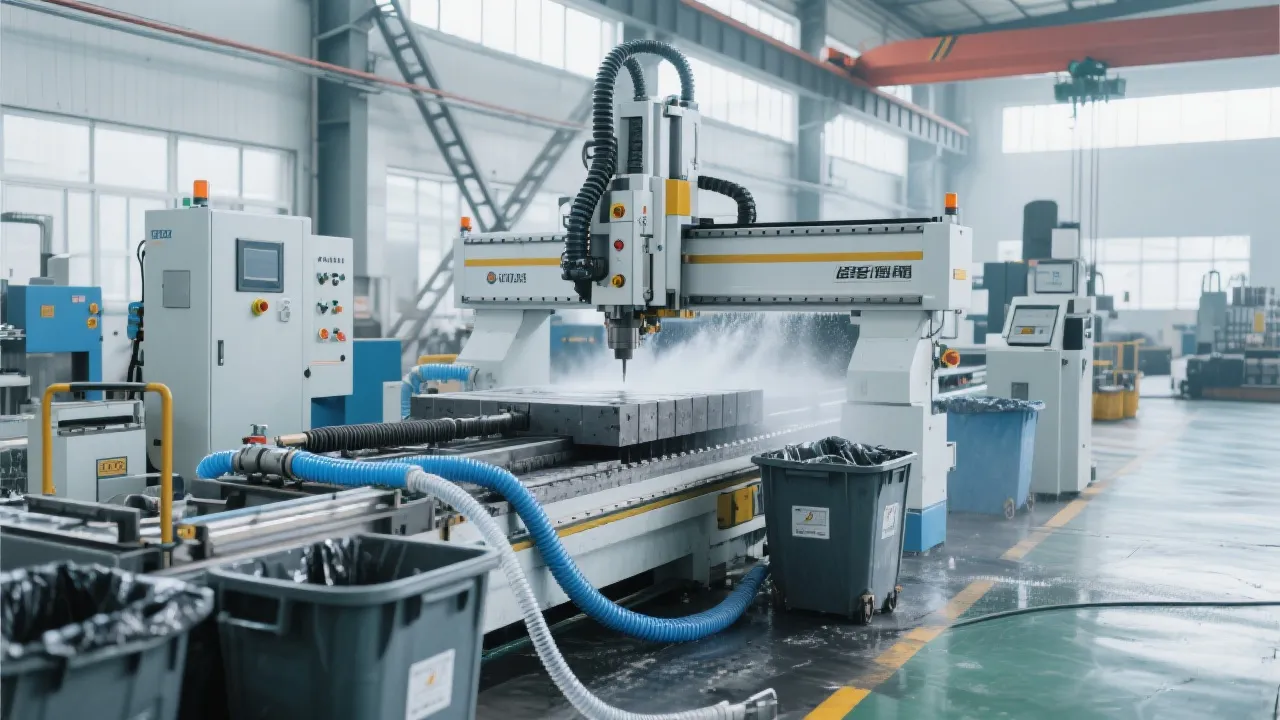
This article provides a comprehensive technical analysis of 5-axis CNC milling in shoe mold manufacturing, focusing on high rigidity machine structures, high-torque spindles, and the Syntec controller’s role in improving accuracy and efficiency. It addresses common industry challenges such as complex geometry handling and repeated clamping, demonstrating how rotary tables increase machining freedom and reduce setup time. Real-world applications—such as midsole, heel, and custom楦head processing—are illustrated with data-driven insights and comparative performance metrics. The discussion also highlights automation improvements through intelligent path optimization, offering actionable strategies for manufacturers seeking to elevate product quality and competitiveness. For further technical guidance, download our full white paper or schedule a free case study demo.

How 5-Axis CNC Machining Is Revolutionizing Shoe Mold Manufacturing

In the competitive world of footwear production, precision and efficiency are no longer optional—they’re essential for staying ahead. Traditional methods often fall short when it comes to complex shoe mold geometries, leading to increased waste, longer cycle times, and inconsistent quality. That’s where 5-axis CNC milling technology steps in—not as a luxury, but as a strategic upgrade for modern shoemakers.

The Power of Motion: Why Rotation Matters

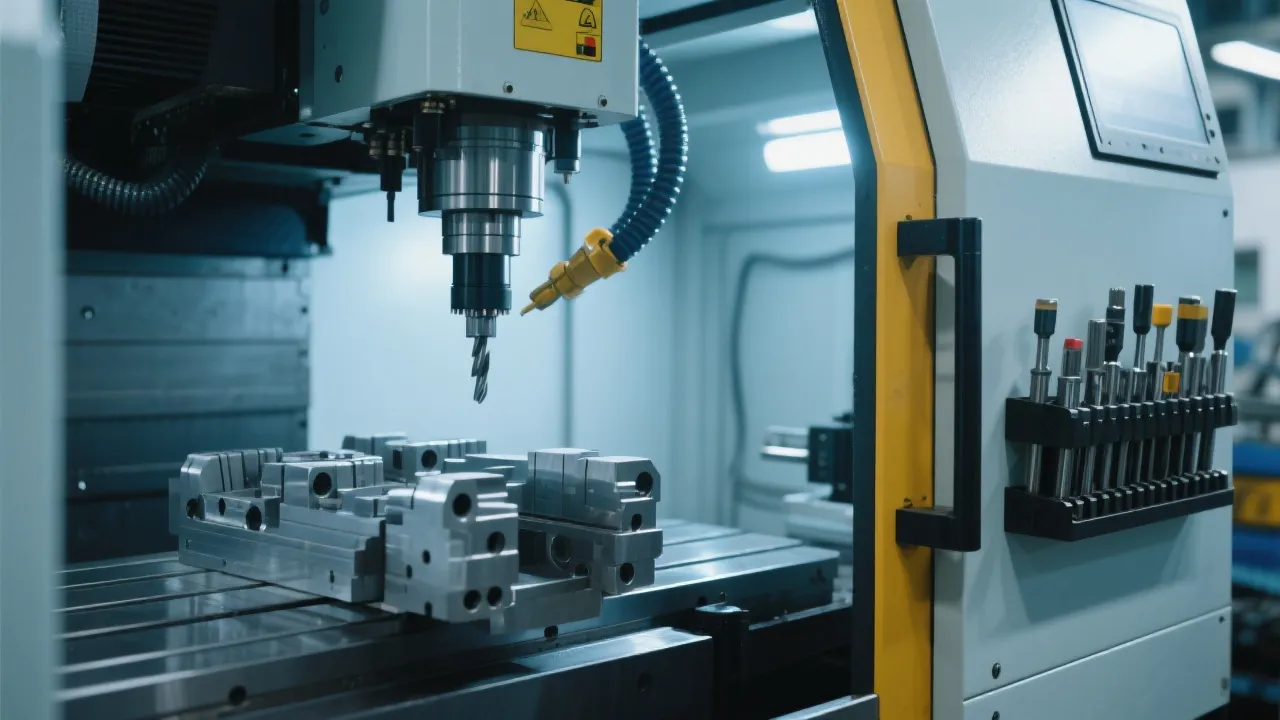
A typical 3-axis machine can only move along X, Y, and Z axes—but a 5-axis system adds two rotational axes (A and B), enabling the cutting tool to approach the workpiece from virtually any angle. This means:

  • Reduced setup time: One clamping instead of multiple setups saves up to 40% in labor hours per mold (based on industry benchmarks from ISO 23166).
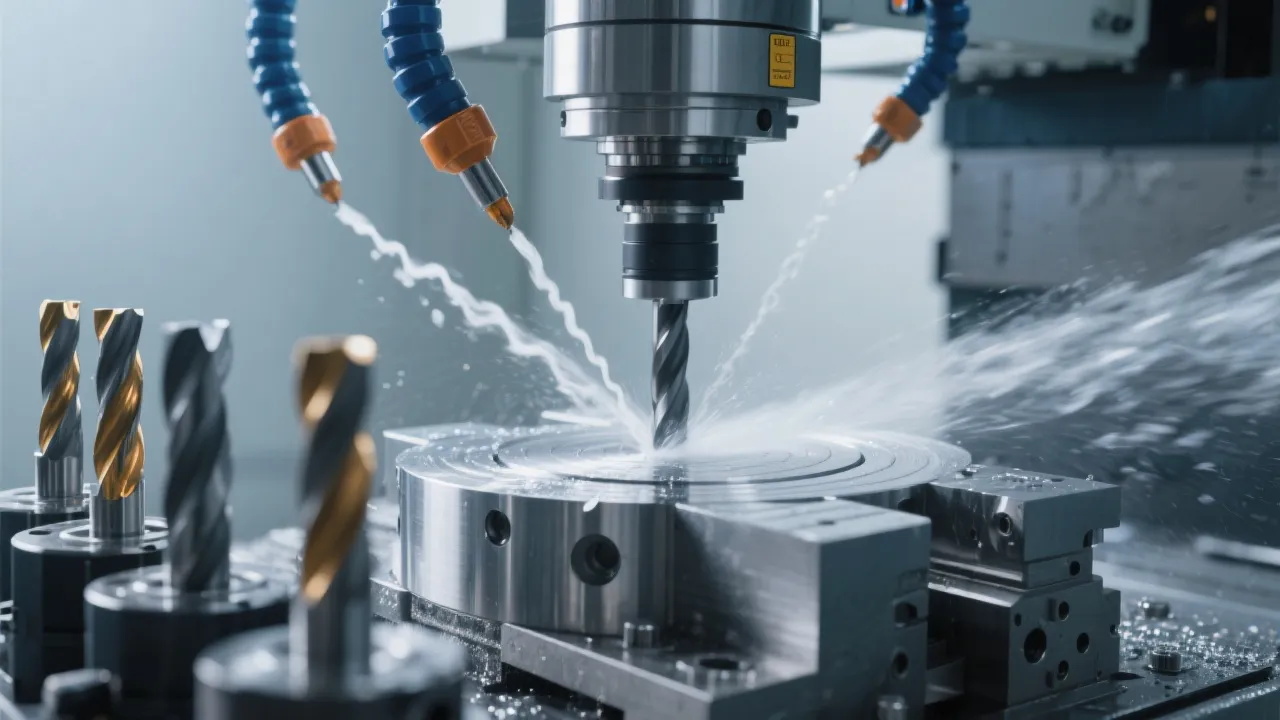
  • Improved surface finish: Continuous tool engagement minimizes chatter and achieves Ra values below 1.6 µm—critical for high-end leather and synthetic molds.
  • Access to tight features: Internal cavities, undercut heels, and intricate toe boxes become manageable without manual repositioning.

High-Stiffness Structure + High-Torque Spindle = Unmatched Stability

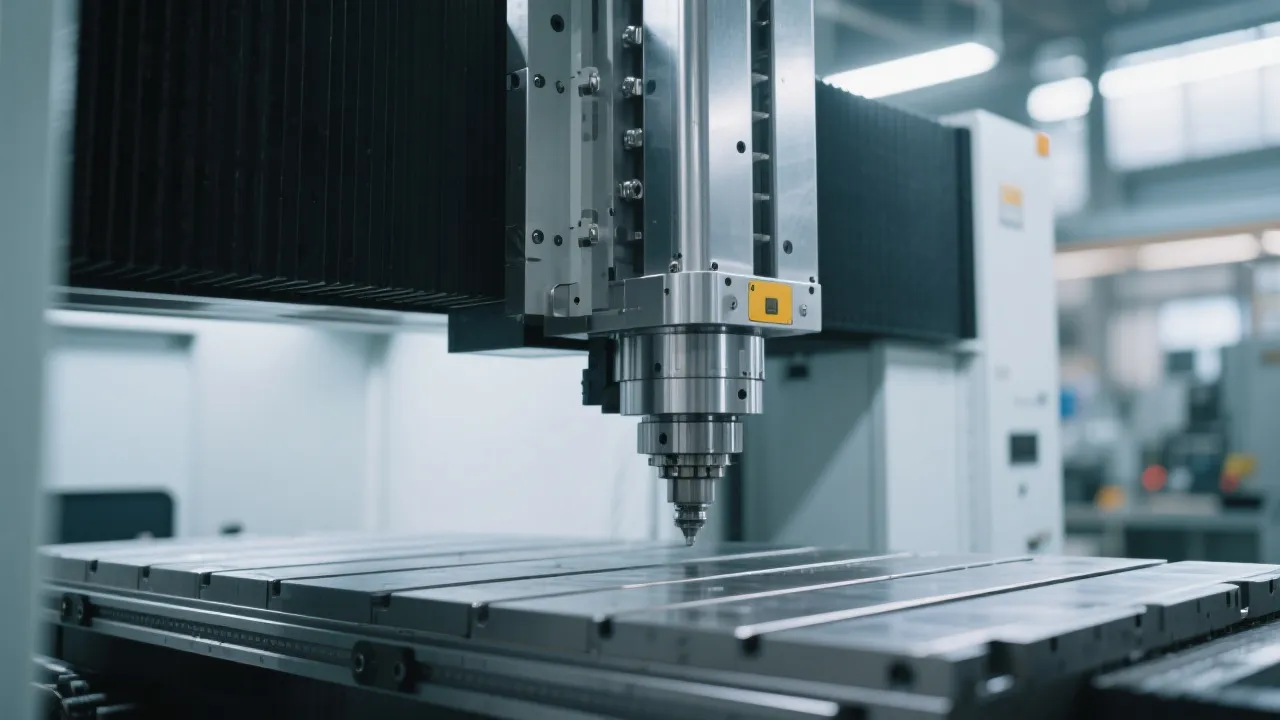
The mechanical foundation of a 5-axis CNC machine is just as important as its motion control. A robust frame with finite element analysis (FEA)-optimized design ensures minimal vibration—even at spindle speeds exceeding 24,000 RPM. Combined with a high-torque motor (up to 25 kW), this setup delivers:

Parameter Standard 3-Axis 5-Axis CNC System
Tool Life (hrs) ~8–12 ~18–25
Cycle Time Reduction N/A Up to 35%
Surface Quality (Ra) 2.5–4.0 µm 1.2–1.6 µm

Real-World Applications: From Midsoles to Heels

Let’s look at how these capabilities translate into real-world results:

Midsole molds: Complex air cushion patterns now require fewer tool changes thanks to full-axis access. A test run by a Vietnamese footwear OEM showed a 30% reduction in post-processing polishing time.

Heel components: The ability to mill vertical surfaces without flipping parts reduces dimensional deviation from ±0.1 mm to under ±0.05 mm—a key factor in fit consistency across batches.

Customized shoe lasts: With 5-axis machining, even highly irregular foot shapes can be translated into precise digital models and then machined in one go—ideal for premium brands targeting personalized footwear.

Smart Control: Syntec Controller Enhances Automation & Reliability

It’s not just about moving the axes—it’s about controlling them intelligently. The Syntec high-speed controller uses predictive path smoothing algorithms that reduce acceleration spikes by up to 25%, resulting in smoother toolpaths and less wear on both tools and the machine itself. In addition:

  • Integrated diagnostics alert operators before issues arise—reducing downtime by an average of 15% per month.
  • Support for G-code optimization allows seamless integration with CAD/CAM workflows used by major footwear designers like Nike, Adidas, and Puma.
  • Auto-calibration routines ensure repeatability within ±0.02 mm over 8-hour shifts—a benchmark set by DIN EN ISO 10791-1.

Ready to Elevate Your Mold Production?

Download our comprehensive technical whitepaper on 5-axis applications in shoe mold manufacturing—including case studies, performance metrics, and implementation roadmap.

Get the Full Technical Whitepaper
Name *
Email *
Message*

Recommended Products

Popular articles
Recommended Reading

Related Reading

Contact us
Contact us
https://shmuker.oss-accelerate.aliyuncs.com/tmp/temporary/60ec5bd7f8d5a86c84ef79f2/60ec5bdcf8d5a86c84ef7a9a/thumb-prev.png